
Saint Jerome penitent — History & Facts
When Caravaggio painted Saint Jerome penitent around 1600, he was already notorious in Rome for his turbulent life and the raw realism of his art. This painting belongs to a subject he would return to multiple times, but its precise origins remain mysterious—unlike other commissions from cardinals or religious orders, no early documentation survives to link it to a specific patron or chapel. The lack of a clear commission has led to debate among scholars: was it painted for private devotion, or as a speculative work to attract new patrons? What is certain is that Caravaggio’s interpretation of Saint Jerome, the great translator of the Bible, was radically different from the serene, scholarly images popular in late Renaissance Rome. Saint Jerome is shown at the height of his penitence: kneeling in the wilderness, his aged body exposed, eyes cast downward in humility.
In his right hand he clutches a rock, ready to beat his chest in a gesture of self-mortification, while his left rests on a skull—a stark reminder of mortality. The red cloak, draped loosely over his shoulders, signals his status as a cardinal, even in this moment of self-denial. Harsh, raking light carves out the sinews of Jerome’s body and the textures of the objects around him, a signature of Caravaggio’s dramatic realism.
Unlike the gentle contemplation in Leonardo da Vinci’s Saint Jerome in the Wilderness, Caravaggio’s saint is caught in the throes of spiritual struggle, his humanity laid bare. The early history of Saint Jerome penitent is unclear, and it is not certain where the painting first hung. It is one of several treatments of Jerome by Caravaggio, with versions now in Rome and Valletta, each differing in pose and mood. This work, painted at the dawn of the Baroque movement, shows Caravaggio refining the tenebrism that would soon revolutionize European painting.
Today, the painting’s journey through collections remains partly in shadow, but it stands as a testament to Caravaggio’s ability to bring religious drama into immediate, physical reality, capturing the attention of viewers centuries after its creation.
More Artworks by Caravaggio
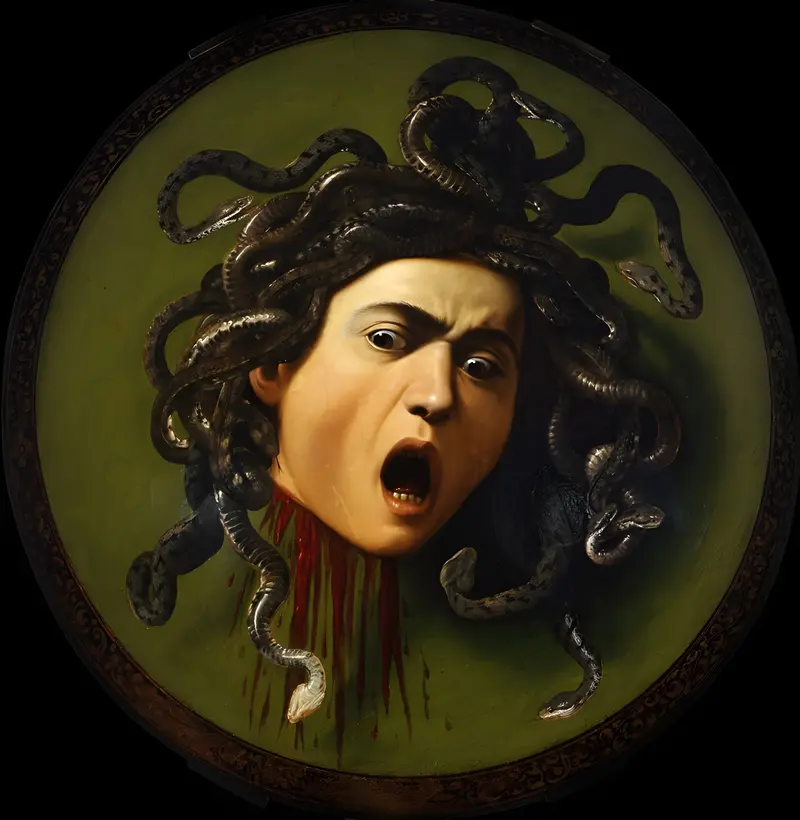
Medusa
Caravaggio
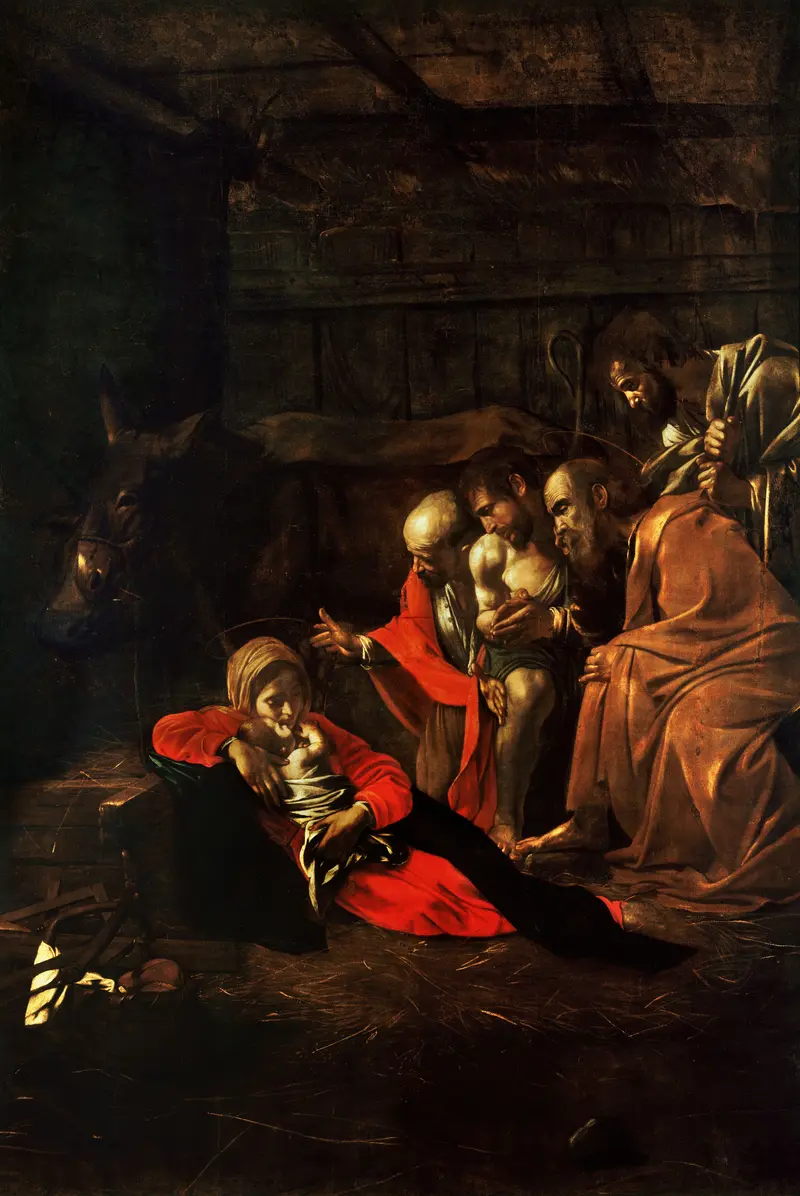
Adoration of the Shepherds
Caravaggio
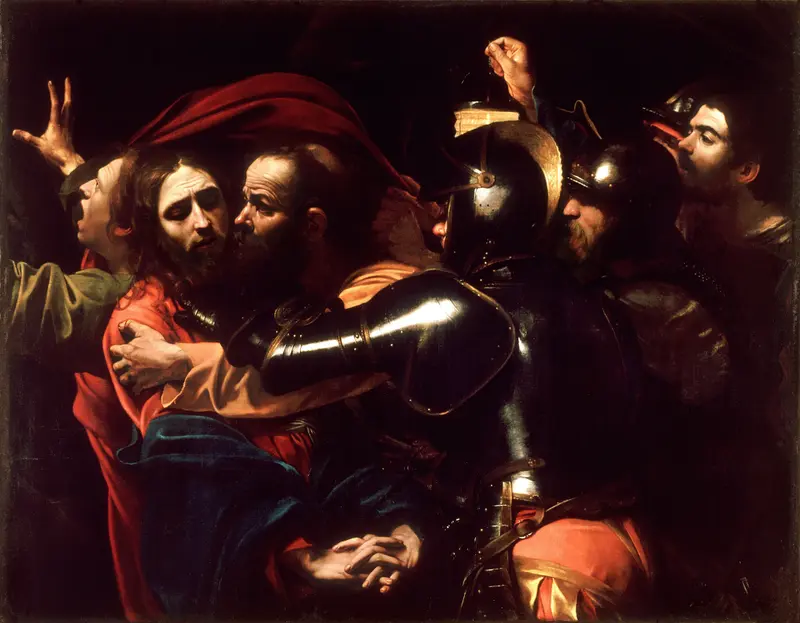
The Taking of Christ
Caravaggio
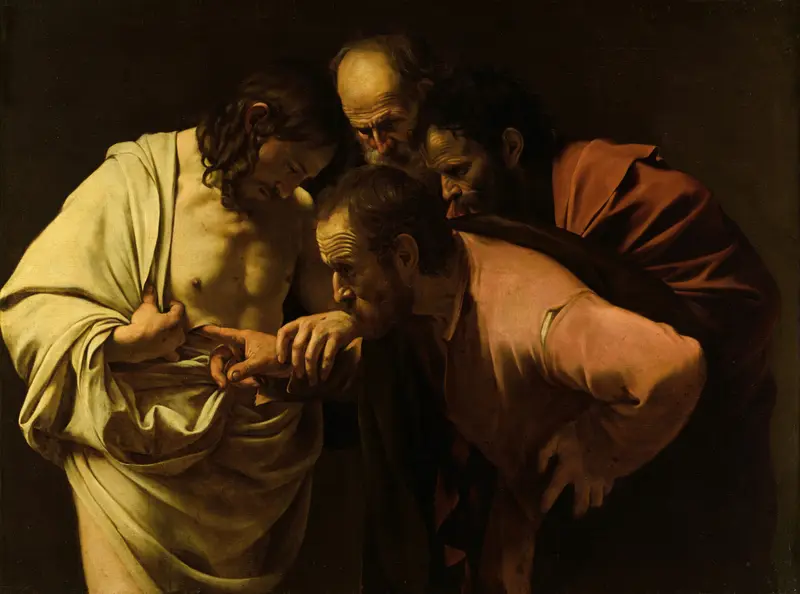
The Incredulity of Saint Thomas
Caravaggio
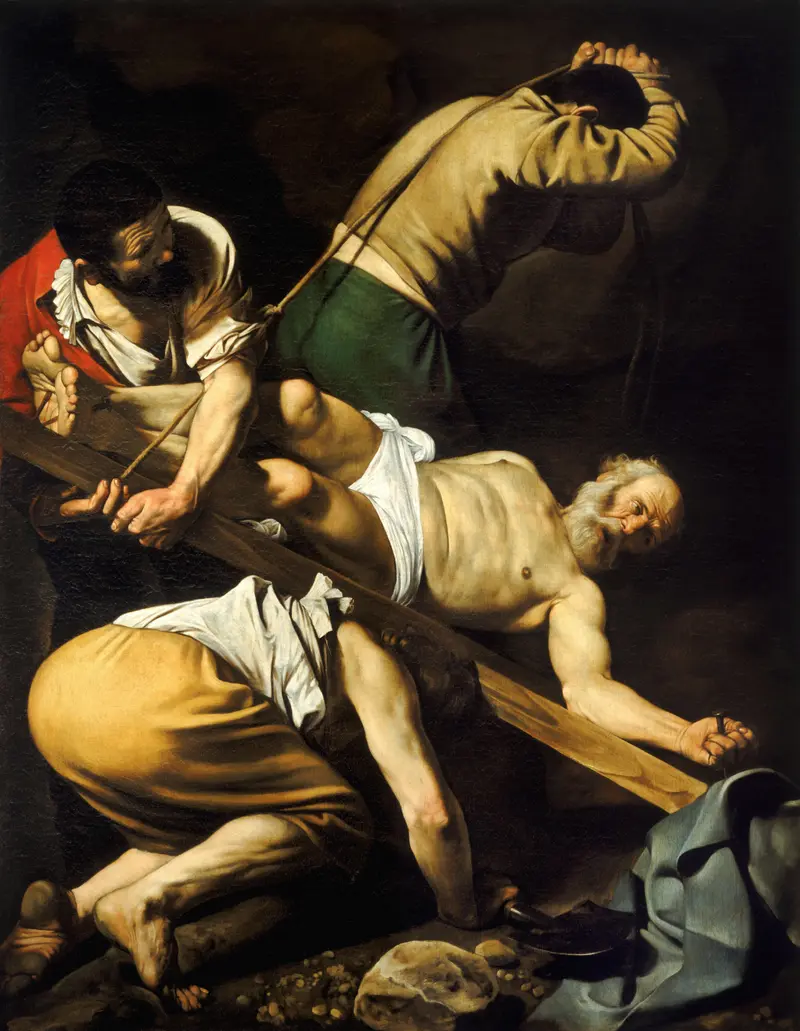
Crucifixion of Saint Peter
Caravaggio
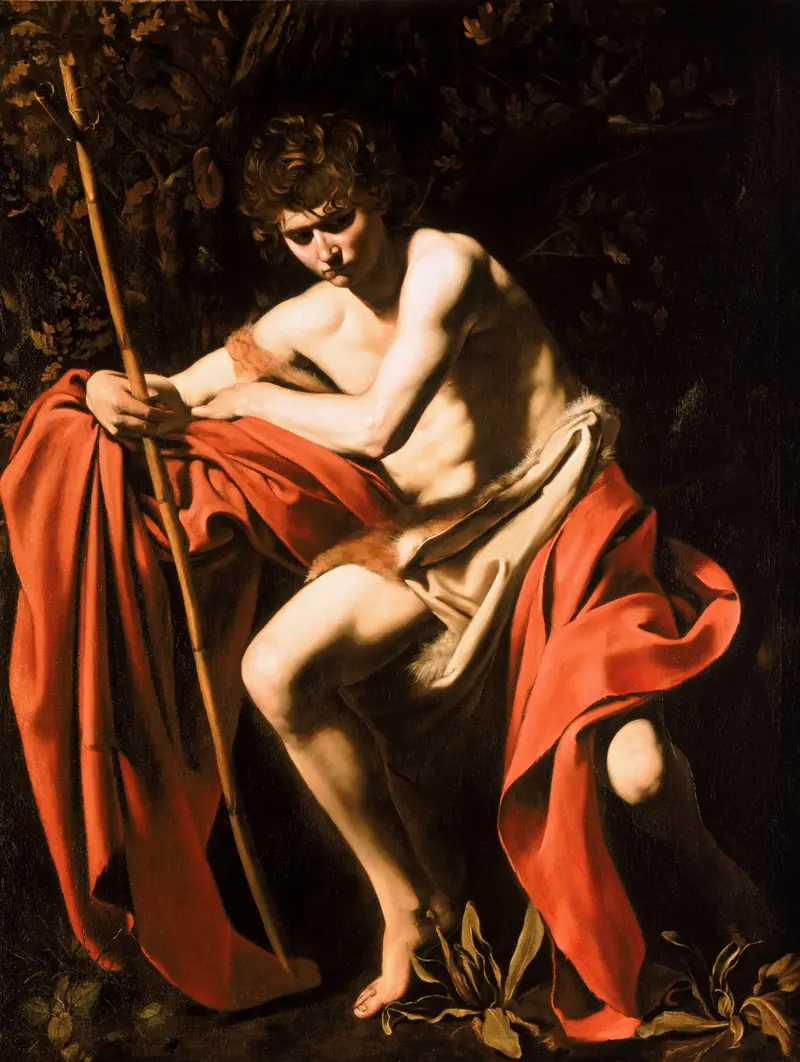
Saint John The Baptist In The Wilderness
Caravaggio

Saint Matthew and the angel
Caravaggio
The Inspiration of Saint Matthew
Caravaggio

Conversion on the Way to Damascus
Caravaggio
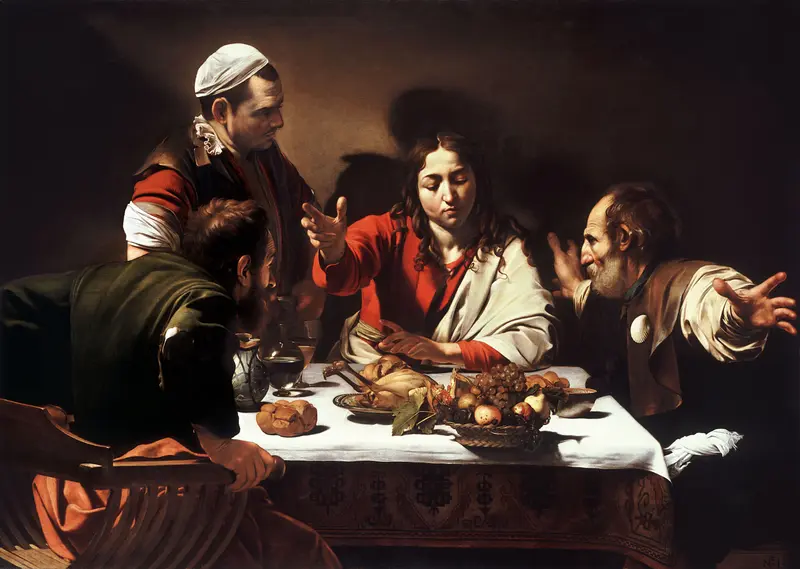
Supper at Emmaus
Caravaggio





