
Saint Lucy — History & Facts
When Artemisia Gentileschi painted Saint Lucy in 1642, she was in Naples, navigating a city torn by plague and political upheaval. This work stands out as one of her few signed and dated religious commissions from that period, and it has sparked debate among scholars: was it created for the local Church of Santa Lucia, or for a private patron seeking protection from illness? The uncertainty is heightened by the fact that no contemporary records of its commission survive, leaving its early history shrouded in mystery. Saint Lucy, an early Christian martyr from Syracuse, is caught here in the quiet aftermath of her ordeal. Rather than focusing on her grisly martyrdom—her eyes were said to have been gouged out—Gentileschi chooses a moment of serene endurance.
Lucy’s gaze is calm, her hands gently clasping a palm frond, the traditional symbol of martyrdom, while a faint glow illuminates her face against a somber background. Unlike the dramatic, almost theatrical depictions by Domenichino or Caravaggio, Gentileschi’s Lucy is marked by a sense of personal dignity and inward strength, her suffering rendered with empathy rather than spectacle. The painting’s later journey is only partially known. It surfaced in Neapolitan collections in the 18th century, but its whereabouts during the preceding decades remain untraced.
Scholars only firmly attributed the work to Artemisia Gentileschi in the 20th century, recognizing her distinctive handling of light and the psychological depth of her saints. Today, Saint Lucy is celebrated as a testament to Gentileschi’s mature style, reflecting both her technical skill and her unique voice within the Baroque movement.
More Artworks by Artemisia Gentileschi

Judith Beheading Holofernes
Artemisia Gentileschi
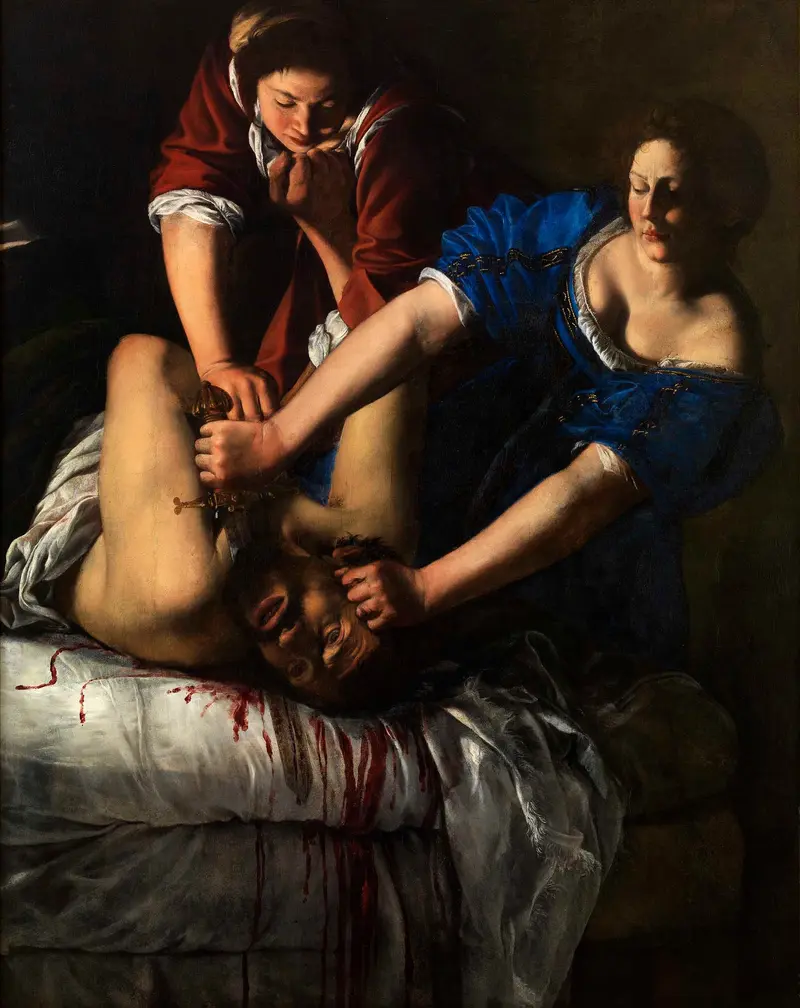
Judith Slaying Holofernes
Artemisia Gentileschi
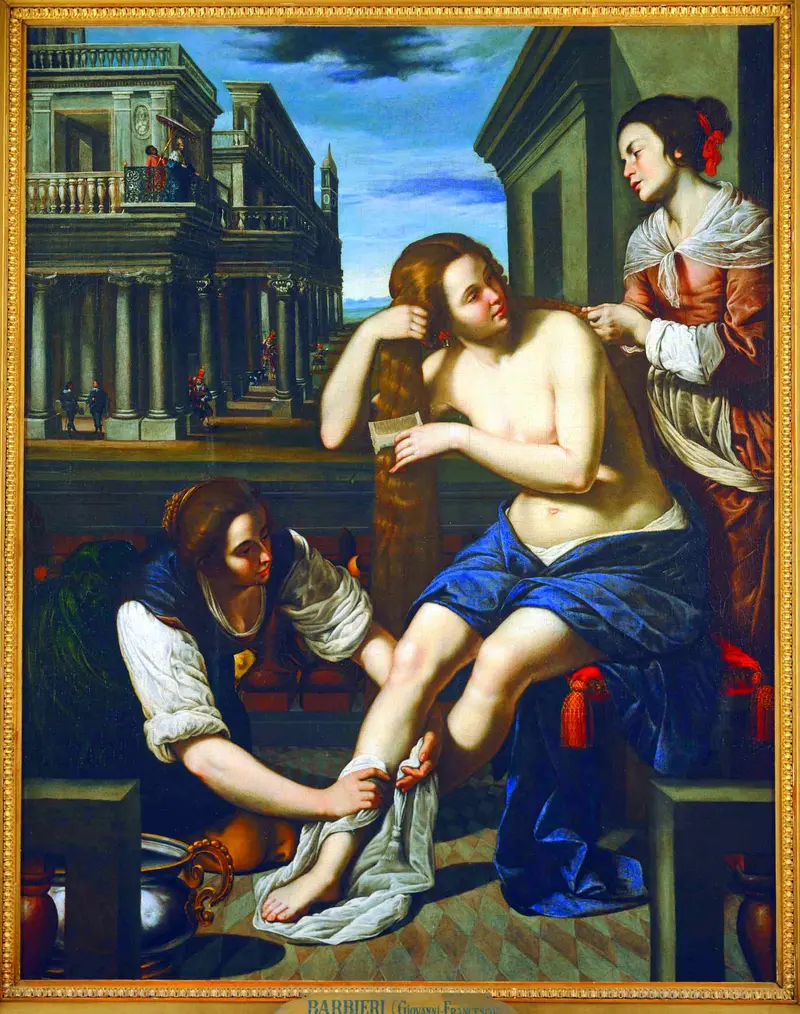
Bathsheba at Her Bath
Artemisia Gentileschi
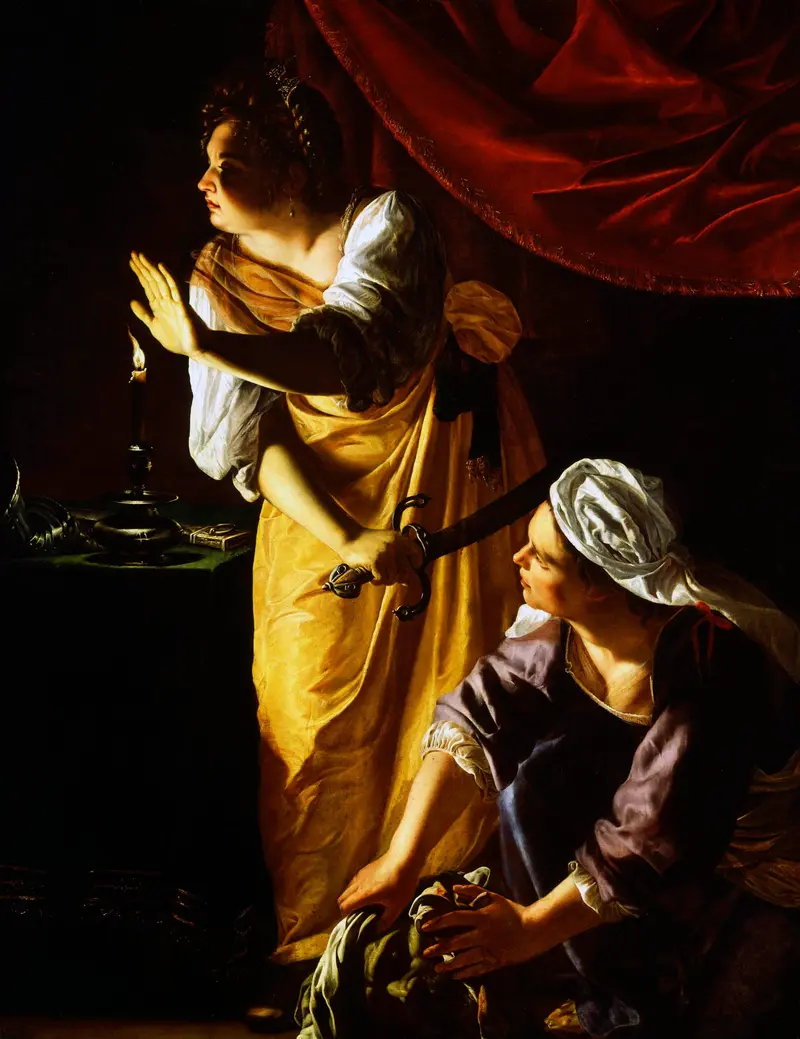
Judith and Maidservant with Head of Holofernes
Artemisia Gentileschi
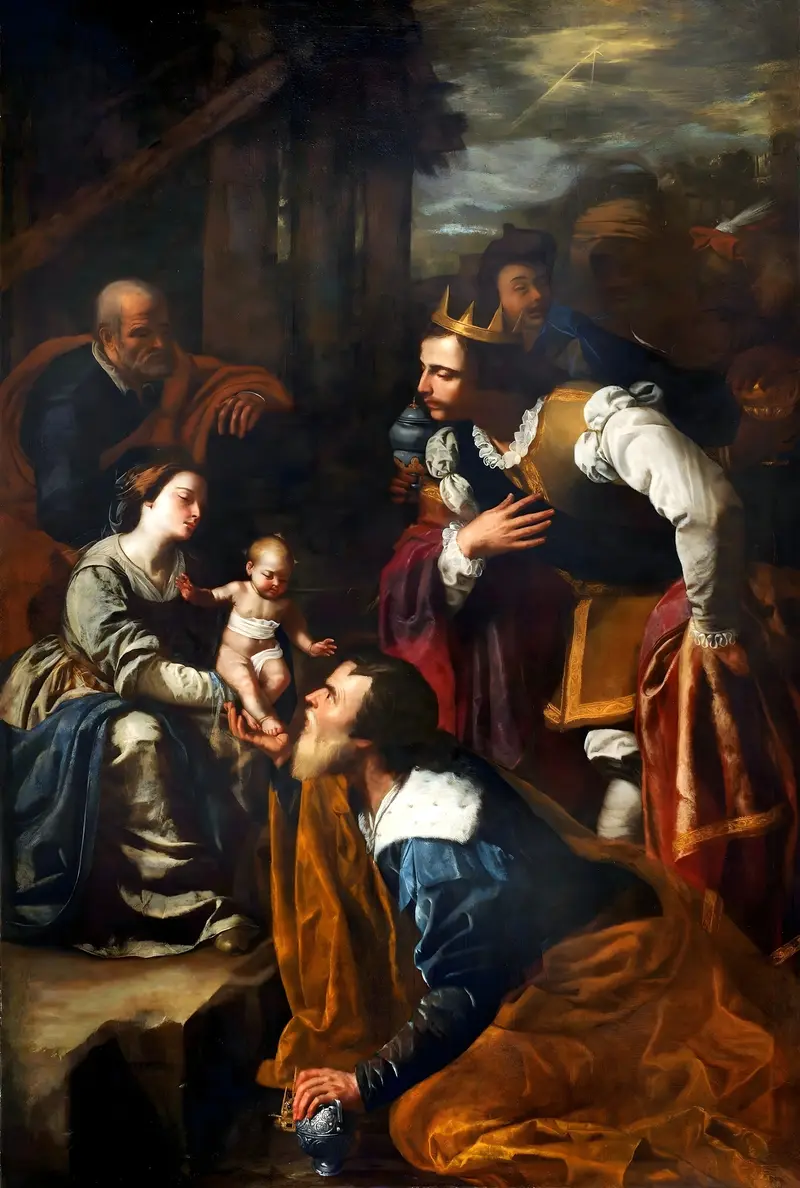
Adoration of the Magi
Artemisia Gentileschi
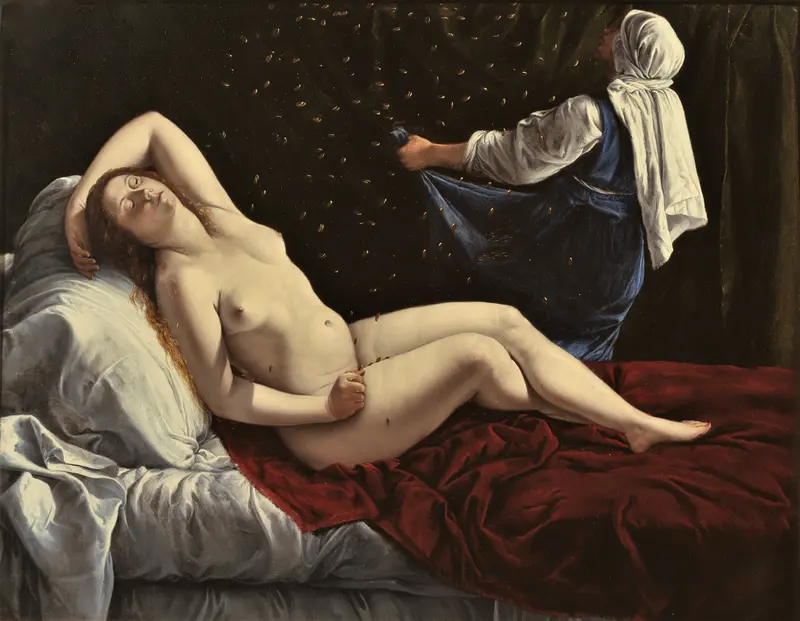
Danaë
Artemisia Gentileschi

Susannah and the Elders
Artemisia Gentileschi

Judith and her Servant with the Head of Holofernes
Artemisia Gentileschi
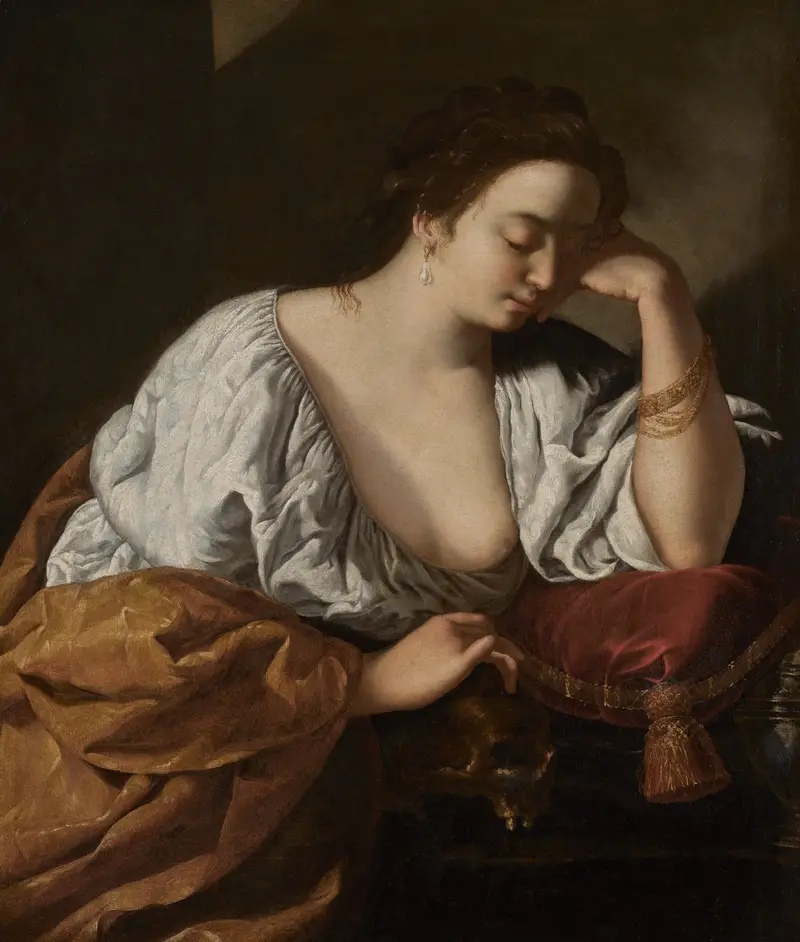
Madeleine pénitente, par
Artemisia Gentileschi

Portrait of a Gonfaloniere
Artemisia Gentileschi





