
Saint Margaret and the Dragon — History & Facts
In 1518, Raphael was at the height of his powers, overseeing a bustling workshop in Rome, when he produced Saint Margaret and the Dragon—a subject he returned to more than once, and one that was highly prized by collectors of his day. The painting’s fame quickly spread, in part because it was believed to be one of the last works the artist personally touched before his untimely death just two years later. The precise medium remains uncertain, adding to the air of mystery that has long surrounded the piece.
Copies and workshop versions abound, but the original, with its delicate handling of the saint’s features, has always stood apart. At the center of the scene stands Saint Margaret, serene and composed, moments after her miraculous escape from the dragon that sought to devour her. According to legend, Margaret, a Christian martyr of Antioch, was swallowed whole by a dragon but emerged unharmed when her cross irritated the beast’s insides. Raphael captures the aftermath: Margaret stands triumphant, her gaze lifted heavenward, the dragon writhing at her feet—a symbol of evil conquered by faith.
The gentle fall of light across her white robe underscores her purity, while the cross she holds is both her weapon and her salvation. Compared to Tintoretto’s more turbulent depictions of the same legend, Raphael’s Margaret radiates calm assurance, the drama resolved in favor of quiet victory. The journey of Saint Margaret and the Dragon through history is a patchwork of admiration and uncertainty. While the original commission is not definitively recorded, it is likely that a private patron, eager for both religious inspiration and the prestige of owning a Raphael, sought out the artist for this work.
Over the centuries, the painting has been attributed, reattributed, and copied, its authorship sometimes debated due to the involvement of Raphael’s workshop. Today, it is recognized as a testament to Raphael’s late style, where clarity, grace, and narrative restraint come together. The painting now resides in a major European collection, continuing to invite both devotion and scholarly attention.
More Artworks by Raphael

Madonna of the Goldfinch
Raphael

Madonna with the Fish
Raphael
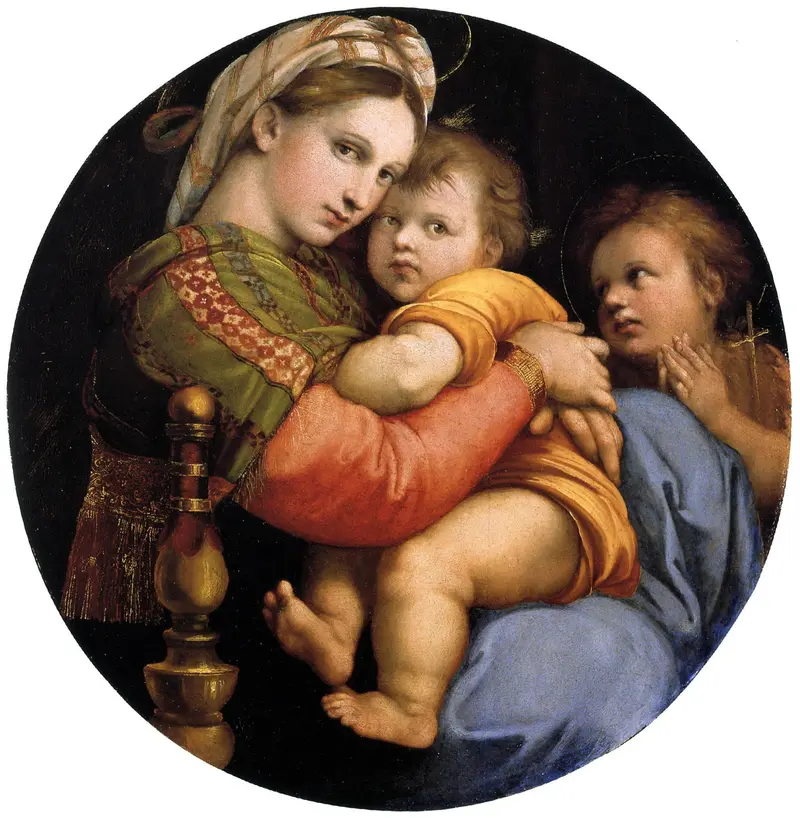
Madonna and Child (Madonna della Seggiola)
Raphael
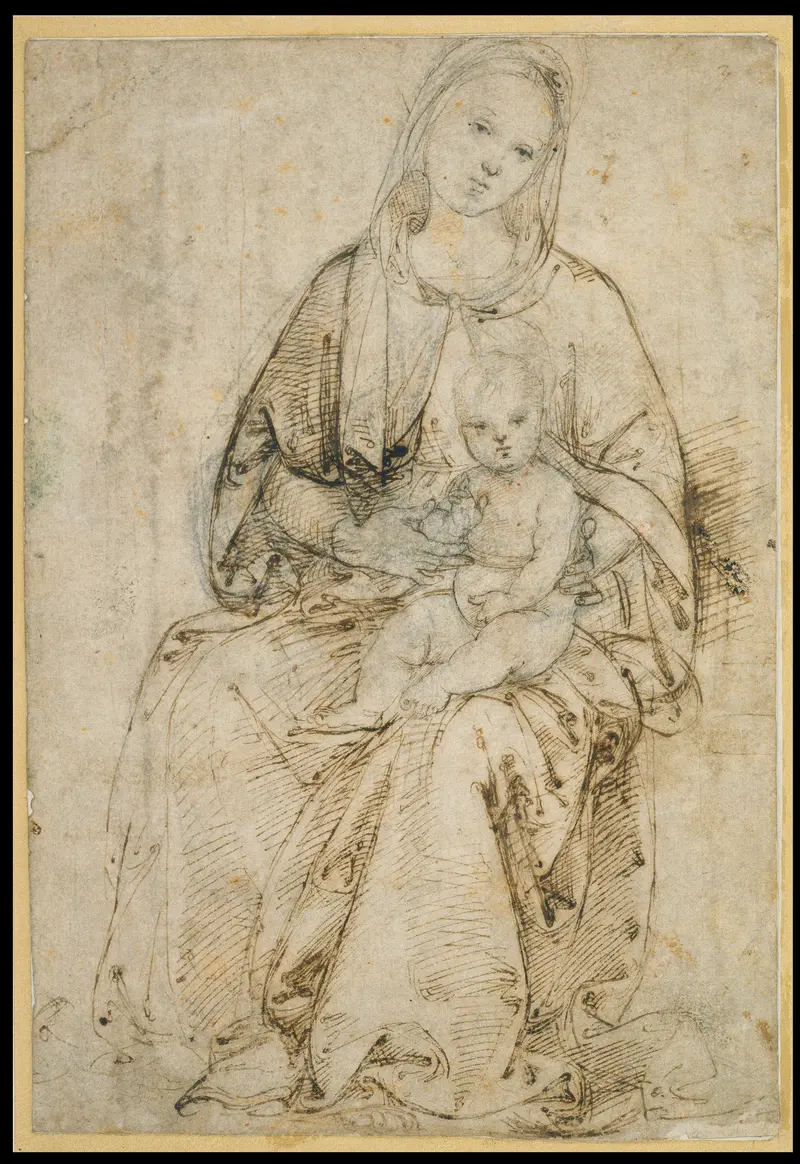
Seated Madonna and Child
Raphael
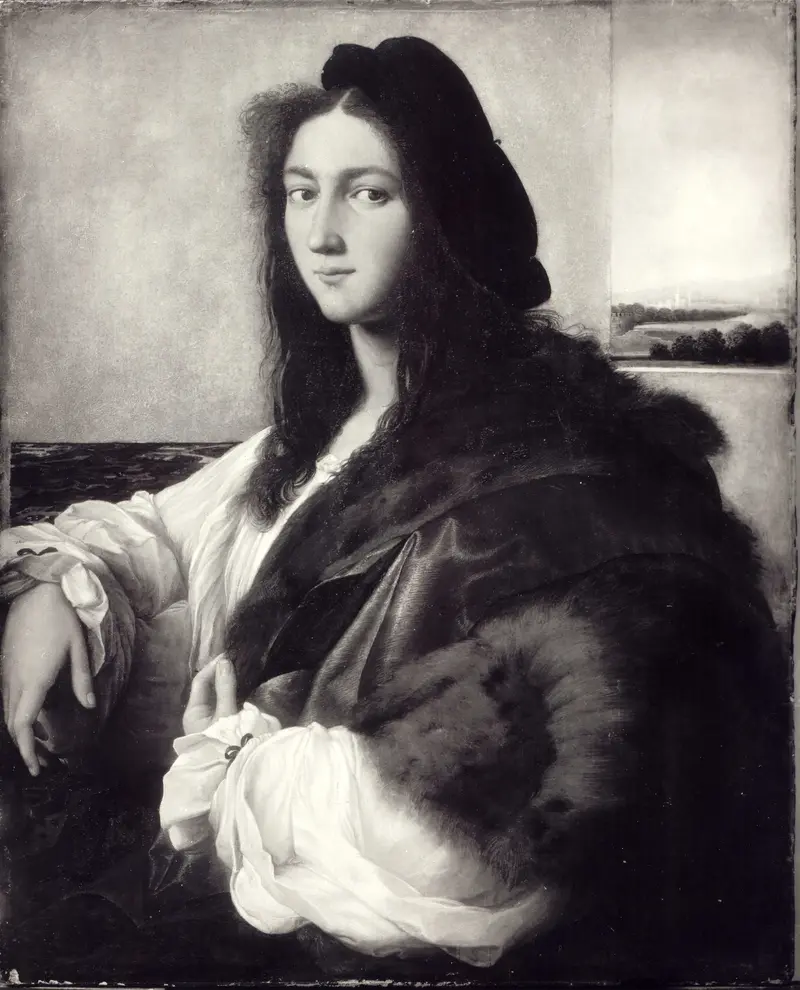
Portrait of a Young Man
Raphael
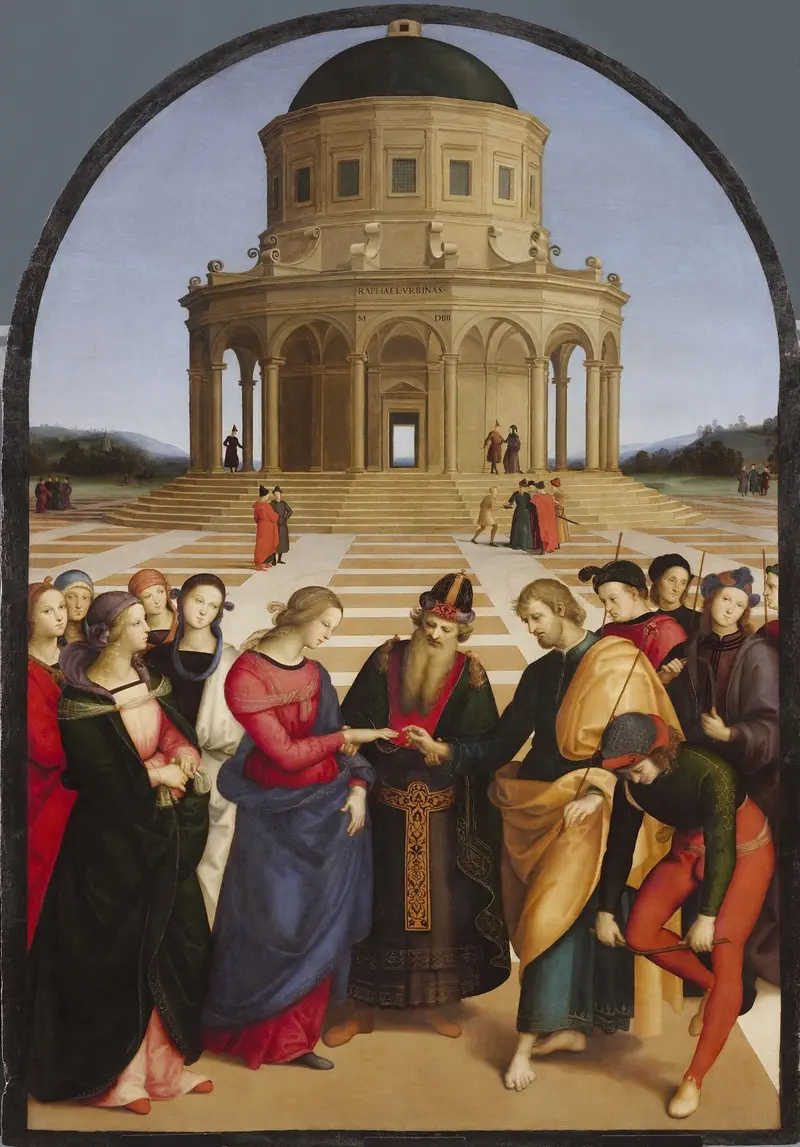
The Marriage of the Virgin
Raphael
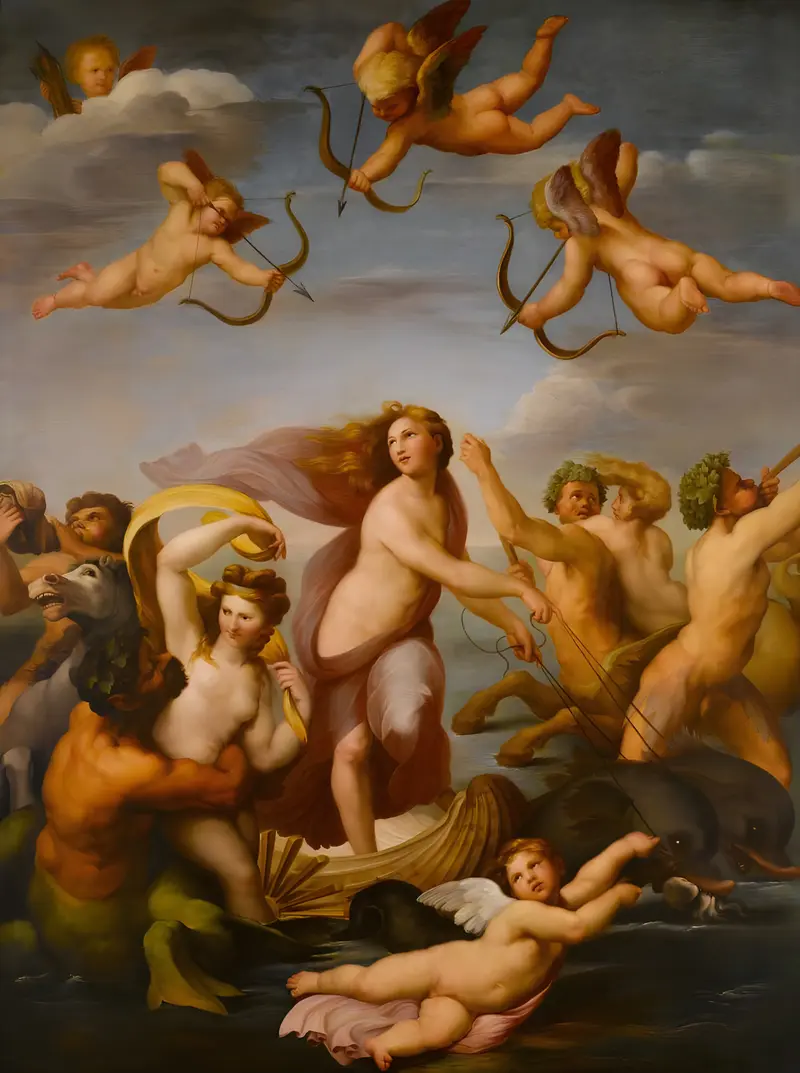
The Triumph of Galatea (copy after Raphael)
Raphael
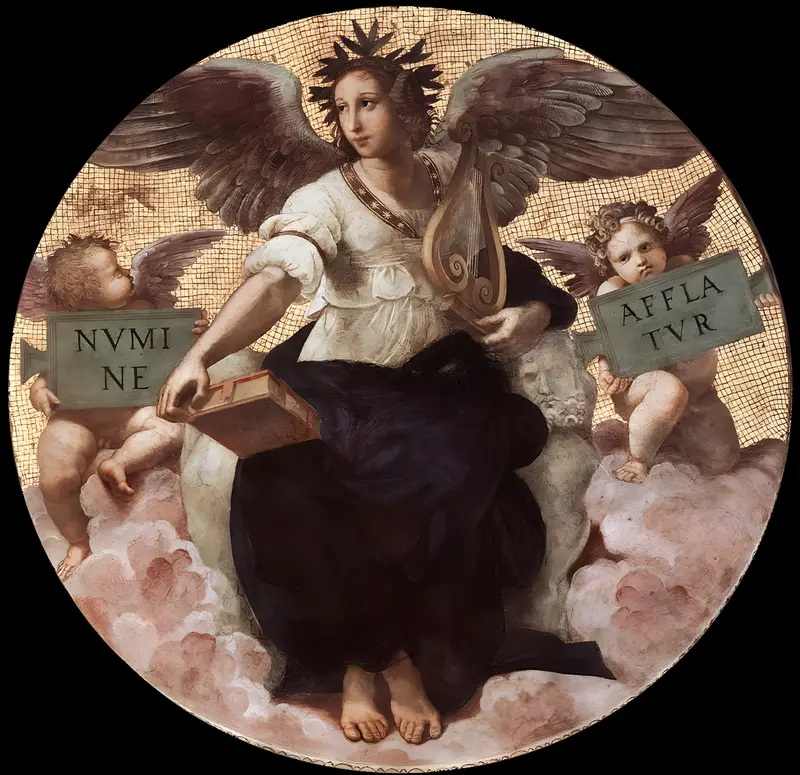
Poetry
Raphael
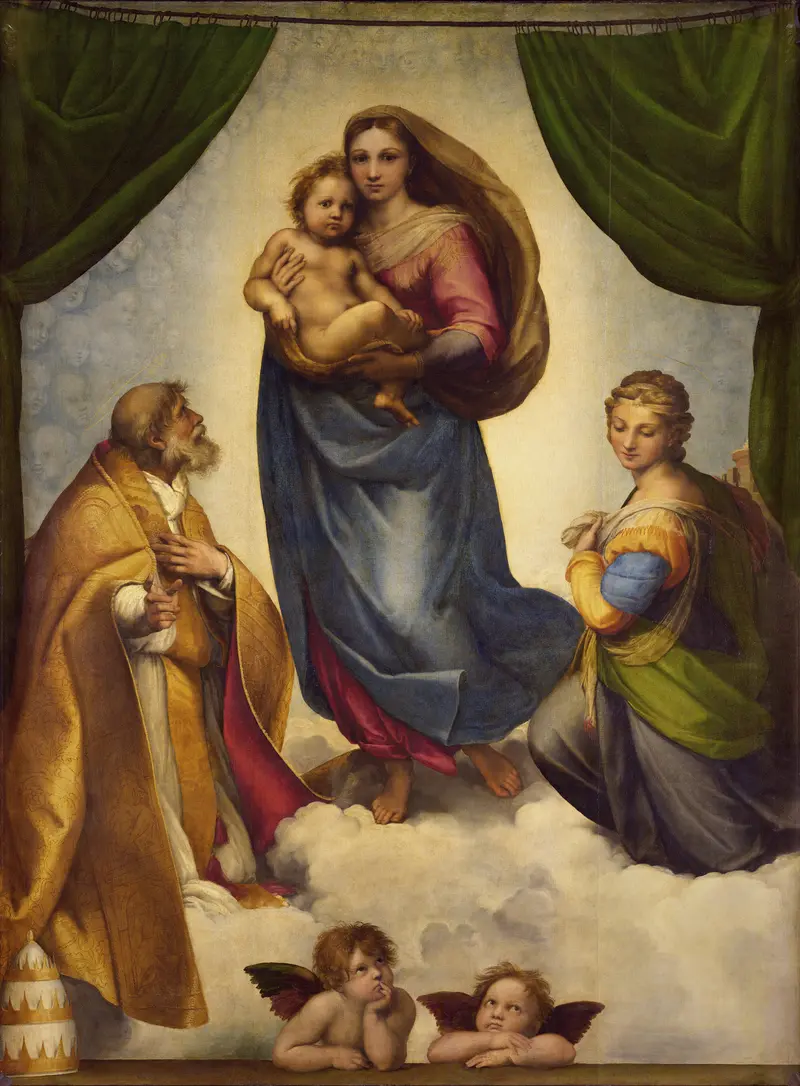
Sistine Madonna
Raphael
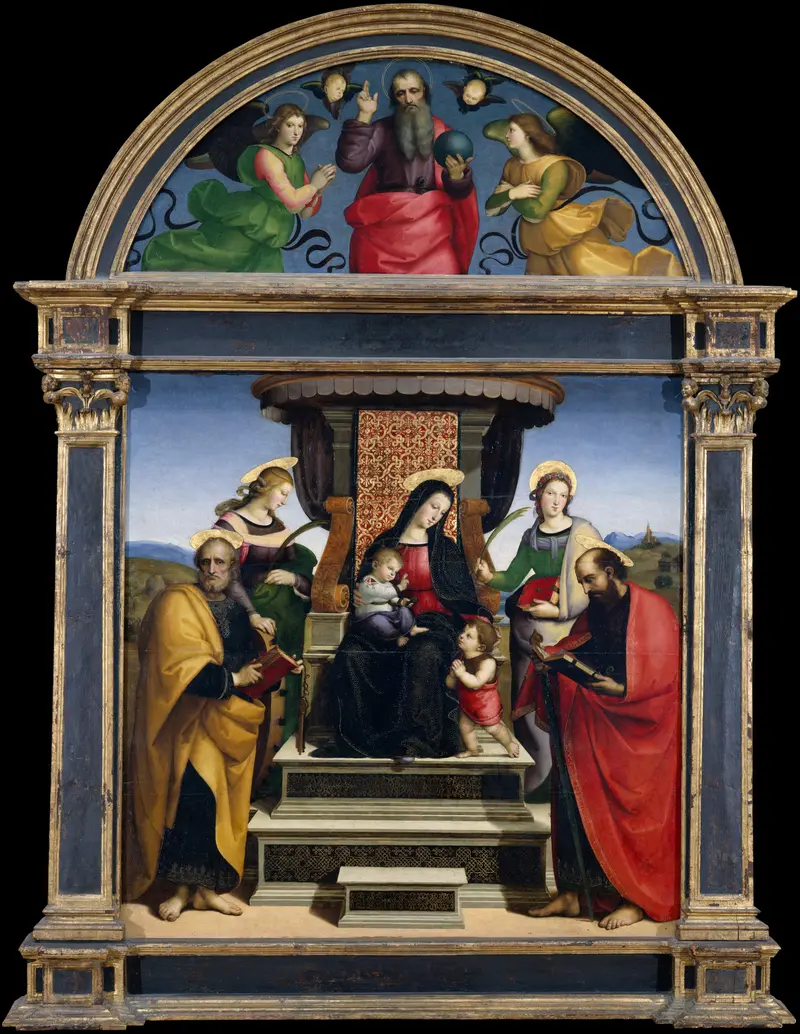
Madonna and Child Enthroned with Saints
Raphael




