
Self-portrait — History & Facts
No one can say for certain whether the young man who gazes out from Self-portrait is truly Raphael himself, or a subtle fiction. Painted around 1505, this image has fueled centuries of debate: is it a direct likeness, or an idealized vision of the artist as he wished to be seen? The uncertainty is compounded by the fact that the painting’s original medium is unknown—panel or canvas, oil or tempera. What is clear is that this is one of the earliest surviving images of Raphael, and perhaps the only one made by his own hand during his lifetime. The sitter appears in three-quarter view, turned gently toward the viewer, his dark eyes meeting ours with a quiet, searching intelligence.
The black cap and simple attire suggest modesty, but the careful modeling of the face and the soft, atmospheric light reveal the artist’s ambition to rival the naturalism of Leonardo da Vinci. Unlike Leonardo’s enigmatic Portrait of a Musician, where the sitter’s identity and thoughts are hidden, here the focus is on the clarity and openness of the gaze. The restrained background throws the face into relief, making the psychological presence of the sitter—the artist himself—impossible to ignore. The early history of Self-portrait is shrouded in uncertainty, as is often the case with works from the first decade of Raphael’s career.
No record survives of a patron or commission, and the painting’s whereabouts before the 19th century remain unclear. Today, it is housed in the Uffizi Gallery in Florence, where it is often compared to the gallery’s other celebrated self-portraits. For art historians, this painting marks a turning point: it shows the young Raphael at the threshold of his Roman period, already absorbing the lessons of the Florentine masters, and announcing his arrival as a painter of rare sensitivity and self-awareness.
More Artworks by Raphael

Madonna of the Goldfinch
Raphael

Madonna with the Fish
Raphael
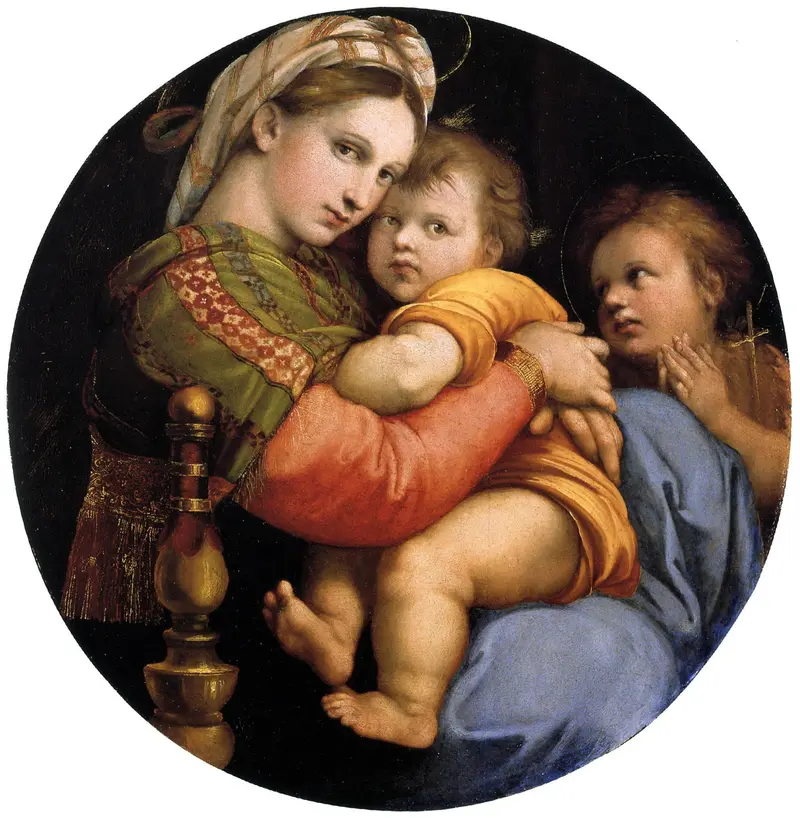
Madonna and Child (Madonna della Seggiola)
Raphael
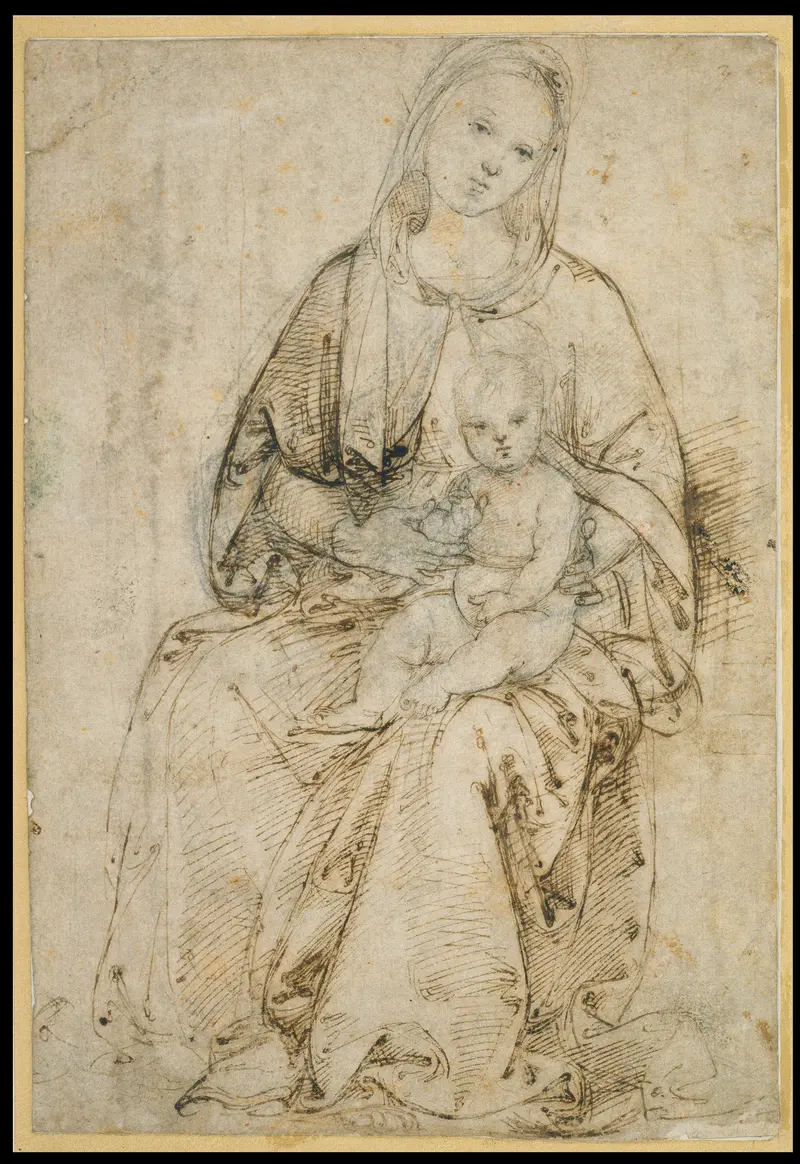
Seated Madonna and Child
Raphael
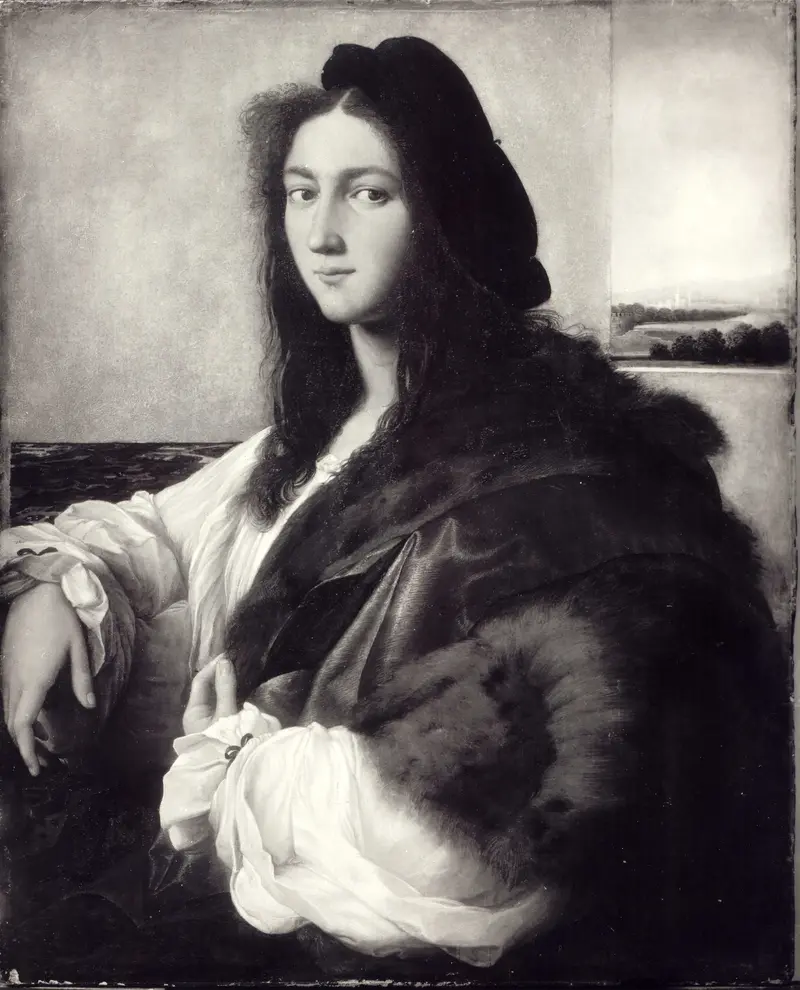
Portrait of a Young Man
Raphael
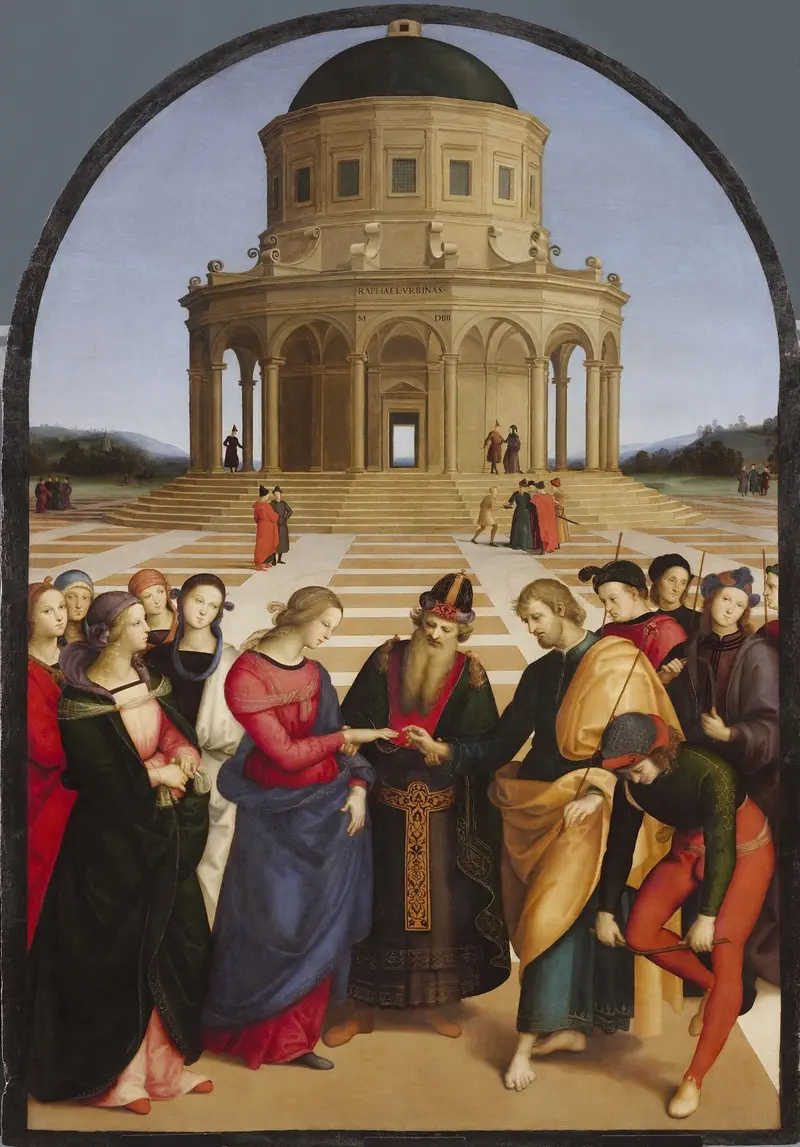
The Marriage of the Virgin
Raphael
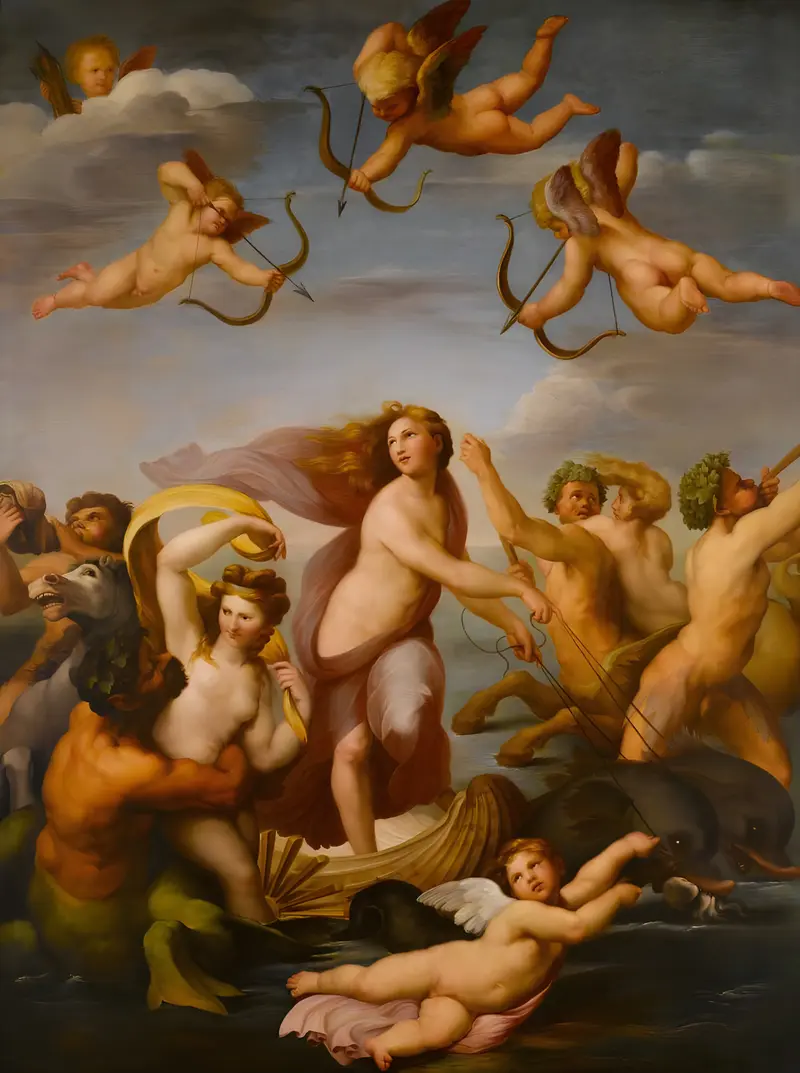
The Triumph of Galatea (copy after Raphael)
Raphael
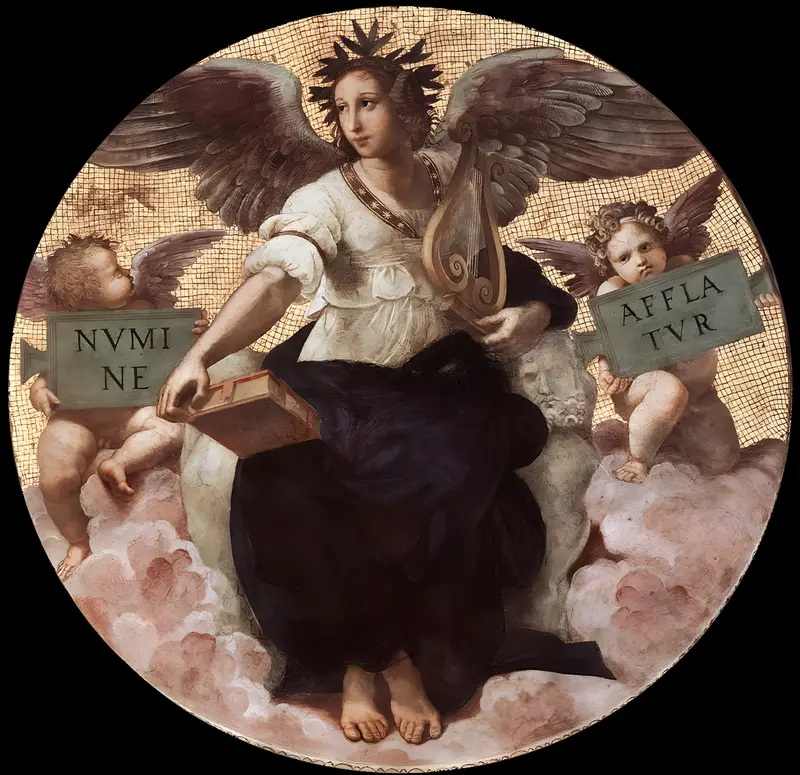
Poetry
Raphael
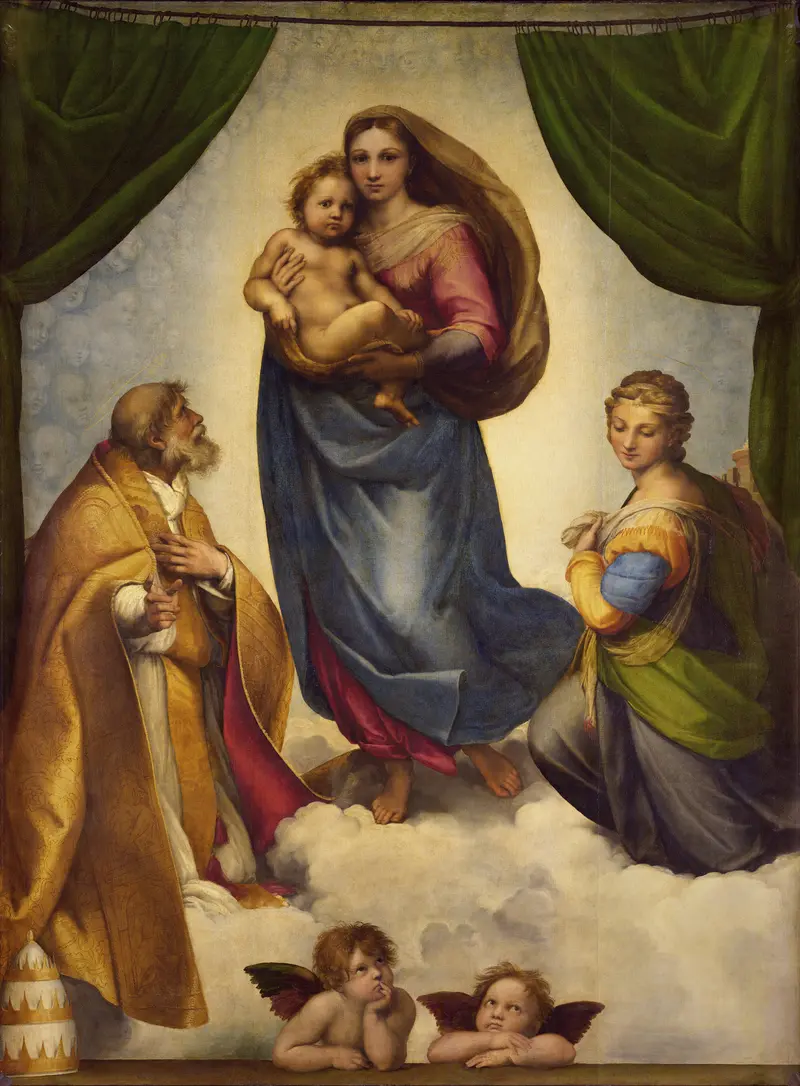
Sistine Madonna
Raphael
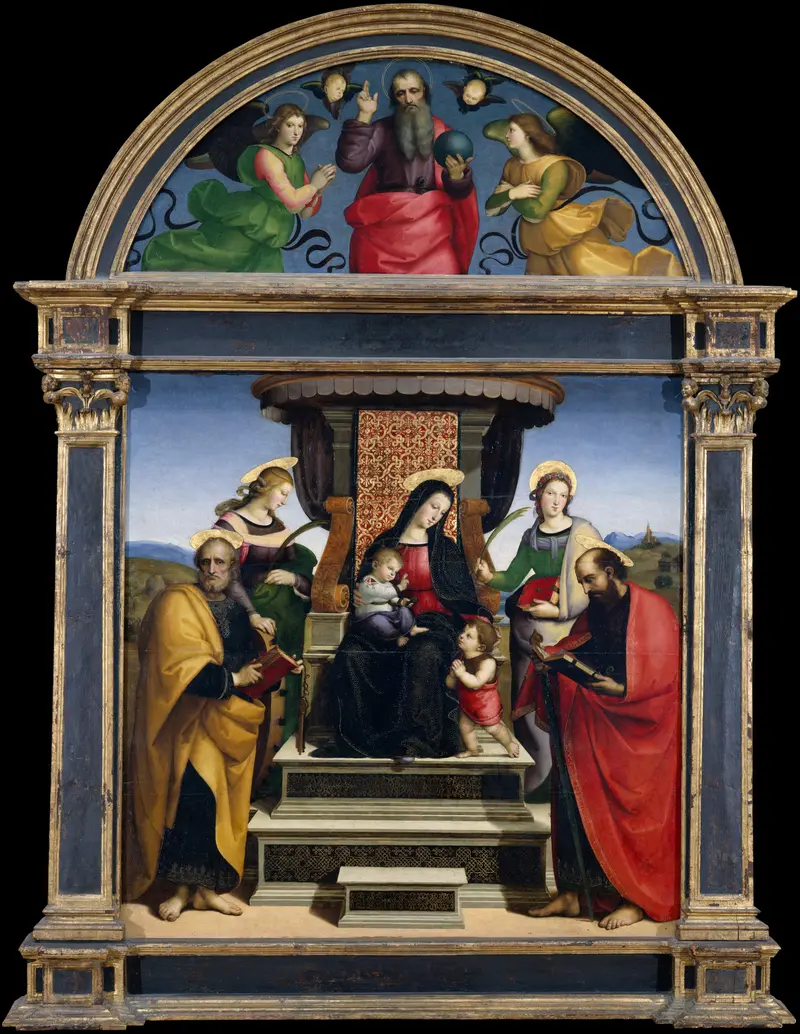
Madonna and Child Enthroned with Saints
Raphael





