
Sine Baccho Et Cenere Friget Venus — History & Facts
The Latin motto Sine Baccho Et Cenere Friget Venus — “Without Bacchus and Ceres, Venus grows cold” — was a favorite theme among Dutch and Flemish artists, but it is in Abraham Bloemaert’s hands that it finds one of its most spirited interpretations. The phrase, drawn from Terence, was a popular proverb in the seventeenth century, warning that love (Venus) cannot flourish without wine (Bacchus) and food (Ceres). This painting, whose precise date and commission remain uncertain, stands out for its lively composition and the way it weaves moral advice into a sensuous tableau.
The subject was so appealing that artists from Peter Paul Rubens to Jacob Jordaens returned to it, but Bloemaert’s version is among the most theatrically staged. At the heart of the scene, Venus reclines, her body illuminated by a warm, golden light, while Bacchus and Ceres flank her, offering wine and bread. The figures are rendered with the robust, muscular forms typical of Bloemaert, their gestures animated as if caught mid-conversation. The grape-laden Bacchus raises a cup, inviting the viewer to join the revelry, while Ceres, crowned with wheat, presents her bounty.
The composition is crowded yet harmonious, each figure and object — from the vine leaves to the scattered fruit — symbolizing abundance and pleasure. Unlike Rubens, who often set the trio in lush, mythic landscapes, Bloemaert draws the figures close, emphasizing their interdependence and the moral lesson: love, without sustenance and joy, withers. The painting’s early history is obscure, as is often the case with works from the Utrecht school, but it likely circulated among collectors who favored allegorical and mythological subjects. Bloemaert was a prolific and influential figure in Dutch art, known for training a generation of painters, including Gerrit van Honthorst and Hendrick Terbrugghen.
The popularity of this theme in his circle speaks to the era’s fascination with the pleasures and pitfalls of earthly life. Today, Sine Baccho Et Cenere Friget Venus is recognized as a fine example of Bloemaert’s mature style, blending Northern realism with Italianate grace, though its exact whereabouts and medium remain matters for ongoing research.
More Artworks by Abraham Bloemaert

Adam and Eve
Abraham Bloemaert
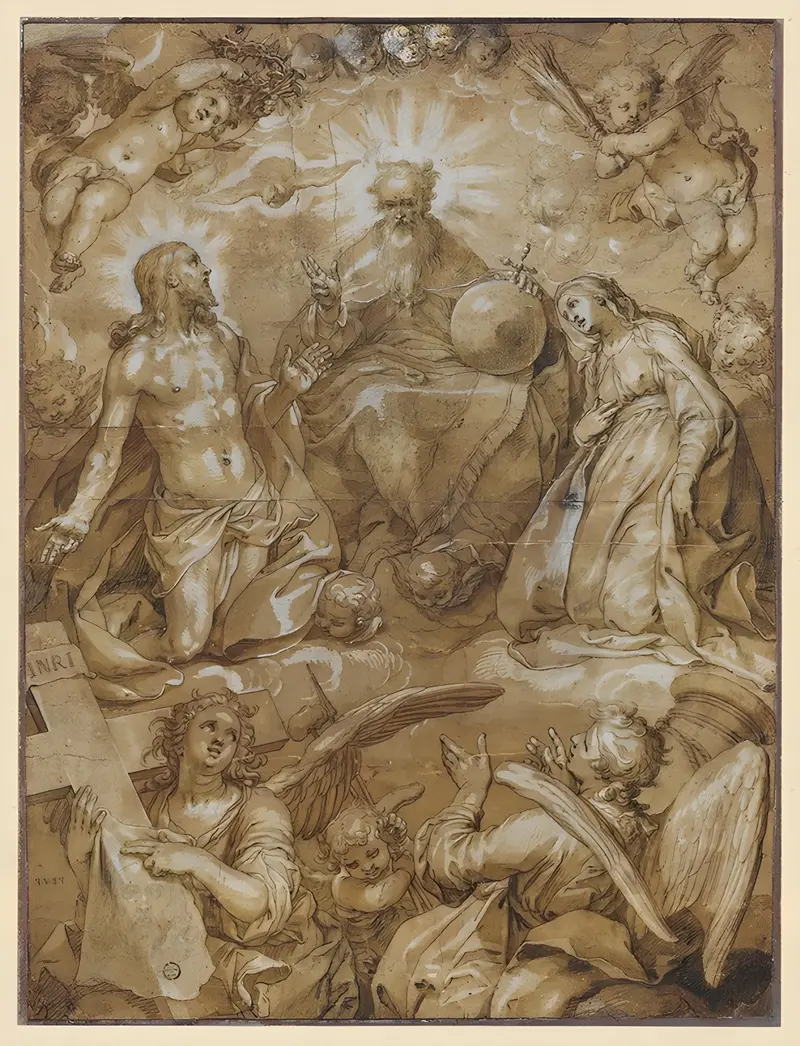
Intercession of Christ and Mary before God the Father
Abraham Bloemaert
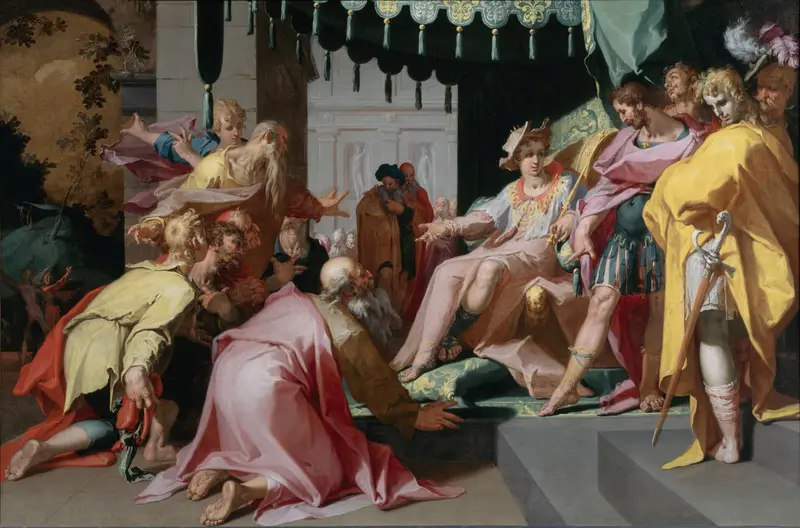
Joseph and his Brothers
Abraham Bloemaert
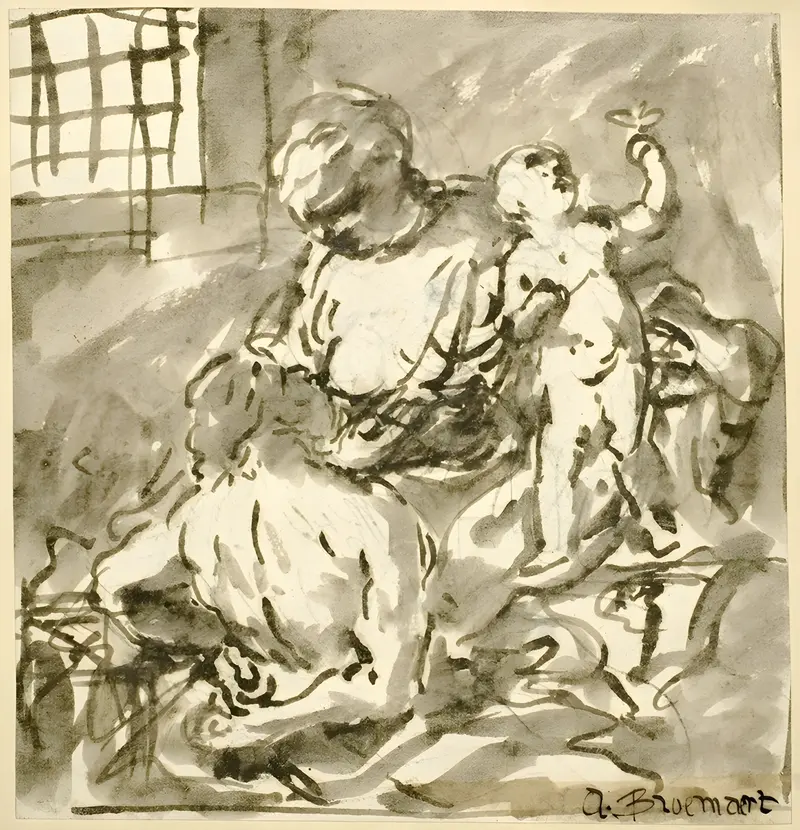
Caritas Romana
Abraham Bloemaert
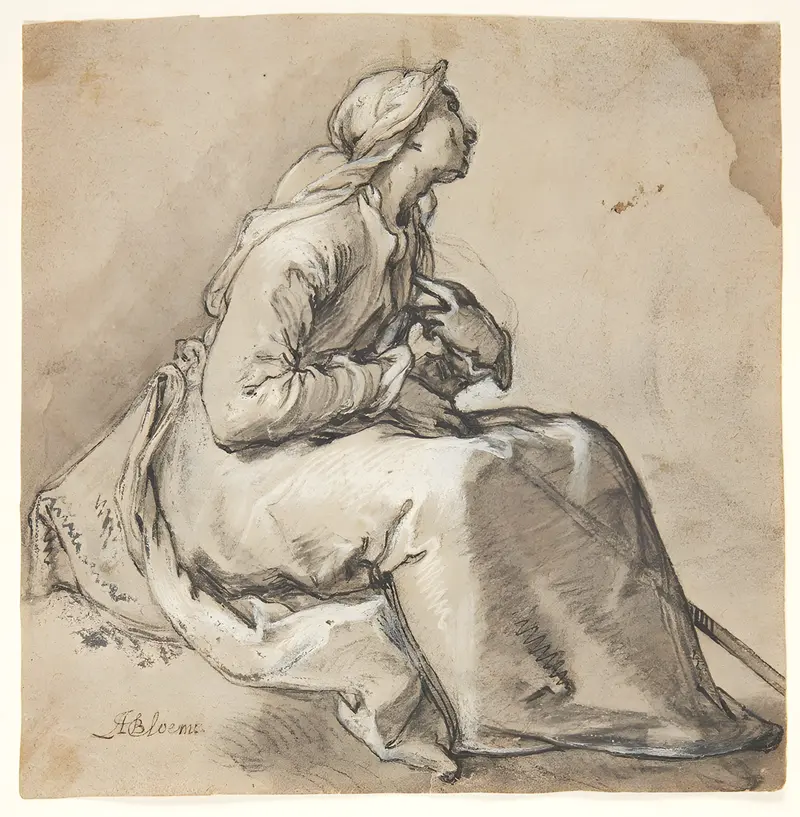
A seated woman facing right
Abraham Bloemaert
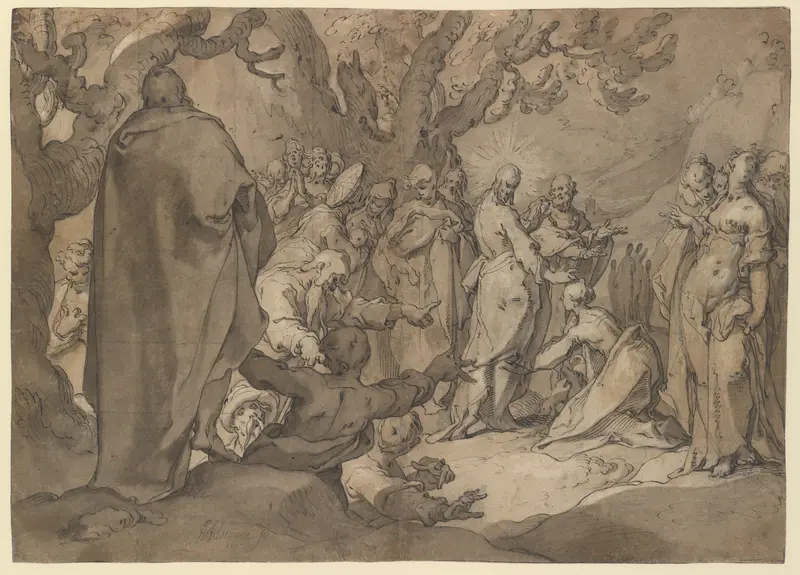
Christ and the Canaanite Women
Abraham Bloemaert
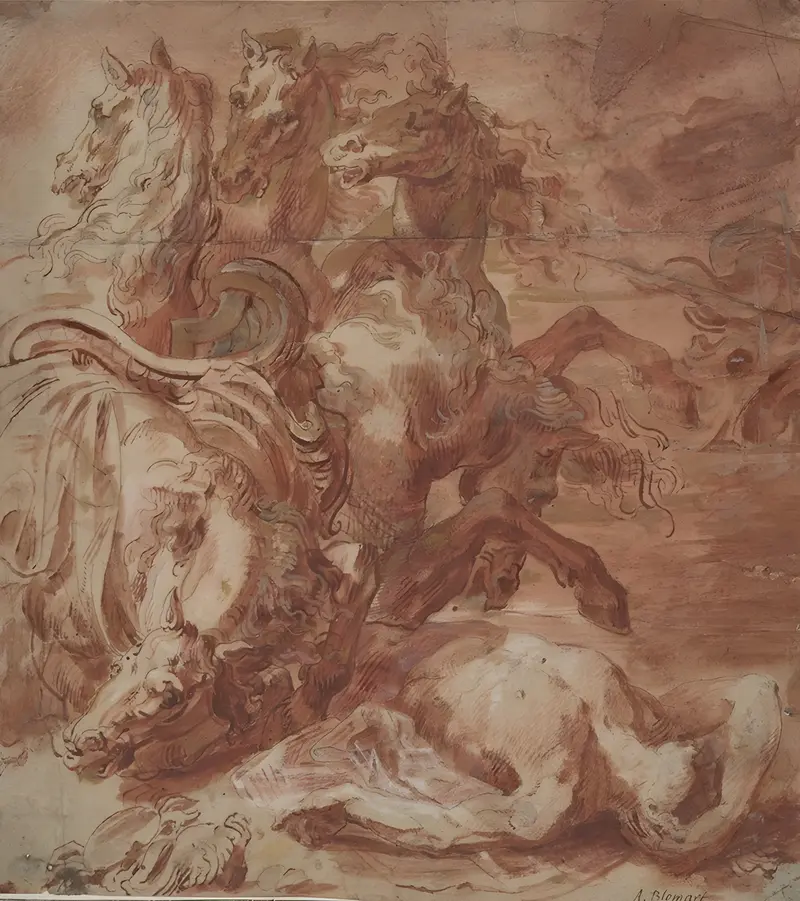
Hippolytus
Abraham Bloemaert
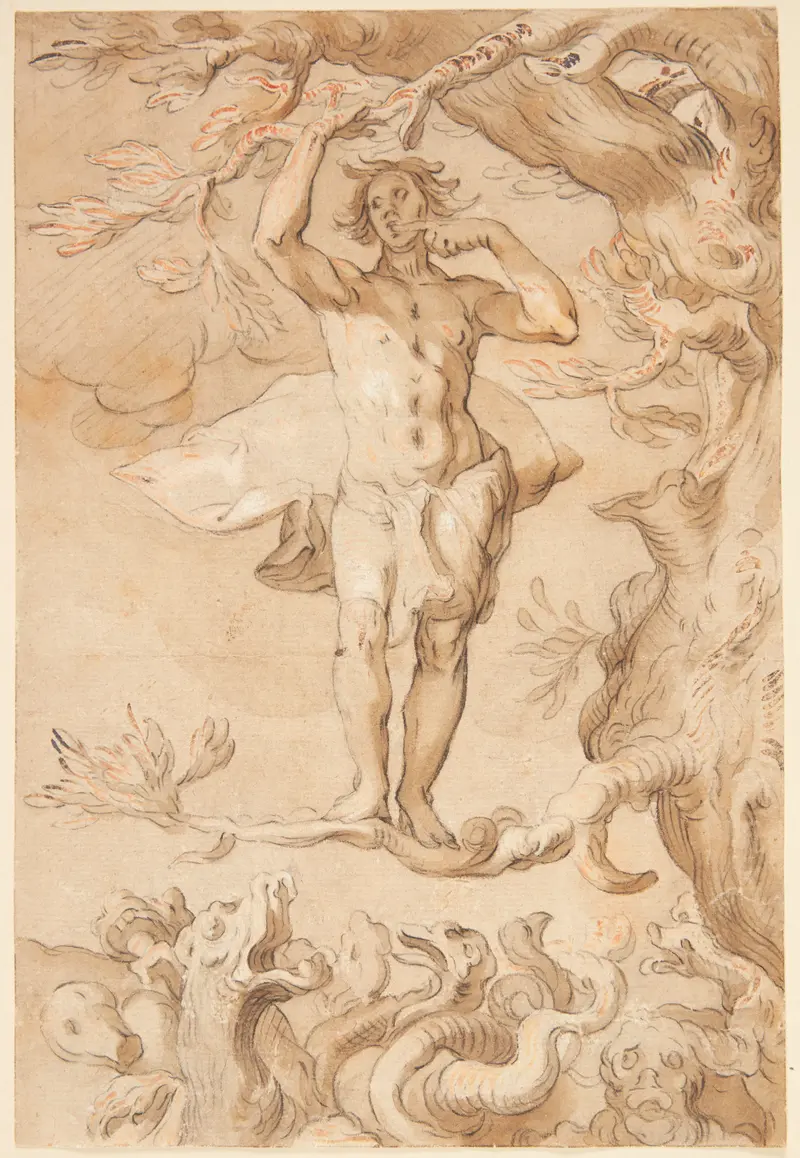
Den menneskelige glædes skrøbelighed En mand, der jages af en drage, klynger sig til en gren, mens han slikker honning af sin finger
Abraham Bloemaert

Moses Striking the Rock
Abraham Bloemaert
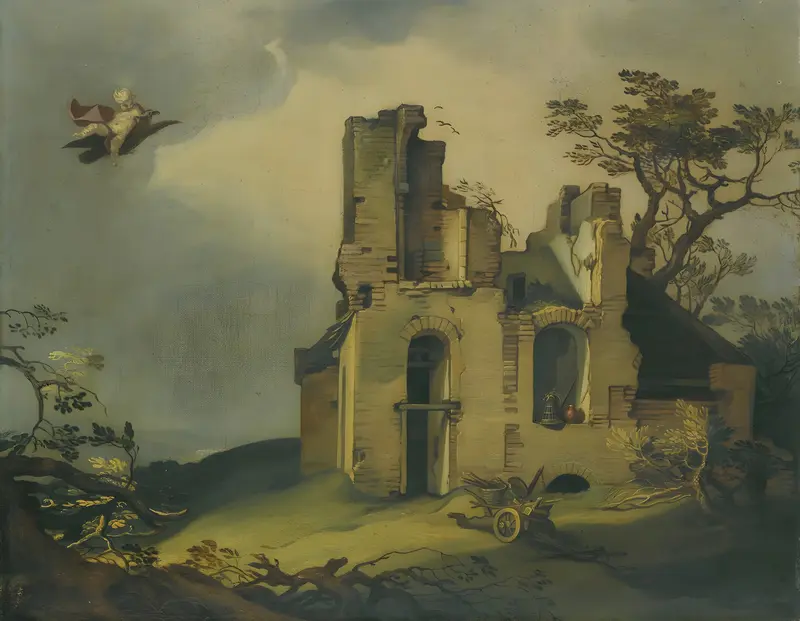
A Landscape With Ruins, With The Rape Of Ganymede
Abraham Bloemaert





