
Skinning A Hippopotamus — History & Facts
What first catches the eye is the sheer physicality of the scene: a massive, pale form sprawled across the foreground, its bulk dominating the canvas, while figures in earthy reds and browns bend intently over their task. The brushwork is swift, almost urgent, with broad strokes that leave much suggested rather than defined. The water behind glimmers with quick reflections, and the far bank is little more than a sweep of green, but all attention is drawn to the interplay between flesh, fabric, and the laboring hands.
The palette is raw—flesh tones bruised with green and violet, punctuated by the vivid orange of garments—setting a mood that is both matter-of-fact and strangely luminous. Every mark seems to weigh the gravity of the moment, where life and death are measured by the river’s edge. Painted in 1909–1910, this work belongs to a period when European artists were increasingly fascinated by scenes of travel, encounter, and the realities of colonial frontiers. Akseli Gallen-Kallela, best known for his mythic Finnish subjects, here turns his eye outward, capturing a scene that speaks to the era’s hunger for the exotic and the documentary.
Such images might have been commissioned as records of exploration or as studies for larger compositions, their roughness a sign of immediacy rather than incompleteness. Today, housed in The Gallen-Kallela Museum, Skinning A Hippopotamus stands as a vivid fragment of that restless, searching moment in art, inviting us to look closer at what is revealed—and what remains unresolved—in the sweep of paint.
More Artworks by Akseli Gallen-Kallela
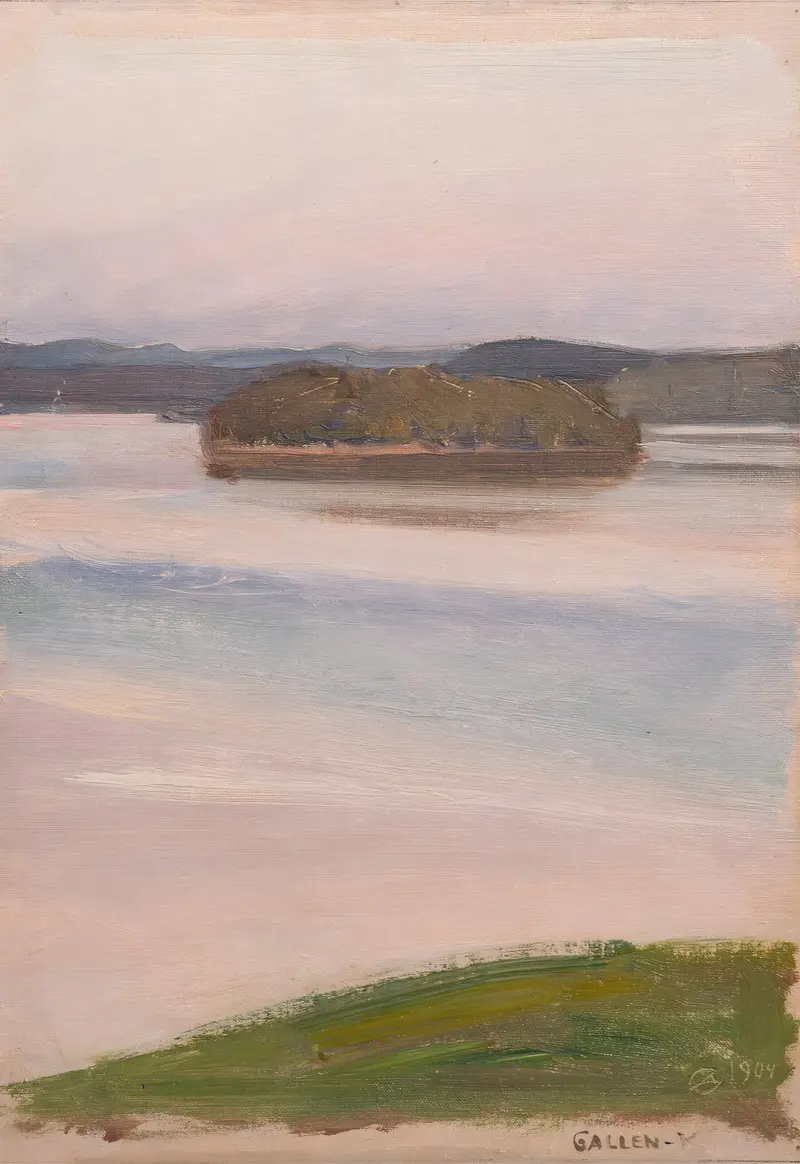
Lake Keitele
Akseli Gallen-Kallela
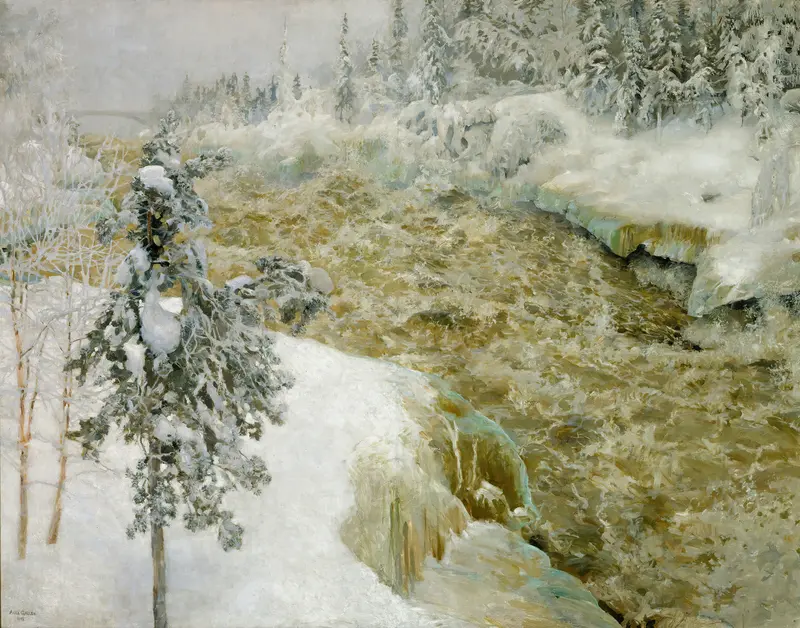
Imatra Falls in Snow ; Imatra in Winter
Akseli Gallen-Kallela
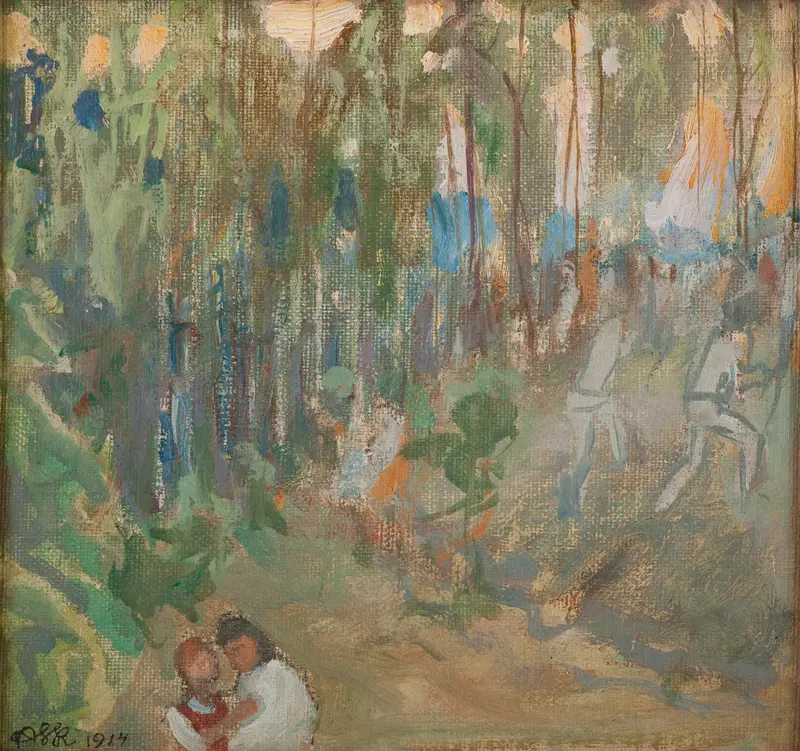
Vainovalkeat
Akseli Gallen-Kallela
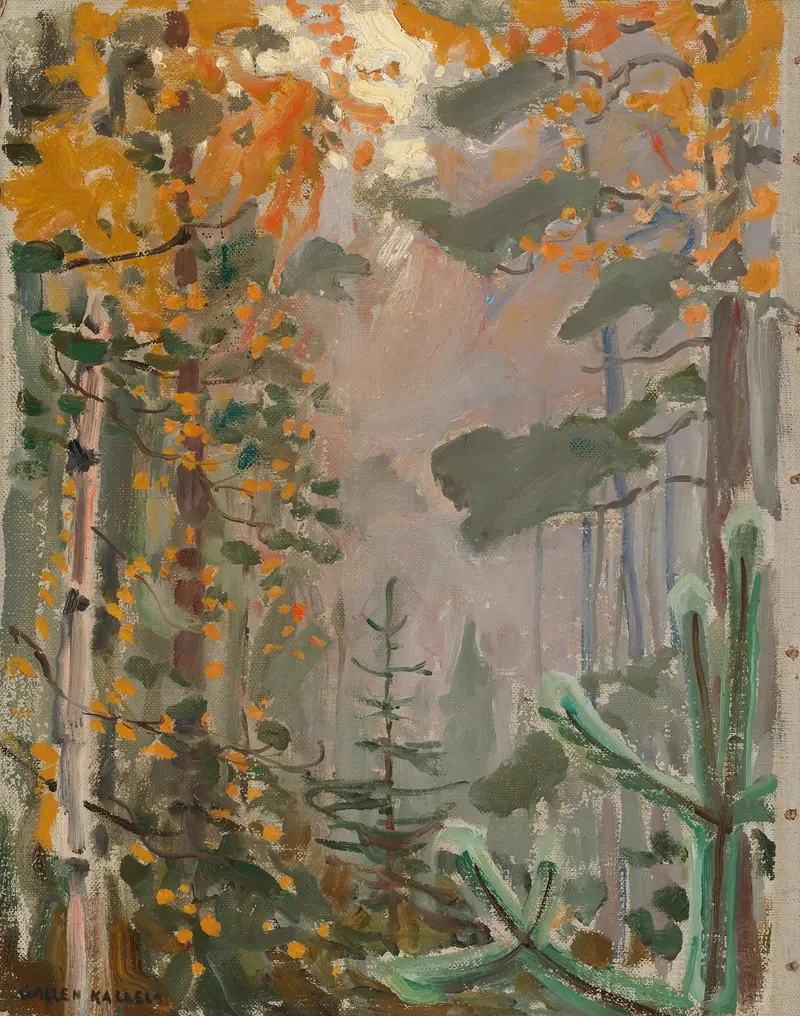
Autumn Landscape
Akseli Gallen-Kallela
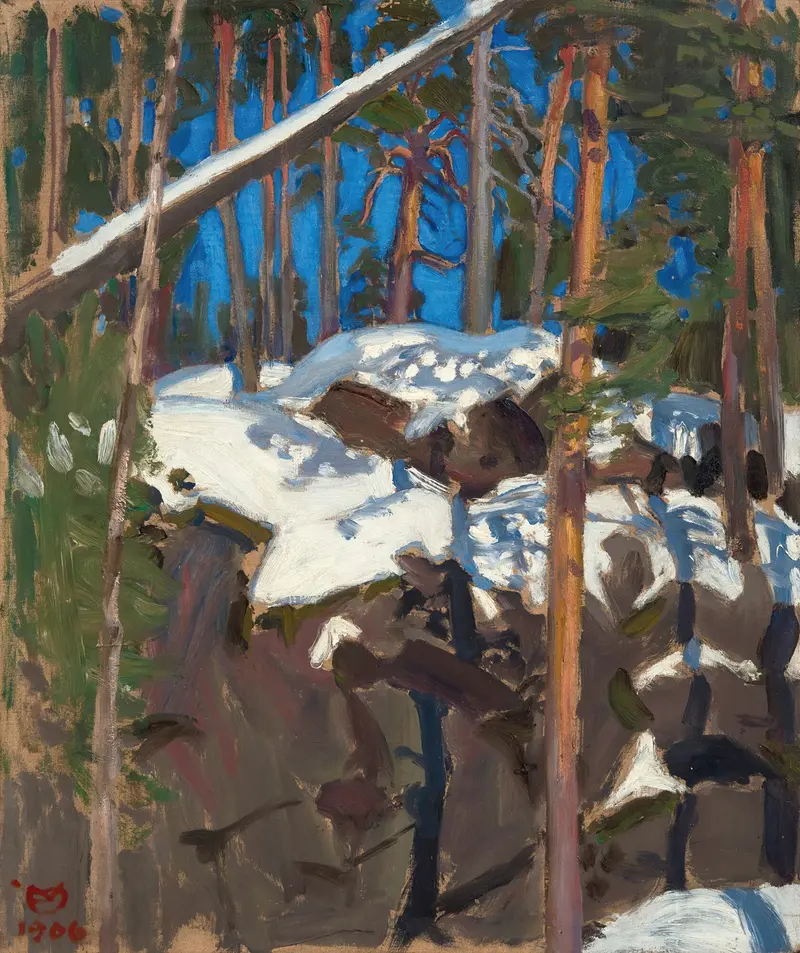
Spring Sun At Konginkangas
Akseli Gallen-Kallela
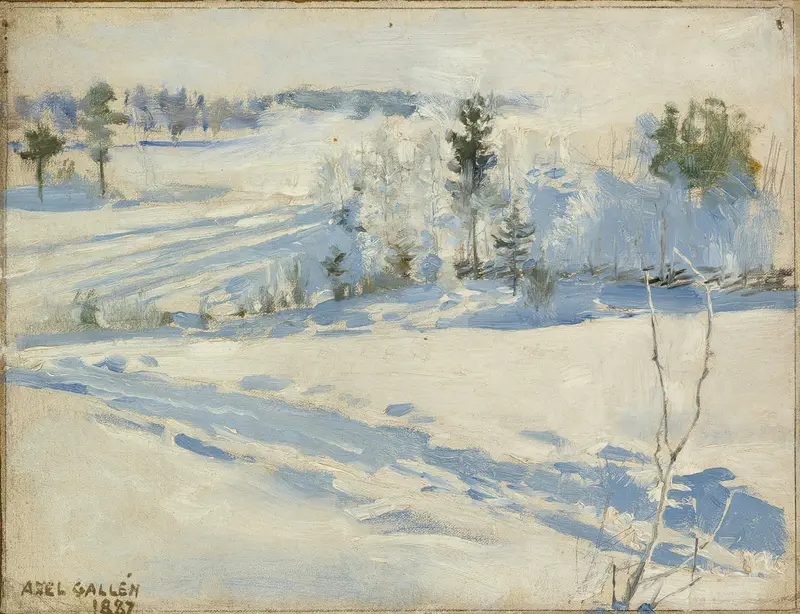
Winter Landscape
Akseli Gallen-Kallela

First Snow
Akseli Gallen-Kallela
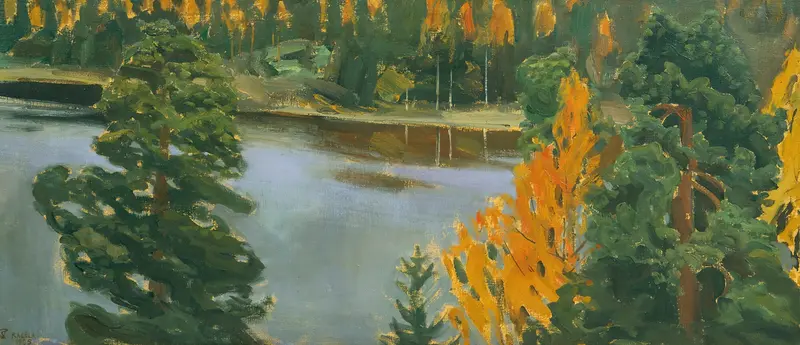
Lake View In Autumn
Akseli Gallen-Kallela
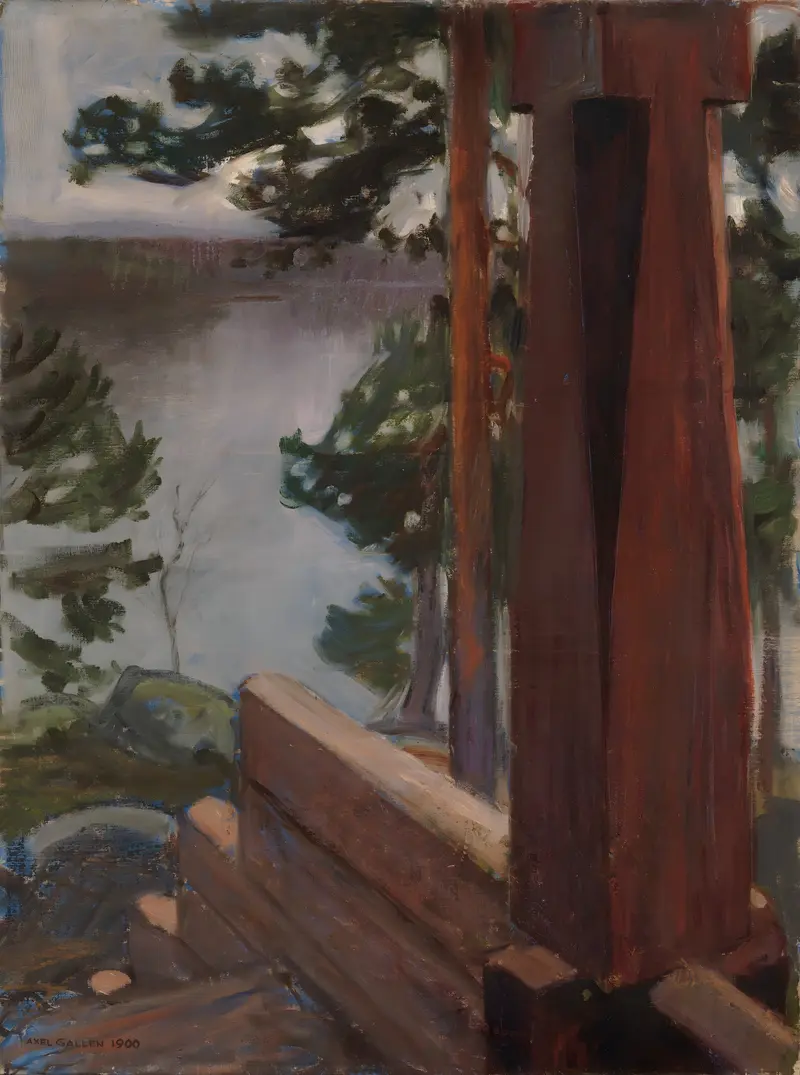
The Kalela Porch
Akseli Gallen-Kallela

Light Behind The Clouds
Akseli Gallen-Kallela
More Genre Scene Art

Banquet of the Officers of the St George Civic Guard
Frans Hals

Rembrandt and Saskia in the Scene of the Prodigal Son
Rembrandt van Rijn

Bal du moulin de la Galette
Pierre-Auguste Renoir

Quadrille at the Moulin Rouge
Henri de Toulouse-Lautrec

A Burial at Ornans
Gustave Courbet

When Will You Marry?
Paul Gauguin