
Square portrait of Pieter Jacobsz Olycan — History & Facts
When Frans Hals painted Square portrait of Pieter Jacobsz Olycan in 1639, he was capturing not just a leading citizen of Haarlem, but also a key figure in the city’s brewing industry and civic life. Olycan was a wealthy brewer and served as mayor multiple times, and his likeness was sought after by several artists of the Dutch Golden Age. The portrait’s square format is unusual for the period, suggesting it may have been intended as a pendant to a matching portrait—possibly of Olycan’s wife, Maritge Claesdr Voogt, whose own portrait by Hals survives. Olycan sits turned slightly to one side, his gaze direct and confident, lips parted as if about to speak.
His attire is sober but rich: a dark jacket with a broad, white lace collar and cuffs, the textures rendered with Hals’s famously lively brushwork. The light falls across his face, emphasizing the ruddy complexion and alert eyes of a man accustomed to command. Unlike the more formal, static portraits of Rembrandt, Hals captures a fleeting moment—Olycan’s gesture, hand resting on the arm of his chair, conveys both authority and approachability.
The painter’s loose technique animates the sitter, making him seem as present as a living acquaintance. The provenance of Square portrait of Pieter Jacobsz Olycan is not fully documented, but it likely remained in the Olycan family or their descendants for generations, as was common with such commissioned works. Today, it is recognized as a prime example of Hals’s mature portrait style, which influenced not only his contemporaries but also later artists who admired his spontaneity and realism. The painting’s current location is in the collection of the Museo del Prado, where it hangs among other treasures of the Dutch Golden Age, testament to the enduring fascination with Haarlem’s prosperous citizens and the artists who immortalized them.
More Artworks by Frans Hals

Banquet of the Officers of the St George Civic Guard
Frans Hals

Portrait of Jacob Pietersz Olycan (1596-1638)
Frans Hals
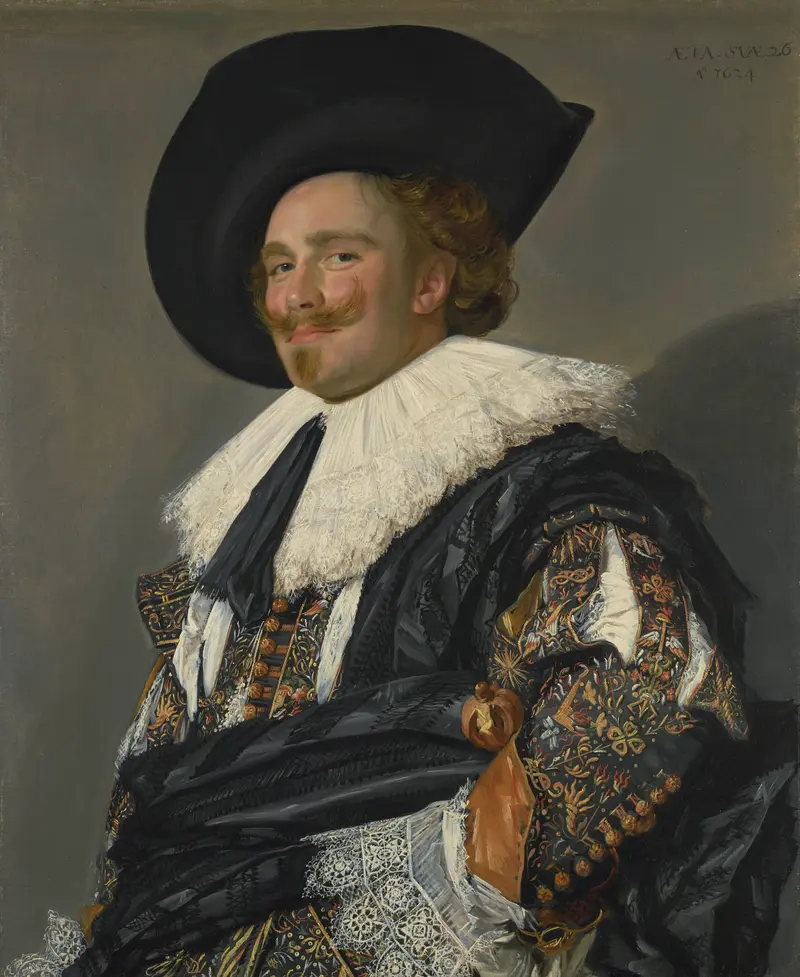
Laughing Cavalier
Frans Hals

Militia Company of District XI under the Command of Captain Reynier Reael, Known as ‘The Meagre Company’
Frans Hals
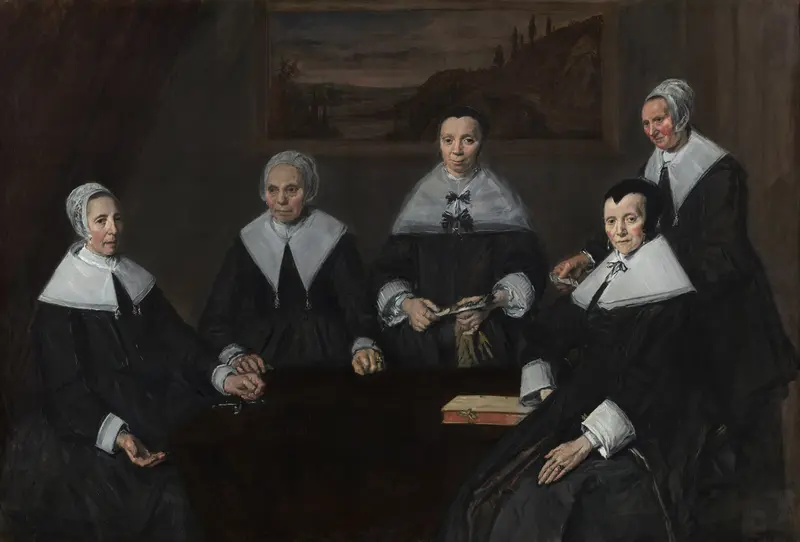
Regentesses of the Old Men's Alms House
Frans Hals
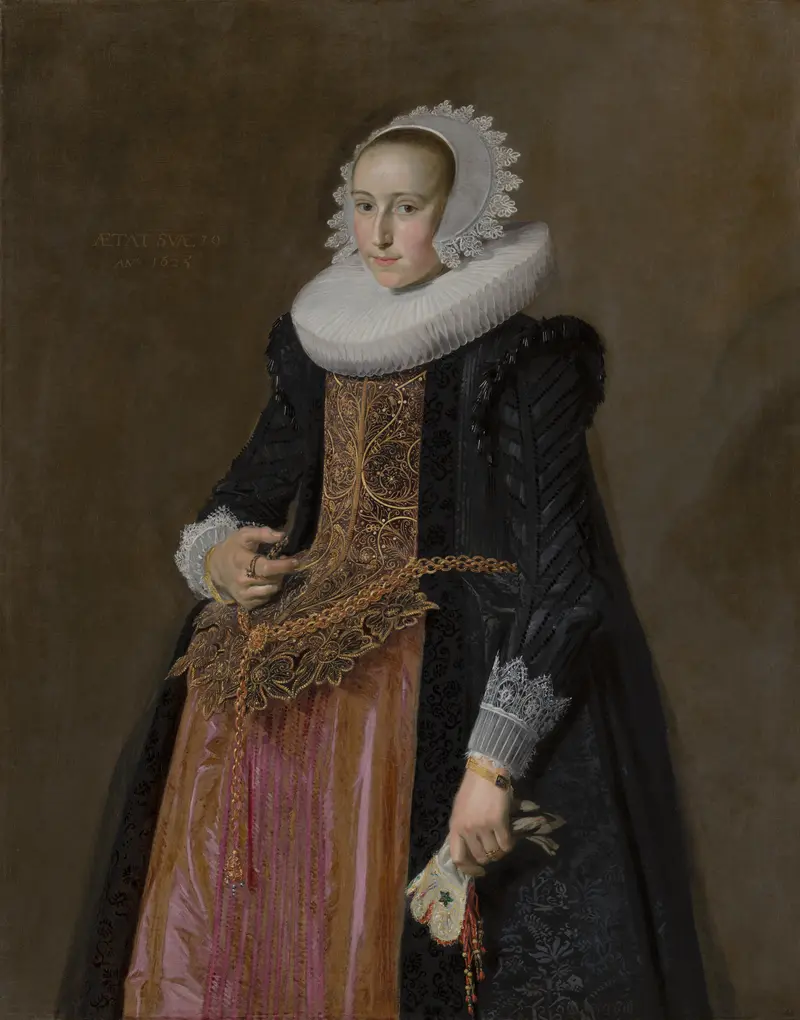
Portrait of Aletta Hanemans (1606–1653)
Frans Hals
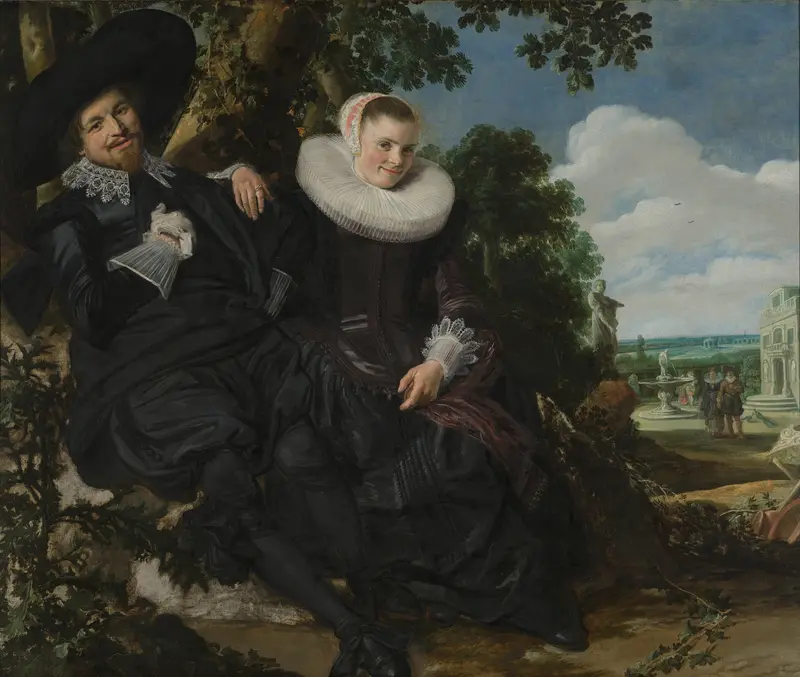
Portrait of a Married Couple, Likely Isaac Abrahamsz Massa and Beatrix van der Laen
Frans Hals
The Merry Drinker
Frans Hals
Portrait of Paulus Verschuur
Frans Hals
Portrait of Pieter van den Broecke
Frans Hals





