
St. Ildefonso Receiving the Chasuble from the Virgin — History & Facts
In 1623, the young Diego Velázquez received his first royal commission in Madrid, a turning point that would shape his entire career. That year, he painted St. Ildefonso Receiving the Chasuble from the Virgin, a subject chosen to honor the city’s patron saint and to impress the powerful court of Philip IV.
The choice was not accidental: the legend of St. Ildefonso, a 7th-century bishop of Toledo, had special resonance in Spain, where Marian devotion ran deep. This painting marked Velázquez’s debut before the king and court, launching him toward his eventual role as court painter. At the heart of the canvas stands St.
Ildefonso, kneeling in awe as the Virgin Mary herself descends to present him with a shimmering chasuble—a miraculous garment said to have appeared on January 18, 665, as a reward for his defense of her perpetual virginity. Velázquez captures the moment of divine encounter: the bishop’s hands outstretched, his face lit with humility and wonder, while the Virgin, enveloped in soft, luminous drapery, gently lowers the vestment. The presence of angels and the delicate play of light on silk and gold emphasize the supernatural nature of the event.
Unlike El Greco’s earlier, more ecstatic versions of the same miracle, Velázquez’s approach is sober and direct, focusing on the humanity of saint and Virgin alike. The original commission for St. Ildefonso Receiving the Chasuble from the Virgin came from the Church of San Juan Bautista in Madrid, though the painting’s subsequent fate is unclear—no securely attributed version by Velázquez survives today, and its medium remains uncertain. Some scholars believe it may have been lost or destroyed, while others suggest it could be among the works attributed to his circle.
Despite its disappearance, the painting is pivotal in understanding Velázquez’s early style: it blends naturalism with reverence, setting the stage for his later innovations at the Spanish court. Today, the legend of St. Ildefonso and Velázquez’s lost interpretation continue to intrigue historians and admirers of the Spanish Baroque.
More Artworks by Diego Velázquez

Las Meninas
Diego Velázquez
The Triumph of Bacchus
Diego Velázquez
Rokeby Venus
Diego Velázquez
Equestrian Portrait of Prince Balthasar Charles
Diego Velázquez
Bacchus
Diego Velázquez
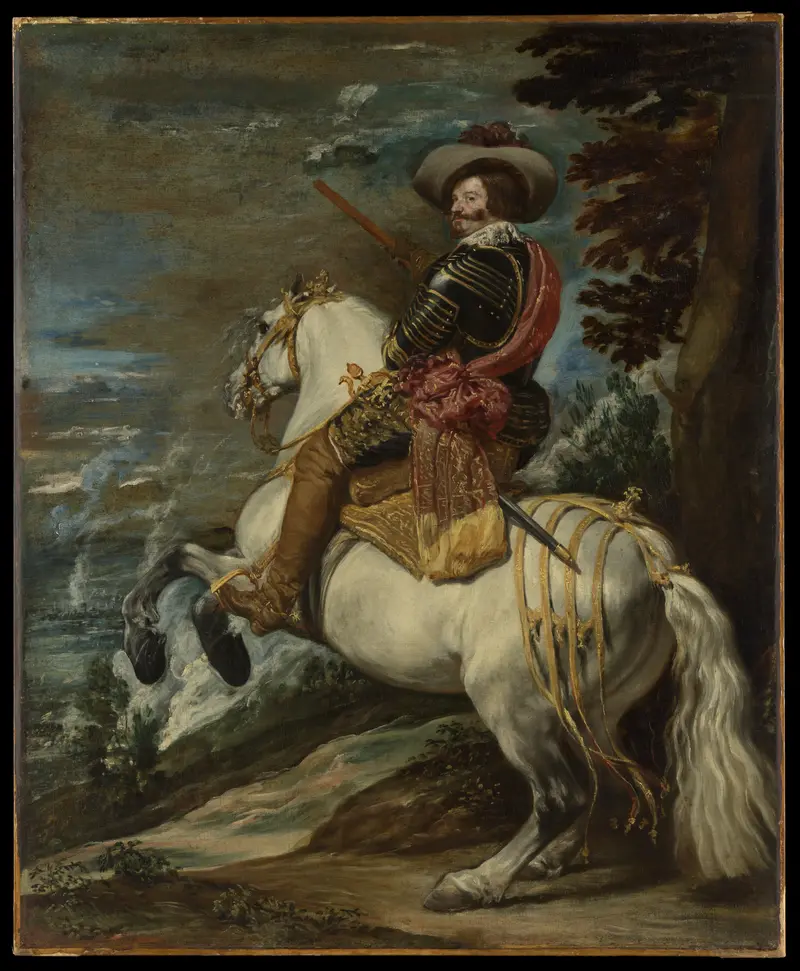
Don Gaspar de Guzmán (1587–1645), Count-Duke of Olivares
Diego Velázquez
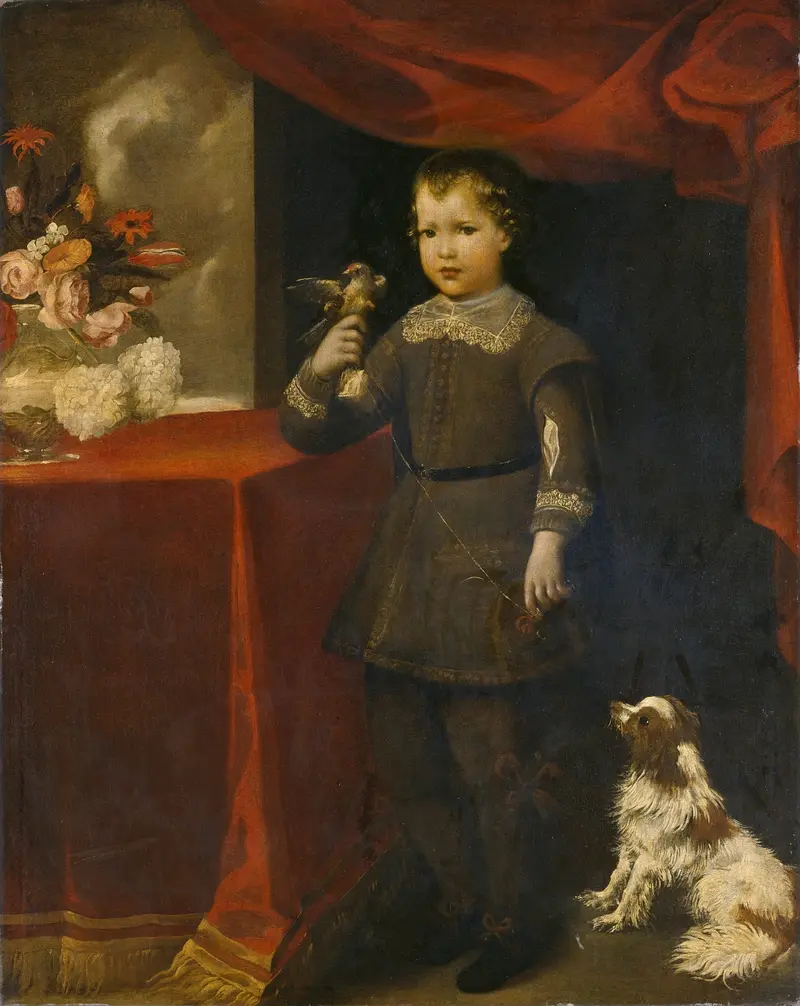
El príncipe Baltasar Carlos de Austria
Diego Velázquez
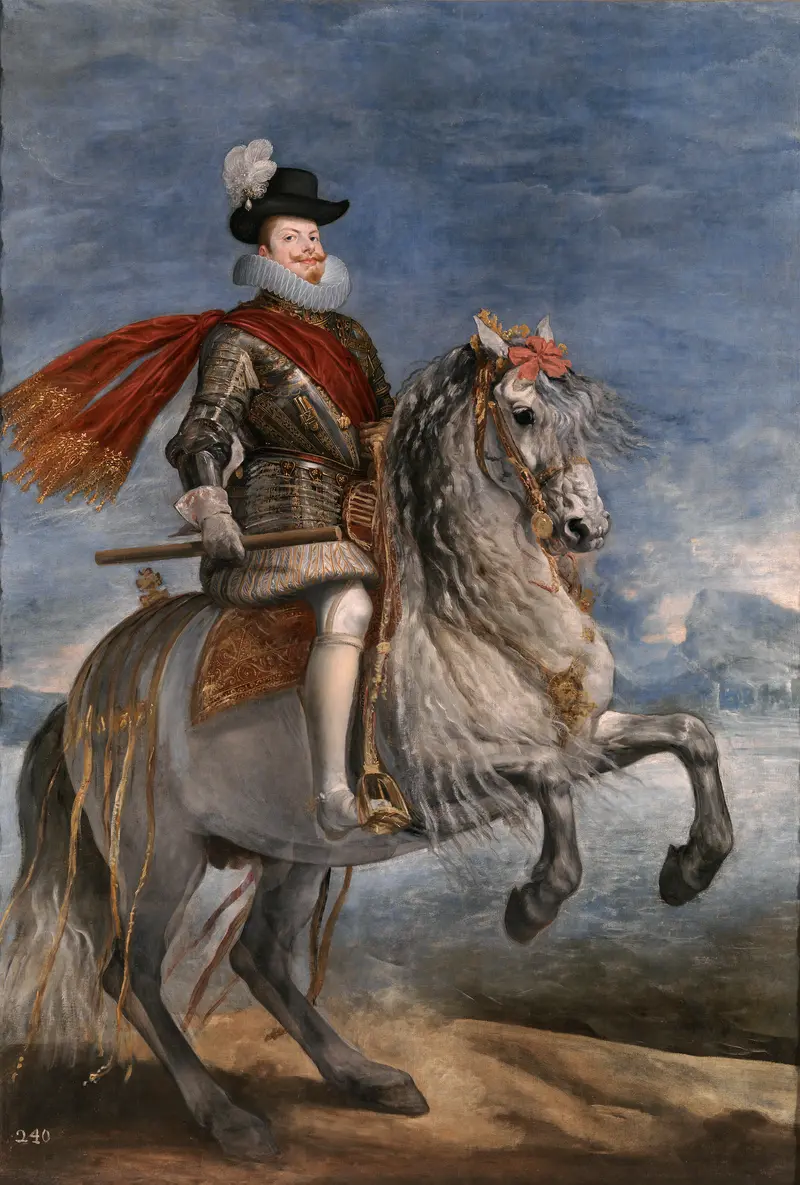
Equestrian Portrait of Philip III
Diego Velázquez
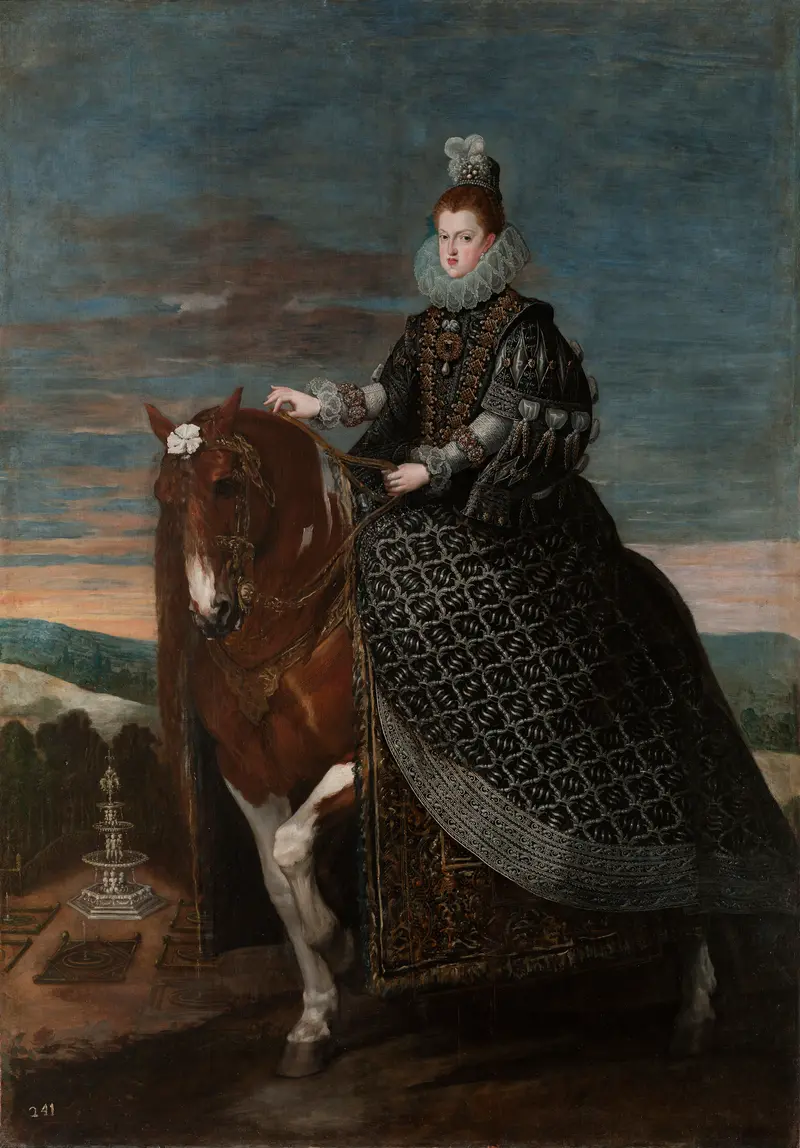
Equestrian Portrait of Margarita of Austria
Diego Velázquez
Las Hilanderas
Diego Velázquez





