
St Paul — History & Facts
When Giotto di Bondone painted St Paul in 1291, he was already being hailed as the artist who broke with centuries of stiff, symbolic iconography. This panel is one of the earliest known independent portraits of the Apostle Paul, not as a distant saint but as a living, thinking man. The work’s origins are still debated: some suggest it was once part of a larger polyptych, perhaps commissioned for a Florentine church, but no definitive documentation survives.
What is certain is that Giotto’s reputation for lifelike figures and psychological depth was already spreading, laying the groundwork for the Renaissance. Here, Giotto captures St Paul at a moment of introspective pause, his gaze averted from the viewer, lips pursed as if mid-thought. The saint’s angular features—balding head, pointed beard, and furrowed brow—speak to both his Jewish heritage and his role as the tireless, sometimes severe, apostle to the Gentiles. Paul’s right hand clutches a scroll, signaling his authorship of many New Testament letters, while his left holds a sword, the instrument of his martyrdom and a symbol of the “word of God.” The gold ground, a hallmark of the period, lifts the figure out of earthly time, but Giotto’s modeling of flesh and fabric roots him in a new, believable space.
Compared to the more abstract, formulaic Pauls of Byzantine icons, Giotto’s saint is palpably human, anticipating the innovations of Masaccio a century later. The painting’s early history is obscured by the passage of time and the movement of church treasures during periods of upheaval. While it is not known for certain who first commissioned or owned St Paul, its style and technique firmly place it in the late 13th-century Florentine context, at the dawn of Giotto’s career. Over the centuries, the panel has been attributed and reattributed, sometimes confused with the work of Cimabue, Giotto’s teacher.
Today, it is recognized as a key example of Giotto’s emerging genius, and it stands as a rare survivor from a period when few panel paintings have endured. Its presence in museum collections today allows us to witness the moment Italian painting turned toward the real.
More Artworks by Giotto di Bondone
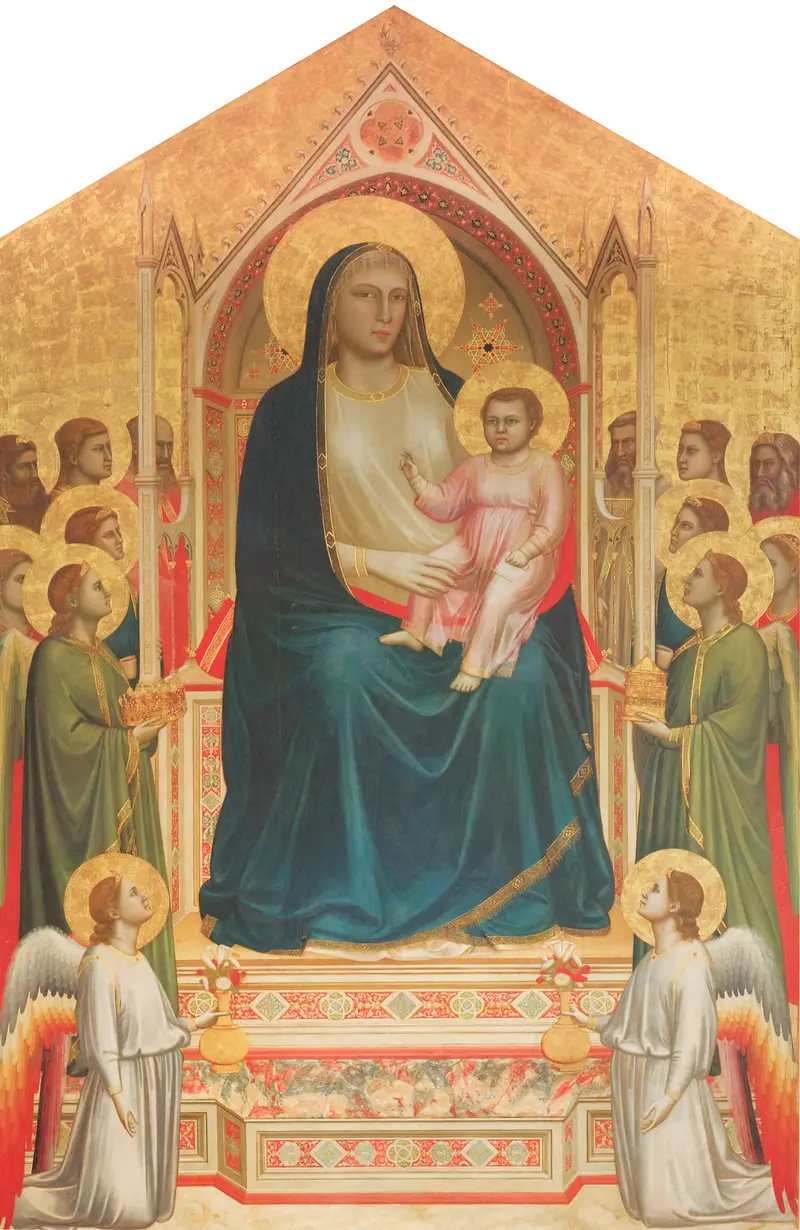
Ognissanti Madonna
Giotto di Bondone
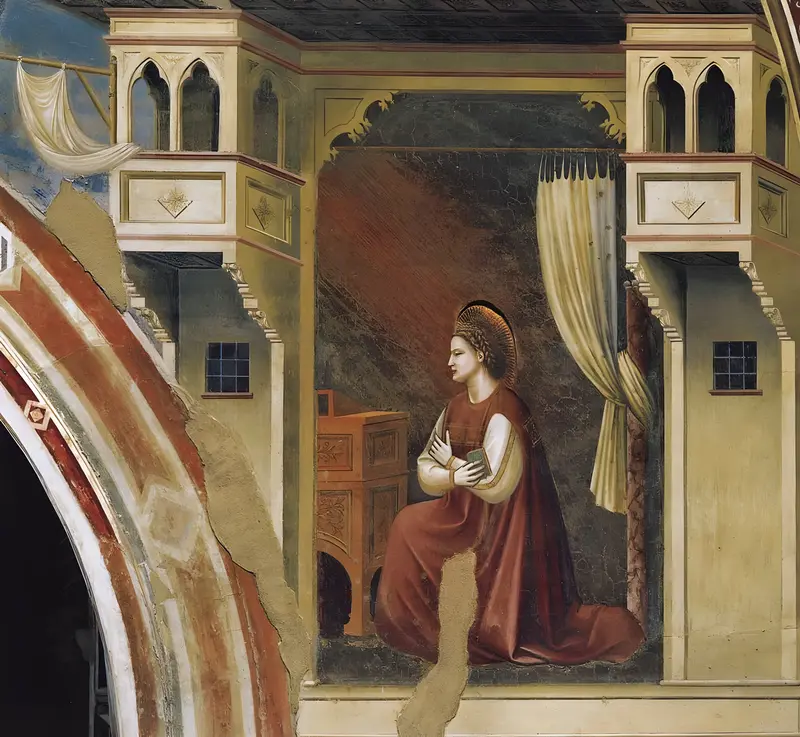
The Virgin of the Annunciation
Giotto di Bondone
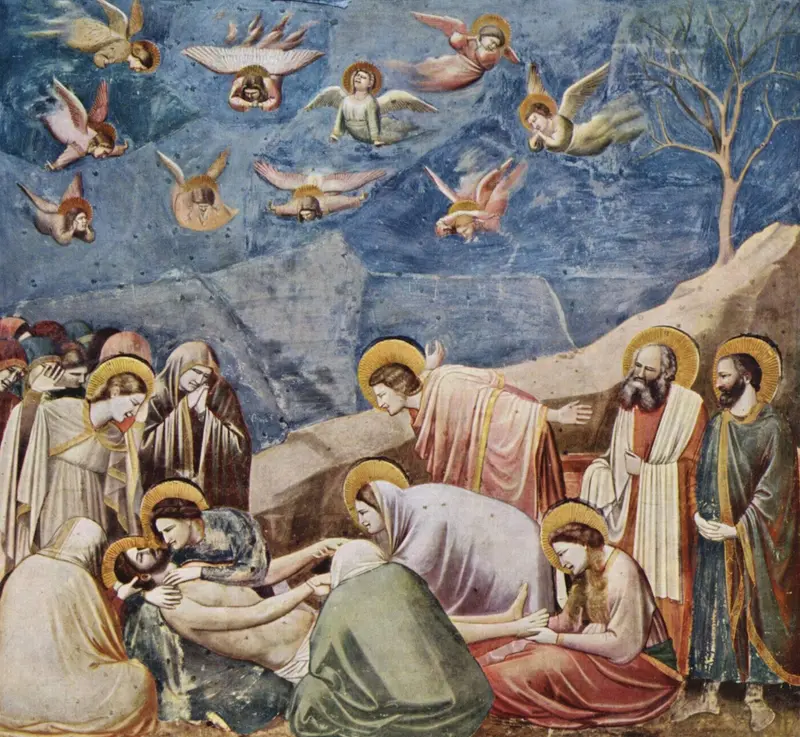
Lamentation (The Mourning of Christ)
Giotto di Bondone
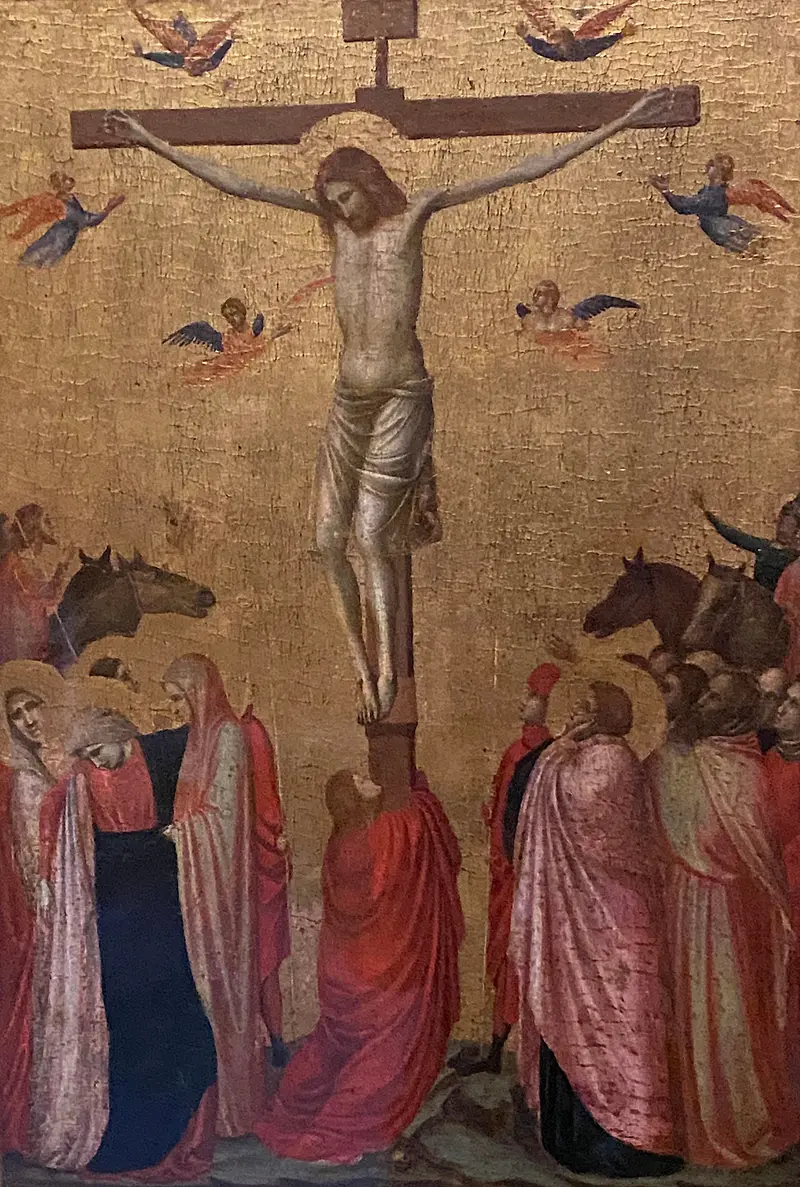
Crucifixion of Strasbourg
Giotto di Bondone
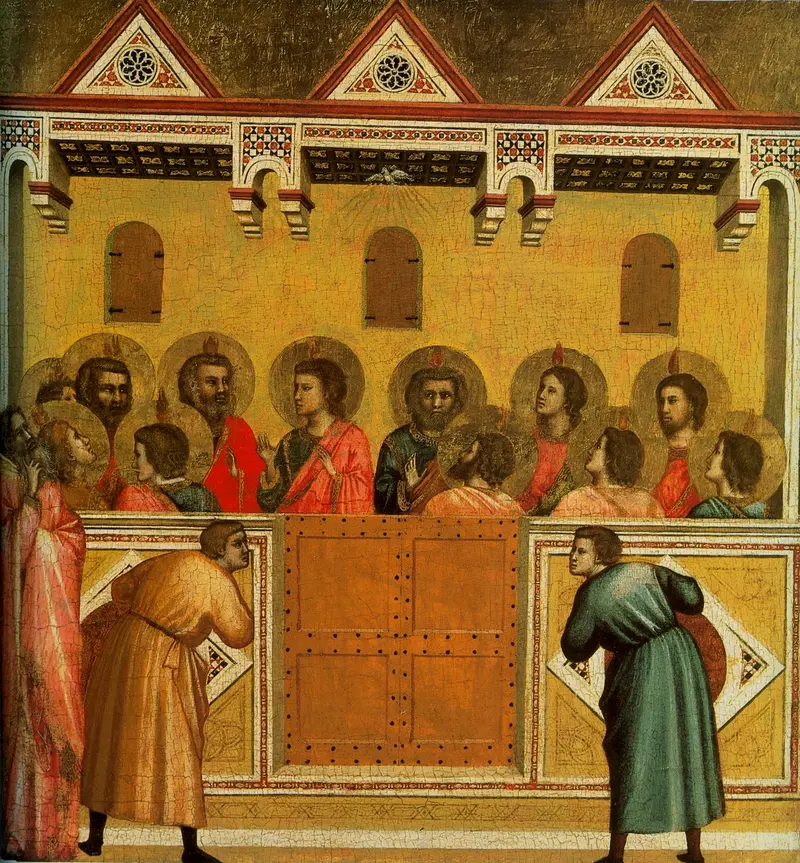
Pentecost
Giotto di Bondone
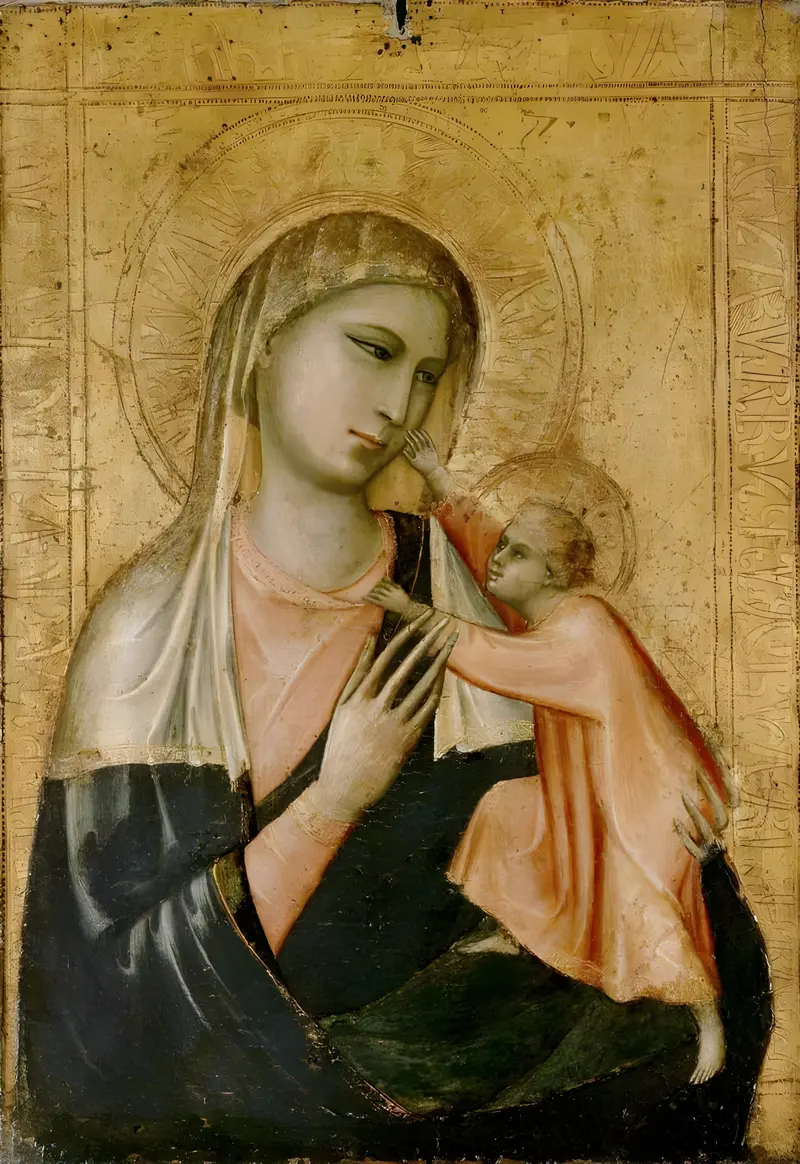
The Virgin and Child
Giotto di Bondone
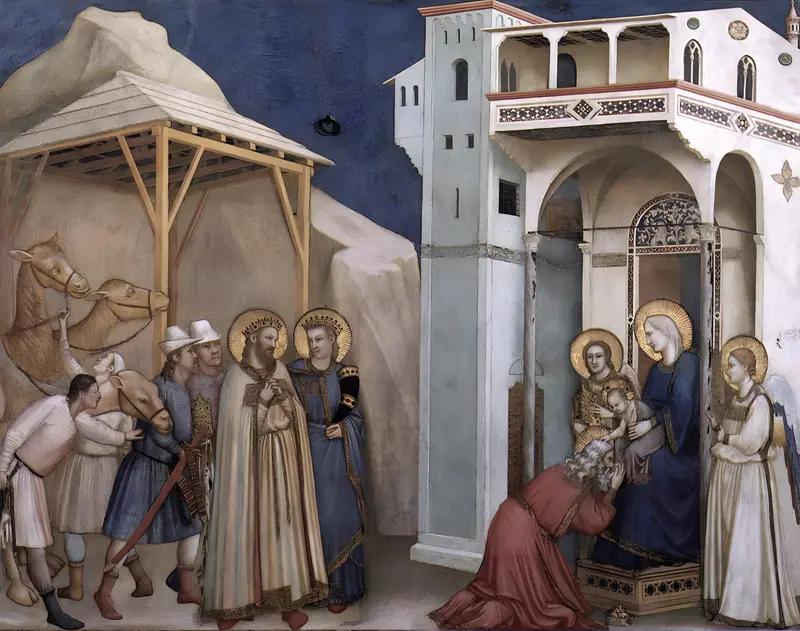
Anbetung der Könige
Giotto di Bondone
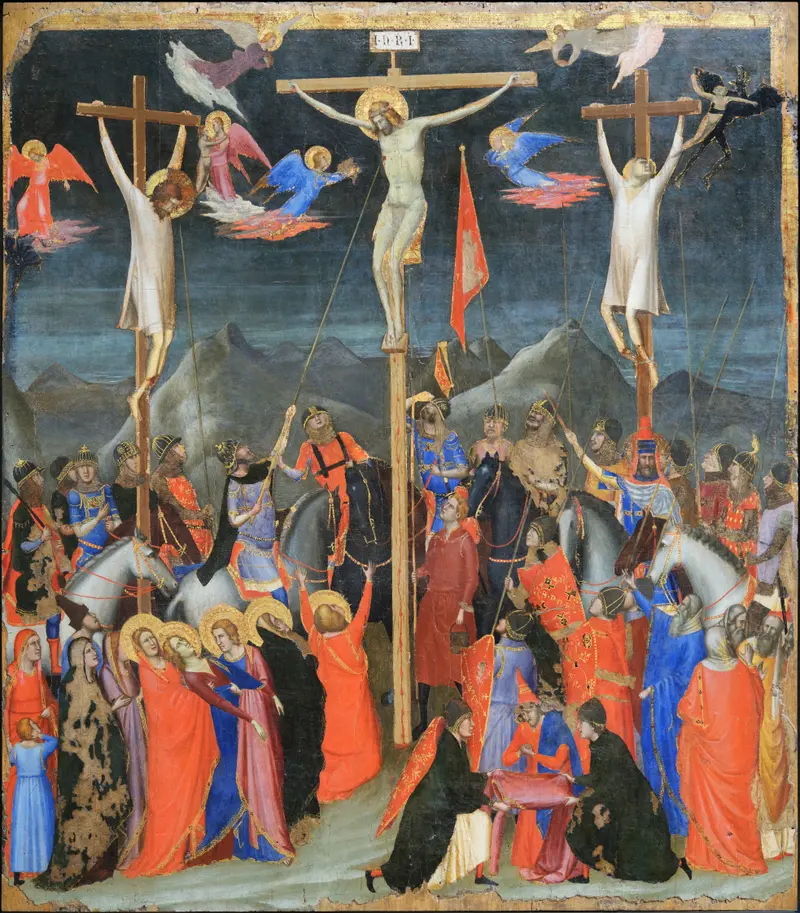
Crucifixion
Giotto di Bondone
The Visitation
Giotto di Bondone
Bologna Polyptych
Giotto di Bondone





