
Standing Woman with Her Hands Clasped in Prayer — History & Facts
No one knows for certain who first gazed upon Standing Woman with Her Hands Clasped in Prayer by Filippino Lippi, nor for whom it was painted, but its quiet mystery has long intrigued scholars. The lack of a signature or date has sparked debate: is this a study for a larger altarpiece, a private devotional image, or even a portrait of a donor immortalized in prayer? What is clear is that the work’s delicate modeling and introspective air are hallmarks of Lippi’s mature style, linking it unmistakably to the Florentine Renaissance. The woman stands in profile, her hands pressed together in an attitude of deep devotion, eyes cast downward in silent supplication. Her simple dress and unadorned hair suggest humility, while the careful rendering of her features points to a real individual, not merely an idealized saint.
The clasped hands, a classic gesture of prayer, echo the visual language of countless Renaissance Madonnas, yet here the focus is solely on the human act of faith. Unlike Botticelli’s more ornate figures, Lippi chooses restraint, letting the sincerity of the gesture and the gentle play of light across the woman’s face speak for themselves. The painting’s journey remains largely undocumented, a fate not uncommon for works of this intimate scale and devotional purpose. Attributions to Filippino Lippi have been supported by stylistic comparisons with his other drawings and paintings, though some experts have raised the possibility of workshop participation.
Today, Standing Woman with Her Hands Clasped in Prayer stands as a quiet testament to the personal piety and refined draftsmanship that defined Lippi’s later career, inviting viewers into a moment of private reflection that has endured across centuries.
More Artworks by Filippino Lippi

Portrait of a Youth
Filippino Lippi
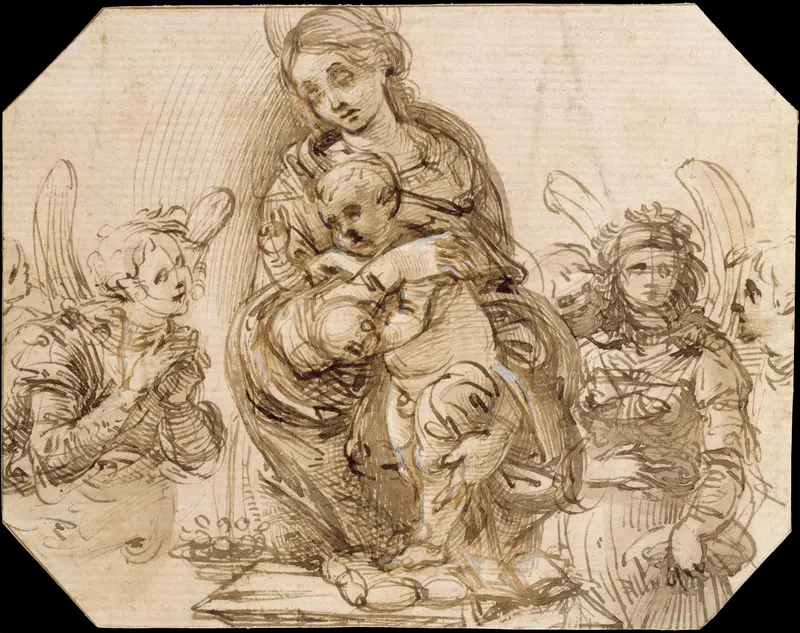
Virgin and Child Attended by Angels
Filippino Lippi

Christ on the Cross
Filippino Lippi
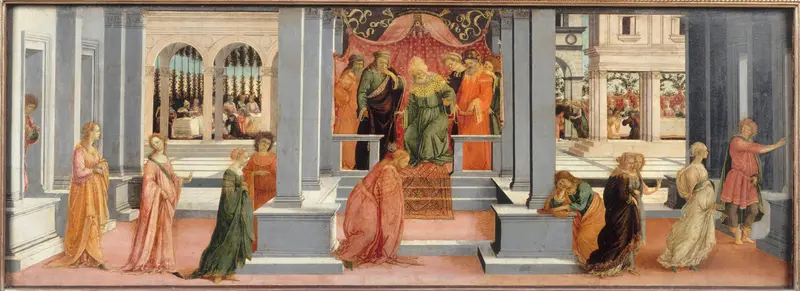
Esther choisie par Assuérus
Filippino Lippi
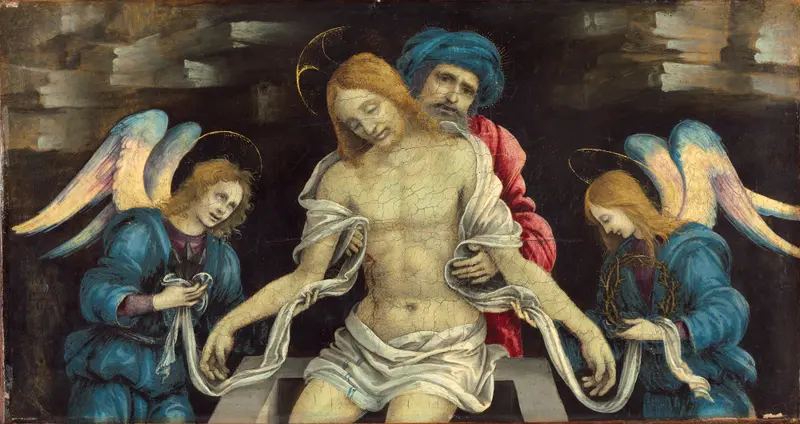
Pietà (The Dead Christ Mourned by Nicodemus and Two Angels)
Filippino Lippi
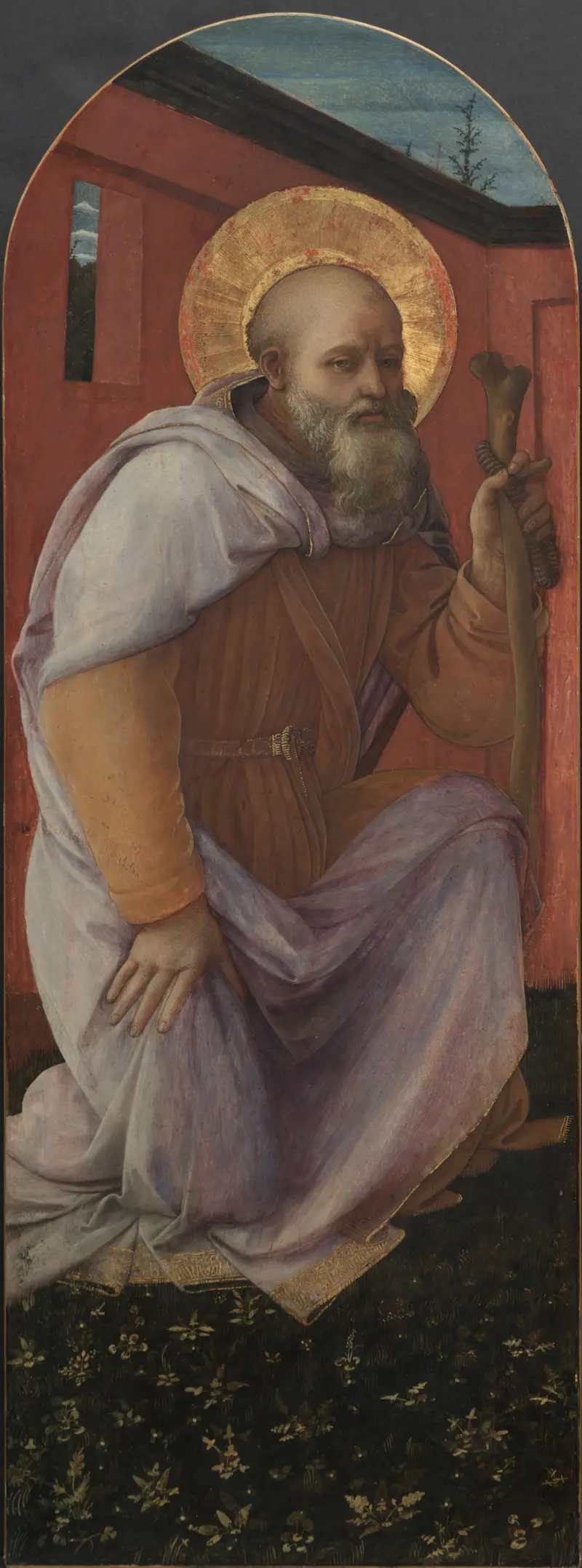
St. Anthony Abbot
Filippino Lippi
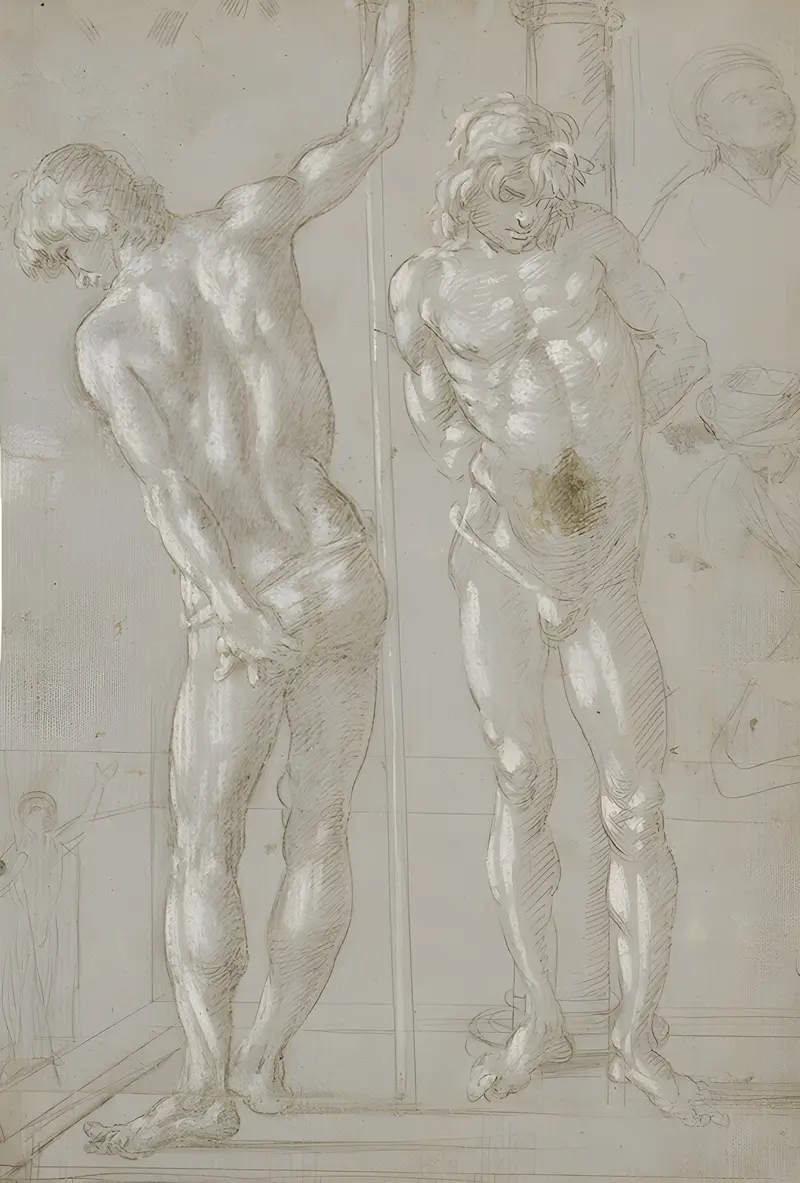
Studies of Christ at the Column, a Nude from Behind, and Various Figures
Filippino Lippi
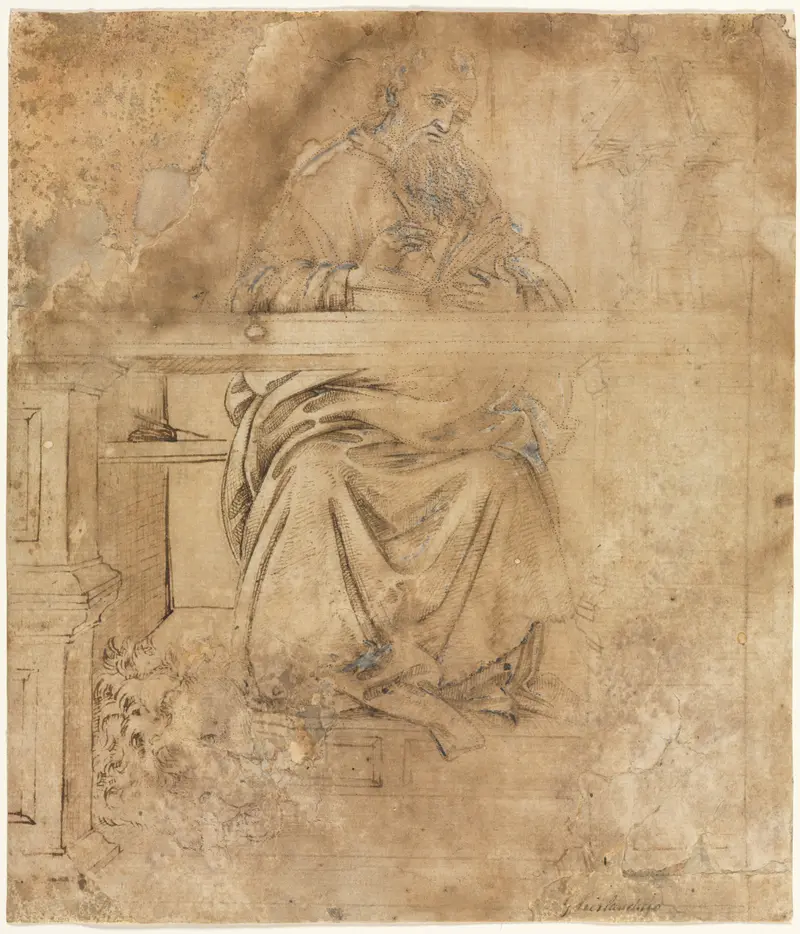
St. Jerome in His Study
Filippino Lippi
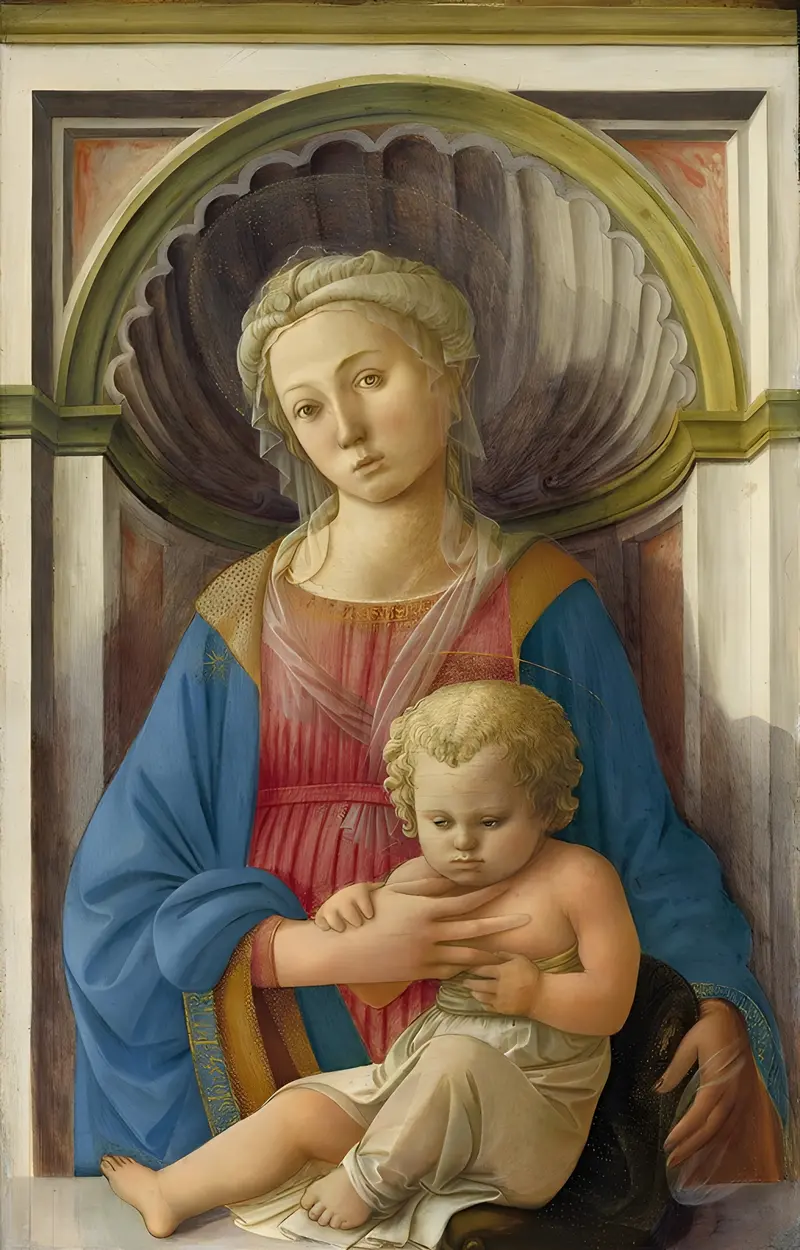
Madonna and Child
Filippino Lippi
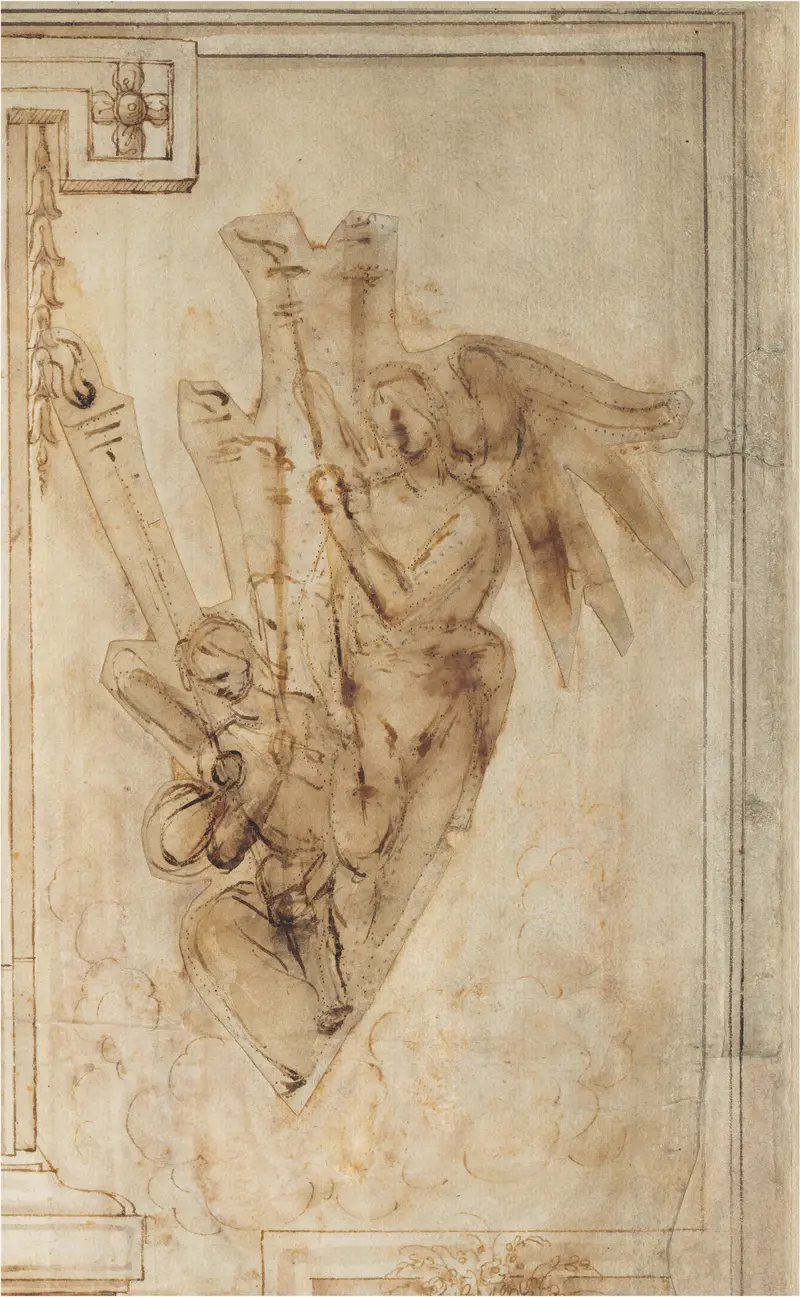
Two Angels Carrying Torches
Filippino Lippi





