
Study of a Lion — History & Facts
When Théodore Géricault turned his eye to lions in the late 1840s, he was following a Parisian fascination with exotic animals, fueled by the arrival of live specimens at the Jardin des Plantes. The artist, known for his dramatic canvases and restless energy, made numerous studies from life, sometimes risking proximity to the very creatures he sketched. Study of a Lion, created around 1850, captures not just an animal but a moment in the city’s cultural life, when artists and the public alike flocked to see these living symbols of power and wildness.
The drawing stands as a testament to Géricault’s relentless pursuit of truth in nature, even in his final years, as he struggled with illness. In this study, the lion is caught mid-repose, its massive head resting on crossed paws, yet its eyes remain alert, fixed on something just beyond the frame. The animal’s sinewy muscles and heavy mane are rendered with swift, confident strokes, suggesting both the beast’s latent strength and the artist’s urgency. The light falls from above, picking out the contours of the lion’s brow and the curve of its shoulder, while the background remains indistinct, focusing all attention on the creature itself.
Unlike Delacroix’s more theatrical lions, such as those in his Lion Hunt scenes, Géricault’s approach is intimate—less about spectacle, more about the animal’s presence and psychology. The exact medium of Study of a Lion is uncertain—some sources suggest chalk, others ink or oil—but its execution is typical of Géricault’s late animal studies. These works were not made for a patron or public commission but as part of the artist’s personal exploration, perhaps intended as preparatory sketches for larger compositions that never materialized. After Géricault’s death in 1824, many of his animal studies remained in private hands or were dispersed in sales, making their provenance difficult to trace.
Today, works like this one are prized for their immediacy and insight into the artist’s working process, often held in museum collections as windows into the Romantic fascination with nature and the untamed.
More Artworks by Théodore Géricault
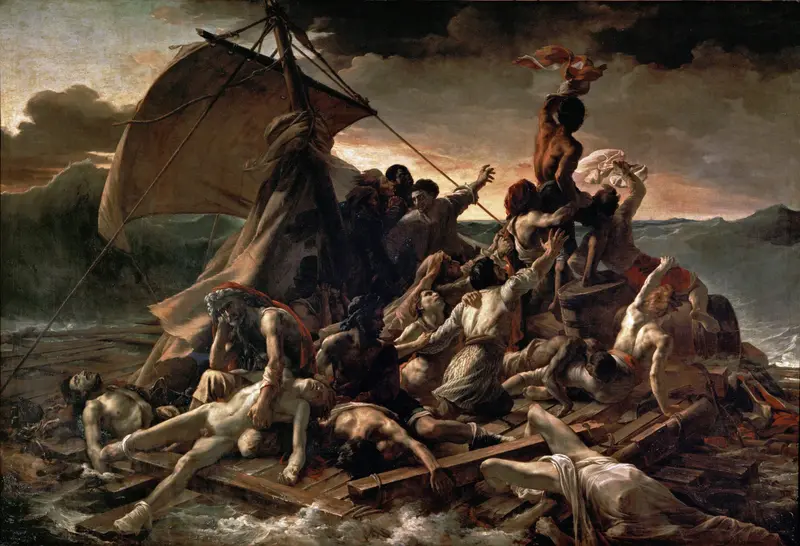
The Raft of the Medusa
Théodore Géricault

Géricault - Le naufrage du radeau de la Méduse, MBA 790
Théodore Géricault
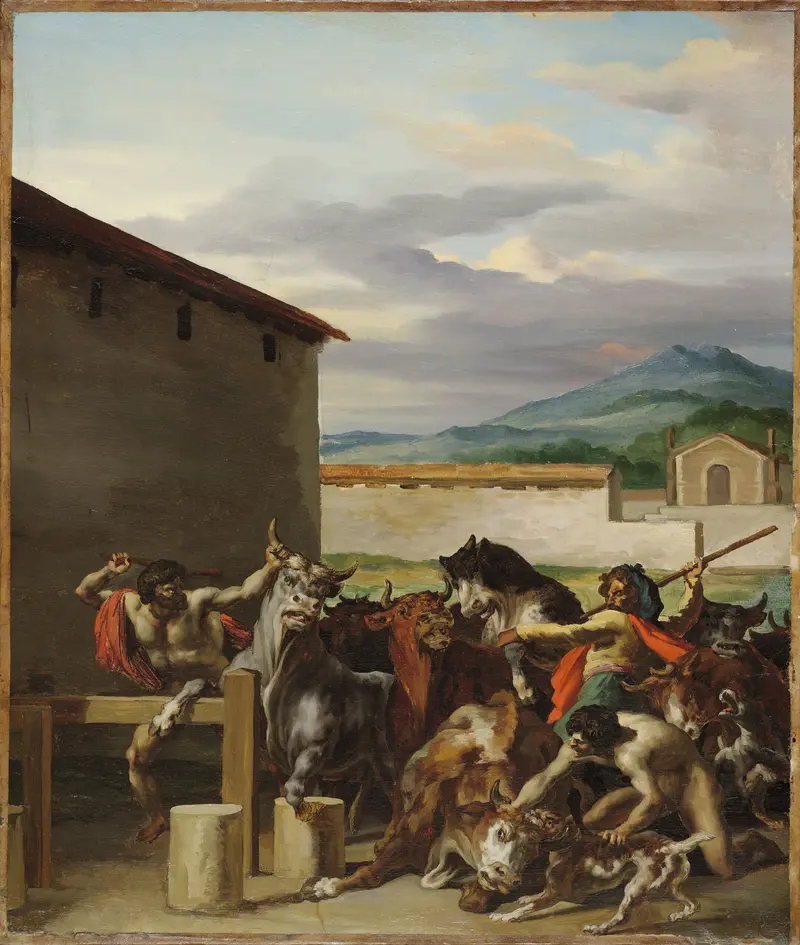
Cattle Market
Théodore Géricault
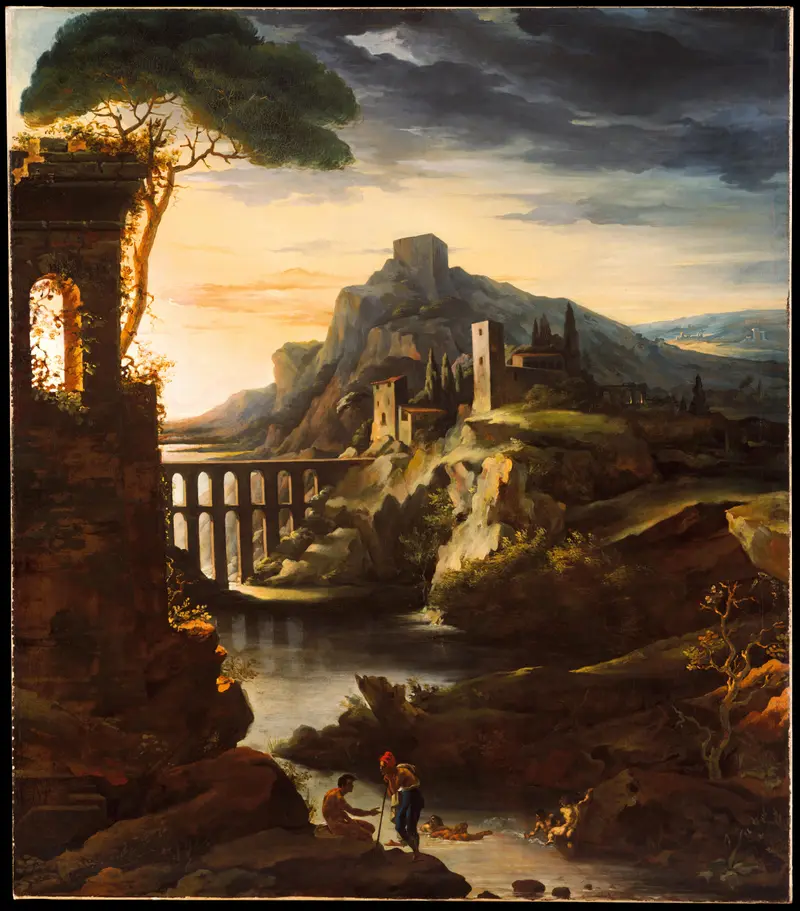
Evening; Landscape with an Aqueduct
Théodore Géricault
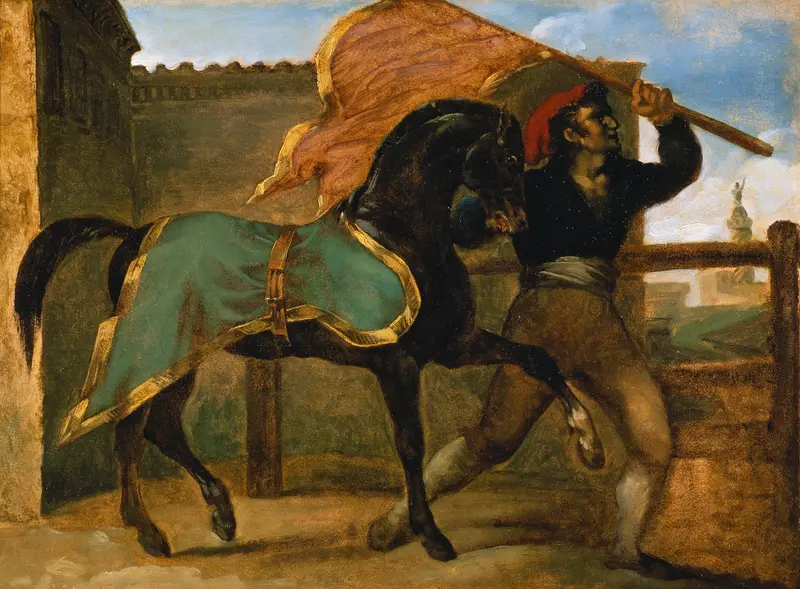
Horse Race
Théodore Géricault

Horses Standing in a Mews
Théodore Géricault
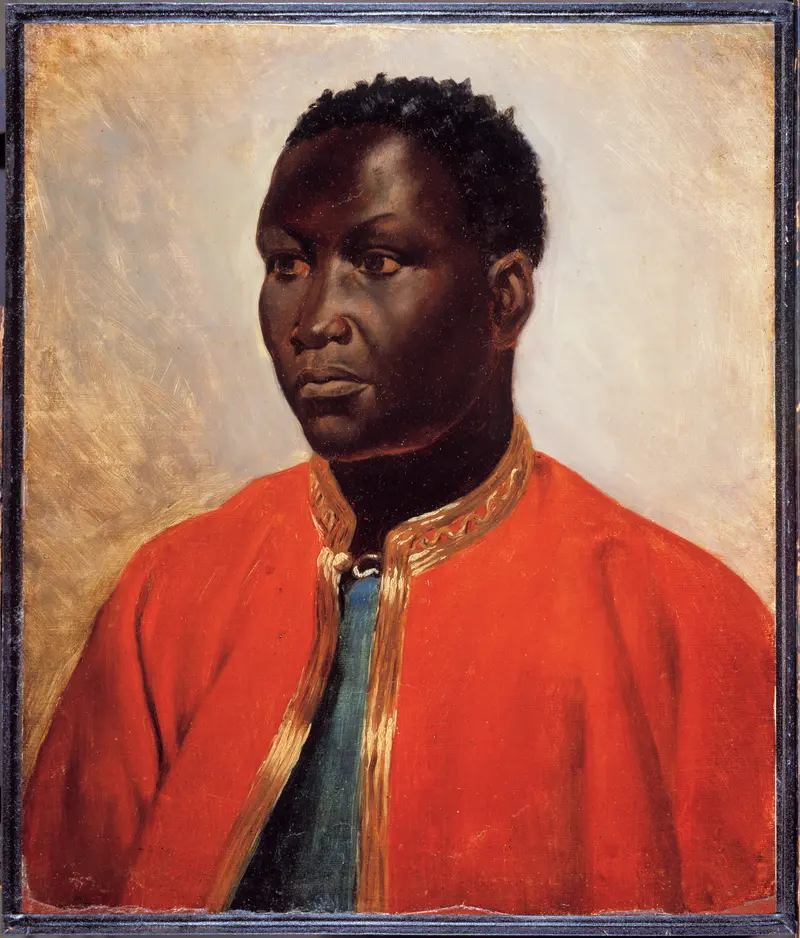
Portrait of a Negro
Théodore Géricault
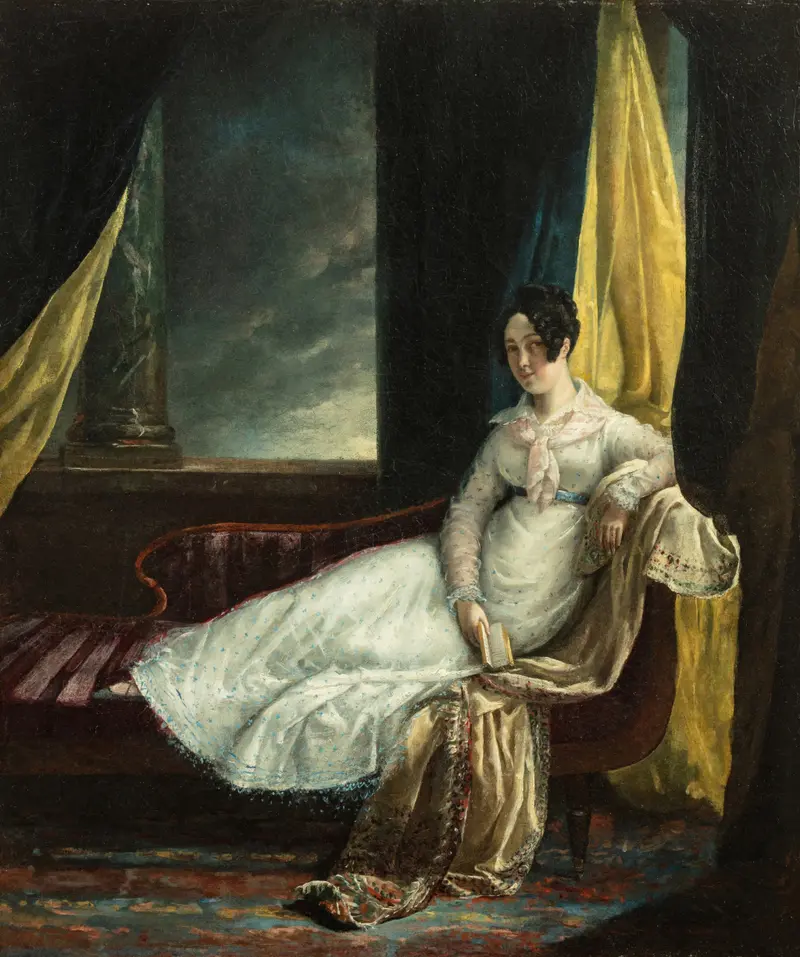
Portrait of Zoë Elmore
Théodore Géricault
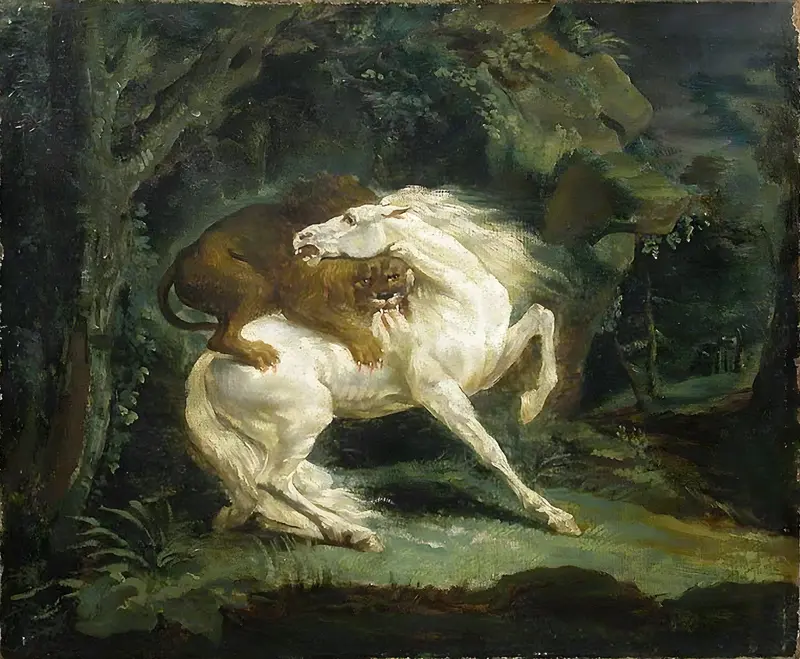
Cheval attaqué par un lion
Théodore Géricault
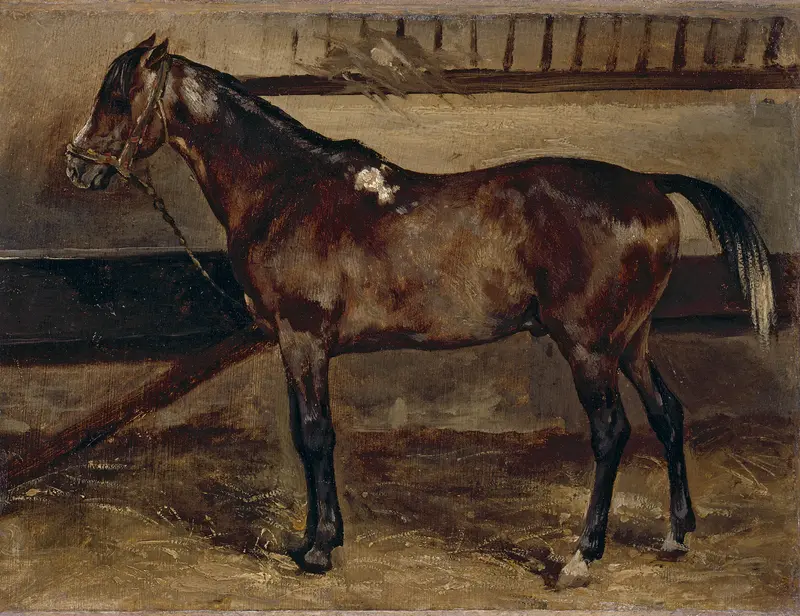
Cheval brun à l'écurie
Théodore Géricault





