
The Archangel Michael — History & Facts
Few paintings by Filippino Lippi have sparked as much scholarly curiosity as The Archangel Michael, whose date and commission remain shrouded in mystery. The work’s attribution to Lippi was once questioned, but careful study of its style—marked by fluid lines and expressive faces—has convinced most experts of its authenticity. Unlike more famous depictions of saints and angels, this painting stands out for its dynamic portrayal of Michael, capturing the archangel not in static victory, but in the charged instant of confrontation.
The painting’s history is further complicated by the lack of documentation about its original location, leaving open the question of whether it was intended for private devotion or a church altar. The scene unfolds at the very moment when Michael, armored and resolute, confronts the dragon of the Apocalypse. Lippi’s Michael is no distant celestial: his gaze is intense, his sword raised, his foot pinning the writhing beast. The archangel’s billowing cloak and the tension in his stance suggest movement and struggle, emphasizing his role as a divine warrior.
Gold accents on his armor signal his heavenly authority, while the defeated dragon—part serpent, part lizard—symbolizes the forces of evil. Unlike the serene, almost static Michael of Perugino’s works, Lippi’s version is charged with urgency, drawing the viewer into the drama of good versus evil. The physical journey of The Archangel Michael is as enigmatic as its origins. With no surviving records of its first owner or intended setting, the painting has spent centuries in relative obscurity, surfacing only in later inventories and scholarly references.
Today, it is recognized as a significant example of late Quattrocento Florentine painting, illustrating Lippi’s skill in blending narrative intensity with refined detail. Its uncertain provenance and the ongoing debates about its date only add to its allure, inviting viewers to look closely and imagine its lost history.
More Artworks by Filippino Lippi

Portrait of a Youth
Filippino Lippi
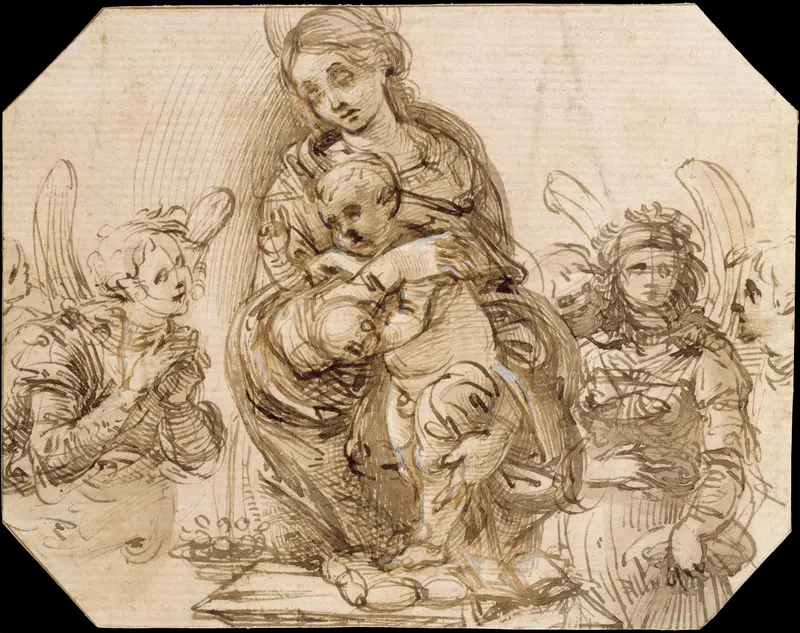
Virgin and Child Attended by Angels
Filippino Lippi

Christ on the Cross
Filippino Lippi
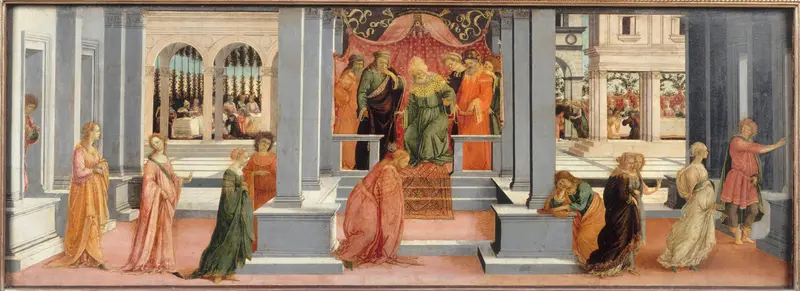
Esther choisie par Assuérus
Filippino Lippi
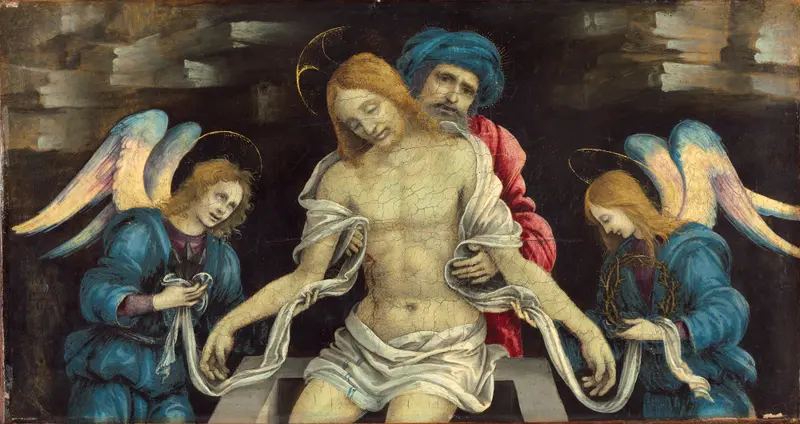
Pietà (The Dead Christ Mourned by Nicodemus and Two Angels)
Filippino Lippi
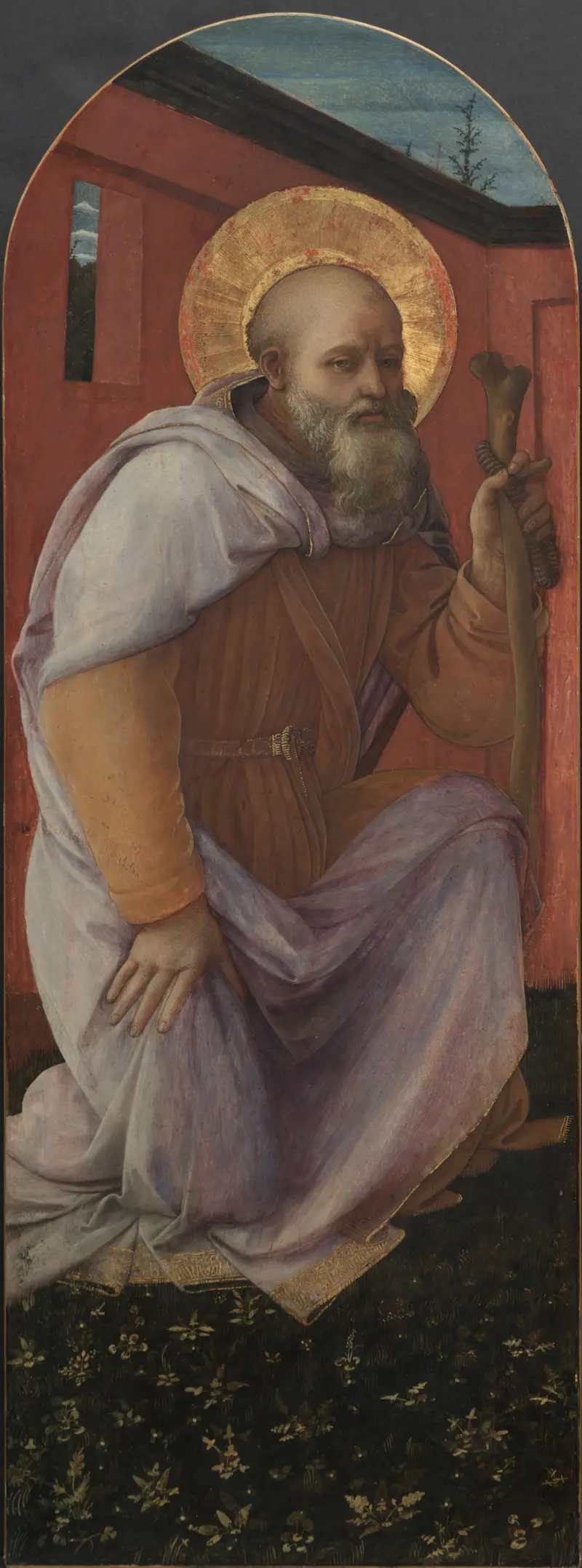
St. Anthony Abbot
Filippino Lippi
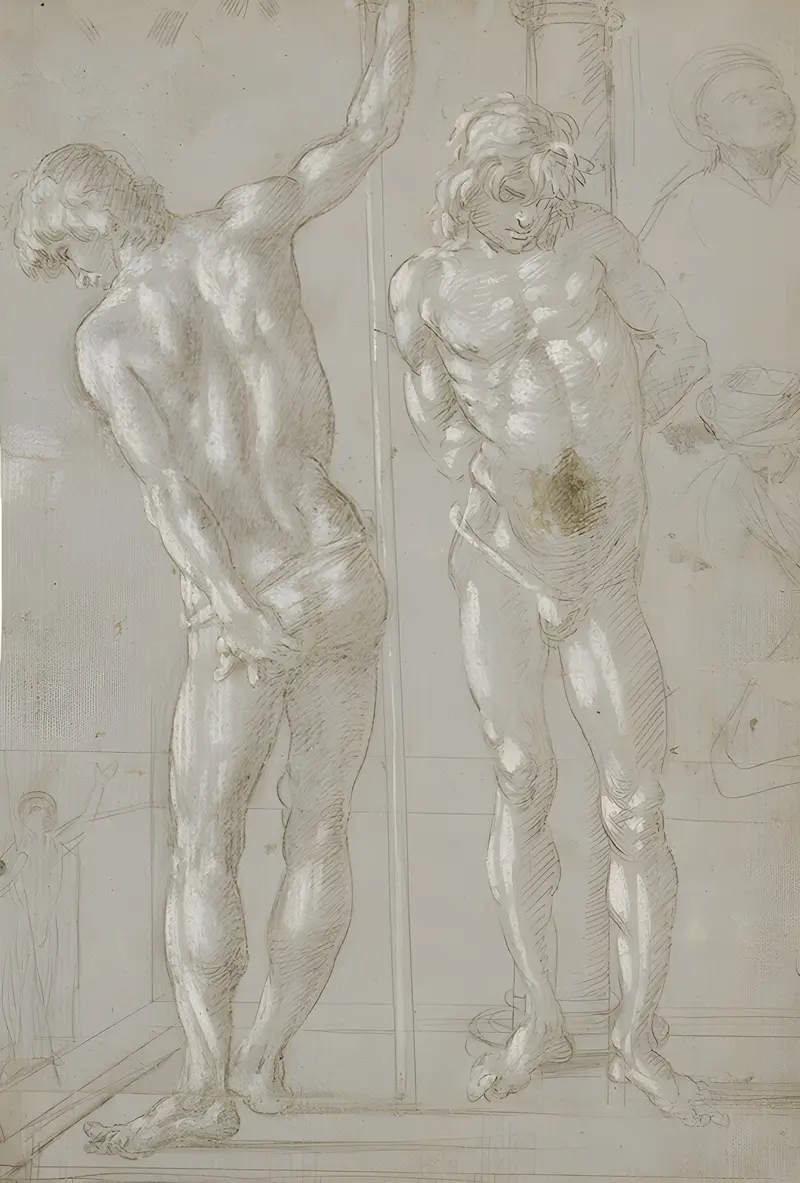
Studies of Christ at the Column, a Nude from Behind, and Various Figures
Filippino Lippi
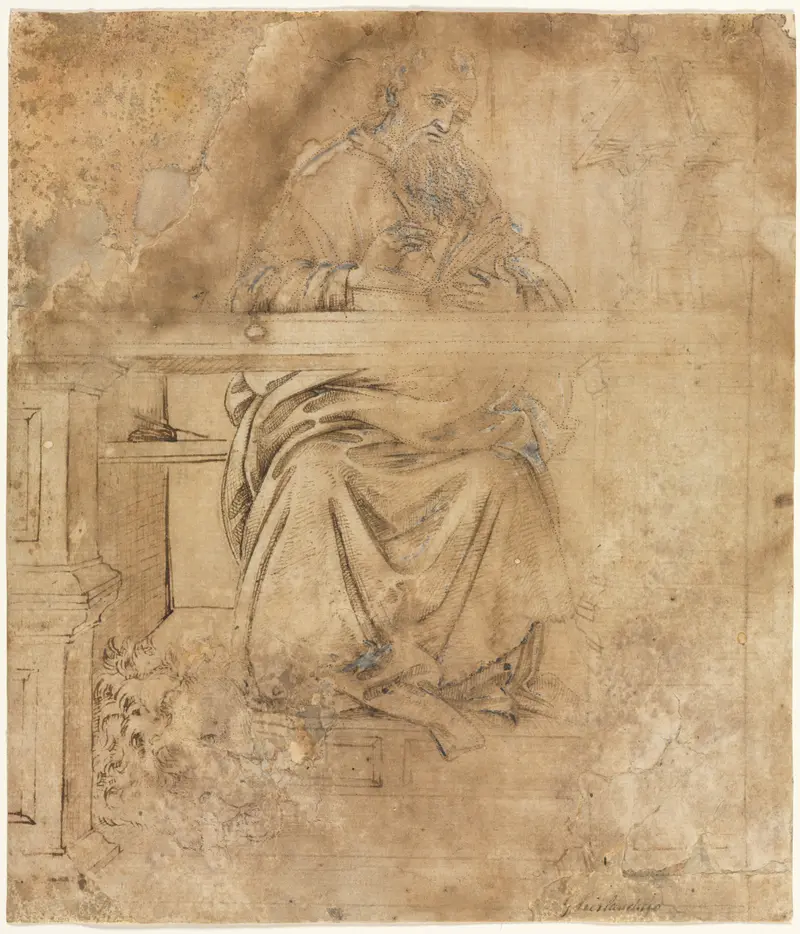
St. Jerome in His Study
Filippino Lippi
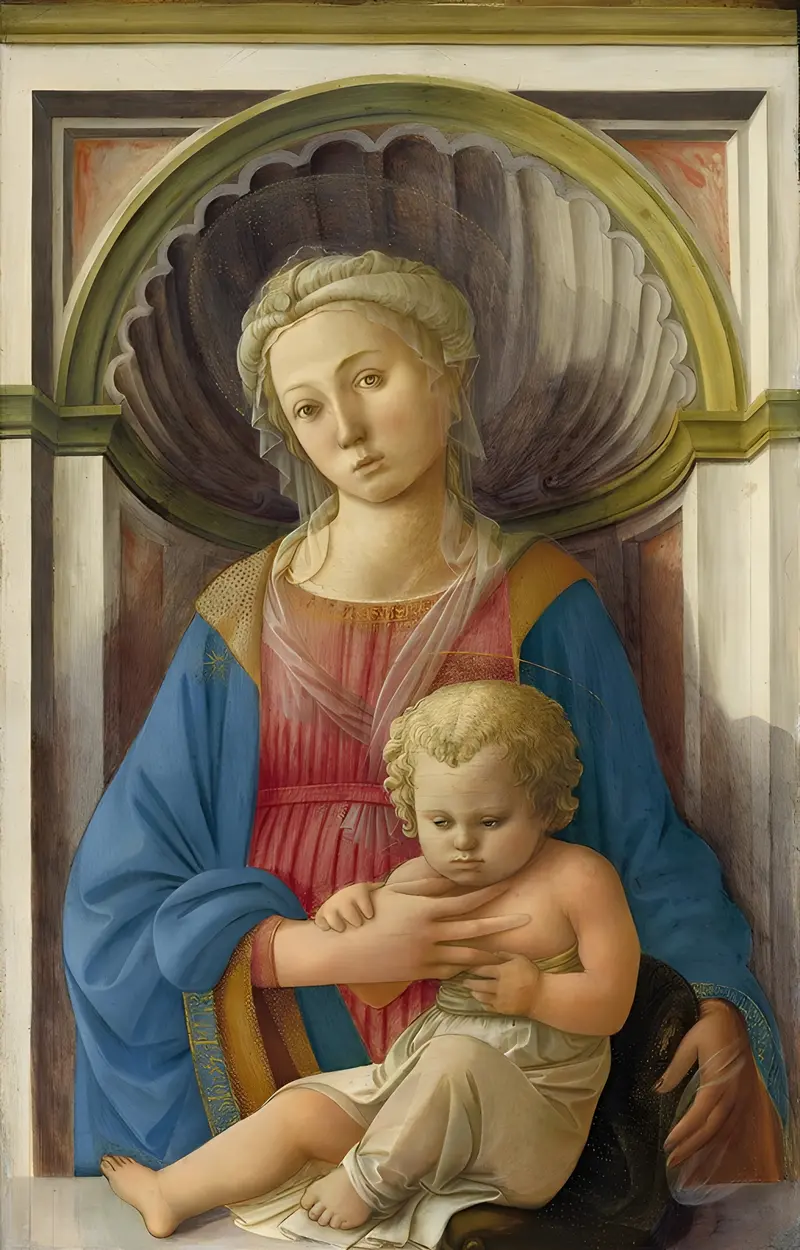
Madonna and Child
Filippino Lippi
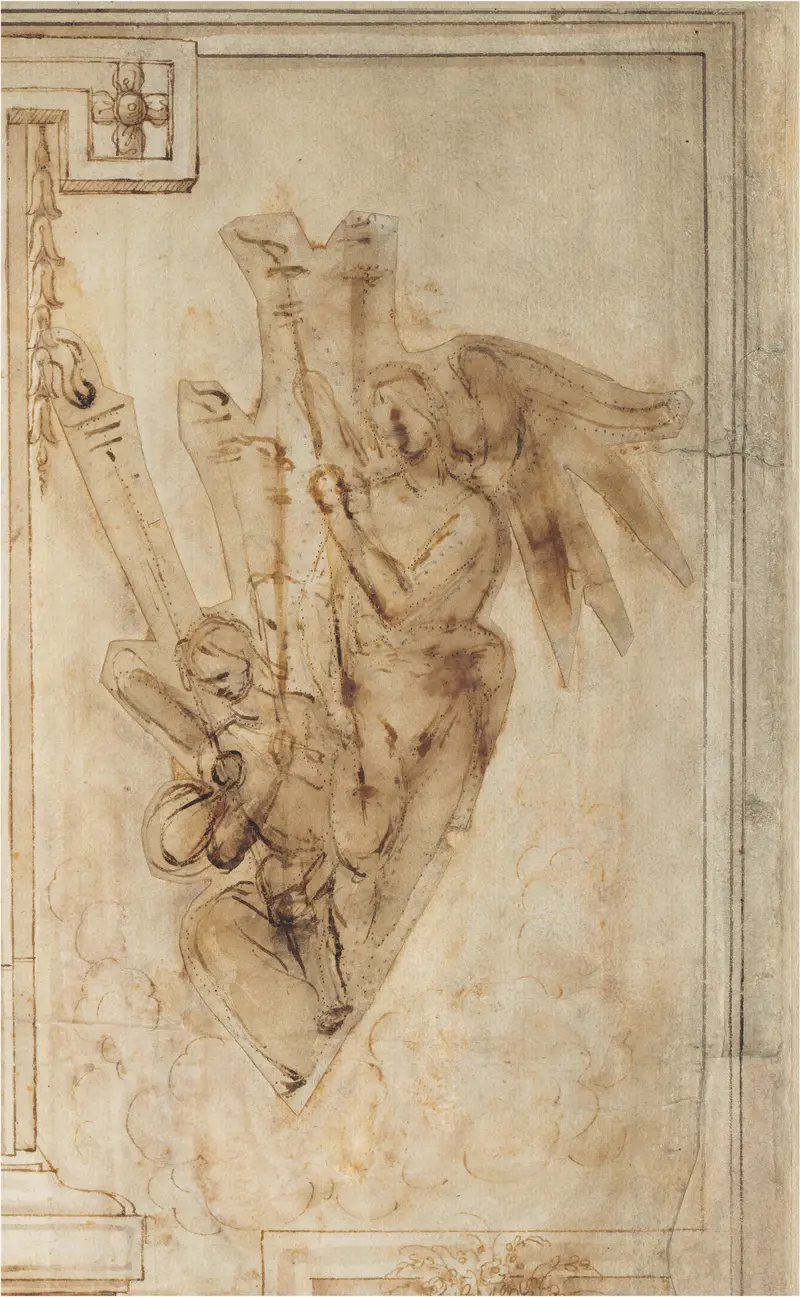
Two Angels Carrying Torches
Filippino Lippi





