
The Bathers — History & Facts
When The Bathers by Jean-Honoré Fragonard was first exhibited at the Salon of 1765, critics were both delighted and scandalized by its unabashed sensuality. This painting, created when Fragonard was just thirty-three, marked his boldest foray into the playful, erotic scenes that would come to define the Rococo movement. The work’s reputation quickly spread, not least because it was rumored to have been commissioned by a member of the French aristocracy for a private boudoir—a fitting setting for such an intimate tableau.
Its lush, sun-dappled world offered a striking contrast to the more restrained academic nudes of the day, prompting one contemporary to remark on its “delicious liberty.” The Bathers captures a moment of carefree abandon: a group of young women, half-hidden by foliage, frolic in a secluded woodland pool. The artist’s brushwork is loose and fluid, echoing the laughter and movement of the figures as they splash and recline. The dappled light filtering through the trees highlights bare skin and the shimmer of water, while the composition’s gentle curves guide the viewer’s eye from one figure to the next.
Unlike the mythological or allegorical bathers of Ingres or Titian, Fragonard’s women are not goddesses but real, flesh-and-blood people, their intimacy heightened by the absence of any narrative pretext. The painting’s atmosphere is one of spontaneous delight, with every detail—abandoned garments, playful gestures—serving to emphasize the pleasures of nature and companionship. The precise provenance of The Bathers remains uncertain, as is often the case with Fragonard’s more private commissions. While its early history is shrouded in mystery, the painting’s style and subject place it firmly within the artist’s most celebrated period, just before the upheavals of the French Revolution would change the art world forever.
Over the centuries, works like this one have passed through the hands of collectors who prized their freshness and intimacy, sometimes misattributed or hidden away due to their risqué content. Today, The Bathers is recognized as a quintessential example of Fragonard’s exuberant vision, embodying the spirit of the Rococo at its most playful and free.
More Artworks by Jean-Honoré Fragonard
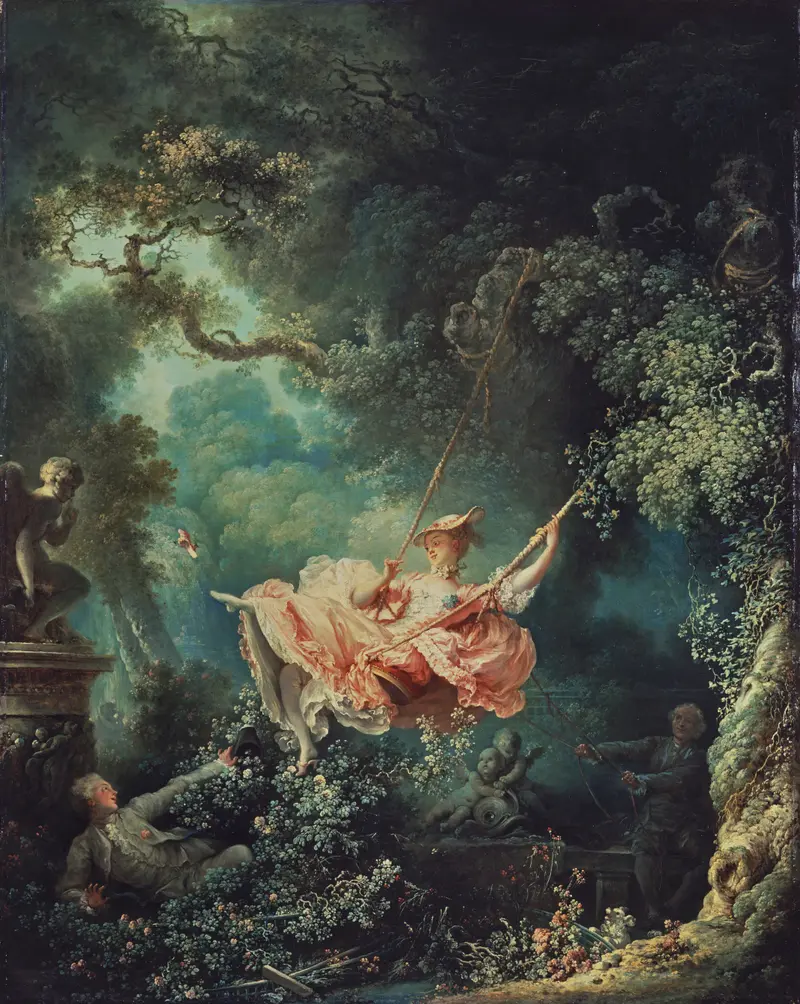
The Swing
Jean-Honoré Fragonard

The Swing
Jean-Honoré Fragonard
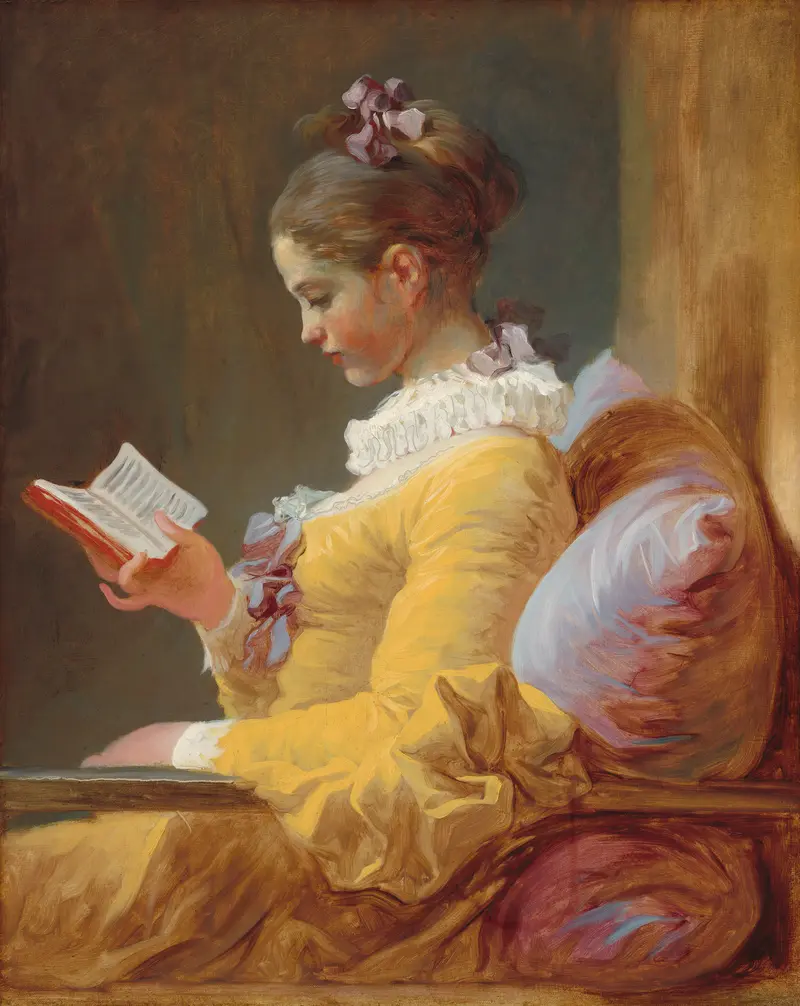
A Young Girl Reading
Jean-Honoré Fragonard
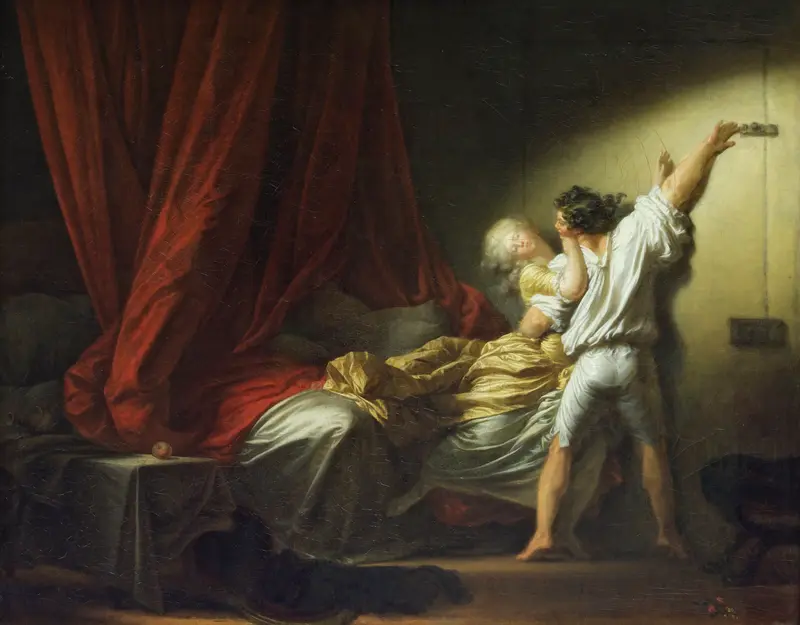
The Lock
Jean-Honoré Fragonard
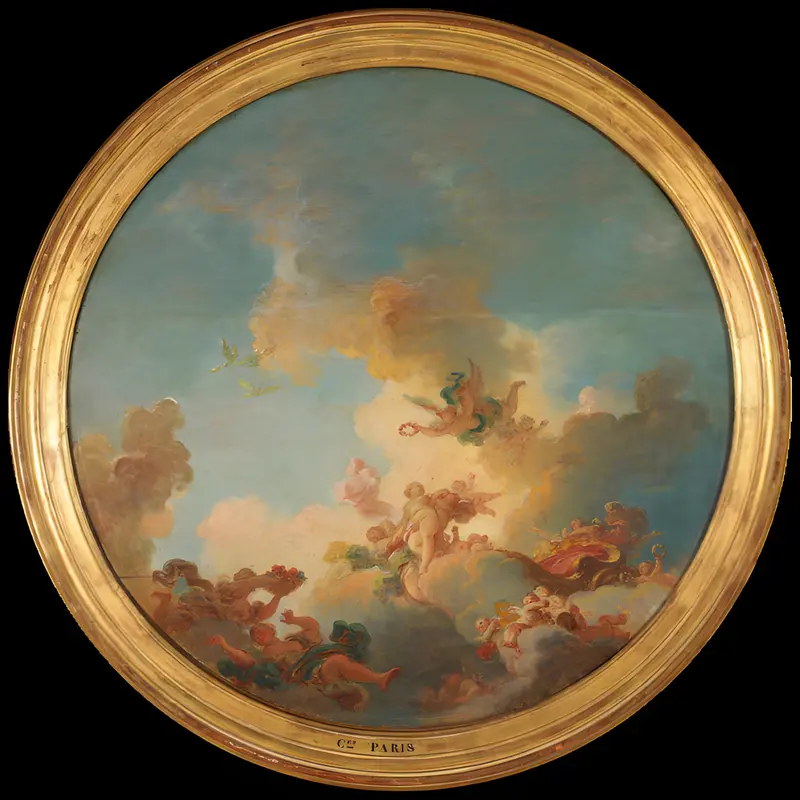
The Triumph of Venus
Jean-Honoré Fragonard
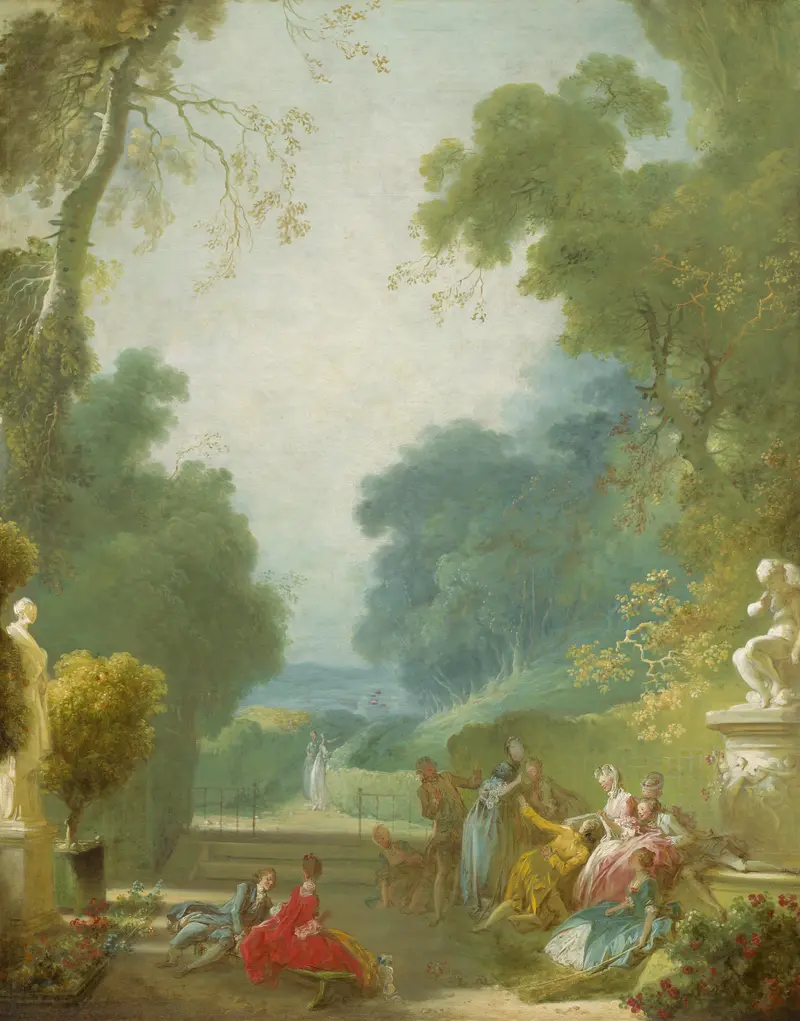
A Game of Hot Cockles
Jean-Honoré Fragonard
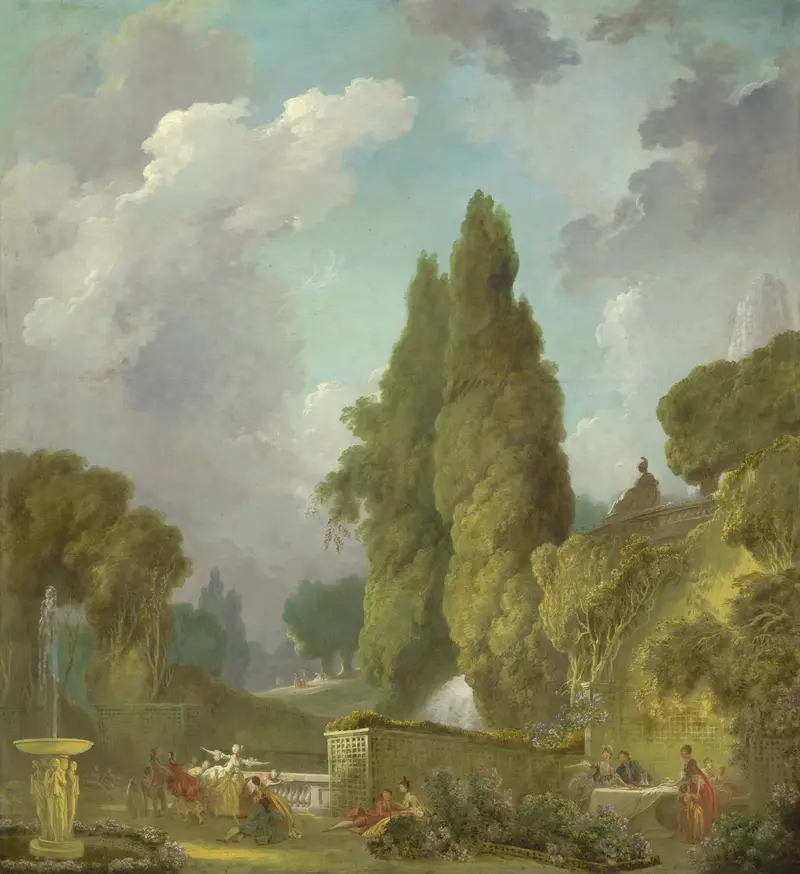
Blindman’s Buff
Jean-Honoré Fragonard
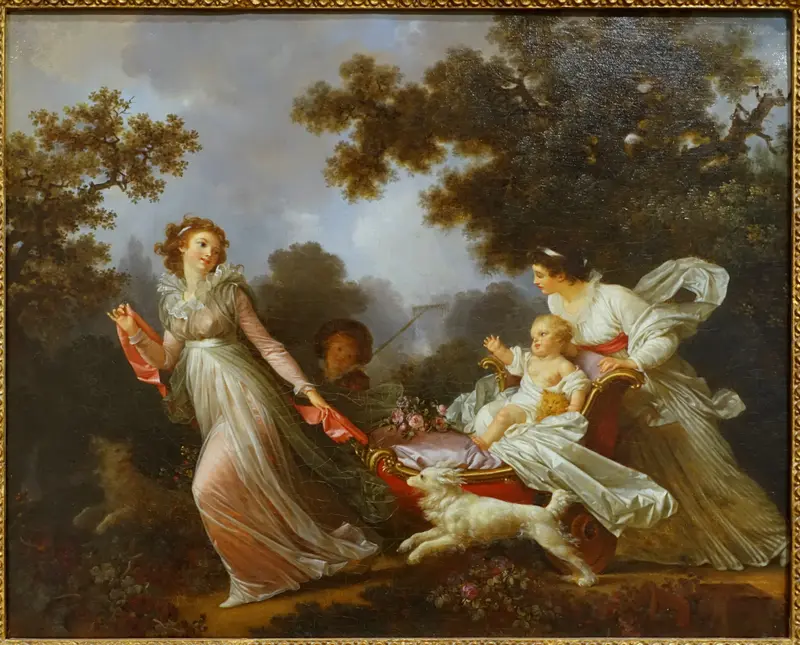
The Beloved Child
Jean-Honoré Fragonard
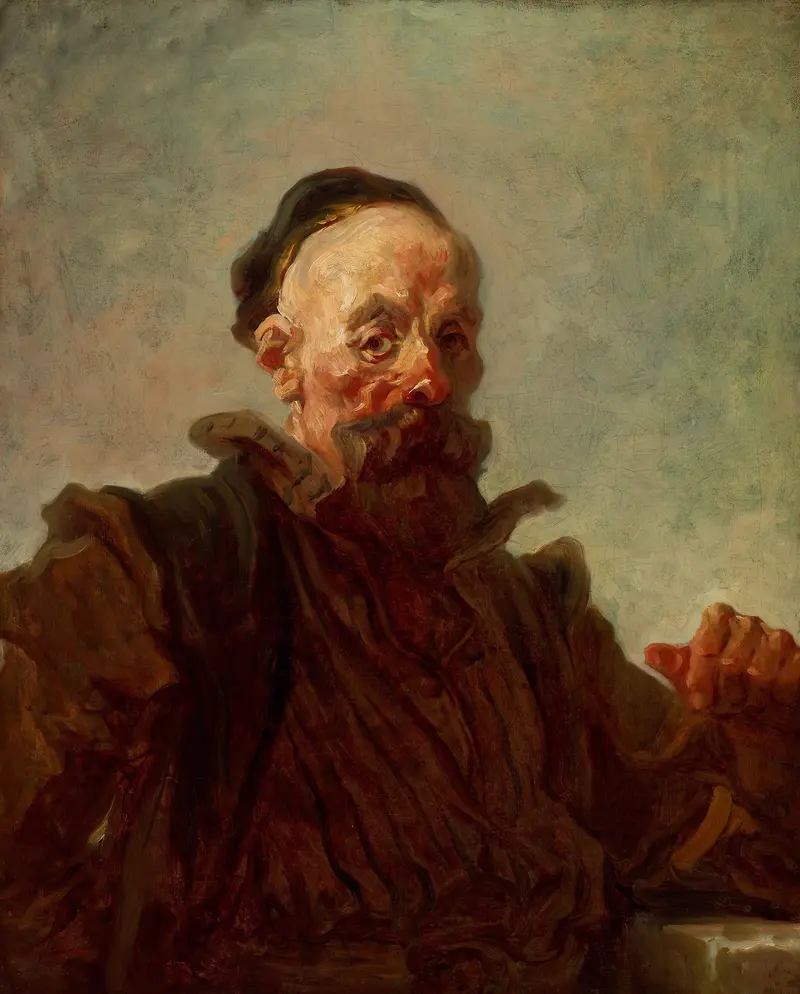
Portrait of a Man in Costume
Jean-Honoré Fragonard
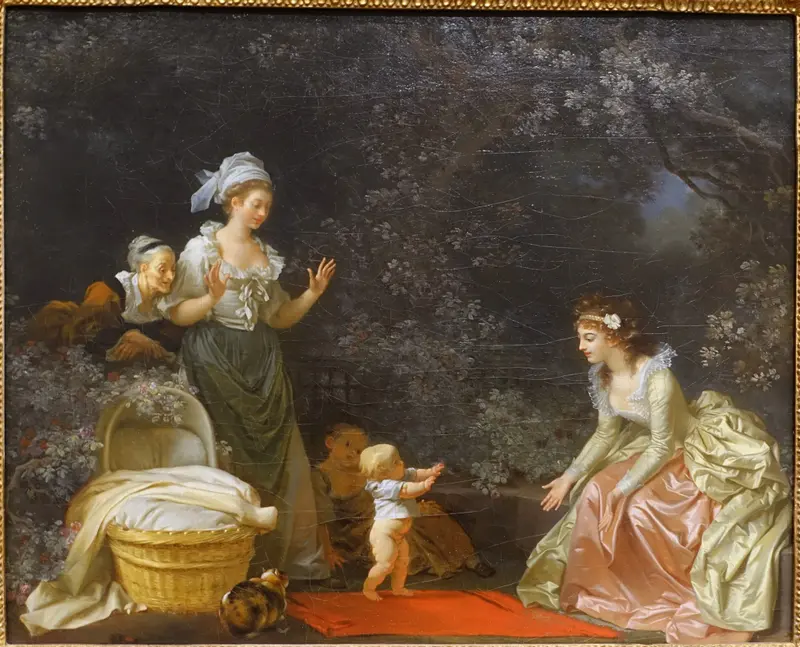
The First Steps
Jean-Honoré Fragonard
More Genre Scene Art

Banquet of the Officers of the St George Civic Guard
Frans Hals

Rembrandt and Saskia in the Scene of the Prodigal Son
Rembrandt van Rijn

Bal du moulin de la Galette
Pierre-Auguste Renoir

Quadrille at the Moulin Rouge
Henri de Toulouse-Lautrec

A Burial at Ornans
Gustave Courbet

When Will You Marry?
Paul Gauguin