
The beggar of Livorno — History & Facts
When Amedeo Modigliani painted The beggar of Livorno in 1909, he was still an unknown artist, living in poverty in his hometown after leaving Paris. This early work is one of the few surviving examples from his brief Italian period, before he destroyed many of his own canvases in frustration. The painting is also notable because it captures a real figure from the streets of Livorno—a city known for its port and for the diversity of its working poor—at a time when Modigliani was deeply influenced by both Italian Renaissance art and the raw immediacy of modern life. The beggar sits alone, his gaze averted, shoulders hunched, wrapped in a heavy coat that seems to swallow his thin frame.
Modigliani chooses a moment of quiet dignity rather than spectacle: there is no outstretched hand, no obvious plea for charity. The background is sparse, directing all attention to the sitter’s elongated face and melancholy eyes, already hinting at the stylized forms that would later define Modigliani’s portraits. The muted palette and rough brushwork recall the early works of Pablo Picasso’s Blue Period, yet Modigliani’s empathy is more reserved, less theatrical.
The painting invites viewers to contemplate the humanity of its subject, stripped of sentimentality. Little is known about the early provenance of The beggar of Livorno, as records from Modigliani’s Italian years are scarce and many works from this period have disappeared. It is likely that the painting remained in private hands for decades, possibly passing through the collections of local patrons who recognized Modigliani’s talent before his Parisian fame. Today, the work is valued as a rare window into the artist’s formative years, when he was still searching for his voice.
It stands apart from his later, more famous nudes and portraits, offering a glimpse of the young artist’s engagement with social reality and the artistic currents of early twentieth-century Italy.
More Artworks by Amedeo Modigliani
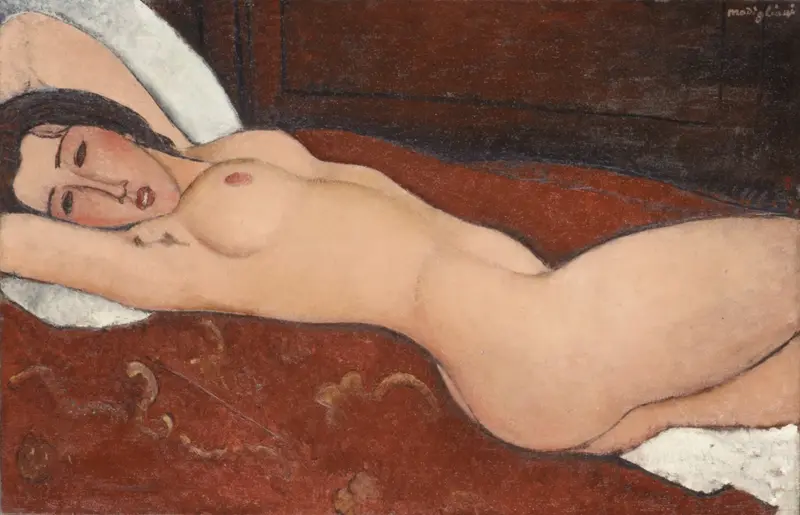
Reclining Nude
Amedeo Modigliani

Portrait Of Jeanne Hébuterne
Amedeo Modigliani

Jeanne Hébuterne
Amedeo Modigliani
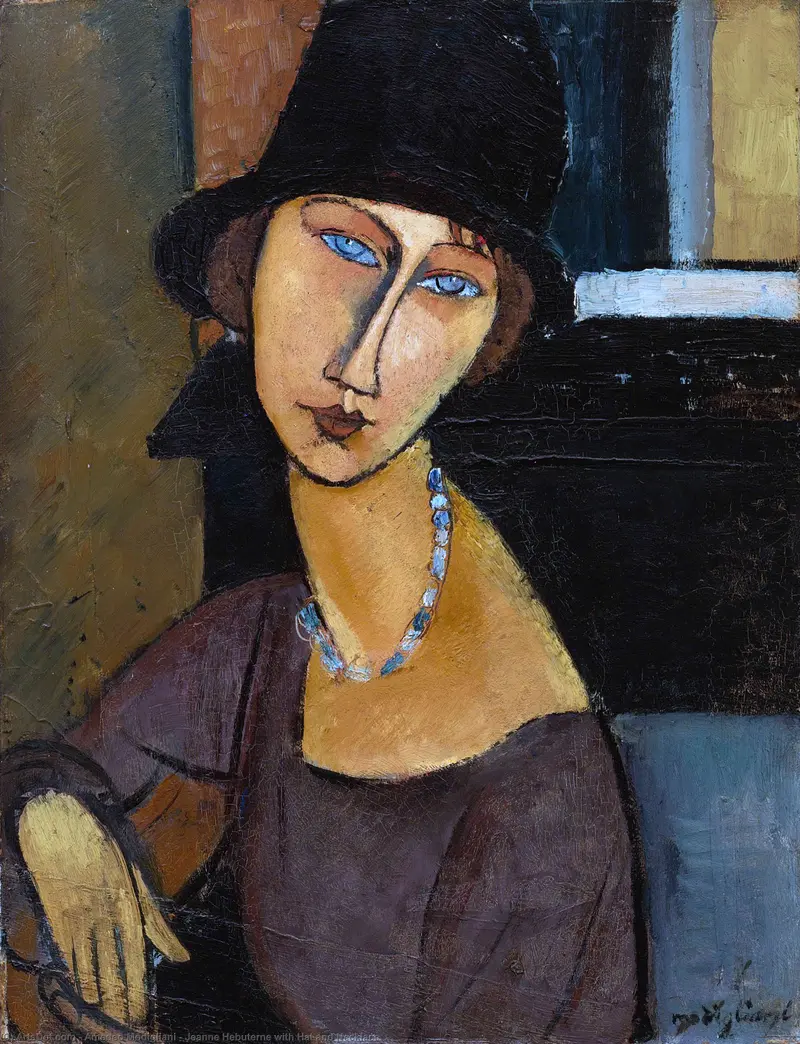
Jeanne Hébuterne with Hat and Necklace
Amedeo Modigliani
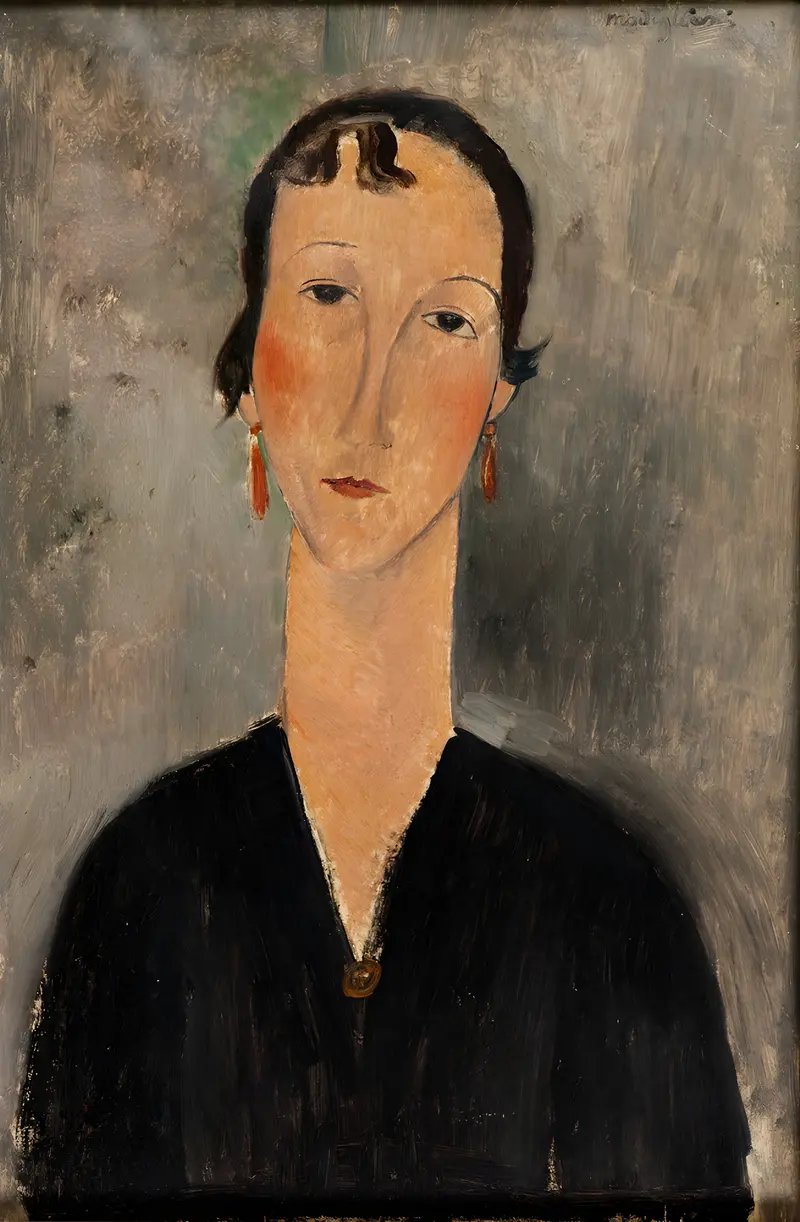
Femme aux boucles d'oreilles
Amedeo Modigliani
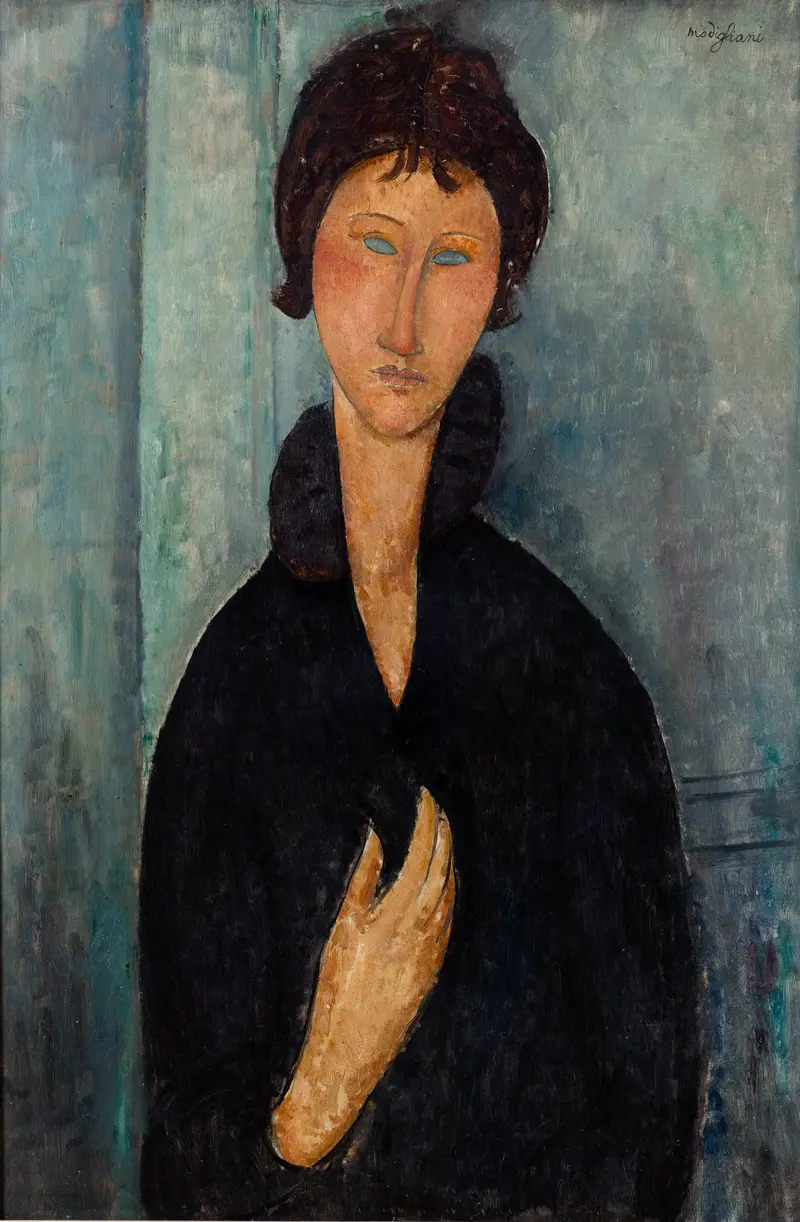
Femme aux yeux bleus
Amedeo Modigliani
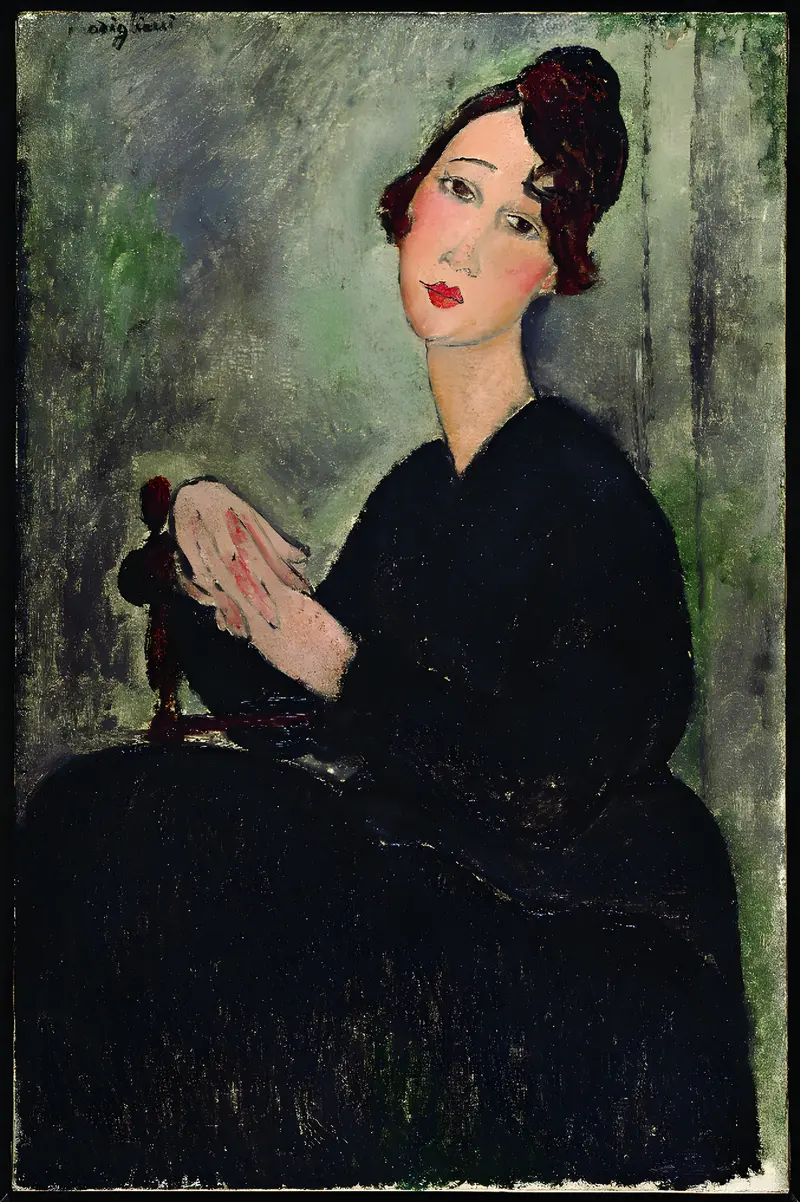
Portrait of Dedie
Amedeo Modigliani
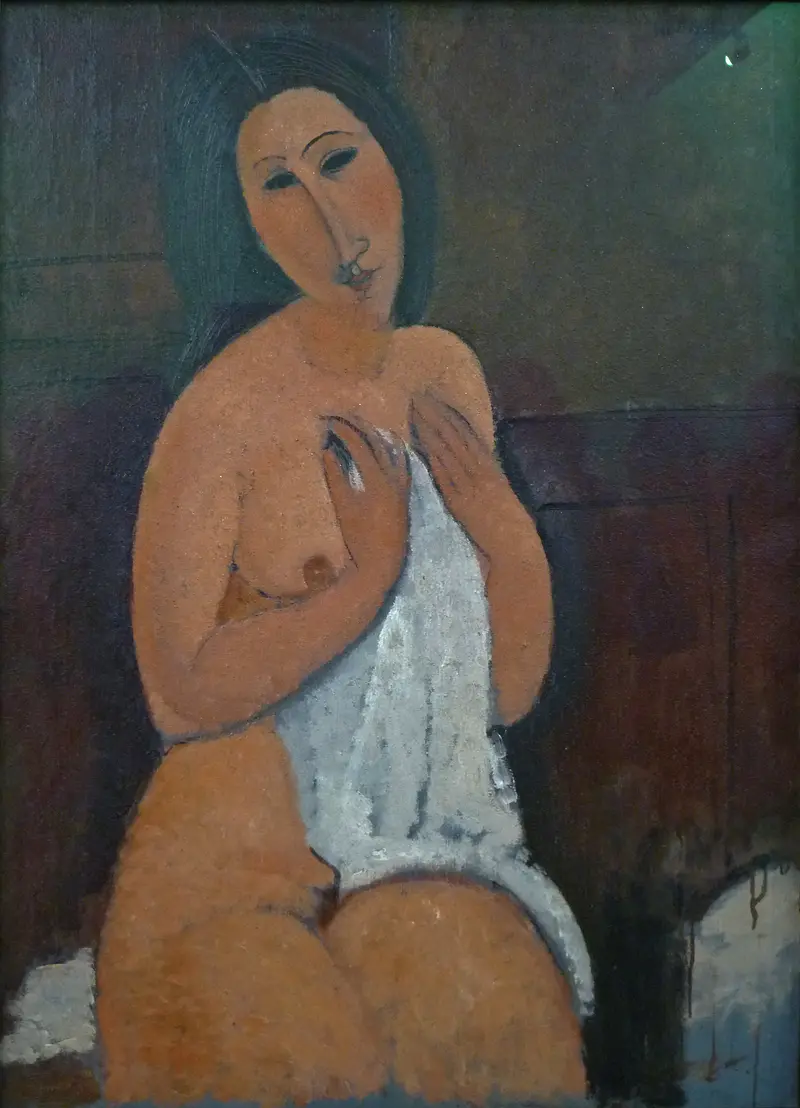
Seated nude with shirt
Amedeo Modigliani
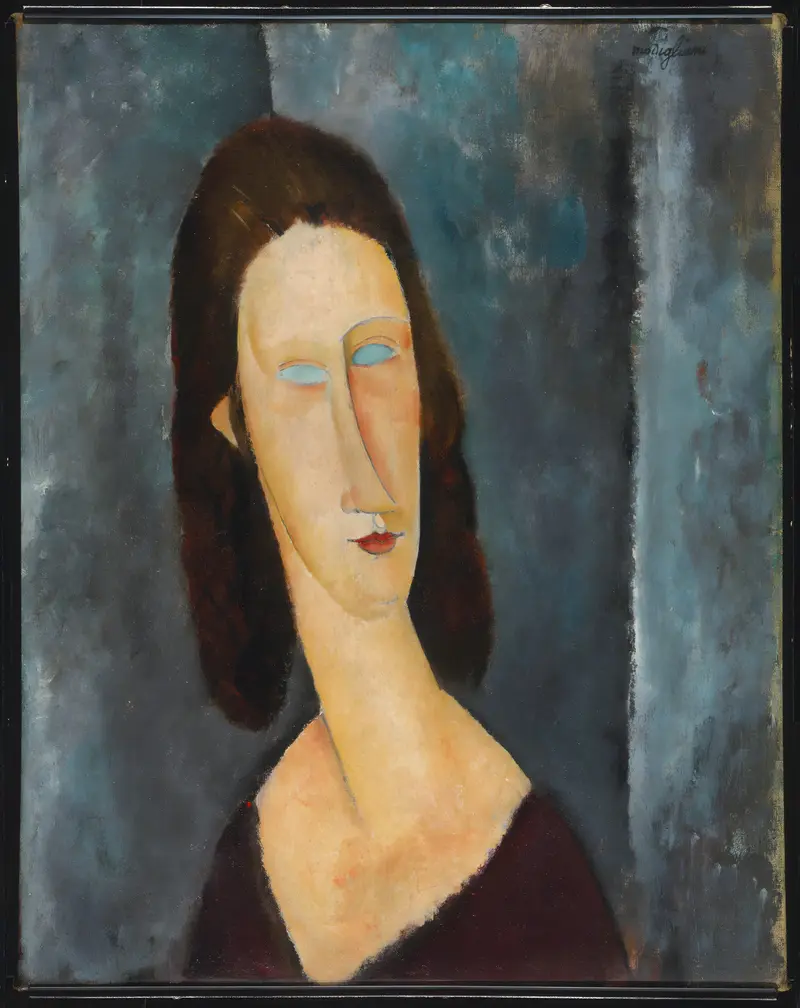
Blue Eyes (Portrait of Madame Jeanne Hébuterne)
Amedeo Modigliani
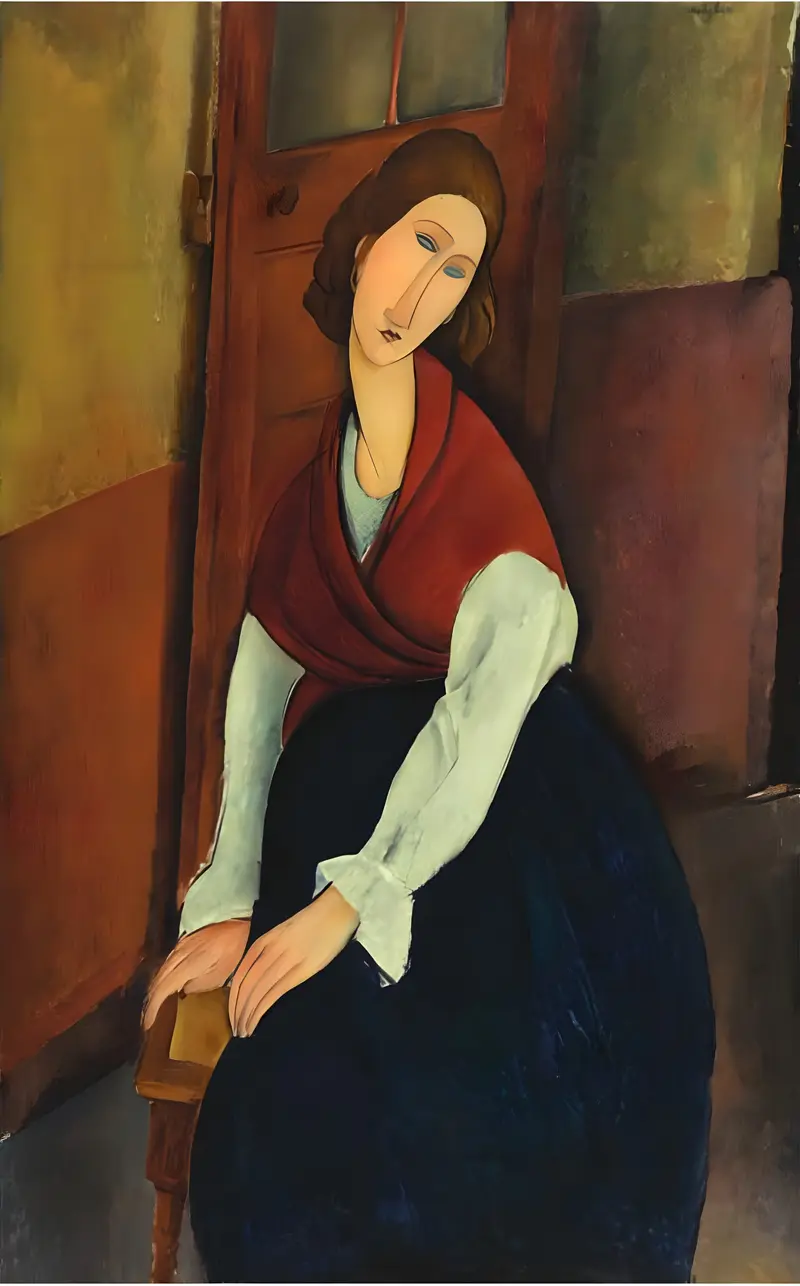
Jeanne Hebuterne in Red Shawl
Amedeo Modigliani
More Genre Scene Art

Banquet of the Officers of the St George Civic Guard
Frans Hals

Rembrandt and Saskia in the Scene of the Prodigal Son
Rembrandt van Rijn

Bal du moulin de la Galette
Pierre-Auguste Renoir

Quadrille at the Moulin Rouge
Henri de Toulouse-Lautrec

A Burial at Ornans
Gustave Courbet

When Will You Marry?
Paul Gauguin