
The Charmer — History & Facts
A ripple of music seems to hang in the air before you even notice the strings. The young woman, perched on the mossy ledge, draws the eye first with her intent gaze—not at the viewer, but at the water below, where a school of silvery fish gather in fascination. Her fingers hover over the lyre, caught mid-note, while her bare feet dangle just above the surface, blurring the boundary between the enchanted forest and the living water.
The folds of her blue-green garment echo the currents below, and the wild roses creeping at her side hint at a world where nature listens and responds. Painted in 1911 by John William Waterhouse, The Charmer belongs to a moment when myth and reverie were given new life in British art. The artist’s love of classical legend is clear, but unlike the grand history paintings of earlier decades, this scene is intimate, almost secretive. Such works were often created for private collectors—lovers of poetry and Pre-Raphaelite romance—who sought escape from the industrial world into visions of beauty and longing.
Little is recorded about the journey of this particular painting, now preserved in an online collection, but its spell endures: the longer you look, the more you sense the hush before the next note, and the silent audience gathered just below the surface.
More Artworks by John William Waterhouse
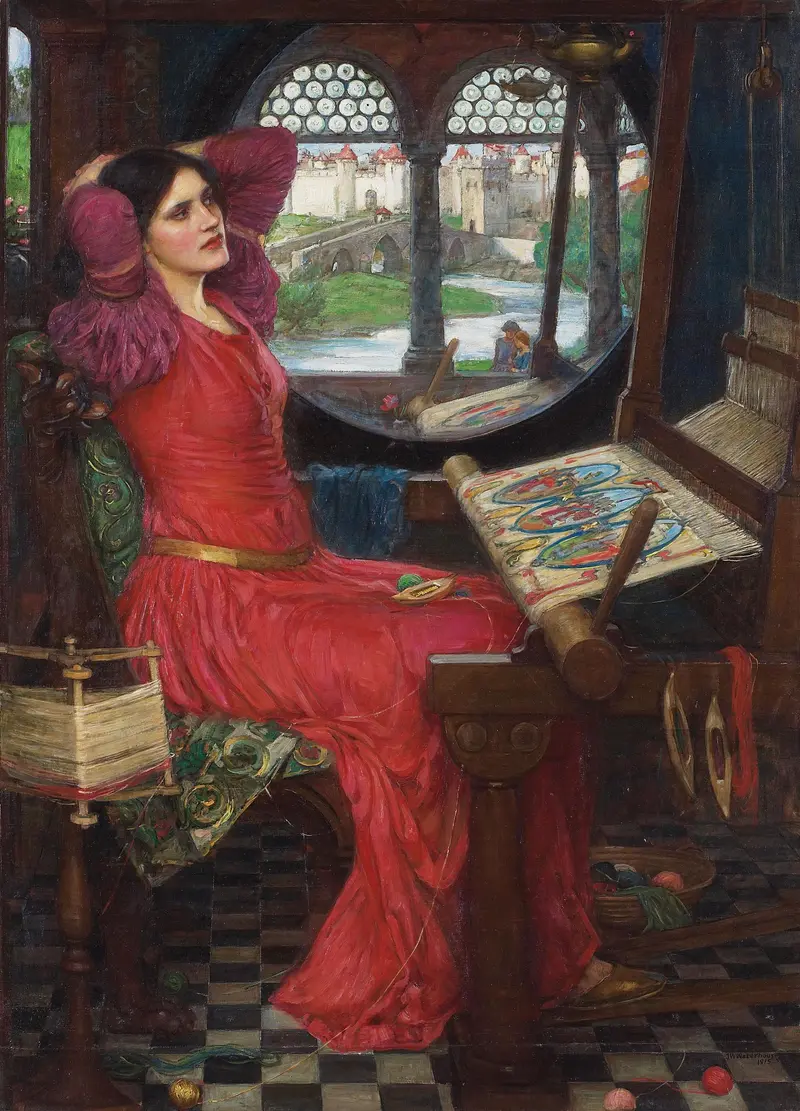
'I Am Half-Sick of Shadows,' Said the Lady of Shalott
John William Waterhouse

The Favourites of the Emperor Honorius, 1883
John William Waterhouse
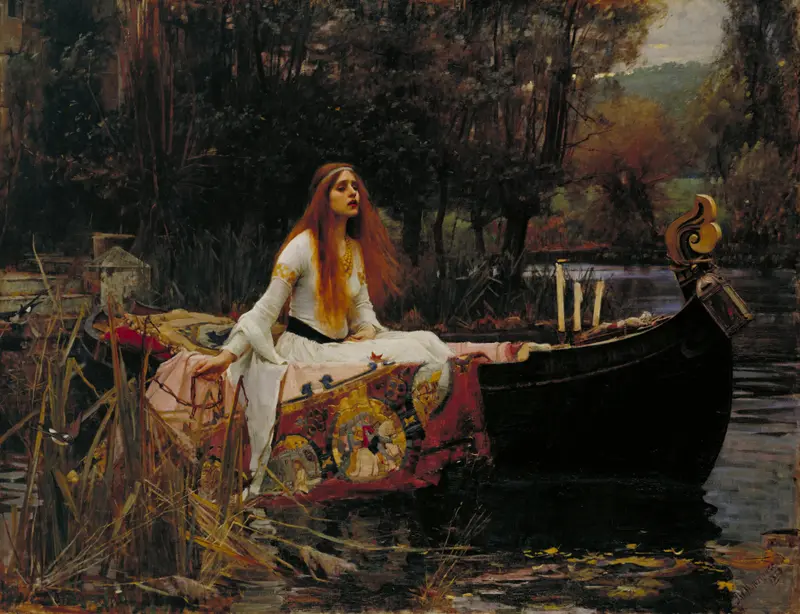
The Lady of Shalott
John William Waterhouse
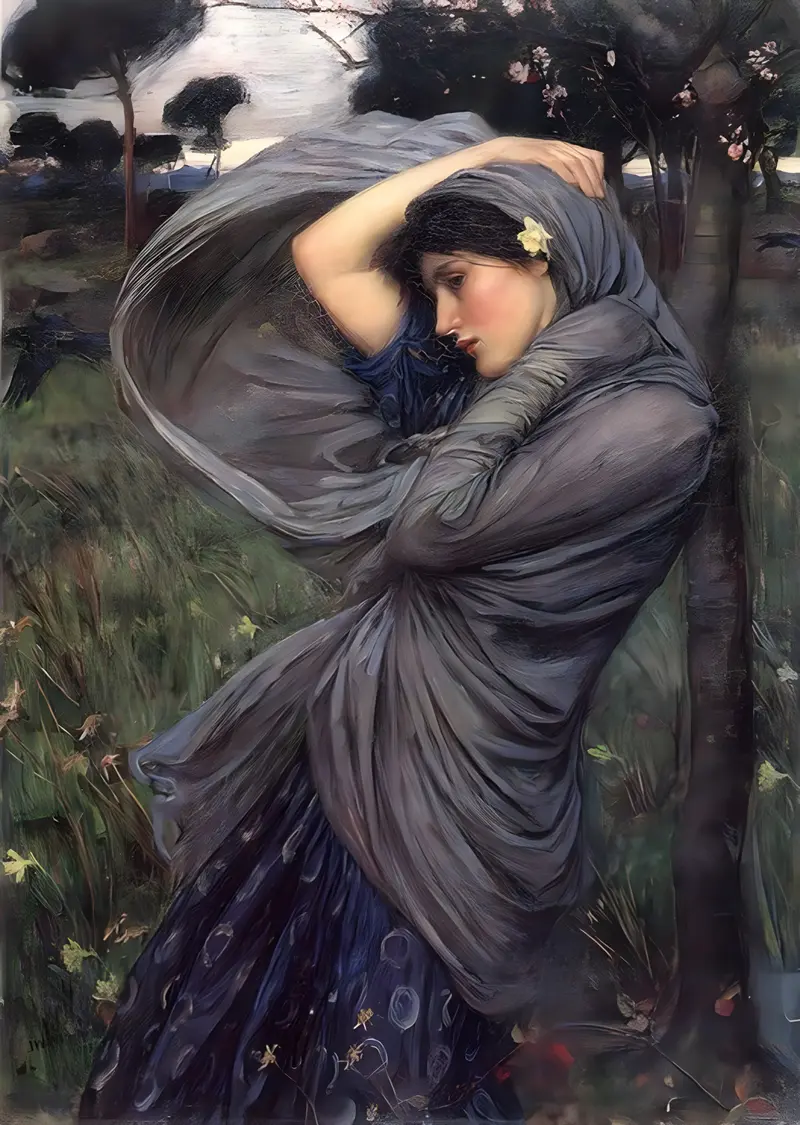
Boreas
John William Waterhouse
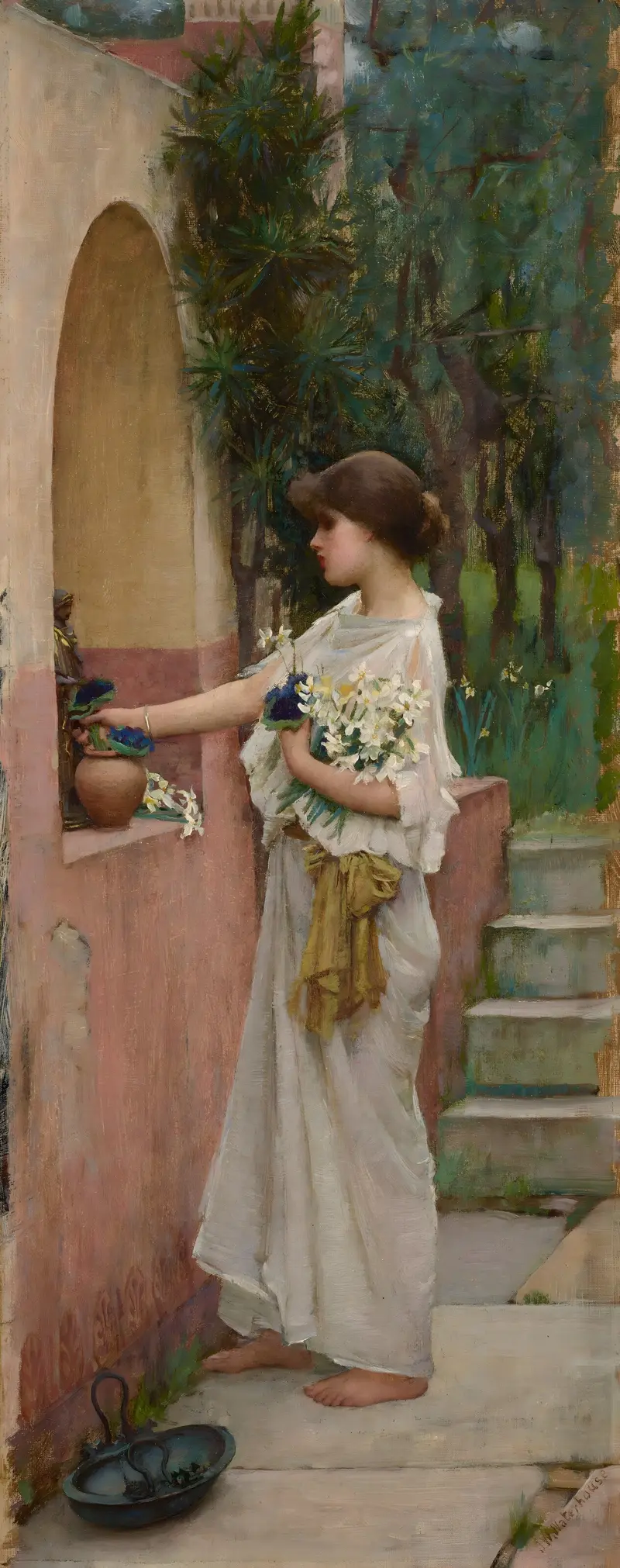
A Roman Offering
John William Waterhouse
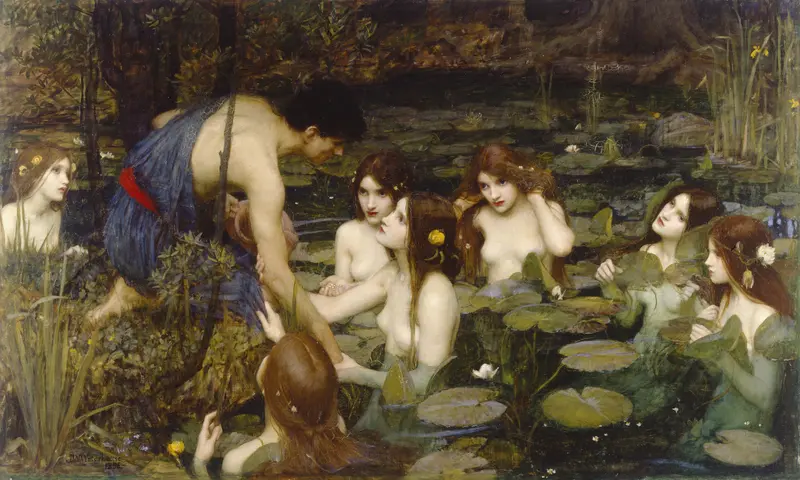
Hylas and the Nymphs
John William Waterhouse
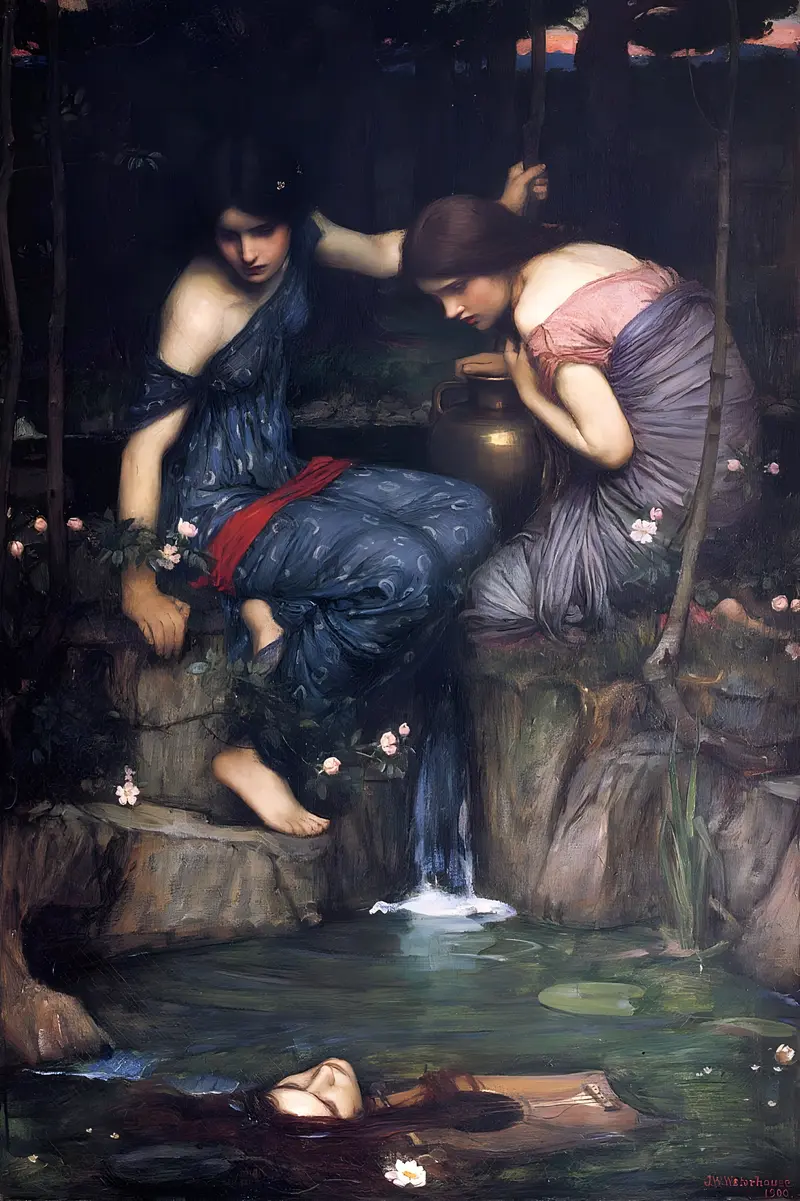
Nymphs Finding the Head of Orpheus
John William Waterhouse
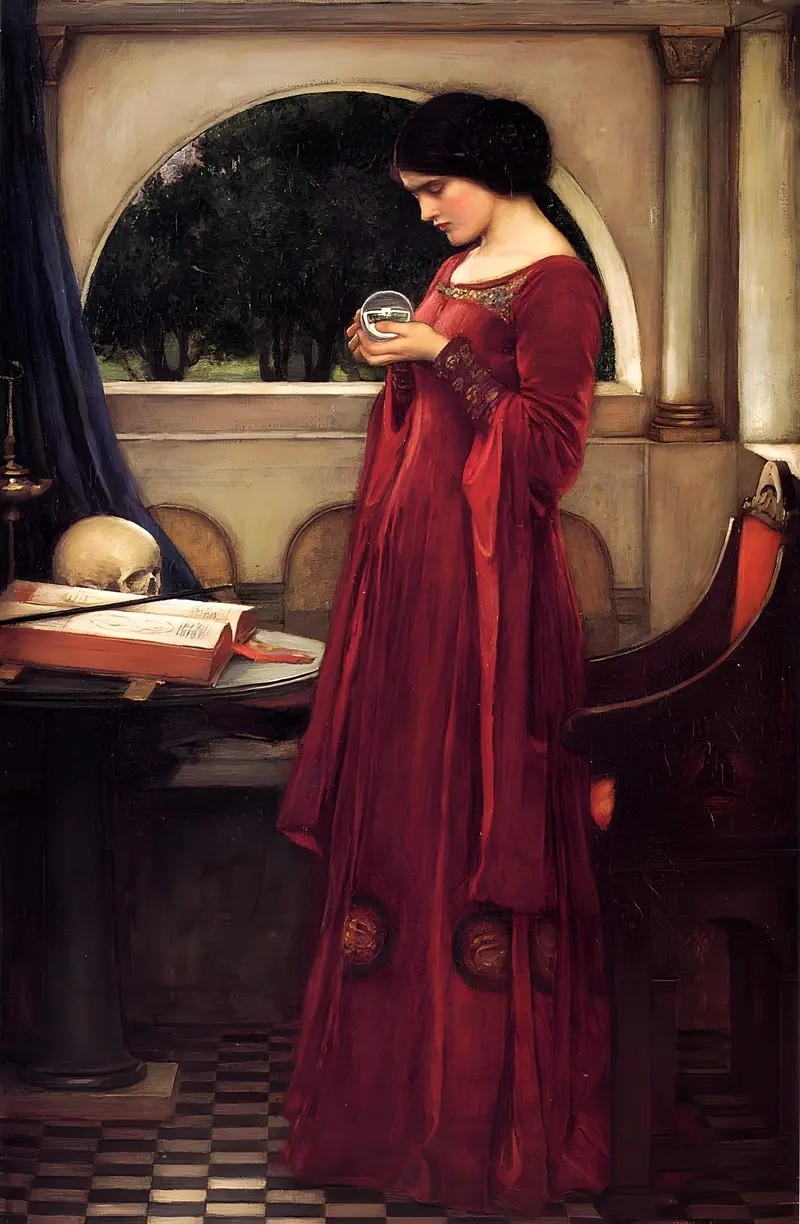
The Crystal Ball
John William Waterhouse
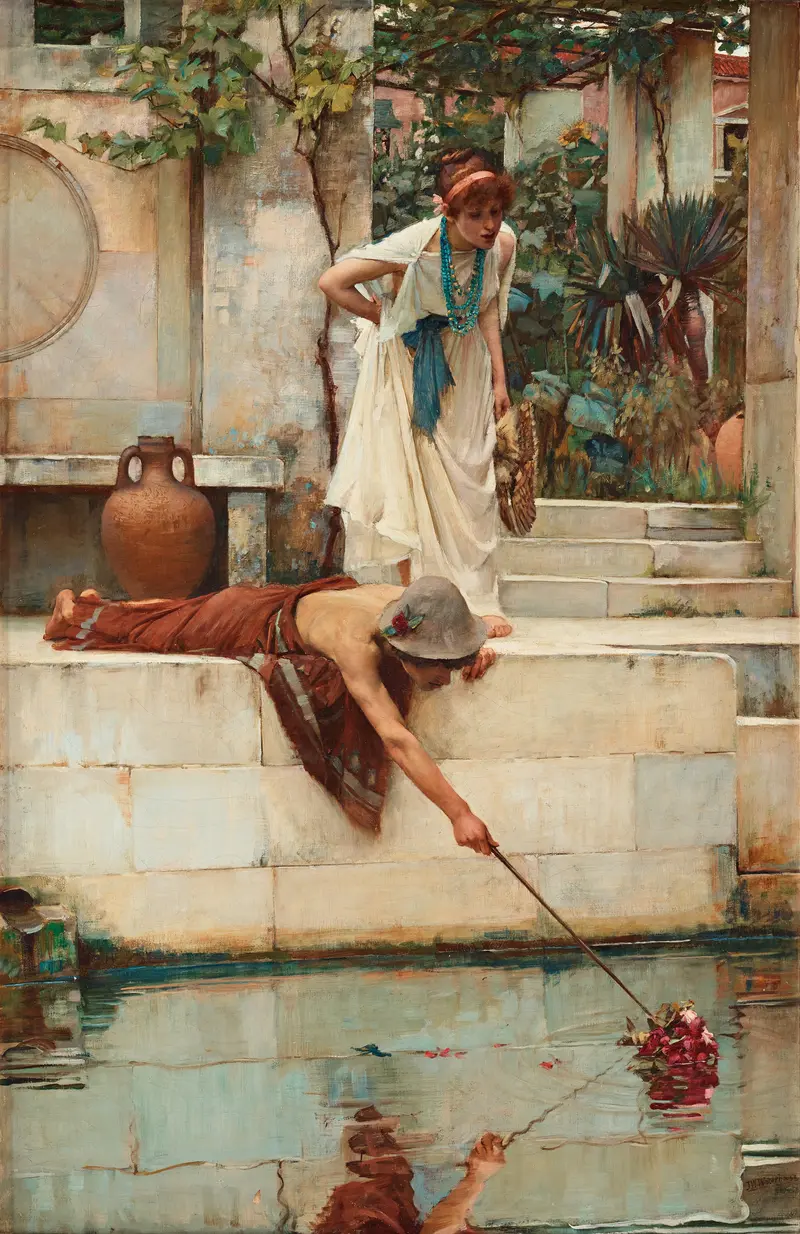
The Rescue
John William Waterhouse
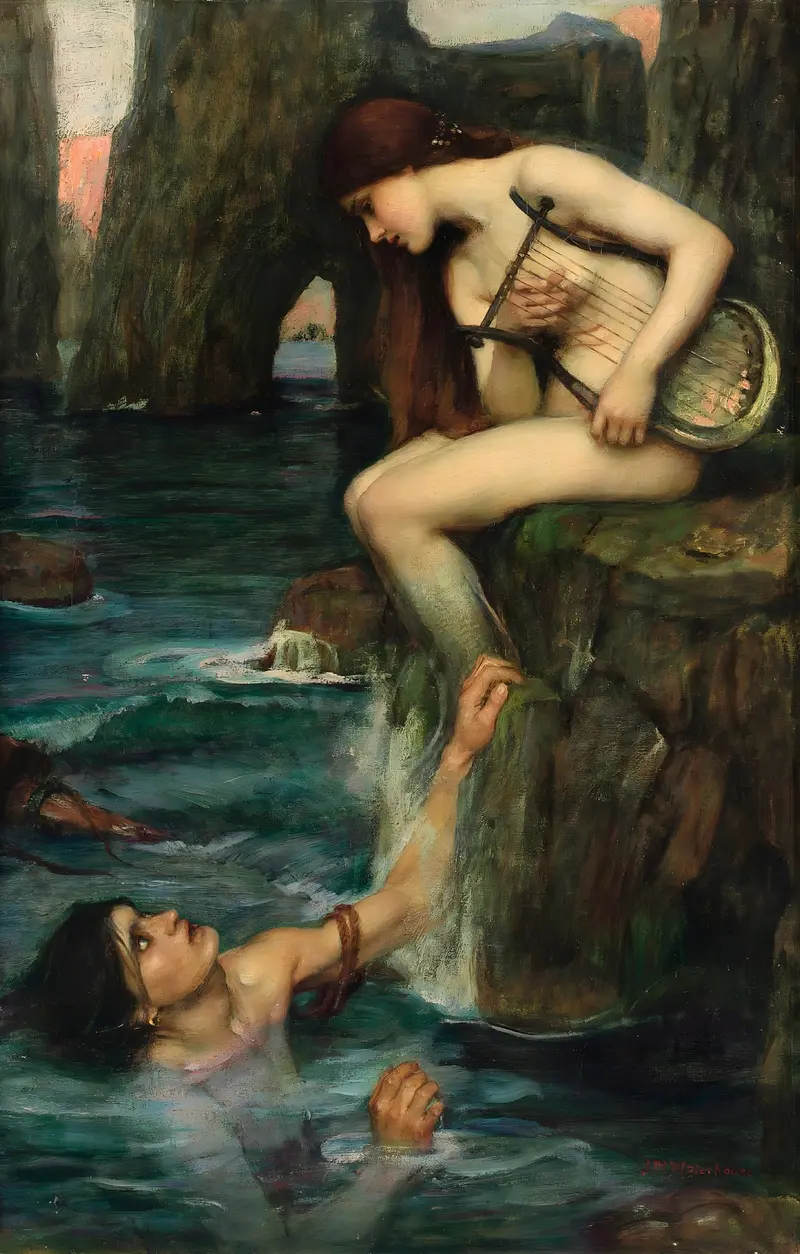
The Siren, 1900
John William Waterhouse





