
The Danaides — History & Facts
What draws the eye first in The Danaides is the quiet rhythm of repetition: five women, each absorbed in the same futile labor, pour water from heavy, golden vessels into a cauldron whose carved mouth spits it out as quickly as it arrives. The figures form a gentle arc, their bodies turned inward, shoulders sloped with the weight of their task. The light, cool and even, glances off bare skin and the metallic gleam of the jugs, emphasizing both the sensuality and the monotony of the scene.
Every gesture is deliberate: one woman raises her vessel high, another bends low, their faces set in concentration or resignation. The drapery clings and falls in heavy folds, signaling both classical inspiration and the late Victorian fascination with mythic themes. Painted in 1903, this work by John William Waterhouse belongs to the long tradition of mythological painting that flourished in Britain at the turn of the twentieth century. Such pictures were often destined for private collectors hungry for scenes that blended classical learning with emotional resonance and decorative beauty.
The Danaides—drawn from Greek myth as the fifty daughters condemned to endless labor—offered artists a way to explore both the allure and the melancholy of repetition. Waterhouse, known for his lush, narrative approach, here places the viewer in the midst of a world where ancient stories were not distant, but urgent and alive. The painting’s presence in the Art Renewal Center collection today is a reminder that, while history has kept few traces of its early journey, its spell endures in the endless cycle it so patiently records.
More Artworks by John William Waterhouse
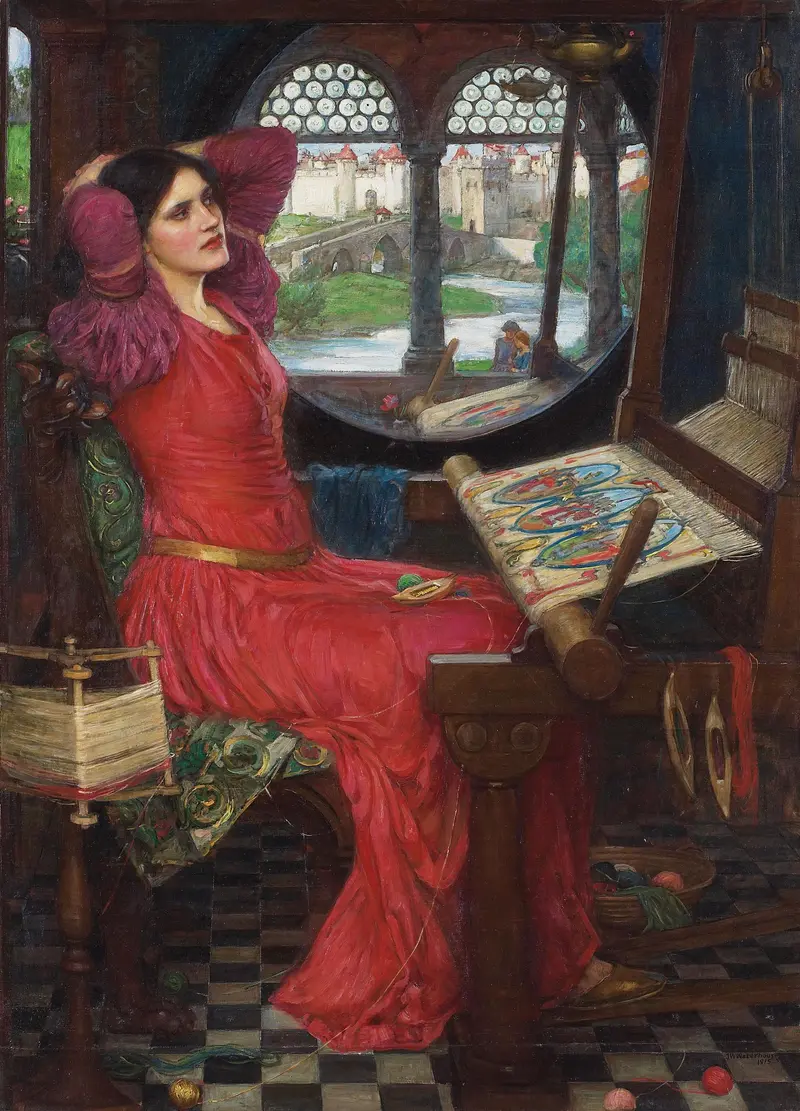
'I Am Half-Sick of Shadows,' Said the Lady of Shalott
John William Waterhouse

The Favourites of the Emperor Honorius, 1883
John William Waterhouse

The Lady of Shalott
John William Waterhouse
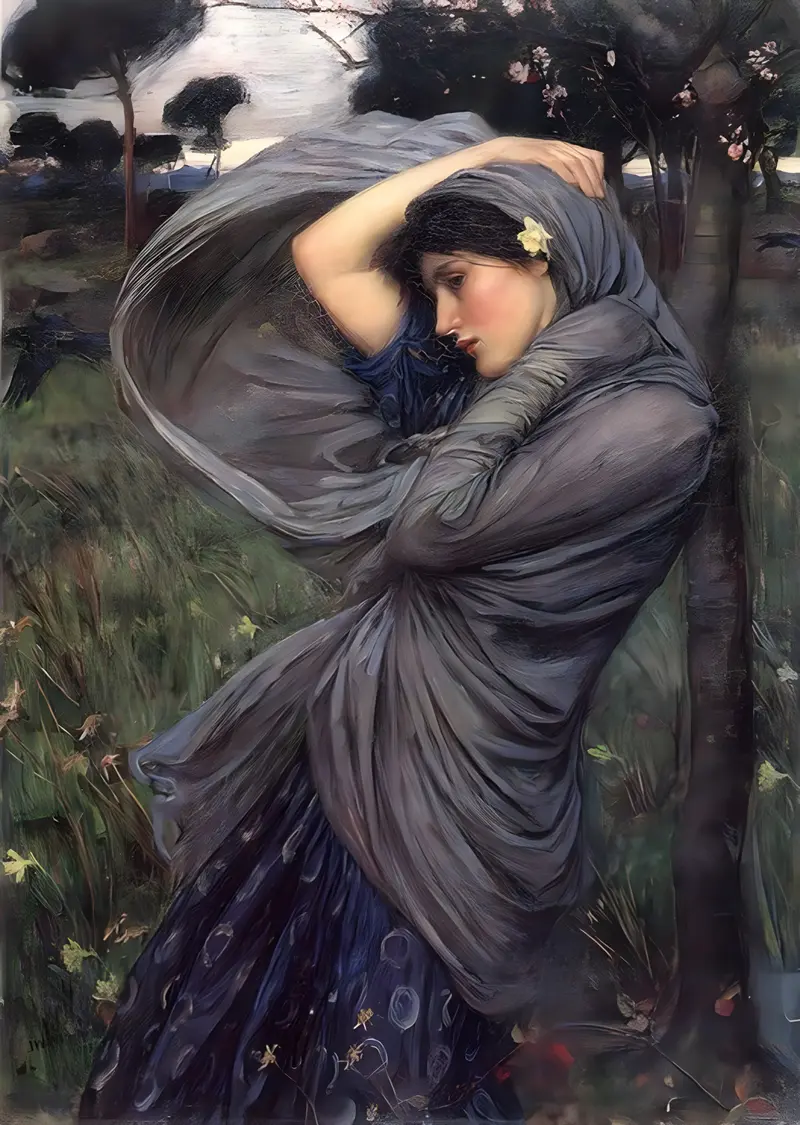
Boreas
John William Waterhouse
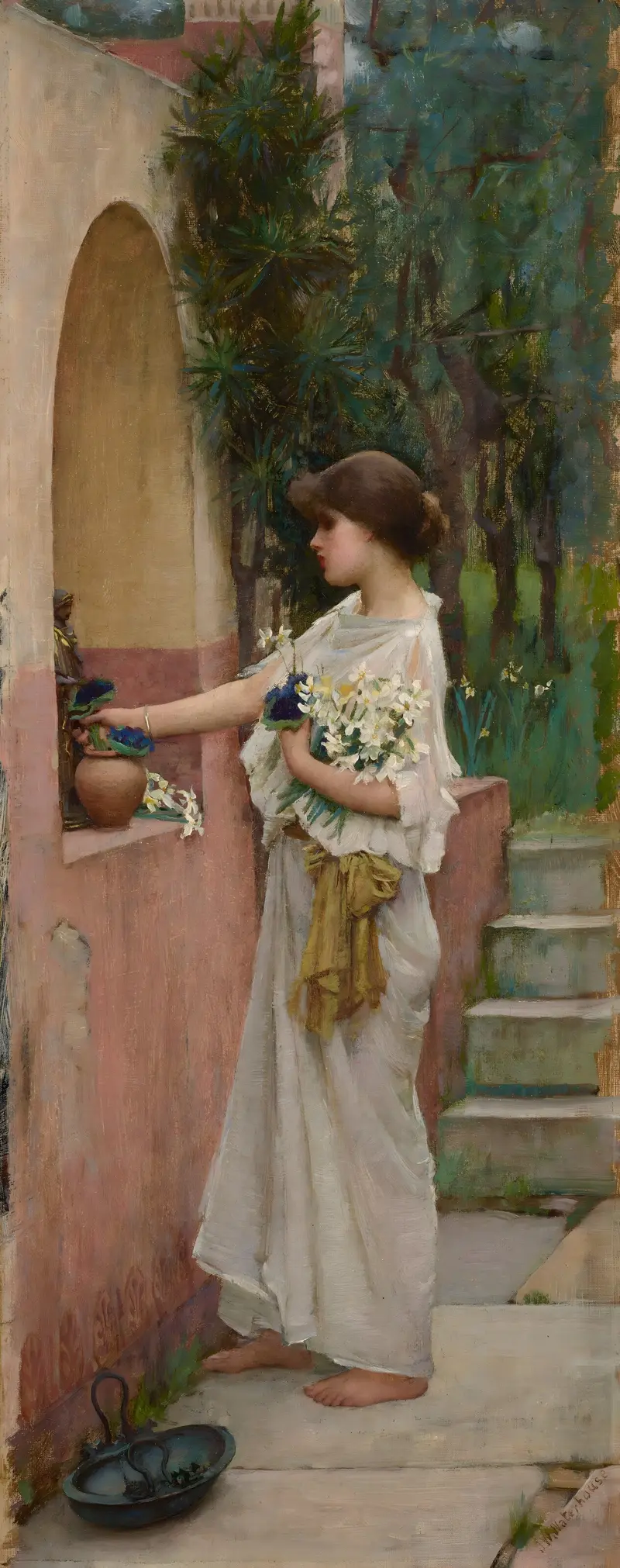
A Roman Offering
John William Waterhouse
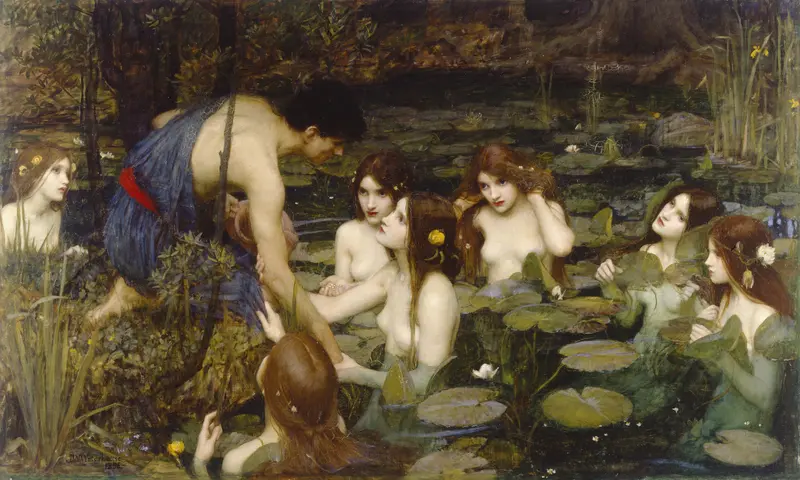
Hylas and the Nymphs
John William Waterhouse
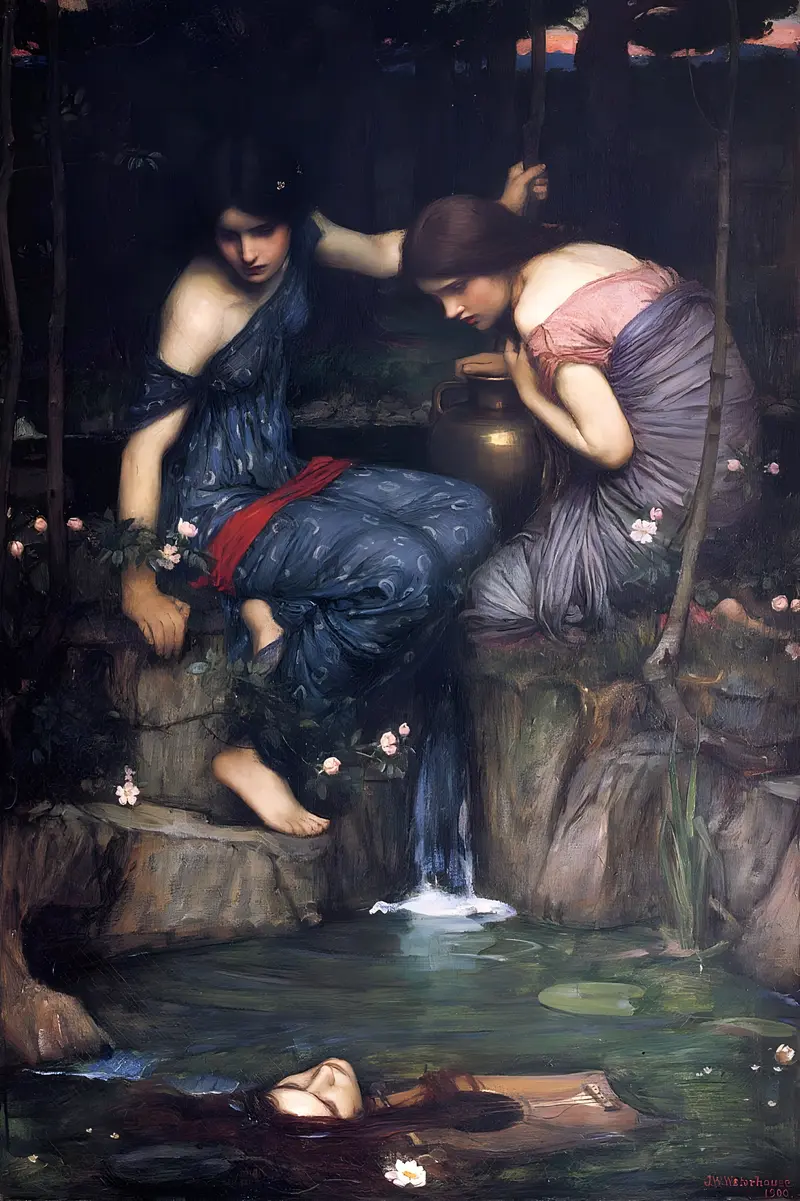
Nymphs Finding the Head of Orpheus
John William Waterhouse
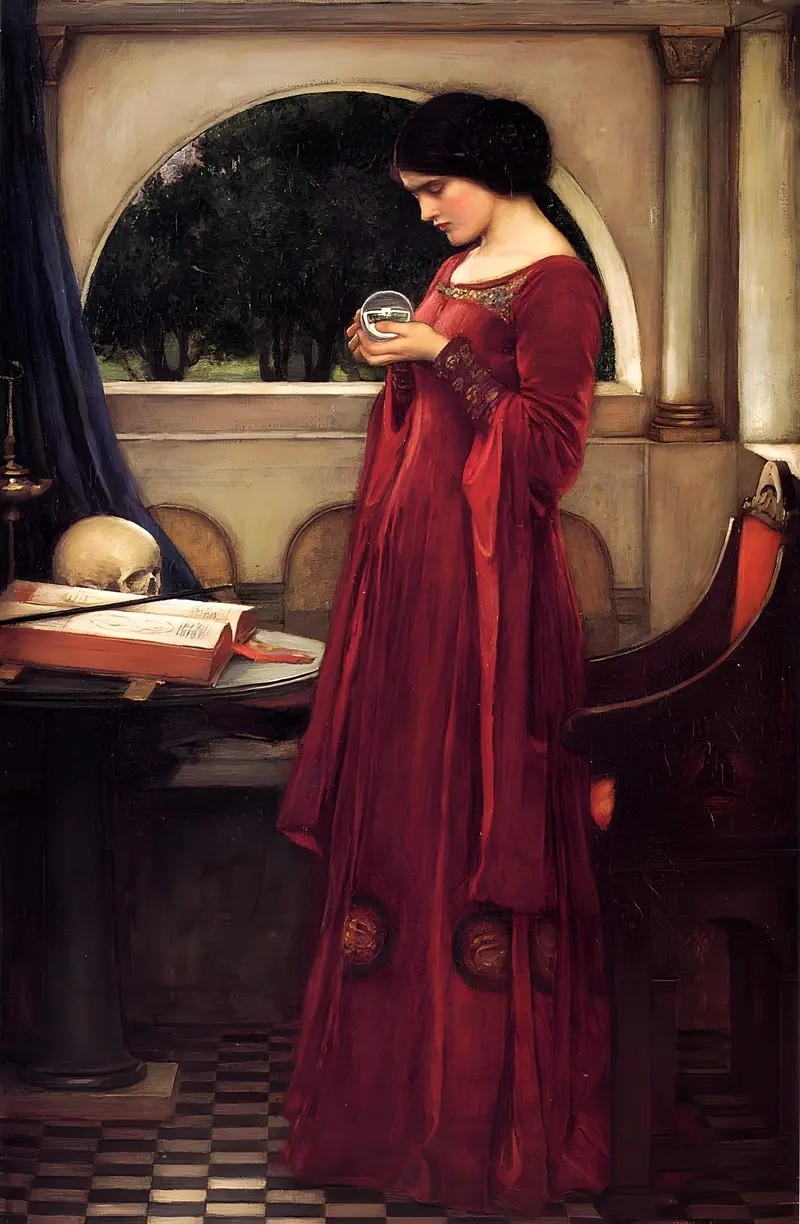
The Crystal Ball
John William Waterhouse
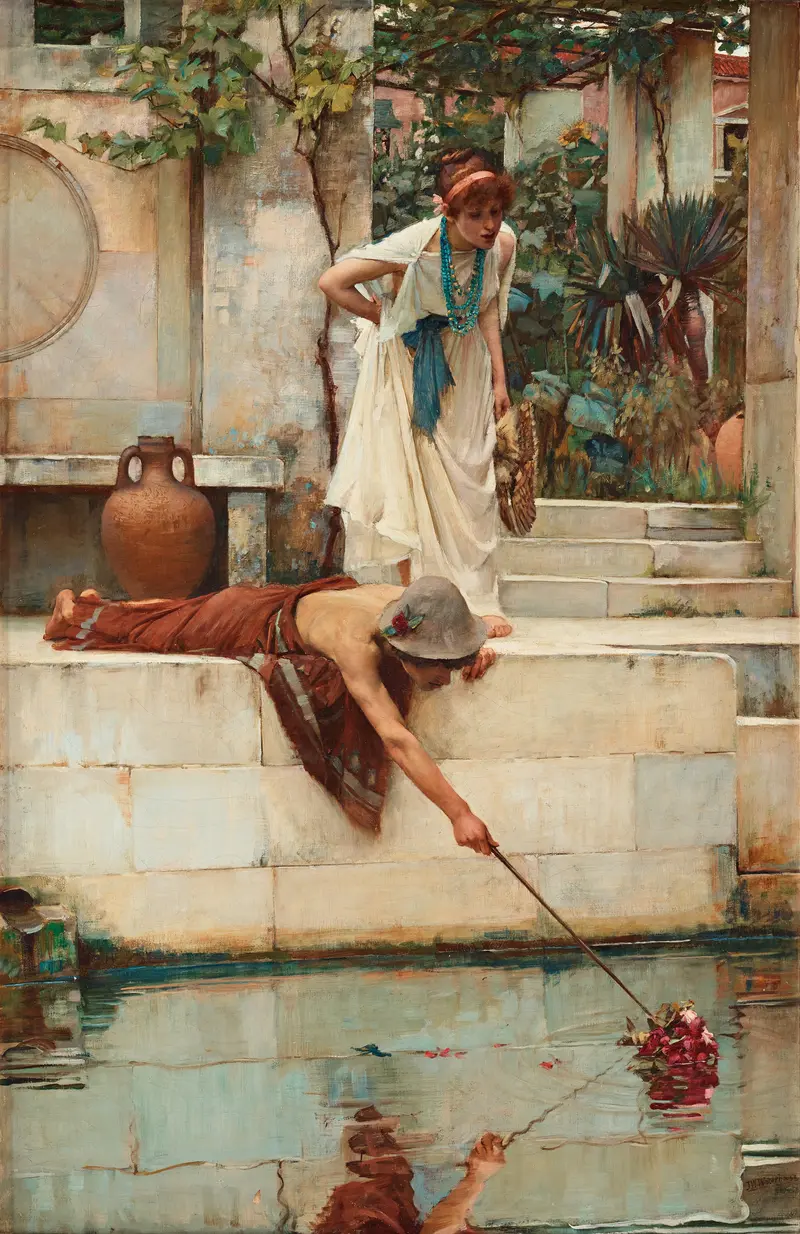
The Rescue
John William Waterhouse
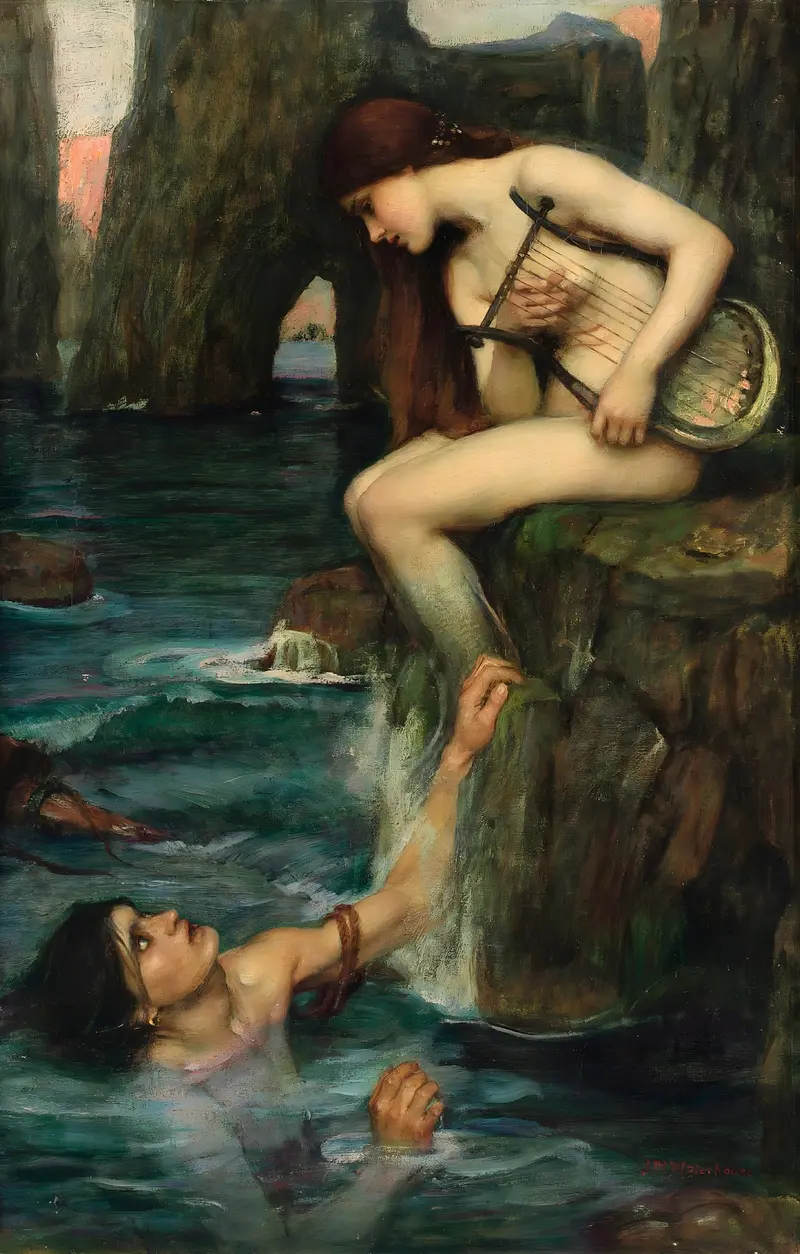
The Siren, 1900
John William Waterhouse





