
The Defense of Cadiz Against the English — History & Facts
In 1634, the Spanish court called upon Francisco de Zurbarán to commemorate one of Spain’s proudest recent victories: the failed English assault on Cádiz in 1625. This commission was part of a grand decorative scheme for the Hall of Realms in the Buen Retiro Palace, where Zurbarán’s canvas would hang alongside works by Velázquez and Maino, each celebrating Spanish military prowess. The English, led by the Duke of Buckingham, had arrived with a fleet of 100 ships, only to be repelled by the city’s defenders under the command of the elderly but resolute Fernando Girón.
The event was fresh in public memory, and the painting was meant as both record and warning: Spain’s enemies would not find easy victories. Zurbarán freezes the drama at the critical moment when Girón, in gleaming armor, directs his officers from the city walls, his baton raised in command. The defenders, clustered around him, look outward with tense determination, while the distant bay swarms with English ships, their sails catching the light. The artist’s careful attention to the metallic sheen of armor and the crisp folds of banners underscores the discipline and unity of the Spanish ranks.
Unlike Velázquez’s The Surrender of Breda, which dwells on the humanity of victors and vanquished, Zurbarán’s work is a tableau of collective resistance—no enemy faces are seen, only the steadfast resolve of Cádiz. The sunlit sky, breaking through clouds, casts a symbolic glow of hope and divine favor over the city. After its installation in the Hall of Realms, The Defense of Cadiz Against the English remained part of the royal collection, surviving the dispersal of the Buen Retiro’s decorations in the 19th century. The painting’s authorship has never been in doubt, and it stands as one of Zurbarán’s largest and most ambitious public commissions, contrasting with the quieter religious works for which he is best known.
Today, it hangs in the Museo del Prado, a testament not only to a moment of Spanish pride but also to Zurbarán’s ability to translate historical narrative into compelling visual drama. The canvas continues to anchor the Prado’s display of 17th-century Spanish history painting, inviting viewers to step into a pivotal episode of the nation’s past.
More Artworks by Francisco de Zurbarán
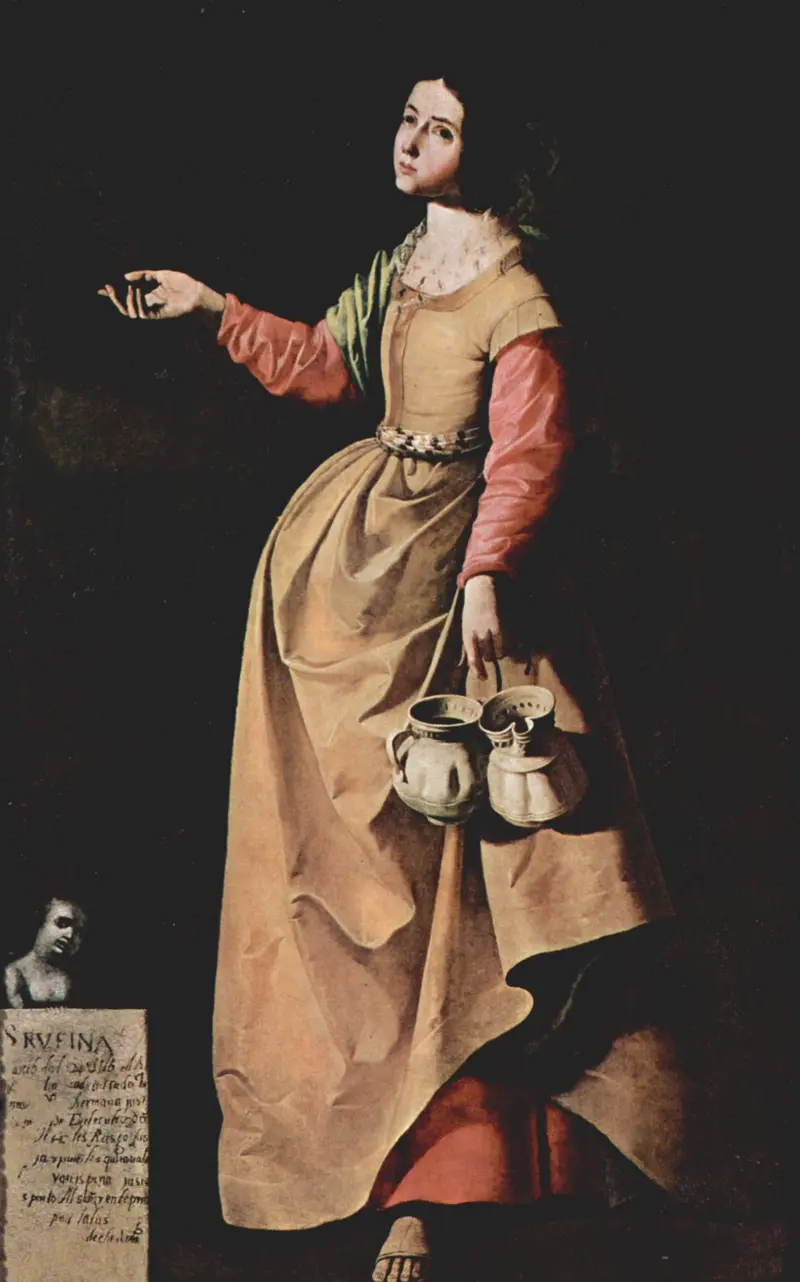
Saint Rufina
Francisco de Zurbarán
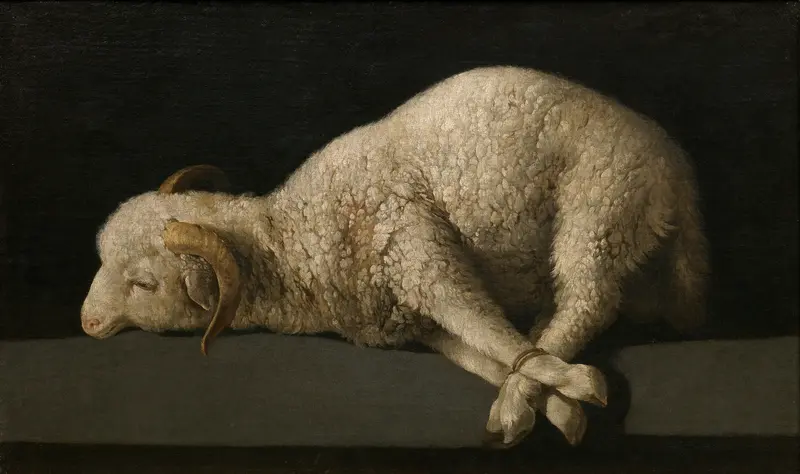
Agnus Dei
Francisco de Zurbarán
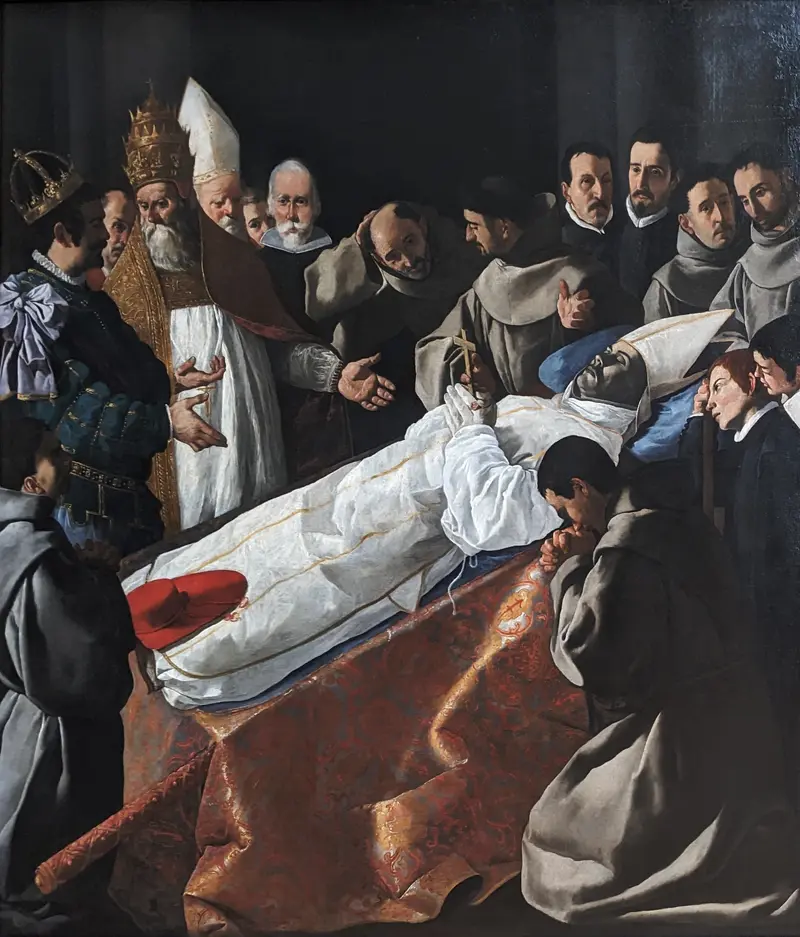
Saint Bonaventure's Body Lying in State
Francisco de Zurbarán
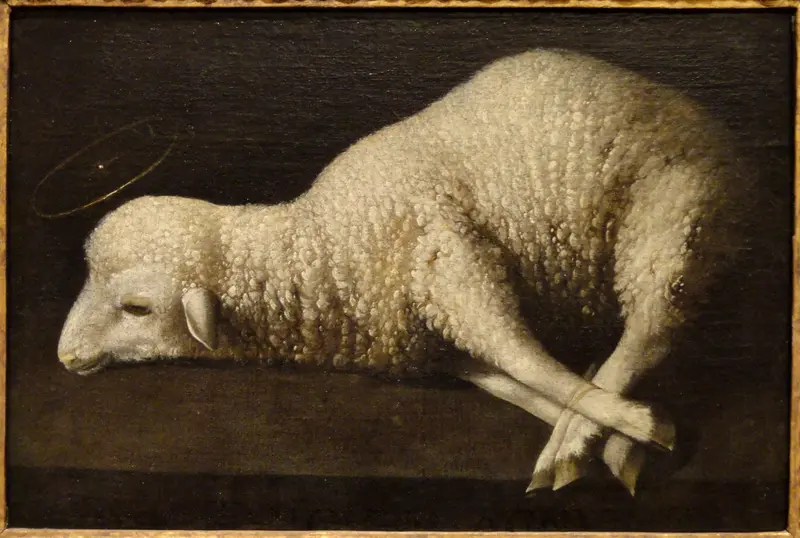
The Lamb of God
Francisco de Zurbarán

Adoration of the Magi
Francisco de Zurbarán
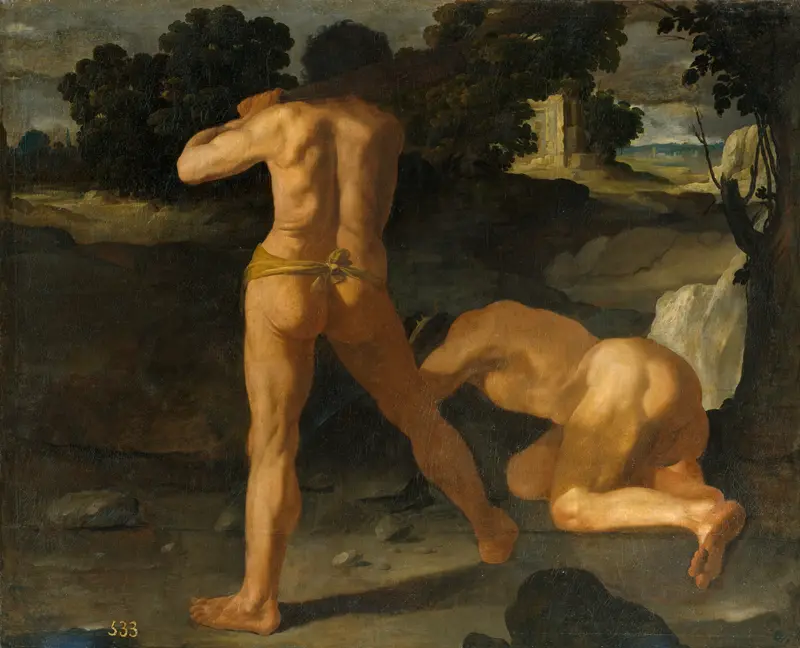
Hercules defeats King Geryon
Francisco de Zurbarán
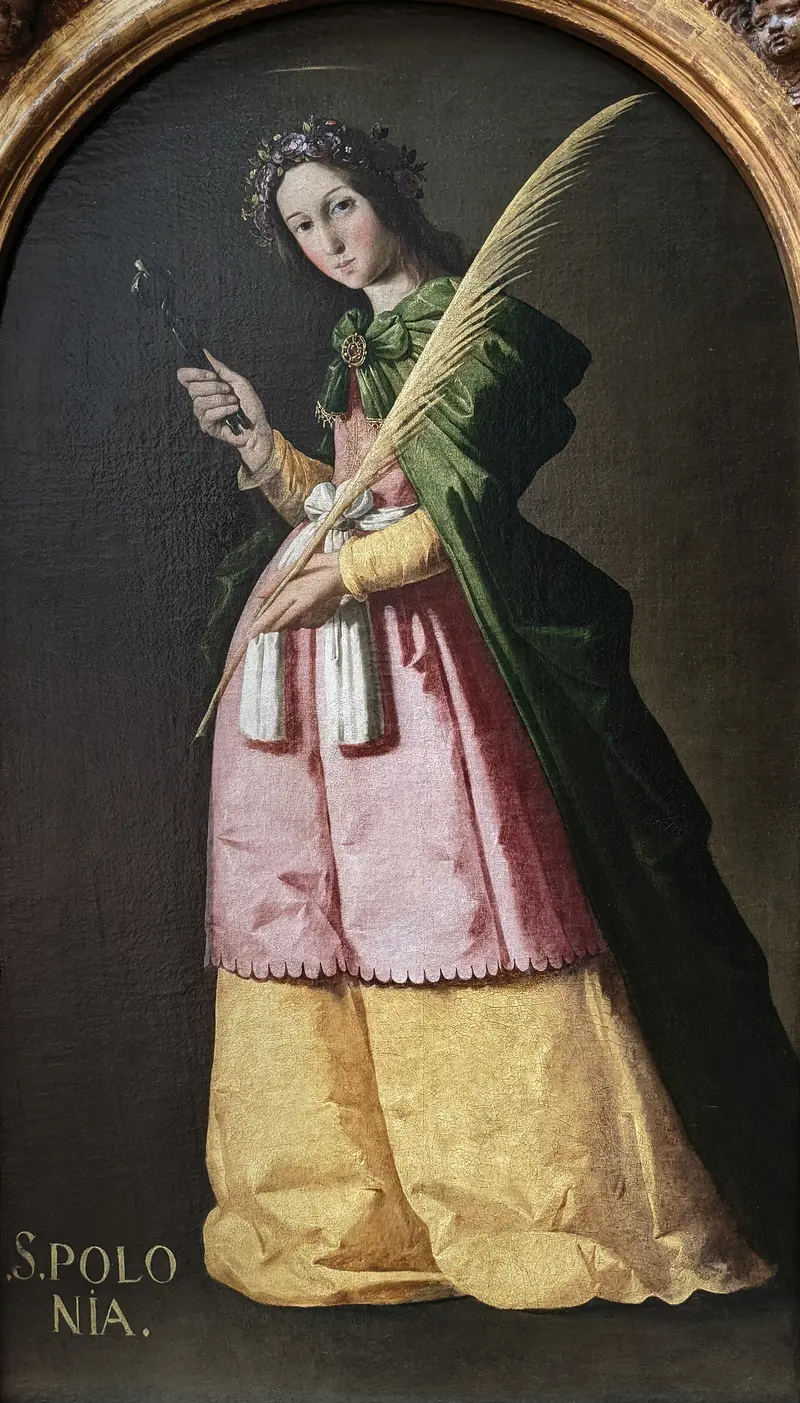
Saint Apollonia
Francisco de Zurbarán
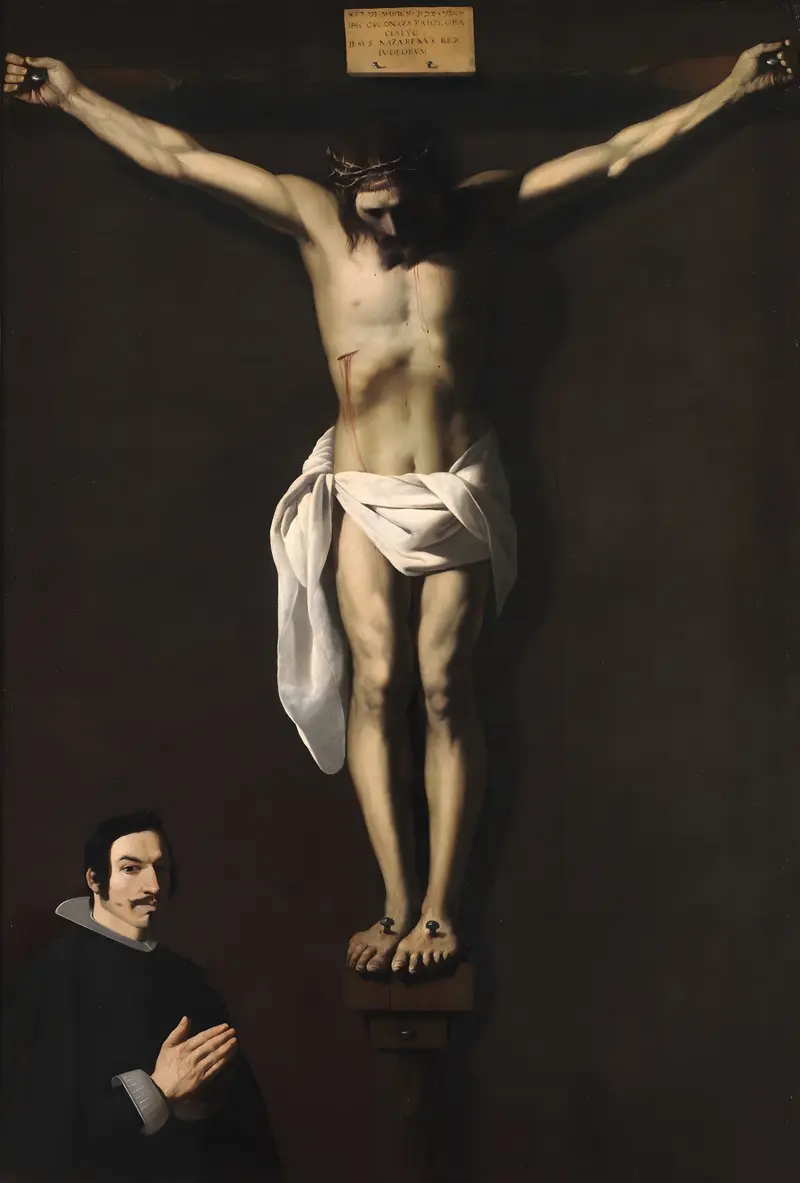
The Crucified Christ with a Donor
Francisco de Zurbarán
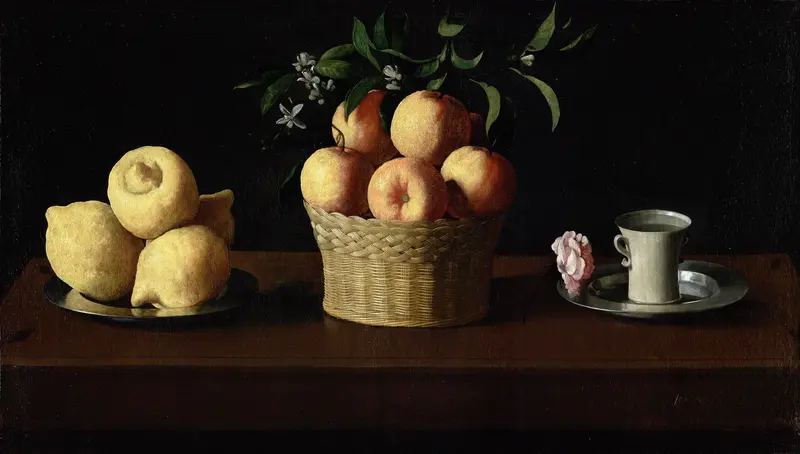
Still Life with Lemons, Oranges and a Rose
Francisco de Zurbarán
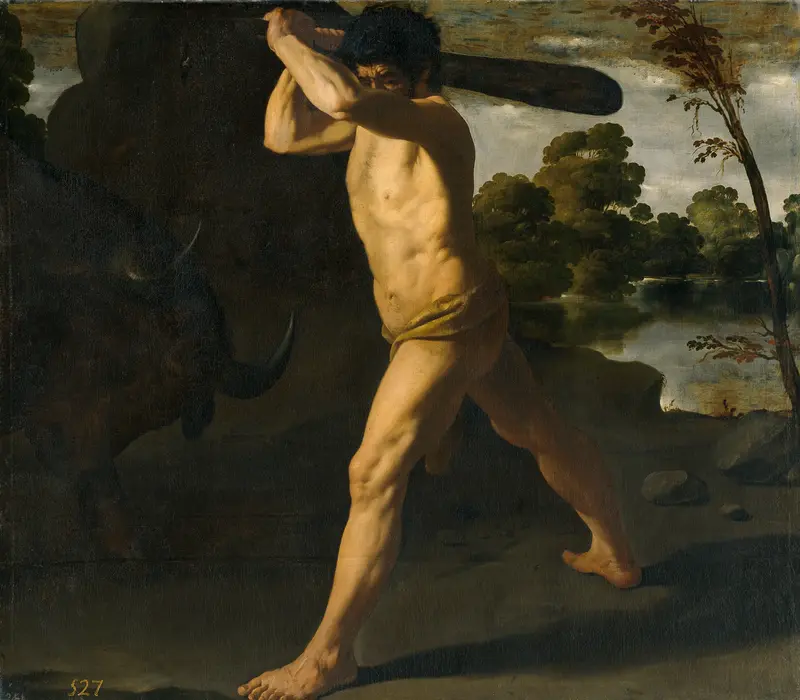
Hercules and the Cretan Bull
Francisco de Zurbarán





