
The Golden Age — History & Facts
Few themes captured the Dutch imagination like the myth of the Golden Age, and Abraham Bloemaert’s The Golden Age stands out for its unusually idyllic vision of humankind’s earliest days. While the exact date and patron of this painting remain uncertain, what is clear is its enduring popularity: Bloemaert revisited the subject multiple times, and his workshop produced several versions, each with subtle variations. This repetition speaks to the work’s resonance in the early seventeenth century, when nostalgia for a lost age of innocence was particularly strong in the Dutch Republic, a society in the midst of rapid change and prosperity. At the heart of The Golden Age is the ancient story of a time when people lived in harmony with nature, free from toil and conflict.
Bloemaert chooses to depict this mythic era at its most peaceful: men and women recline in the shade, children play, and animals graze unafraid among humans. The abundance of fruit, the flowing stream, and the gentle light all signal a world untouched by hardship. The figures’ classical poses and idealized nudity recall Italian Renaissance treatments of Arcadia, but Bloemaert’s lush flora and warm palette root the scene in the Northern landscape tradition.
Unlike Lucas Cranach the Elder’s more moralizing depictions of paradise, Bloemaert’s vision is one of sensual ease and communal joy. The painting’s precise provenance is difficult to trace, as is often the case with Bloemaert’s workshop pieces, but its style and subject place it firmly within the Utrecht school’s embrace of mythological pastoral scenes around 1600–1630. Bloemaert, a pivotal figure in this movement, influenced generations of Dutch painters with his blend of Italianate classicism and Dutch naturalism. Today, The Golden Age is recognized as a key example of his mature work, though the original version’s current location and medium are not definitively established.
Its enduring appeal lies in its vision of a lost harmony, a theme that continued to inspire artists and collectors long after Bloemaert’s time.
More Artworks by Abraham Bloemaert

Adam and Eve
Abraham Bloemaert
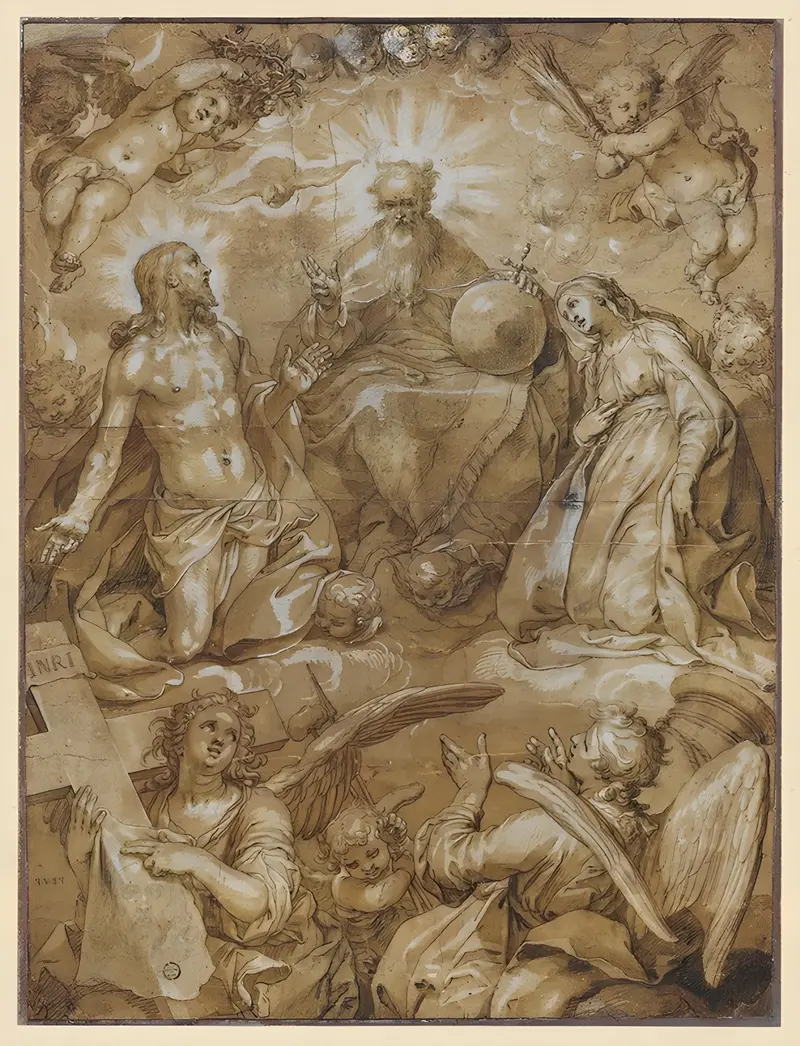
Intercession of Christ and Mary before God the Father
Abraham Bloemaert
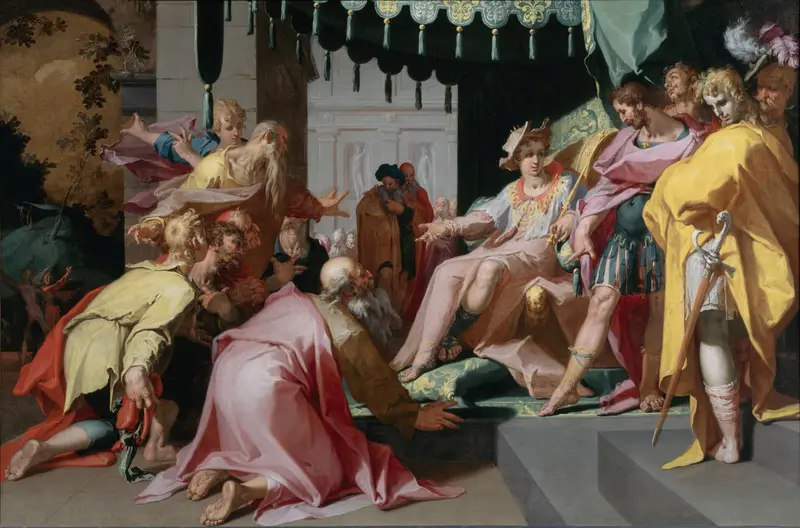
Joseph and his Brothers
Abraham Bloemaert
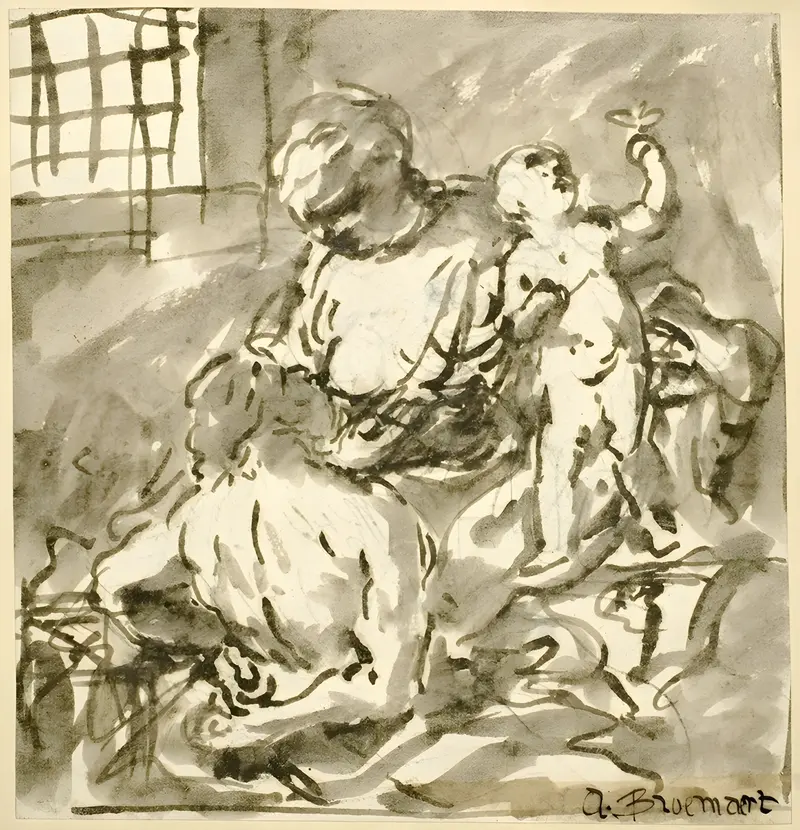
Caritas Romana
Abraham Bloemaert
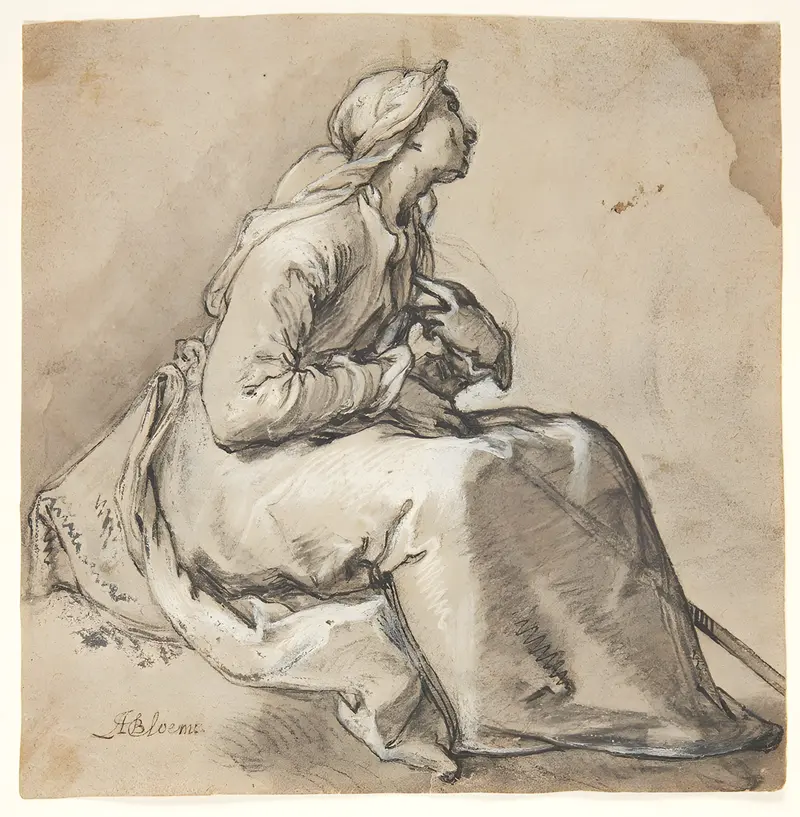
A seated woman facing right
Abraham Bloemaert
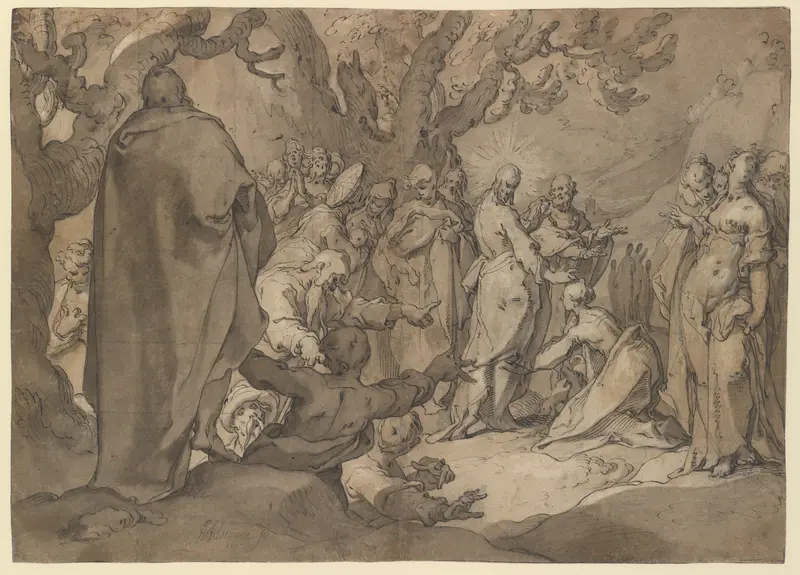
Christ and the Canaanite Women
Abraham Bloemaert
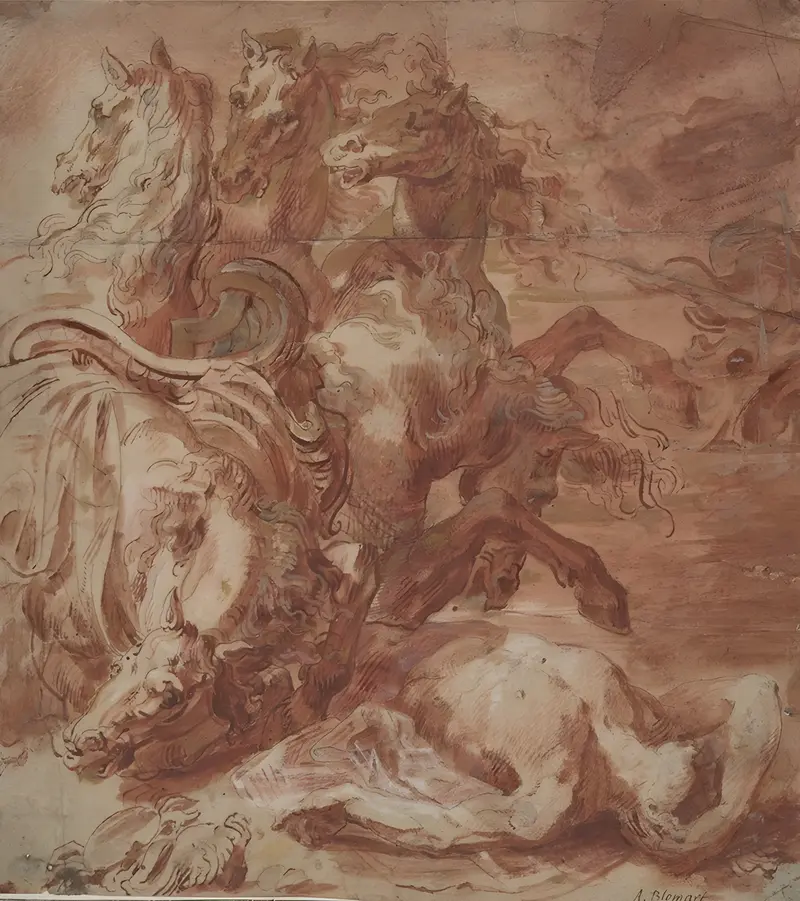
Hippolytus
Abraham Bloemaert
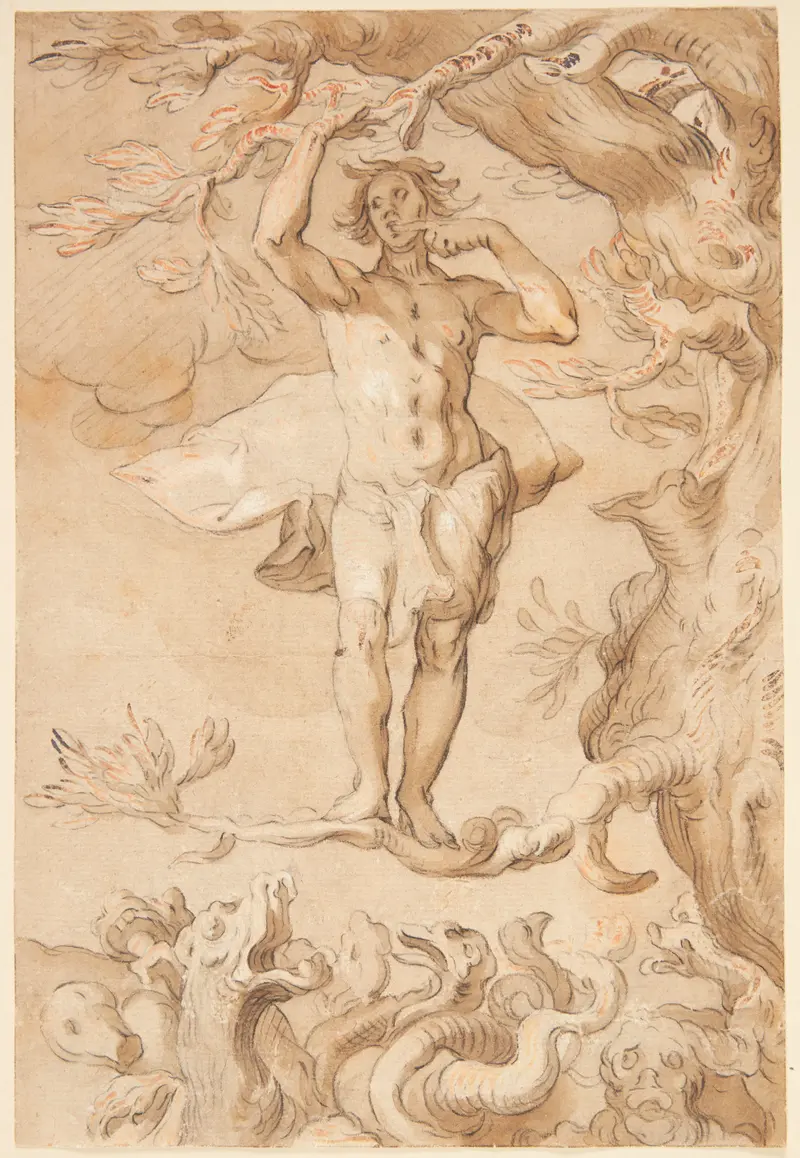
Den menneskelige glædes skrøbelighed En mand, der jages af en drage, klynger sig til en gren, mens han slikker honning af sin finger
Abraham Bloemaert

Moses Striking the Rock
Abraham Bloemaert
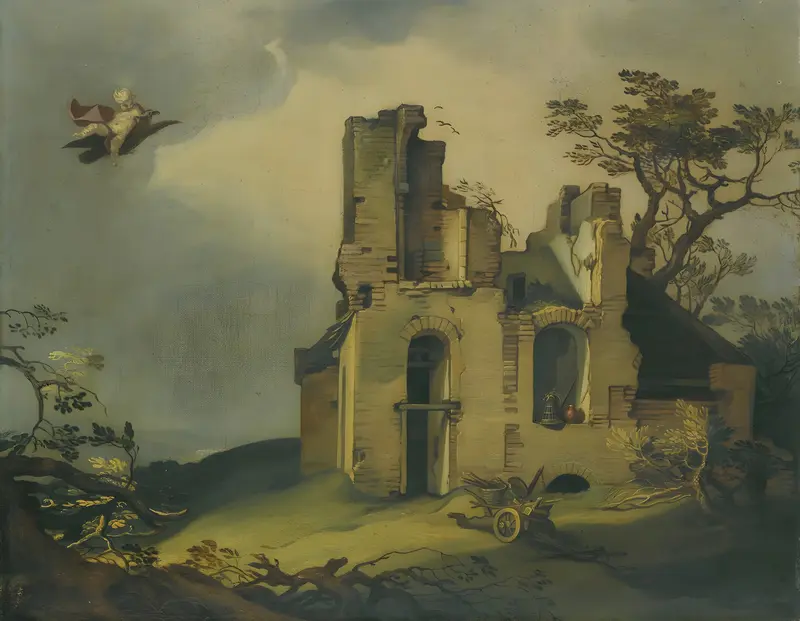
A Landscape With Ruins, With The Rape Of Ganymede
Abraham Bloemaert





