
The Holy Family with Saint John the Baptist and Saint Margaret — History & Facts
No one knows for certain who first gazed upon The Holy Family with Saint John the Baptist and Saint Margaret, nor for whom Filippino Lippi painted it—a rare enigma for a work from the Florentine Renaissance. The painting’s origins are shrouded in mystery: its date and commission have not survived, and even its original location is lost to time. Yet, its inclusion of Saint Margaret, a relatively uncommon figure in Holy Family scenes, has led scholars to speculate about a possible female patron, perhaps one named in her honor.
The painting’s journey into the public eye began only centuries after its creation, when it surfaced in a European collection, sparking debates about its authorship and meaning. At the heart of the composition, the Virgin Mary cradles the Christ Child, while Joseph watches with gentle reserve. To one side stands the young John the Baptist, identifiable by his camel-hair garment and slender reed cross, his gaze fixed in adoration. Opposite him, Saint Margaret is depicted with her customary attribute: a dragon subdued at her feet, symbolizing her legendary triumph over evil.
The figures are united by their tender gestures and the subtle interplay of glances, drawing the viewer into an intimate circle of protection and faith. Unlike Leonardo da Vinci’s more enigmatic Madonnas, Lippi’s treatment is direct and warm, emphasizing familial bonds and the saints’ roles as guardians. The painting’s physical history remains largely undocumented, a fate not uncommon for works of Filippino Lippi, whose career often overlapped with that of his father, Fra Filippo Lippi, and his contemporary, Sandro Botticelli. Attribution has occasionally shifted between these names, reflecting the close stylistic ties among Florentine painters of the late fifteenth century.
Today, the painting is recognized as an important example of Lippi’s mature style, notable for its narrative clarity and delicate color. It now hangs in a major museum collection, where it invites viewers to ponder both its spiritual message and the secrets of its past.
More Artworks by Filippino Lippi

Portrait of a Youth
Filippino Lippi
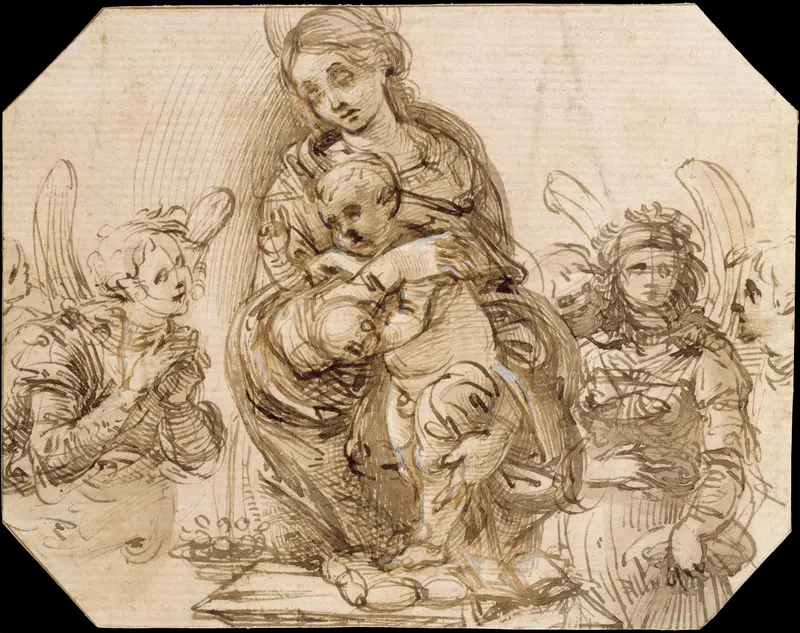
Virgin and Child Attended by Angels
Filippino Lippi

Christ on the Cross
Filippino Lippi
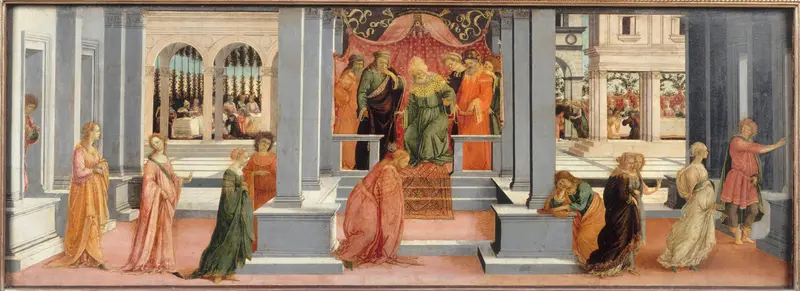
Esther choisie par Assuérus
Filippino Lippi
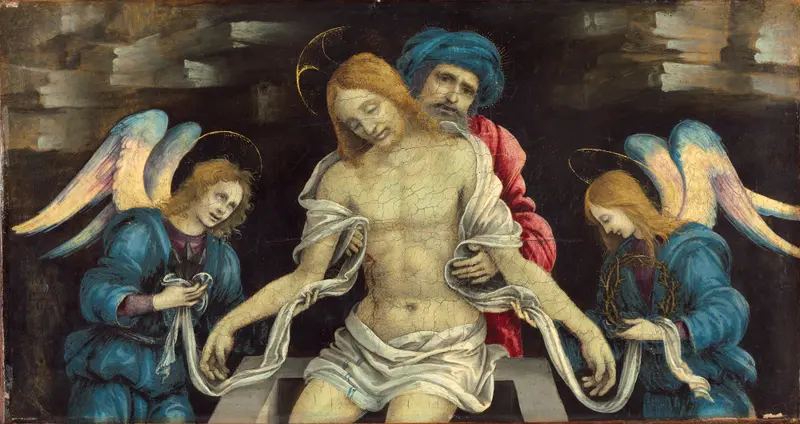
Pietà (The Dead Christ Mourned by Nicodemus and Two Angels)
Filippino Lippi
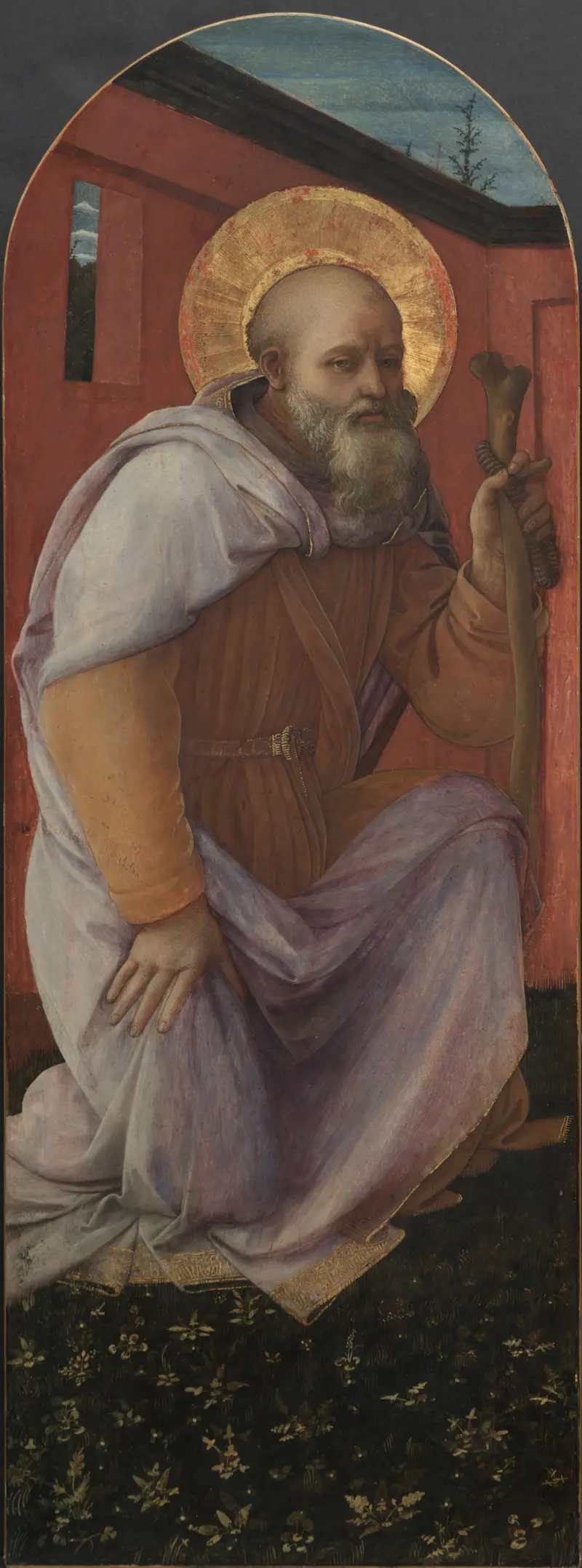
St. Anthony Abbot
Filippino Lippi
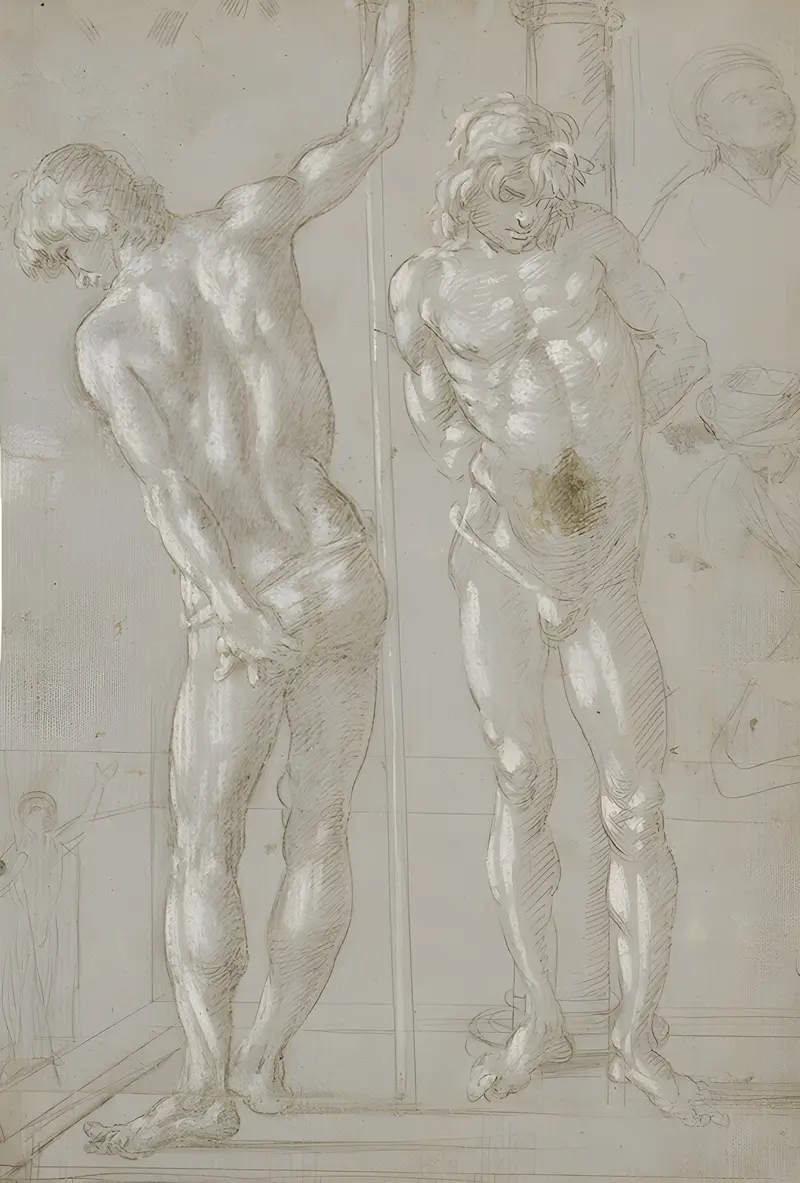
Studies of Christ at the Column, a Nude from Behind, and Various Figures
Filippino Lippi
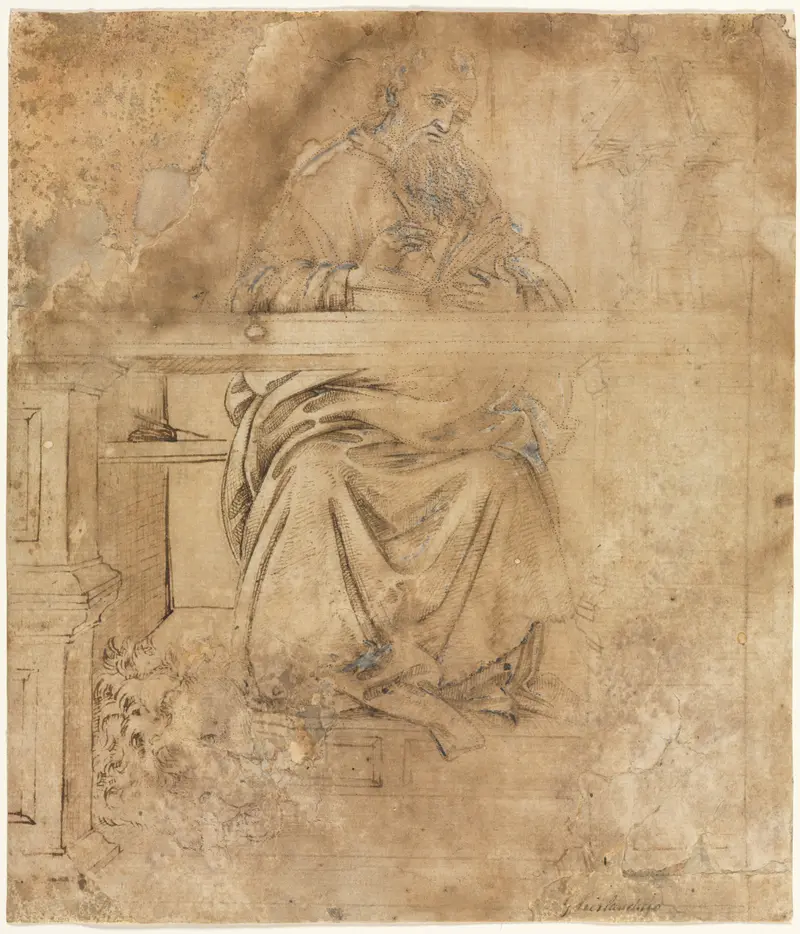
St. Jerome in His Study
Filippino Lippi
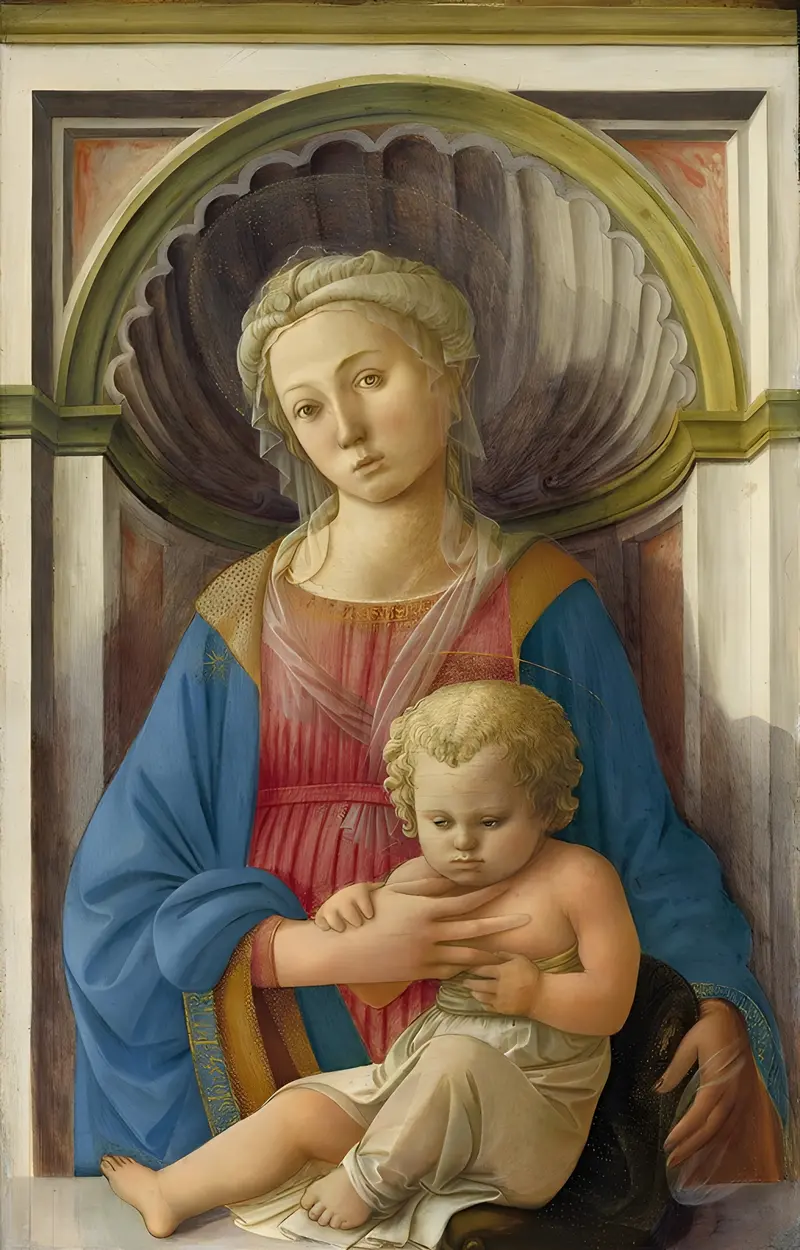
Madonna and Child
Filippino Lippi
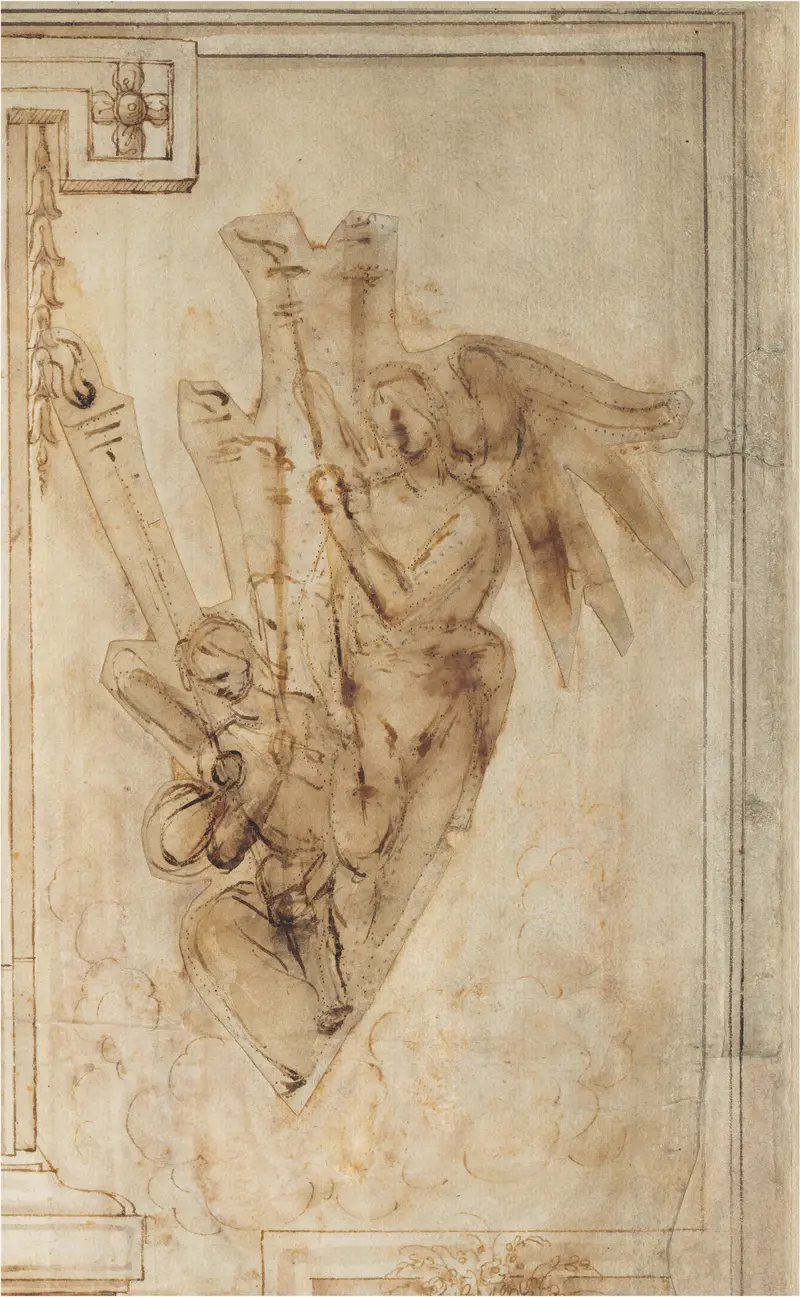
Two Angels Carrying Torches
Filippino Lippi





