
The Last Supper — History & Facts
No other scene from the life of Christ has been painted as often or as variously as the Last Supper, yet the version attributed to Giotto di Bondone stands apart for its date and uncertain origins. While Giotto died in 1337, this work is dated to 1450, raising questions among scholars about its authorship and whether it is a later copy or homage in his style. The mystery deepens because the medium is unknown and no contemporary records mention this specific painting, leaving its early history shrouded in speculation.
What is certain is that the painting’s composition and emotional clarity have long been admired, with some experts suggesting it may be the work of a follower or workshop deeply influenced by Giotto's innovations. At the heart of the painting is the moment when Christ, seated at the center of a long table, announces that one of his disciples will betray him. The apostles react with gestures of shock and sorrow, each face individualized—a hallmark of Giotto's approach to narrative. Judas, isolated on the near side of the table, clutches a small bag, marking him unmistakably as the betrayer.
The use of space and the way the figures interact recall Giotto's frescoes in the Scrovegni Chapel, where emotional realism and clarity of gesture invite viewers into the drama. Unlike Leonardo da Vinci’s later Last Supper, which freezes a single explosive moment, this version lingers on the aftermath, allowing each apostle’s reaction to unfold in a more contemplative rhythm. The painting’s physical history is as enigmatic as its attribution. No records survive of its original patron or intended location, and it does not appear in early inventories of Giotto’s known works.
Over the centuries, it has been variously attributed to Giotto, his followers, or even to later artists seeking to emulate his style. Today, it is recognized as an important example of mid-15th-century Italian religious painting, whether by the master himself or by those working in his wake. Its journey through time, marked by scholarly debate and shifting attributions, has only added to its fascination, ensuring its place in the ongoing story of Giotto’s enduring influence.
More Artworks by Giotto di Bondone
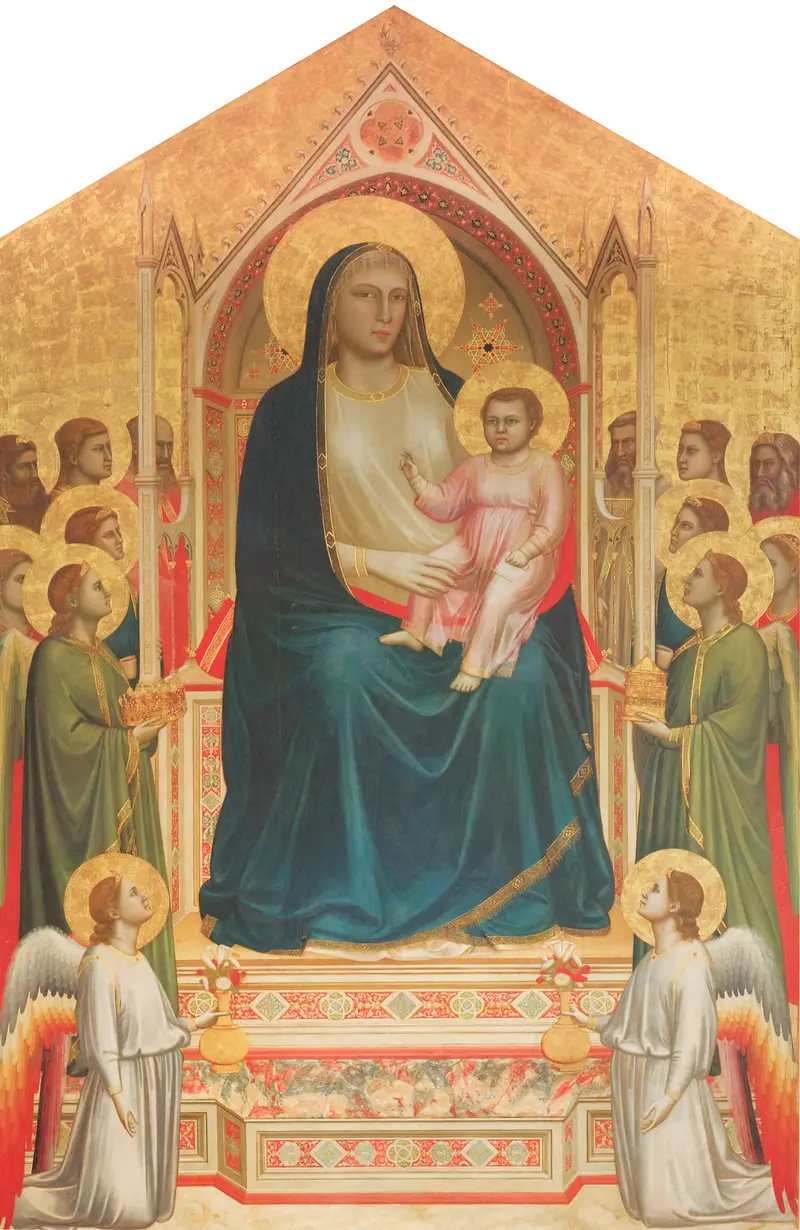
Ognissanti Madonna
Giotto di Bondone
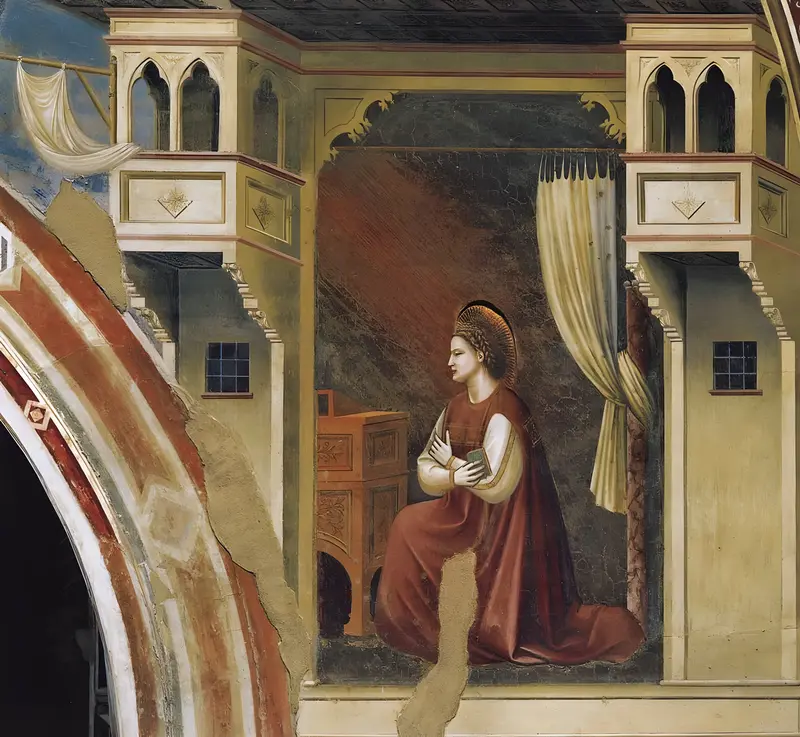
The Virgin of the Annunciation
Giotto di Bondone
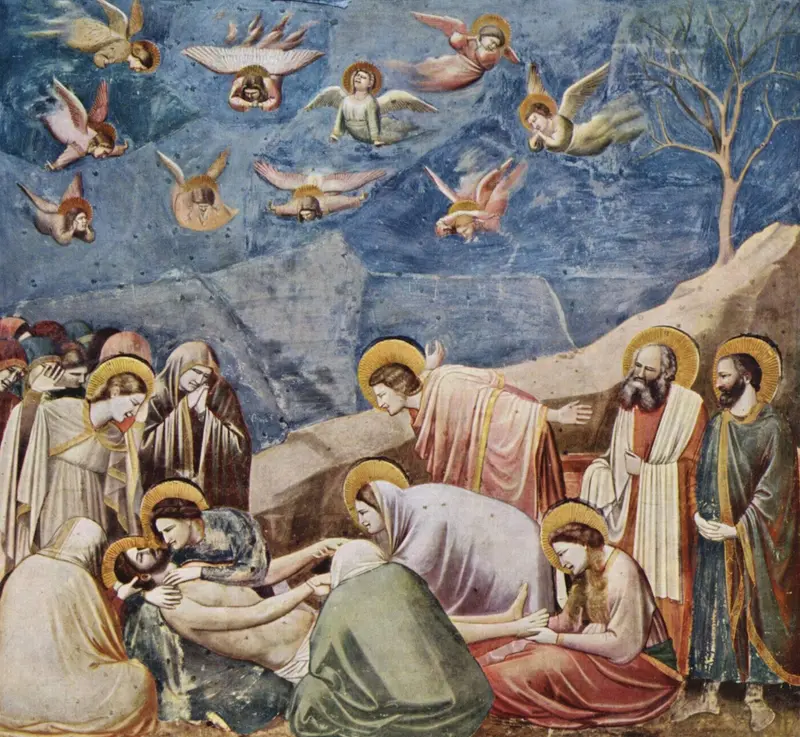
Lamentation (The Mourning of Christ)
Giotto di Bondone
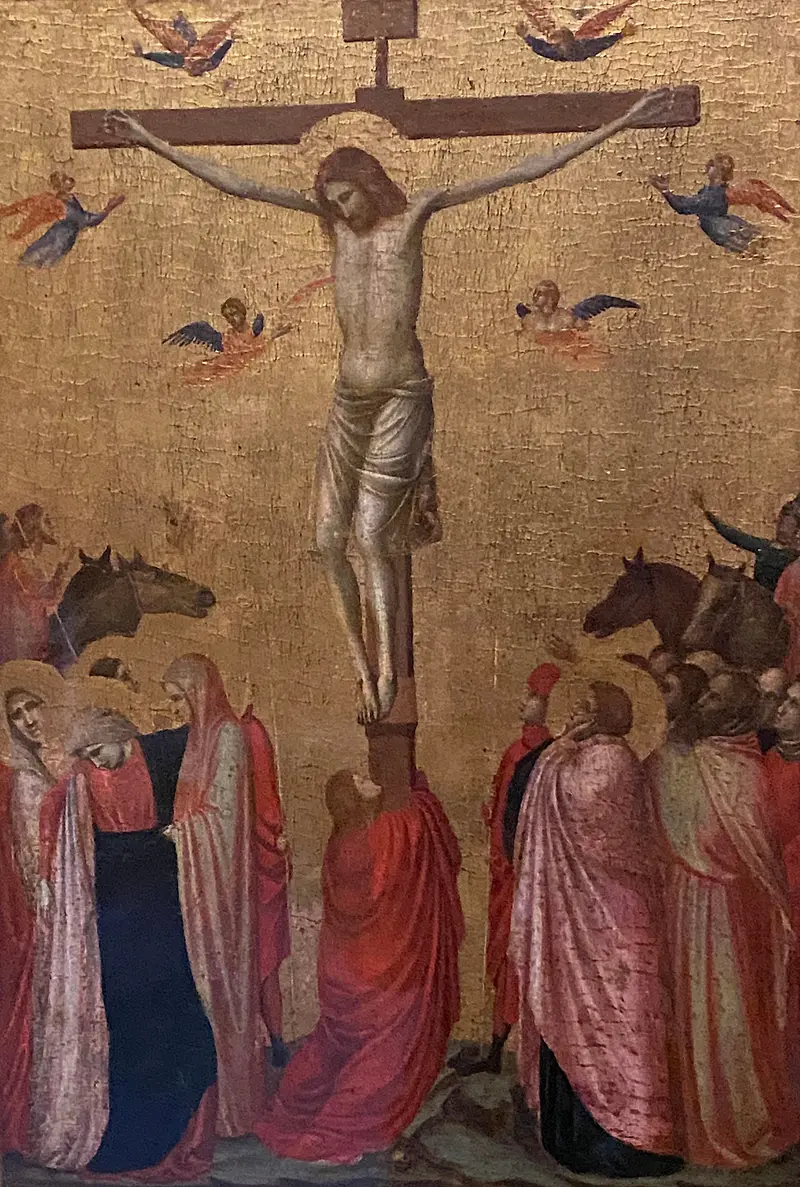
Crucifixion of Strasbourg
Giotto di Bondone
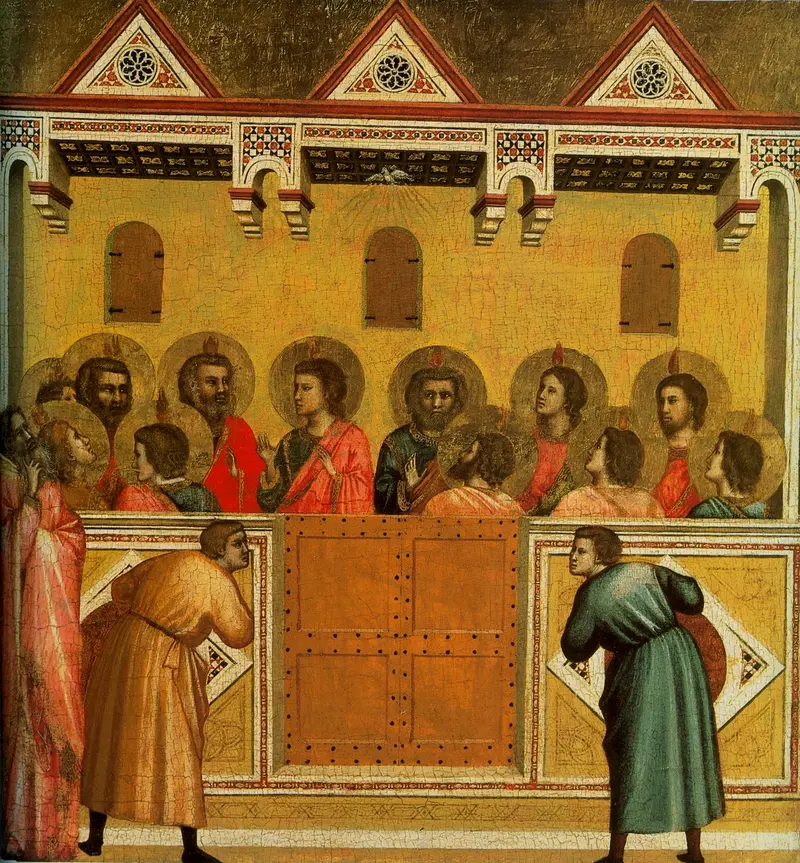
Pentecost
Giotto di Bondone
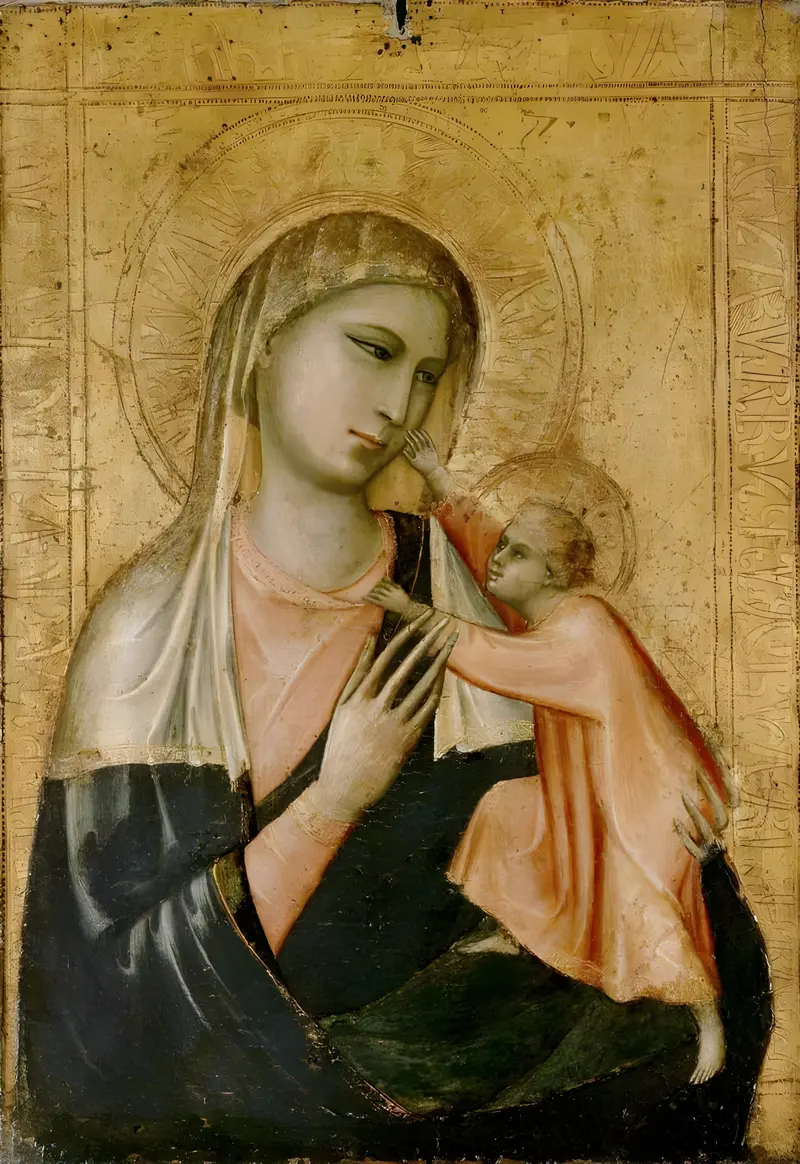
The Virgin and Child
Giotto di Bondone
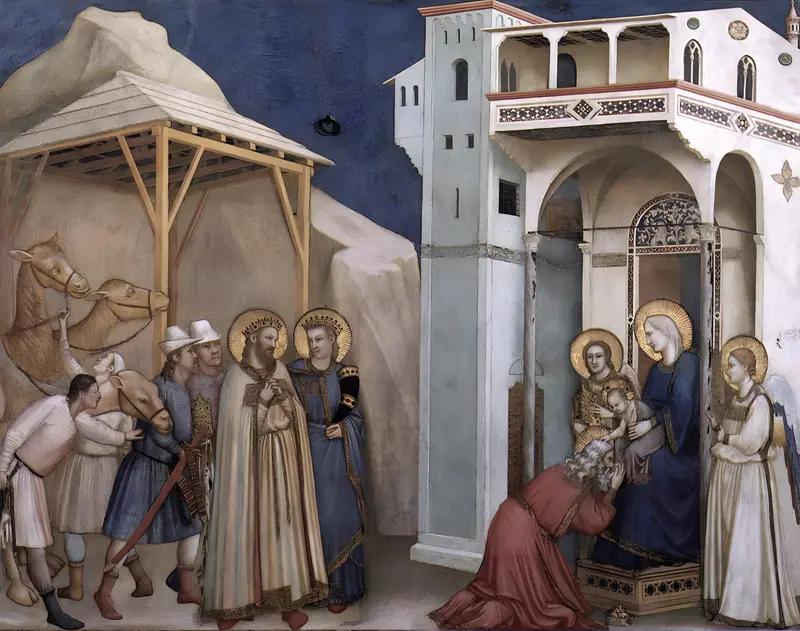
Anbetung der Könige
Giotto di Bondone
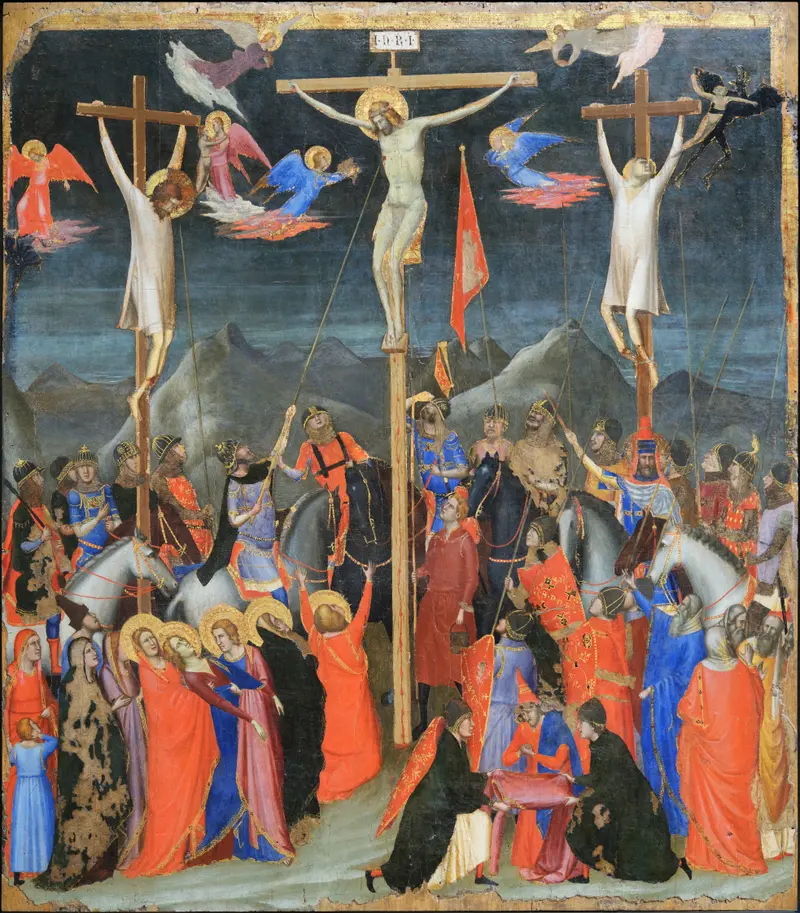
Crucifixion
Giotto di Bondone
The Visitation
Giotto di Bondone
Bologna Polyptych
Giotto di Bondone





