
The Martyrdom of Saint Ursula — History & Facts
In 1610, just months before his mysterious death, Caravaggio completed The Martyrdom of Saint Ursula—his final known painting. The work was commissioned by Marcantonio Doria, a young Genoese nobleman, to commemorate his stepdaughter’s entry into a religious order. This commission came at a turbulent time: Caravaggio was a fugitive, seeking papal pardon for murder, and the painting was sent from Naples to Genoa as proof of his continuing artistic prowess.
The urgency and rawness of the work have led some scholars to see it as a kind of confession or testament, painted in the shadow of his own mortality. Caravaggio selects the instant when Saint Ursula, a legendary British princess, is struck by an arrow from the Hun king who demanded her hand in marriage. Instead of grand spectacle, the scene is compressed and immediate: Ursula, in a modest dress, gazes down at the wound in her chest, her calm acceptance contrasting with the horror on the faces around her. The archer’s arm is frozen mid-action, and the crowd presses in, their gestures and glances channeling the shock of violence.
Light falls harshly on Ursula’s face and hands, isolating her in the moment of martyrdom. Unlike the ornate, idealized versions by earlier artists like Hans Memling, Caravaggio strips the story to its psychological core, drawing the viewer into the drama. The painting’s journey has been as dramatic as its subject. After its delivery to Genoa, it remained in the Doria collection for centuries, largely unknown to the wider public.
Only in the twentieth century did scholars recognize it as Caravaggio’s last work, noting its distinctive brushwork and somber palette. Today, The Martyrdom of Saint Ursula hangs in the Galleria di Palazzo Zevallos Stigliano in Naples, a city that marked both the artist’s final refuge and his last creative outpouring. This painting stands as a powerful farewell from Caravaggio, closing his turbulent career with a scene of violence, resignation, and unflinching truth.
More Artworks by Caravaggio
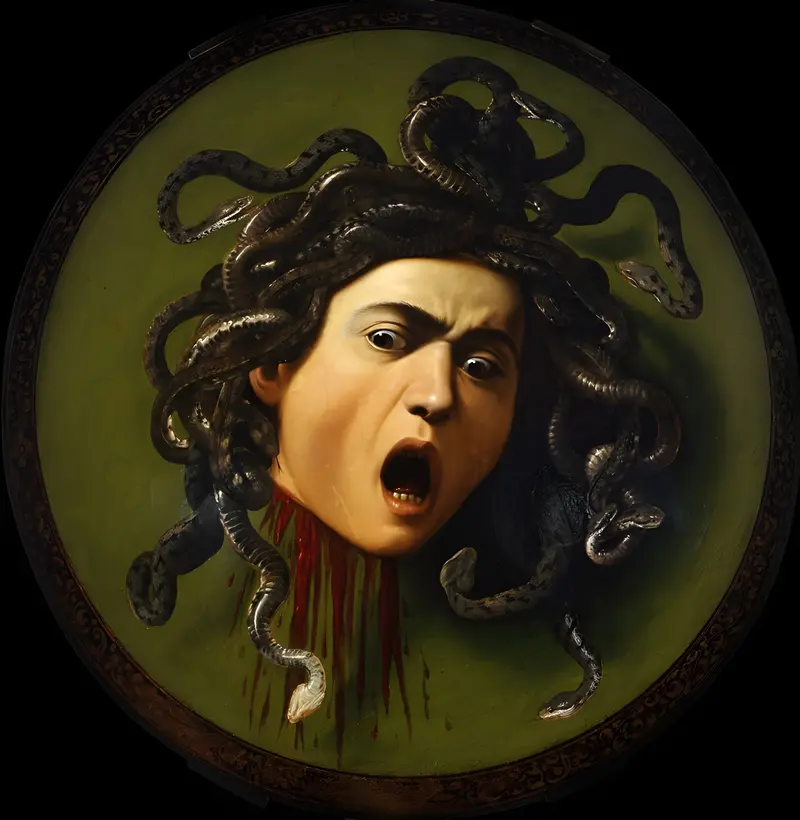
Medusa
Caravaggio
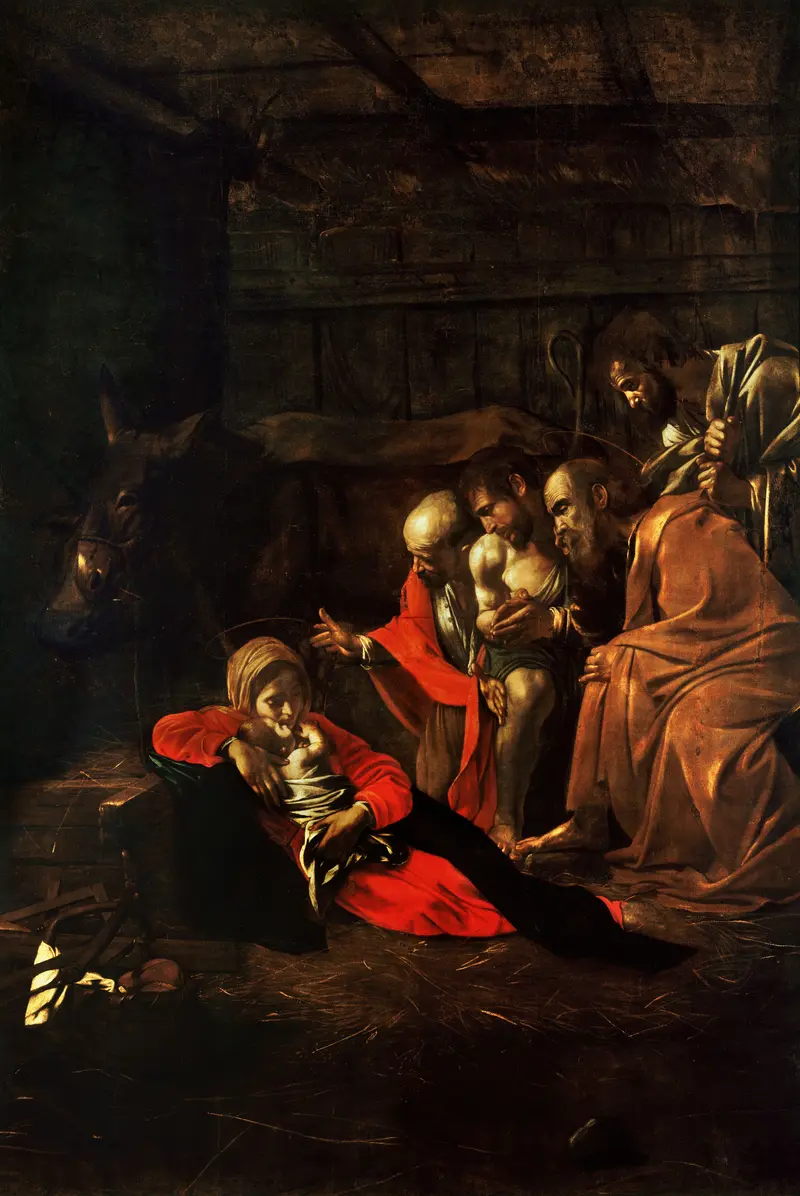
Adoration of the Shepherds
Caravaggio
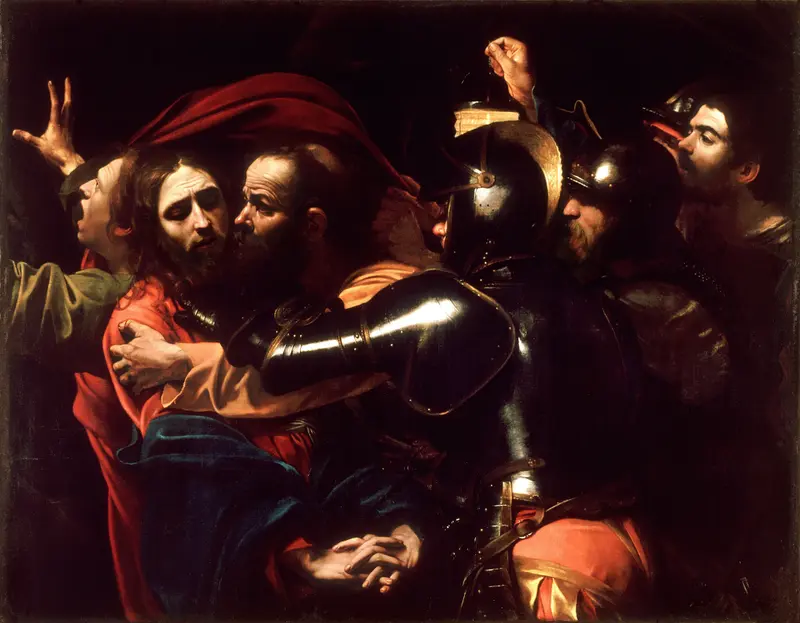
The Taking of Christ
Caravaggio
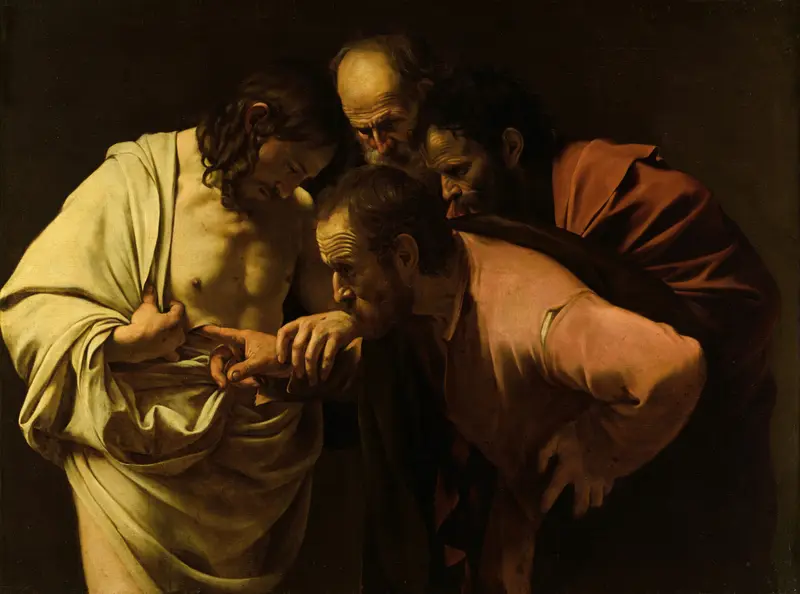
The Incredulity of Saint Thomas
Caravaggio
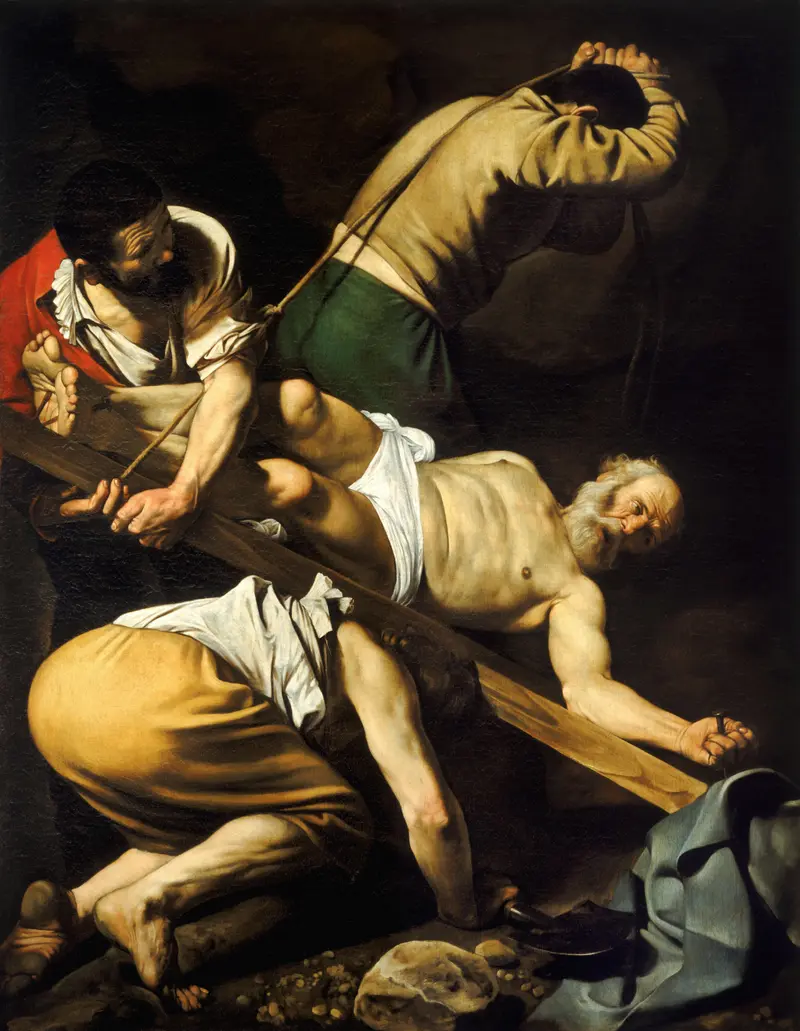
Crucifixion of Saint Peter
Caravaggio
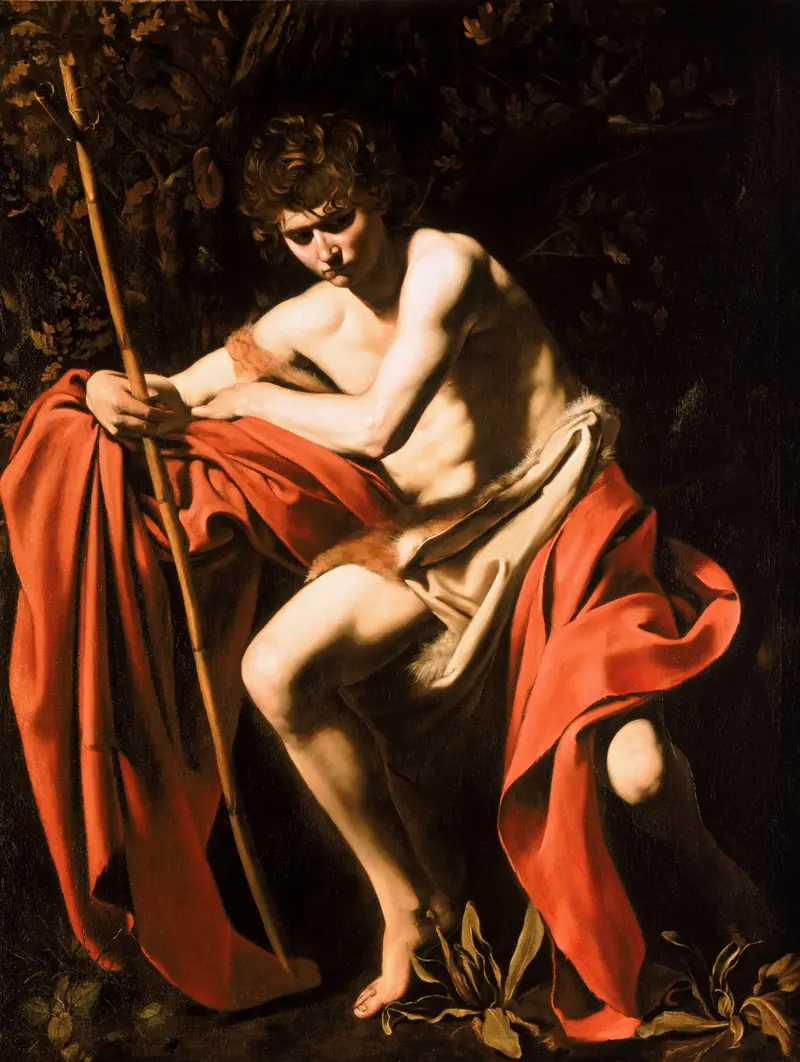
Saint John The Baptist In The Wilderness
Caravaggio

Saint Matthew and the angel
Caravaggio
The Inspiration of Saint Matthew
Caravaggio

Conversion on the Way to Damascus
Caravaggio
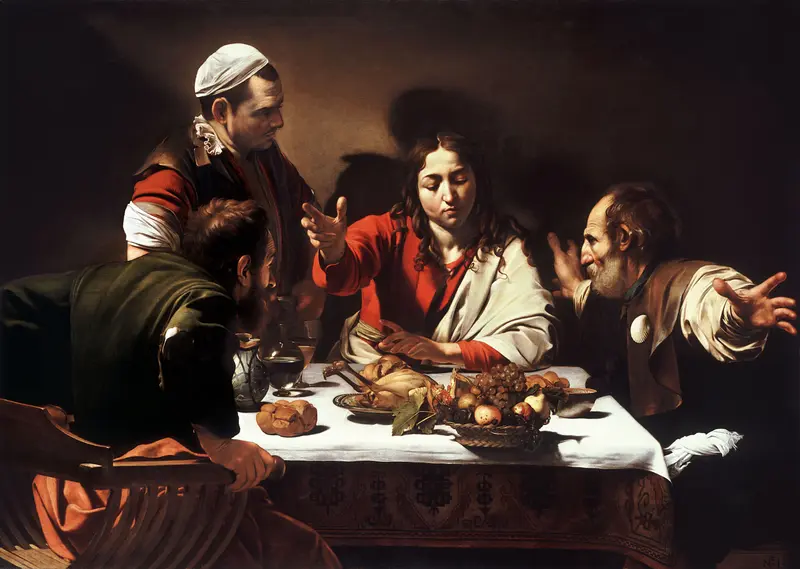
Supper at Emmaus
Caravaggio





