
The Meeting of Joachim and Anne outside the Golden Gate of Jerusalem — History & Facts
No scene in Christian art has inspired more variations than the embrace of Joachim and Anne at Jerusalem’s Golden Gate, but Filippino Lippi’s version stands out for its tender humanity. The story, beloved in late medieval and Renaissance Italy, was seen as the very beginning of the Virgin Mary's earthly story, and thus of salvation itself. While the exact date and commission of this work remain uncertain, its composition and style place it among the most heartfelt interpretations of a subject that also fascinated Giotto and Ghirlandaio.
The painting’s gentle intimacy, paired with the lively Florentine setting, continues to invite viewers into a moment of hope and reunion. At the heart of the image, Joachim and Anne—elderly, long childless, and newly visited by an angelic promise—meet at the city gate after separate journeys of prayer and despair. Their embrace, tender and almost shy, signals the miraculous conception of Mary, a moment celebrated by the faithful as the dawn of redemption. Lippi fills the scene with attentive bystanders and soft, golden light, drawing the eye to the couple’s clasped hands.
The city’s architecture, rendered with precise perspective, roots the miracle in a recognizably Italian world, while Anne’s blue mantle nods to her daughter’s future iconography. Unlike Giotto’s version in Padua, which is monumental and solemn, Lippi’s approach is intimate and bustling, emphasizing emotion and everyday life. Though the painting’s early history is not fully documented, it reflects the devotional tastes of late fifteenth-century Florence, where scenes from the lives of Mary and her parents adorned chapels and private homes. Filippino Lippi, son of Fra Filippo Lippi and a celebrated painter in his own right, often returned to themes of miraculous birth and divine intervention, blending his father’s lyricism with his own lively detail.
Today, The Meeting of Joachim and Anne outside the Golden Gate of Jerusalem is recognized as a testament to both personal faith and the evolving language of Renaissance narrative painting, its precise journey through collections still a subject for scholarly research.
More Artworks by Filippino Lippi

Portrait of a Youth
Filippino Lippi
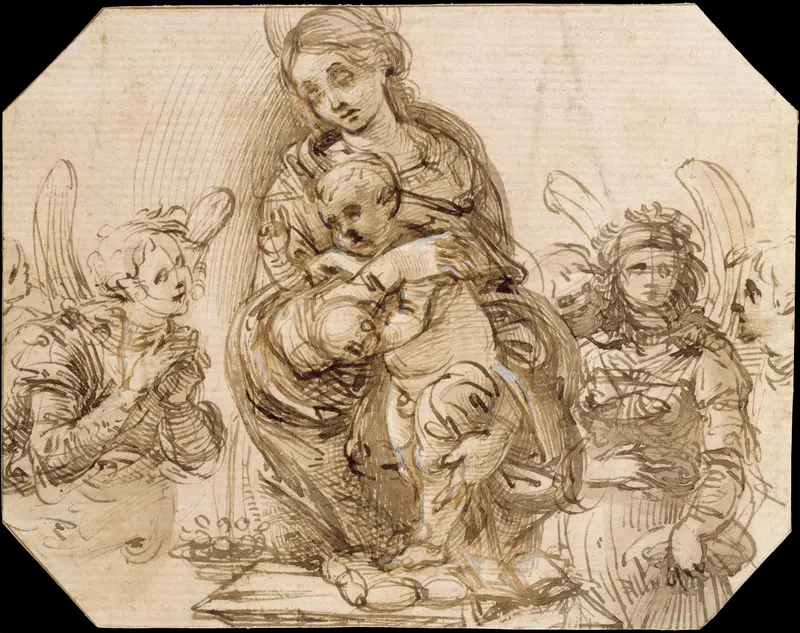
Virgin and Child Attended by Angels
Filippino Lippi

Christ on the Cross
Filippino Lippi
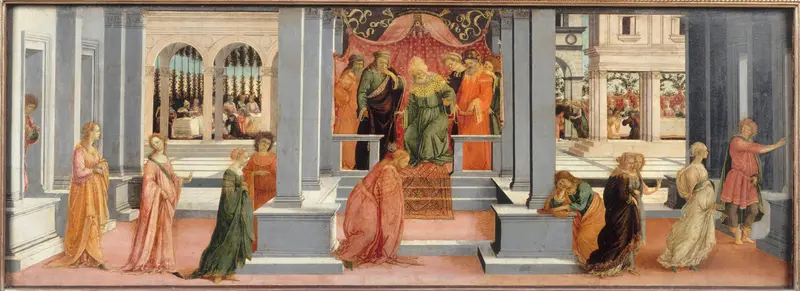
Esther choisie par Assuérus
Filippino Lippi
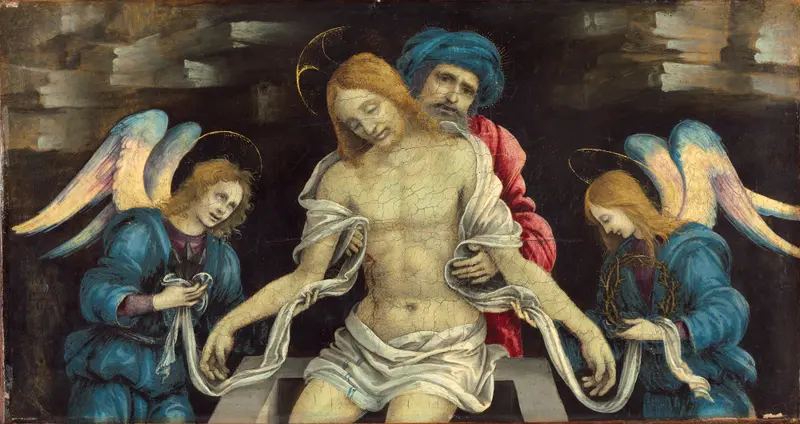
Pietà (The Dead Christ Mourned by Nicodemus and Two Angels)
Filippino Lippi
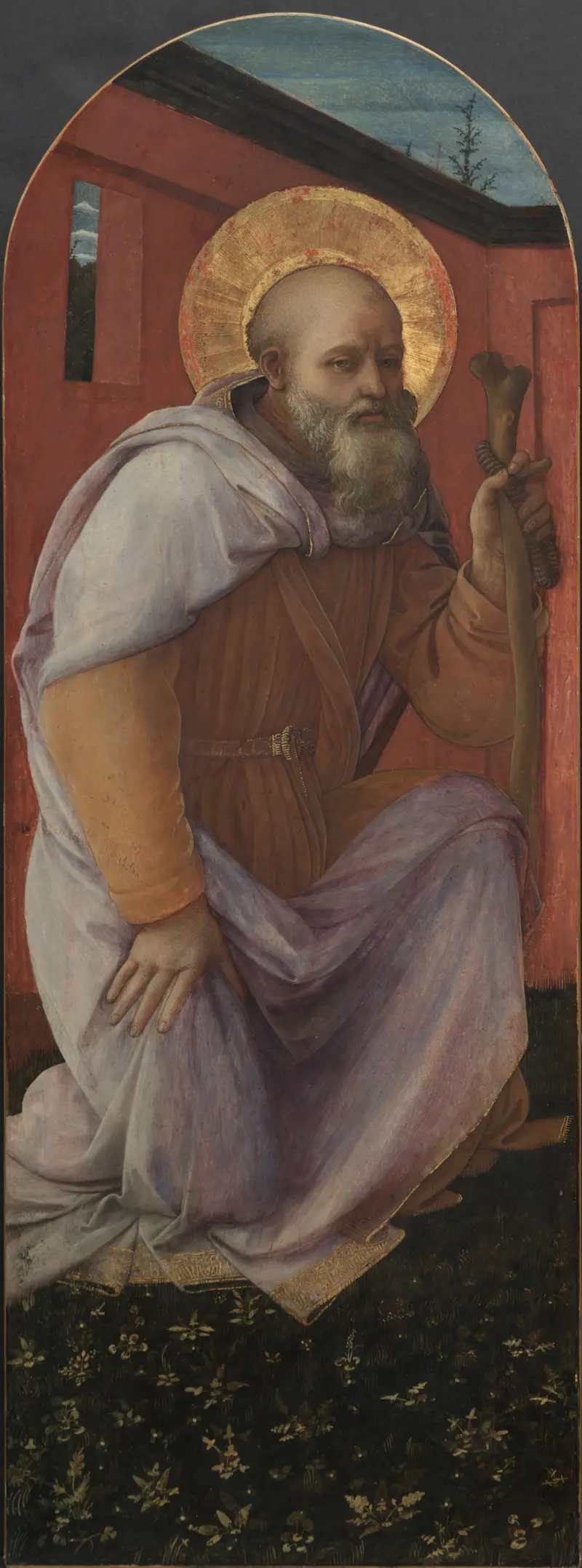
St. Anthony Abbot
Filippino Lippi
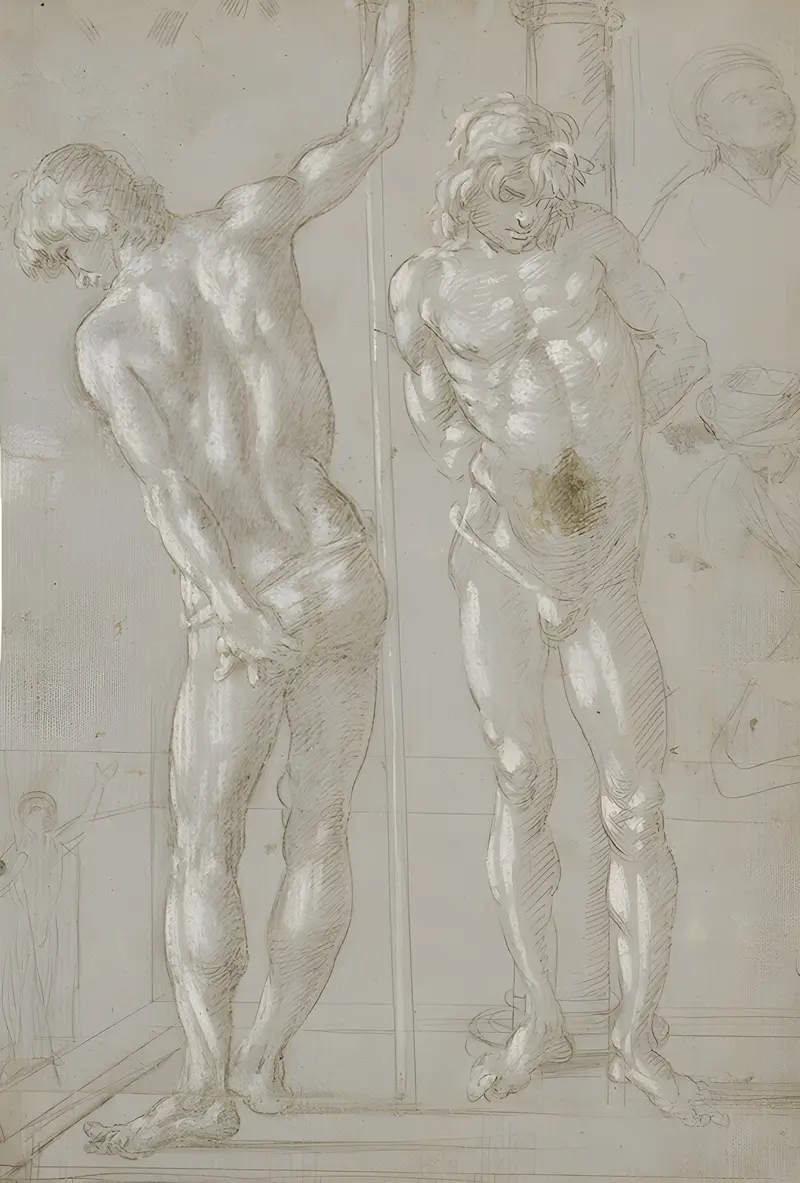
Studies of Christ at the Column, a Nude from Behind, and Various Figures
Filippino Lippi
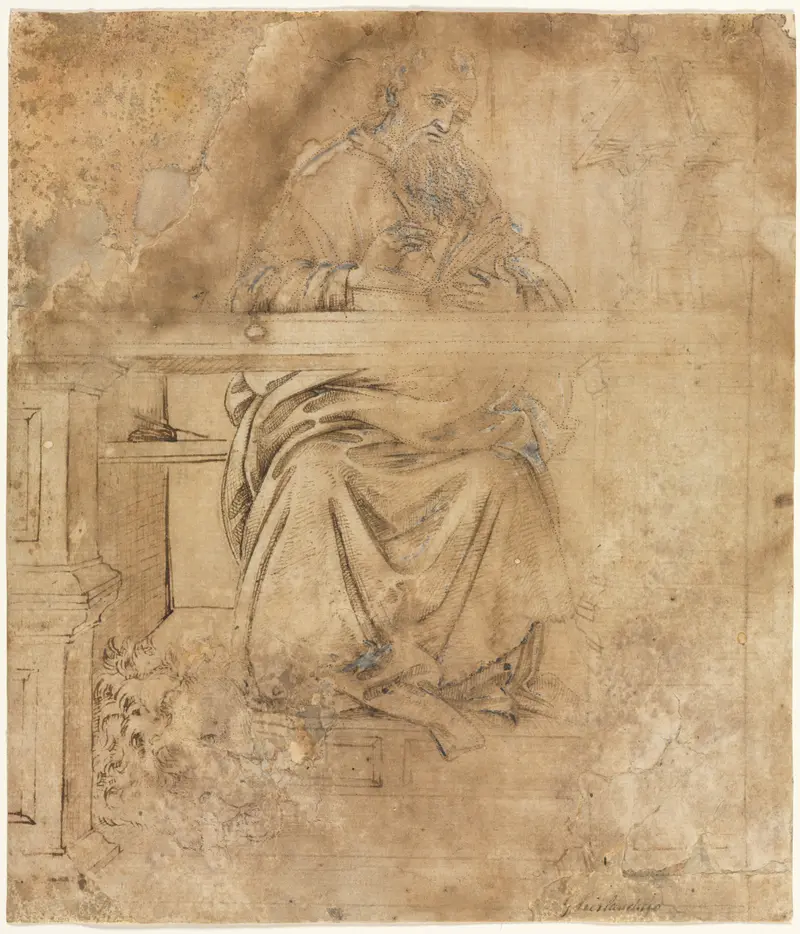
St. Jerome in His Study
Filippino Lippi
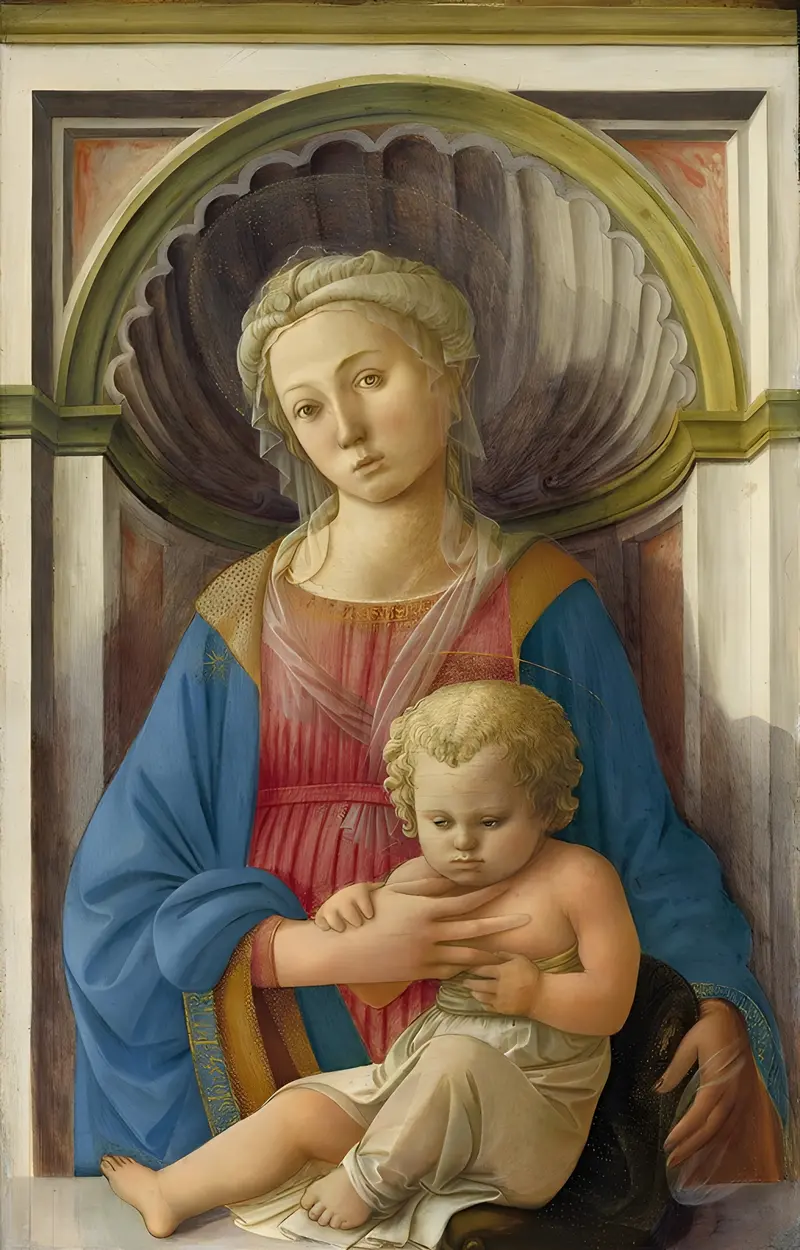
Madonna and Child
Filippino Lippi
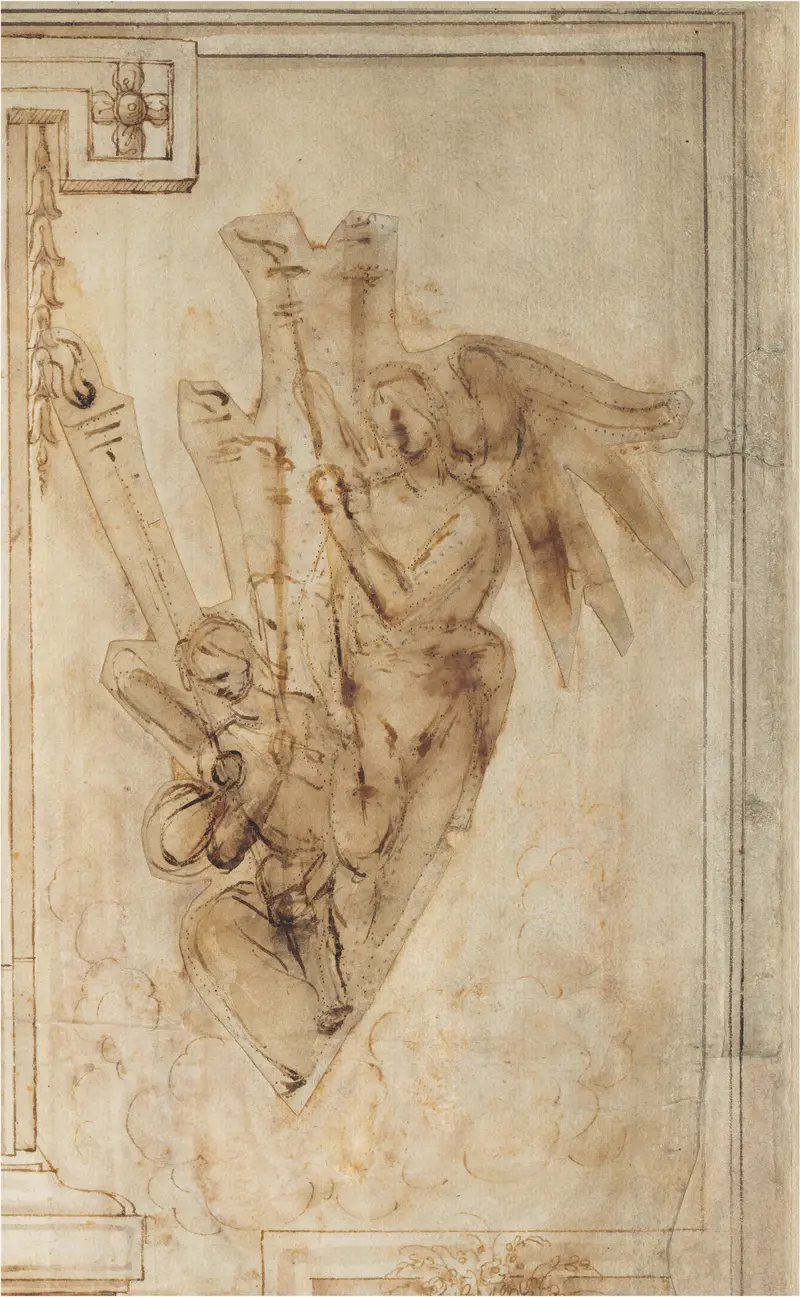
Two Angels Carrying Torches
Filippino Lippi





