
The miraculous Draught of Fishes — History & Facts
When Raphael was commissioned to design cartoons for the Sistine Chapel tapestries, he chose to illustrate the moment when faith and obedience yield an astonishing reward: the miraculous catch of fish. This episode, known as the Draught of Fishes, was destined for a place of honor in the Vatican, alongside the frescoes of Michelangelo. The tapestry based on The miraculous Draught of Fishes would become one of the most admired in the series, with Raphael’s design praised for its clarity and grandeur even before the weaving began.
The original cartoon, painted in tempera, survives as a testament to the artist’s vision, though the exact date of its creation remains uncertain. The scene captures the instant when, after a fruitless night on the Sea of Galilee, Simon Peter and his companions obey Christ’s instruction to cast their nets once more. Suddenly, the nets strain with the weight of an unexpected catch. In Raphael’s composition, the figures are grouped in a boat at the center, Peter kneeling in awe before Christ, whose calm gesture points both to the miracle and to Peter’s future as a “fisher of men.” Every detail — the shimmering fish, the taut ropes, the distant shore — serves to heighten the sense of divine intervention.
Unlike Duccio’s earlier treatment of the same subject, which emphasizes narrative sequence, Raphael focuses on the psychological drama of recognition and humility. The cartoon for The miraculous Draught of Fishes was created in Rome around 1515–16, likely under the patronage of Pope Leo X. It was sent to Brussels to be woven into tapestry by the workshop of Pieter van Aelst, after which the finished tapestry returned to the Sistine Chapel. Over the centuries, the cartoon itself passed through several hands, suffering damage and restoration, before finding a permanent home in the Victoria and Albert Museum in London.
Today, it stands as a pivotal work in Raphael’s late career, bridging the narrative clarity of the High Renaissance with the grandeur that would influence generations of artists.
More Artworks by Raphael

Madonna of the Goldfinch
Raphael

Madonna with the Fish
Raphael
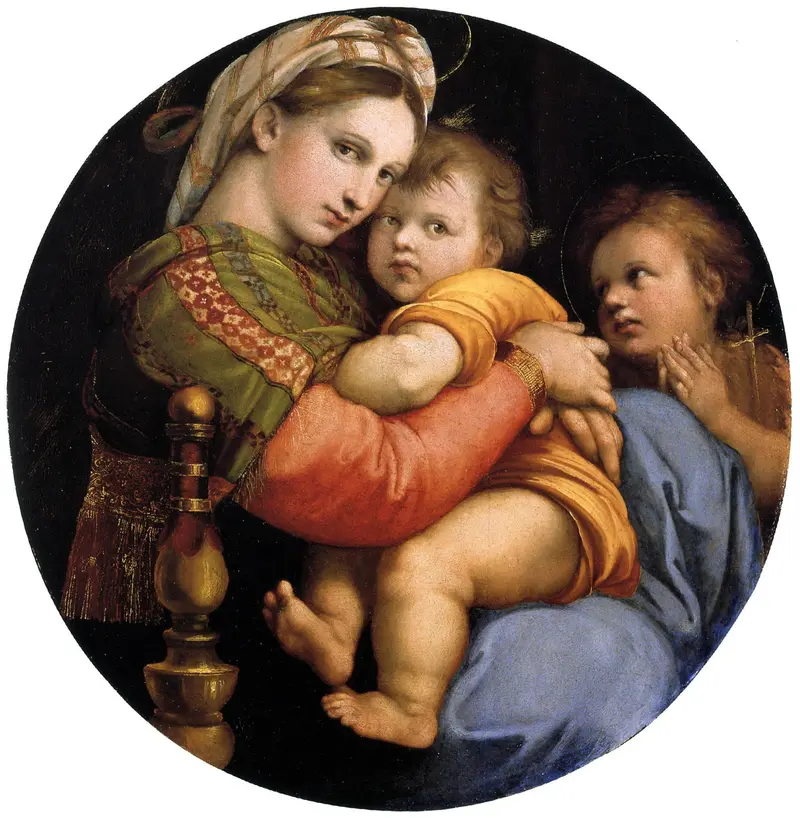
Madonna and Child (Madonna della Seggiola)
Raphael
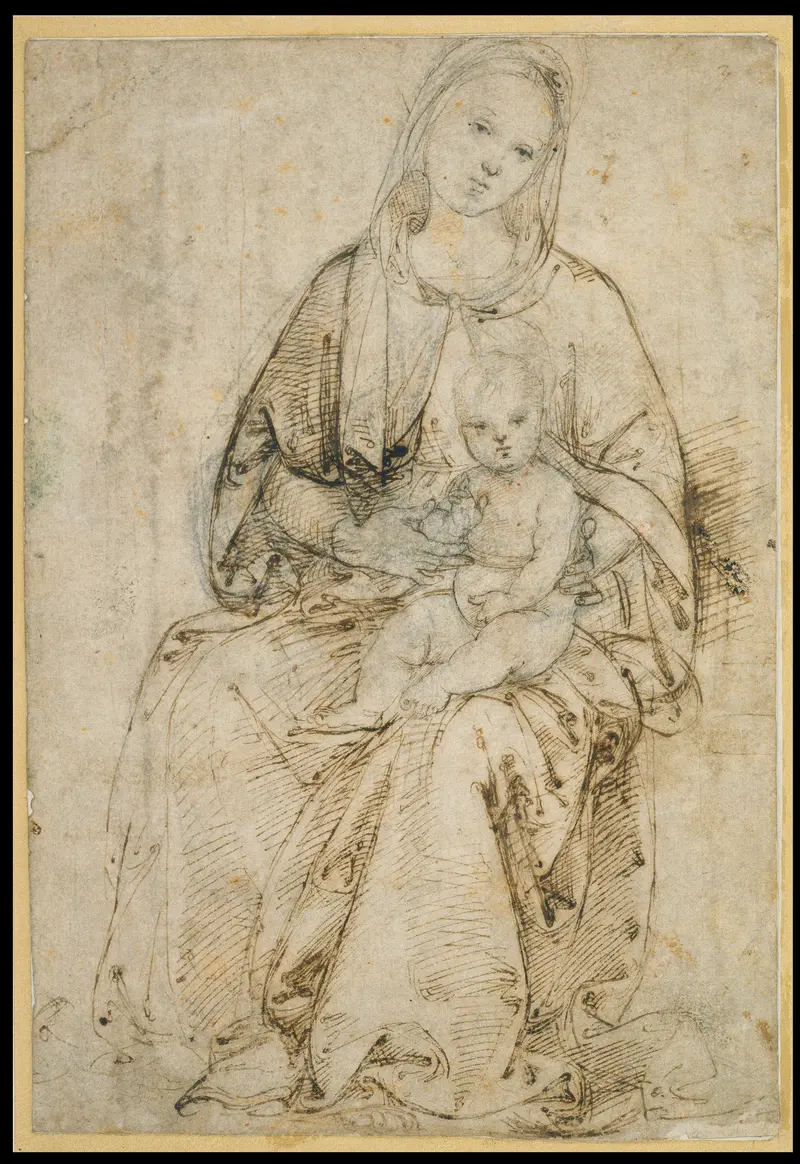
Seated Madonna and Child
Raphael
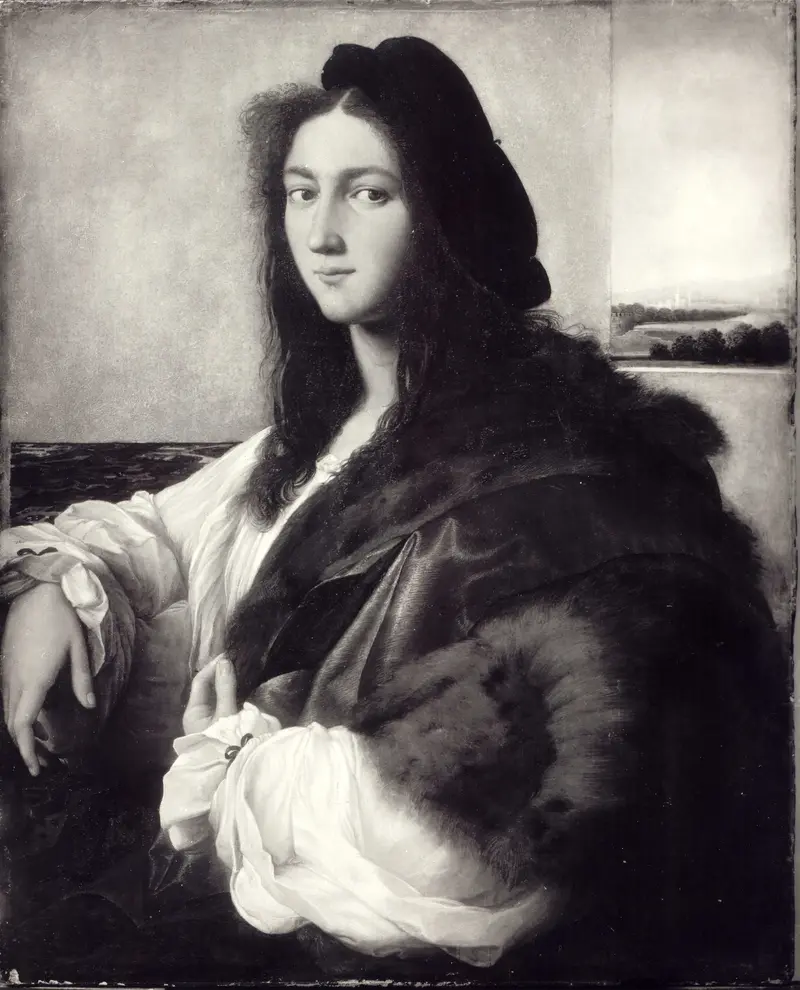
Portrait of a Young Man
Raphael
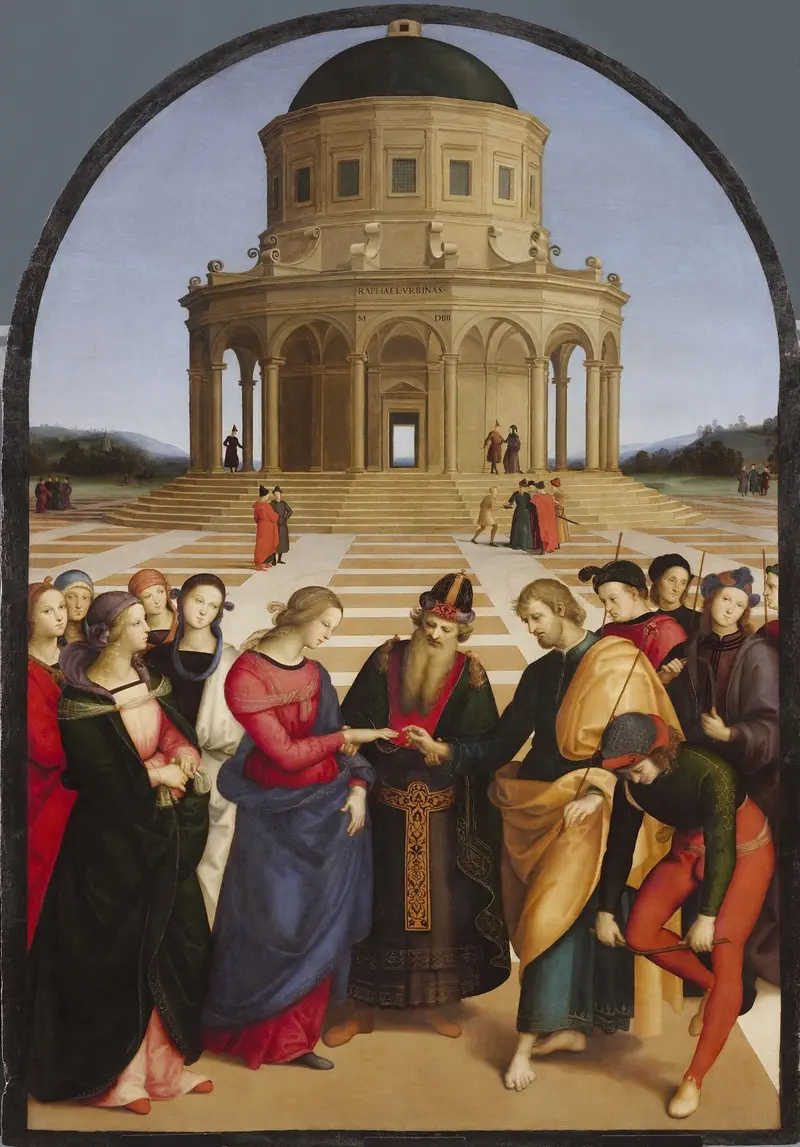
The Marriage of the Virgin
Raphael
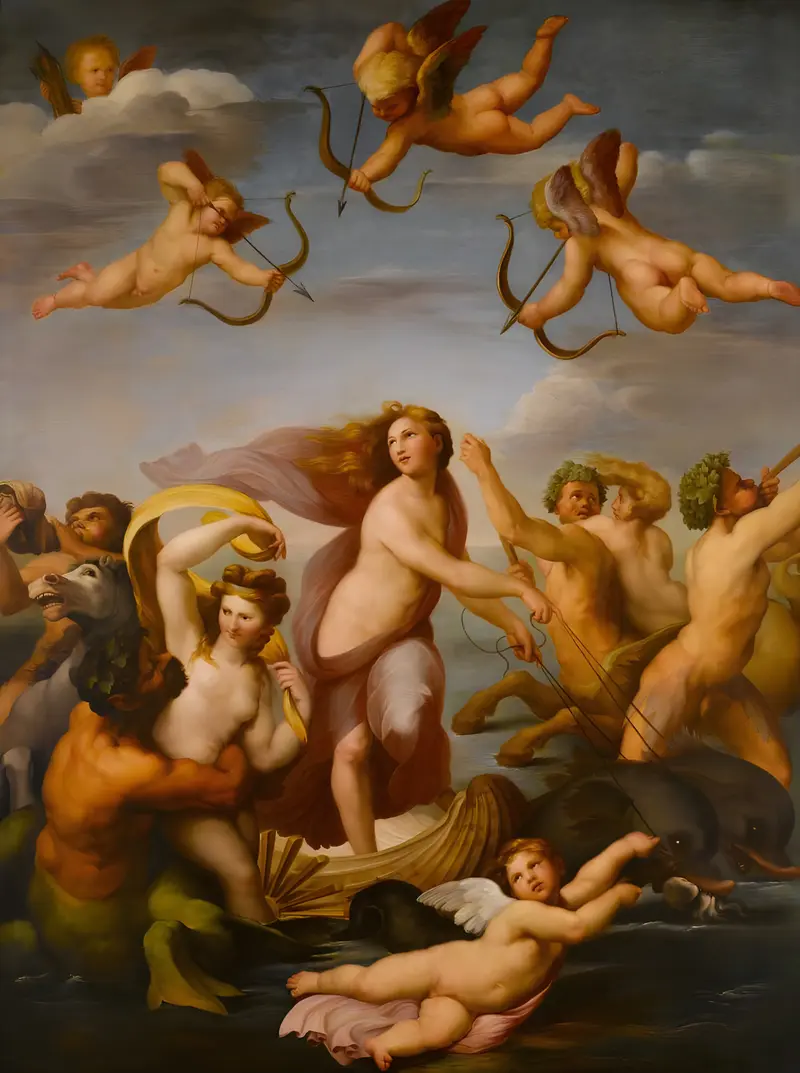
The Triumph of Galatea (copy after Raphael)
Raphael
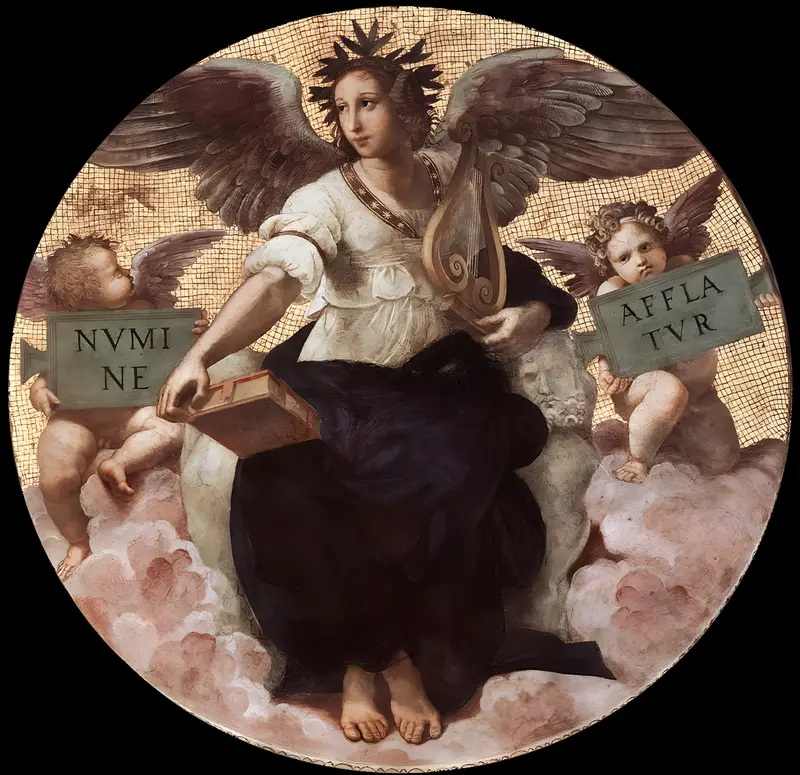
Poetry
Raphael
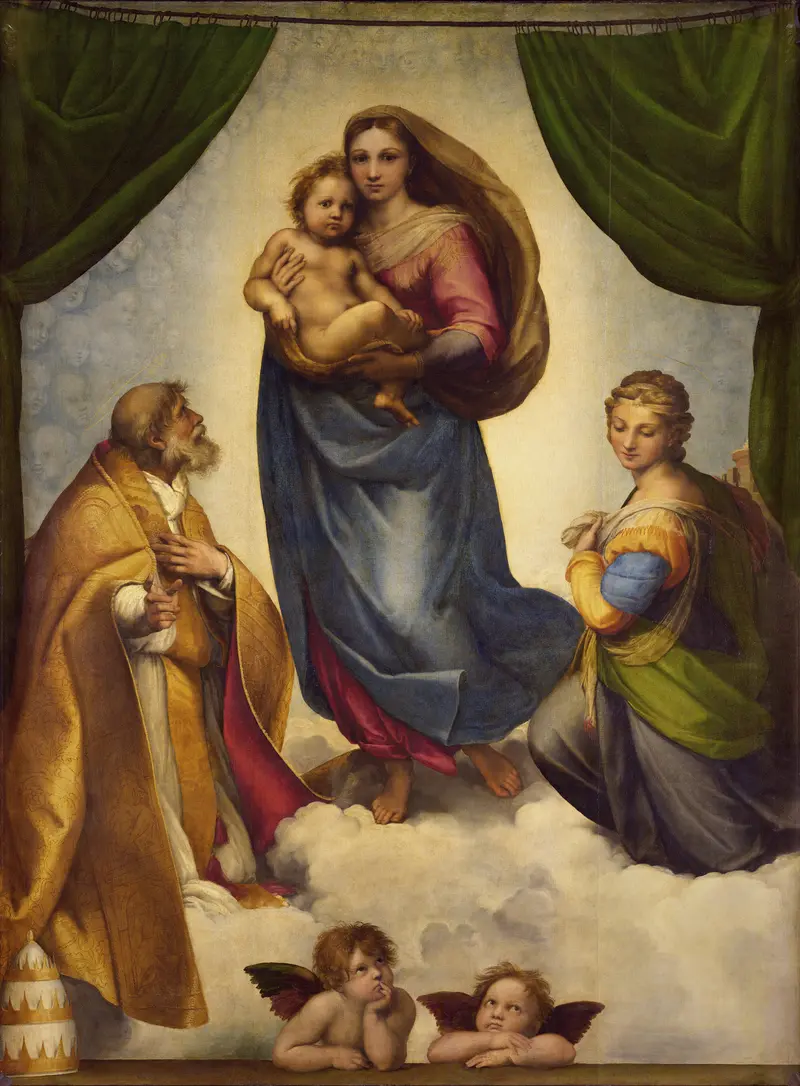
Sistine Madonna
Raphael
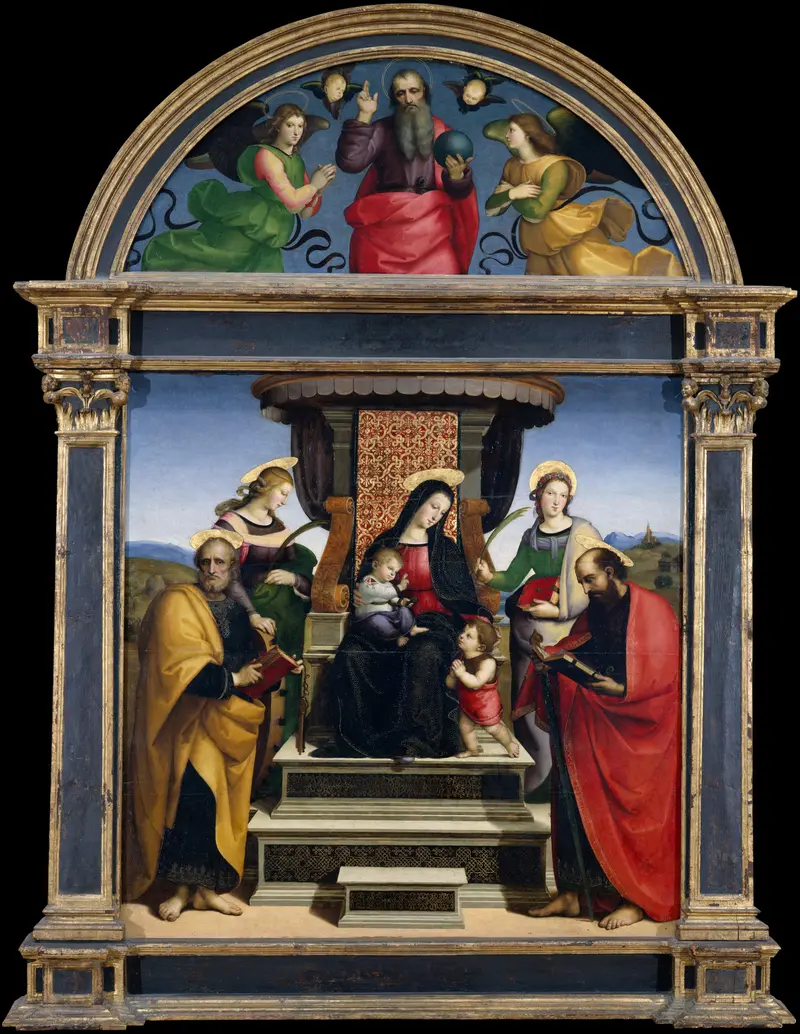
Madonna and Child Enthroned with Saints
Raphael




