
The pile of stones — History & Facts
When Georges Seurat exhibited The pile of stones in 1884, it marked one of the earliest public unveilings of his divisionist technique, later known as pointillism. This was the same year he began work on his monumental A Sunday Afternoon on the Island of La Grande Jatte, and the two paintings share a fascination with the changing light of the Seine’s outskirts. Critics at the time were divided: some dismissed Seurat’s method as mechanical, while others, like the writer Félix Fénéon, recognized in these small studies the seeds of a new artistic vision. The scene Seurat chose is deceptively simple: a mound of quarried stone, sun-bleached and irregular, sits at the edge of a dusty path, with the river and a hazy industrial skyline beyond.
The stones themselves are rendered with tiny, deliberate touches of color, each fleck capturing a fragment of sunlight or shadow. A lone figure, perhaps a laborer, stands near the pile, his presence dwarfed by the landscape and the work of human hands. The composition’s stillness and the careful calibration of color suggest not just a record of a place, but a meditation on the transformation of nature by industry.
Unlike the sweeping drama of Claude Monet’s quarries or the bustling activity in Camille Pissarro’s rural scenes, Seurat’s approach is analytical and restrained, focusing on structure and atmosphere over narrative. The physical history of The pile of stones is less documented than some of Seurat’s larger works. It was likely painted en plein air on the outskirts of Paris, a favored haunt of the young artist and his circle. The painting’s medium is not firmly established, though many of Seurat’s studies from this period are oil on panel or canvas.
After Seurat’s death in 1891, the work passed through several private collections and was not widely exhibited until the early 20th century, when interest in Neo-Impressionism revived. Today, it is recognized as a key step in Seurat’s evolution, capturing the moment he moved from Impressionist spontaneity toward the rigor and innovation that would define his mature style.
More Artworks by Georges Seurat
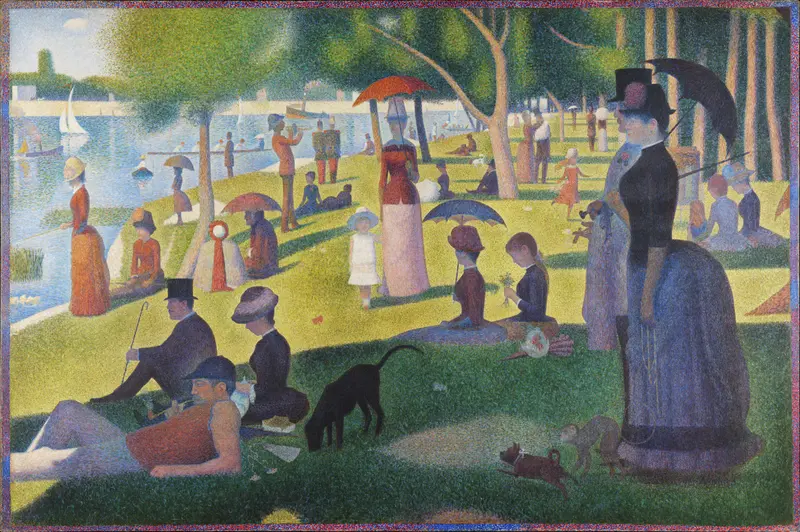
A Sunday Afternoon on the Island of La Grande Jatte
Georges Seurat
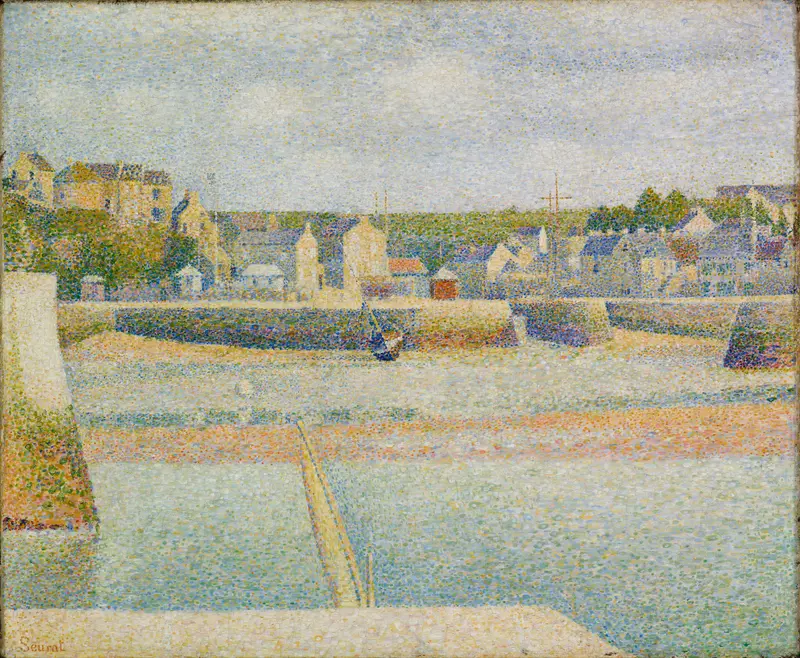
Port-en-Bessin, The Outer Harbor (Low Tide)
Georges Seurat
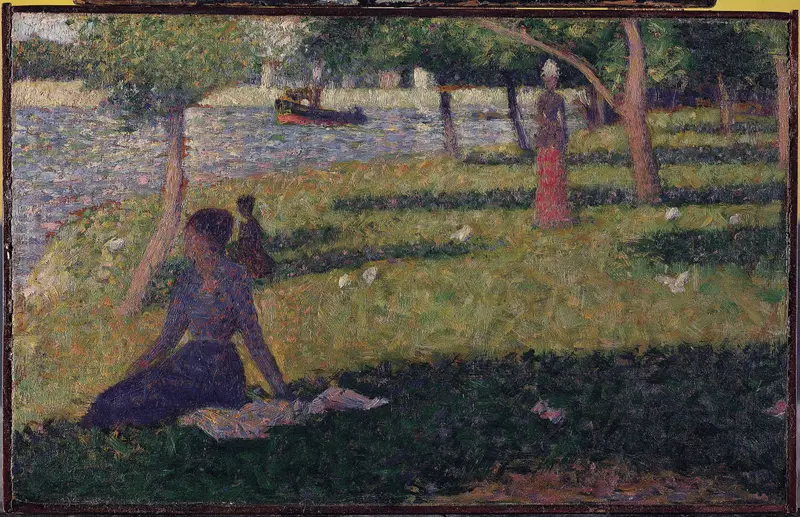
Étude pour ‘La Grande Jatte’ (Study for ‘La Grande Jatte’)
Georges Seurat
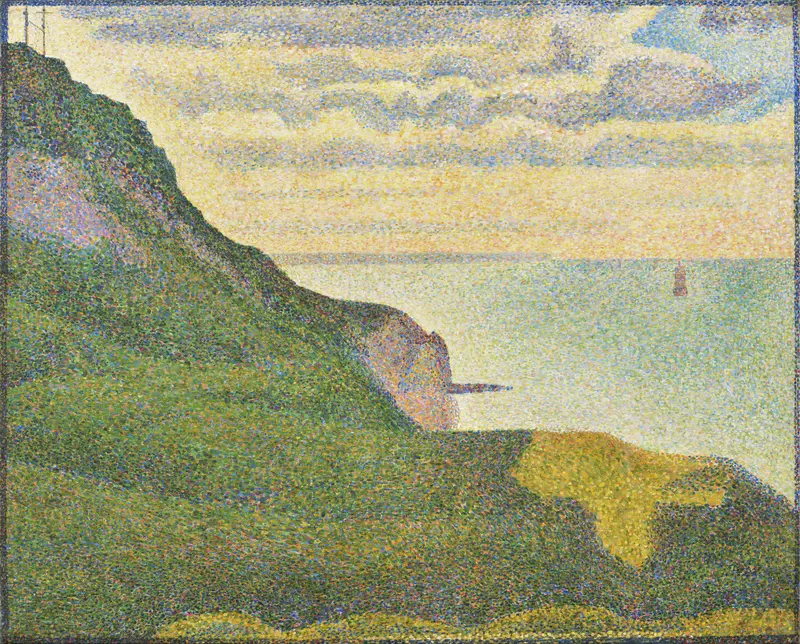
Seascape at Port-en-Bessin,Normandy
Georges Seurat
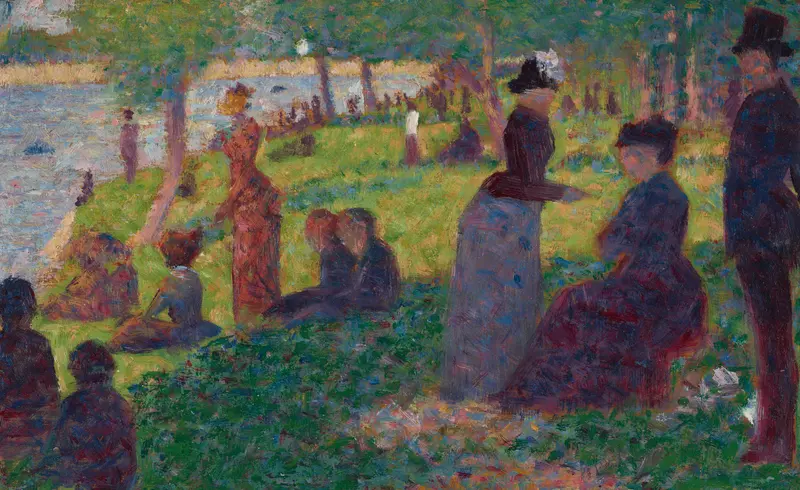
Oil Sketch for "A Sunday on La Grande Jatte — 1884"
Georges Seurat
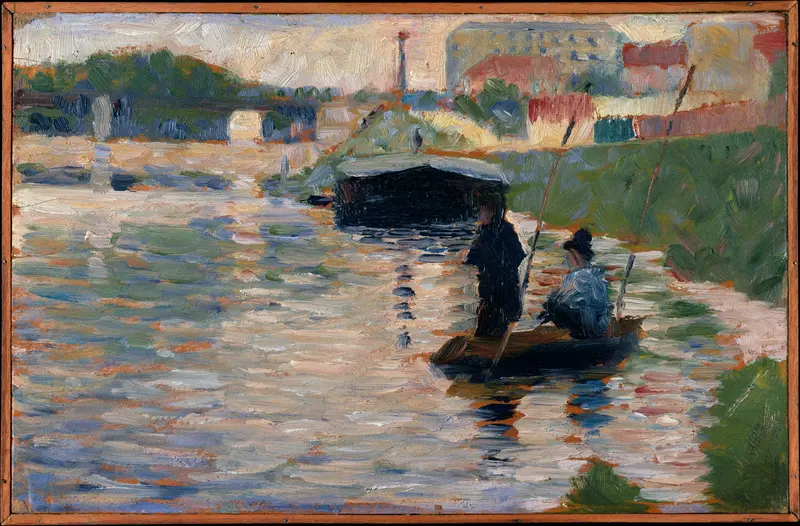
View of the Seine
Georges Seurat
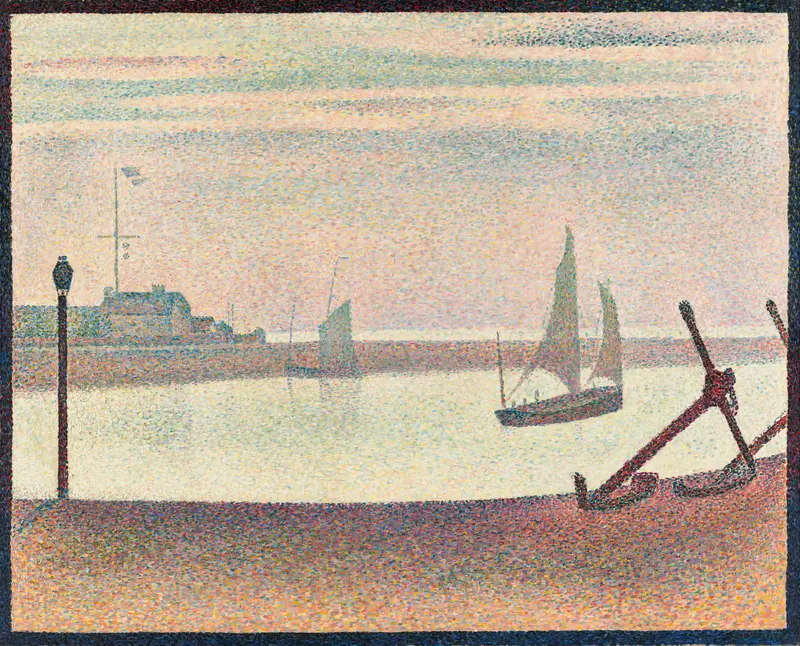
The Channel at Gravelines, Evening
Georges Seurat
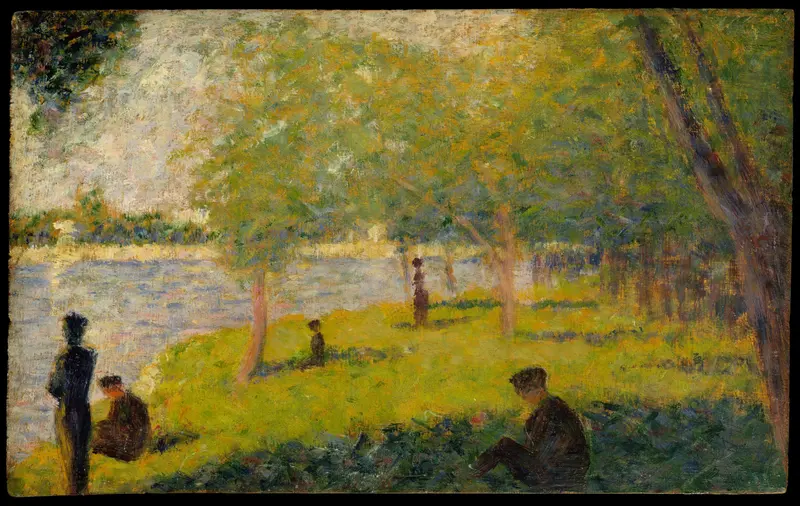
Study for ‘A Sunday on La Grande Jatte’
Georges Seurat
Study for A Sunday on La Grande Jatte
Georges Seurat
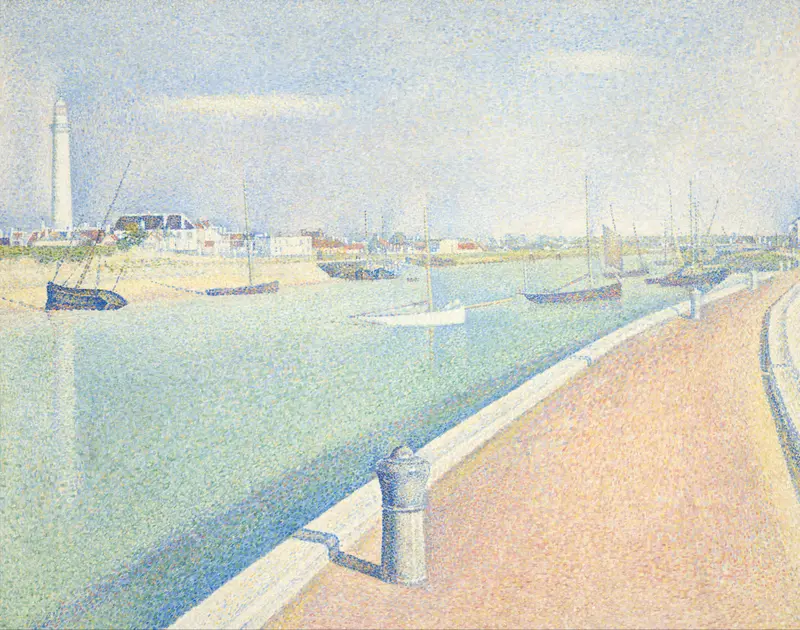
The Channel of Gravelines, Petit Fort Philippe
Georges Seurat
More Landscape Art

The Starry Night
Vincent van Gogh

View of Delft
Johannes Vermeer

Water Lilies
Claude Monet

The Grand Canal, Venice, looking north-west from the Ca' Corner to the Ca' Contarini degli Scrigni, with the campanile of Santa Maria della Carità
Canaletto

Windsor Castle
Canaletto

The Grand Canal looking North-East from the Palazzo Dolfin-Manin to the Rialto Bridge
Canaletto