
The Sacrifice at Lystra — History & Facts
In 1515, Raphael was commissioned by Pope Leo X to design a series of monumental cartoons for tapestries destined for the Sistine Chapel, and among them was The Sacrifice at Lystra. What makes this work remarkable is that it was conceived not as a painting to hang on a wall, but as a full-scale template for weavers—an ambitious collaboration between the Italian High Renaissance and the Flemish tapestry workshops of Pieter van Aelst in Brussels. The tapestries, woven with gold and silver threads, were so costly that, as Vasari noted, "they were esteemed more precious than paintings." Only a handful of these cartoons survive, and their journey from workshop tools to revered artworks is a story in itself. The scene captures a dramatic moment from the Acts of the Apostles: Paul and Barnabas, having healed a crippled man in the city of Lystra, are mistaken by the townspeople for gods.
In the composition, the healed man rises at the center, his outstretched arms echoing both gratitude and confusion. To the right, a priest prepares to sacrifice a bull before the apostles—Paul, in a red cloak, gestures urgently to halt the proceedings, while Barnabas looks on in alarm. The crowd’s fervor is palpable in their raised hands and eager faces, while the classical architecture and Roman costumes root the story in antiquity.
Unlike Rubens’ later, more tumultuous treatment of the same subject, Raphael arranges the figures with calm clarity, balancing narrative drama with harmonious order. The original cartoon for The Sacrifice at Lystra is now housed in the Victoria and Albert Museum in London, one of seven surviving from the series. After their use in Brussels, the cartoons were returned to Italy, later finding their way to England in the 17th century, where they were prized by Charles I. The tapestries themselves remain in the Vatican, still displayed on special occasions in the Sistine Chapel.
This work stands at a pivotal moment in Raphael’s career, reflecting his move from painting to large-scale projects for the papacy, and his influence on both tapestry design and the broader development of Renaissance art.
More Artworks by Raphael

Madonna of the Goldfinch
Raphael

Madonna with the Fish
Raphael
Madonna and Child (Madonna della Seggiola)
Raphael
Seated Madonna and Child
Raphael
Portrait of a Young Man
Raphael
The Marriage of the Virgin
Raphael
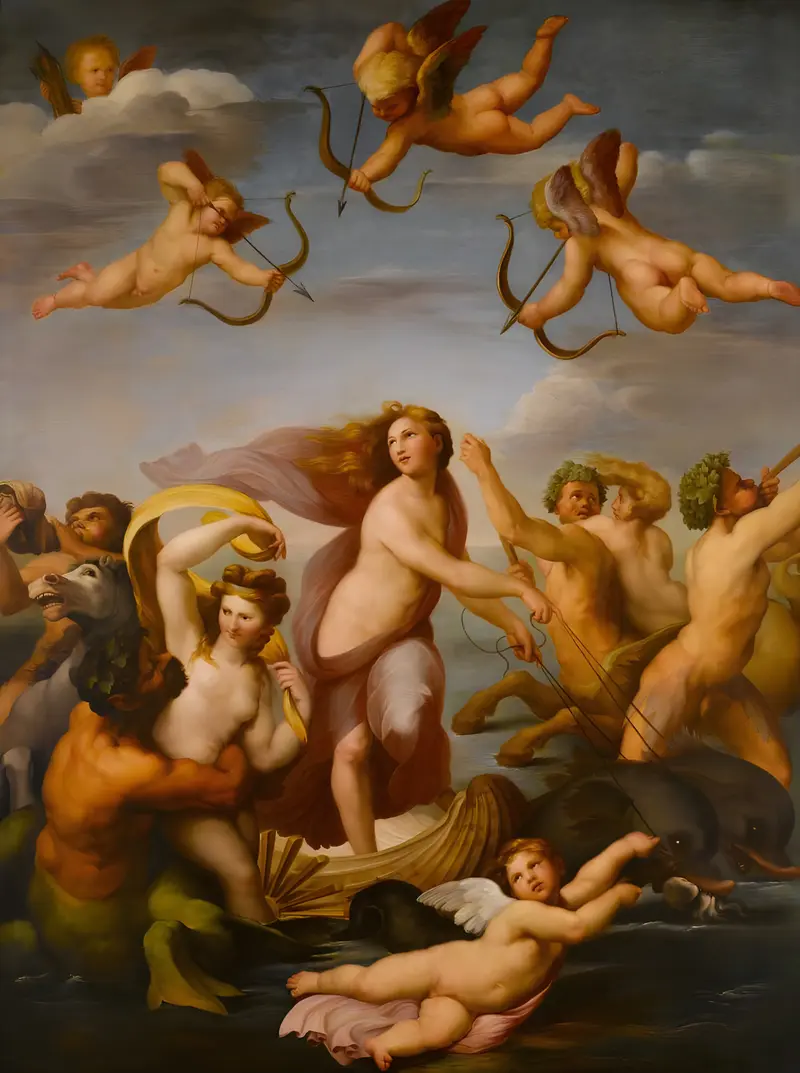
The Triumph of Galatea (copy after Raphael)
Raphael
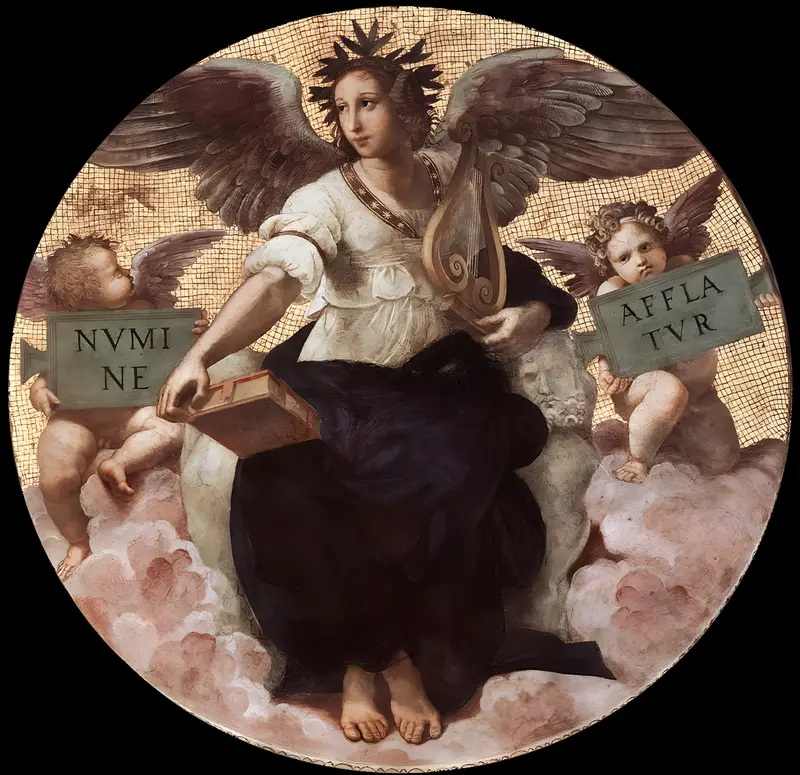
Poetry
Raphael
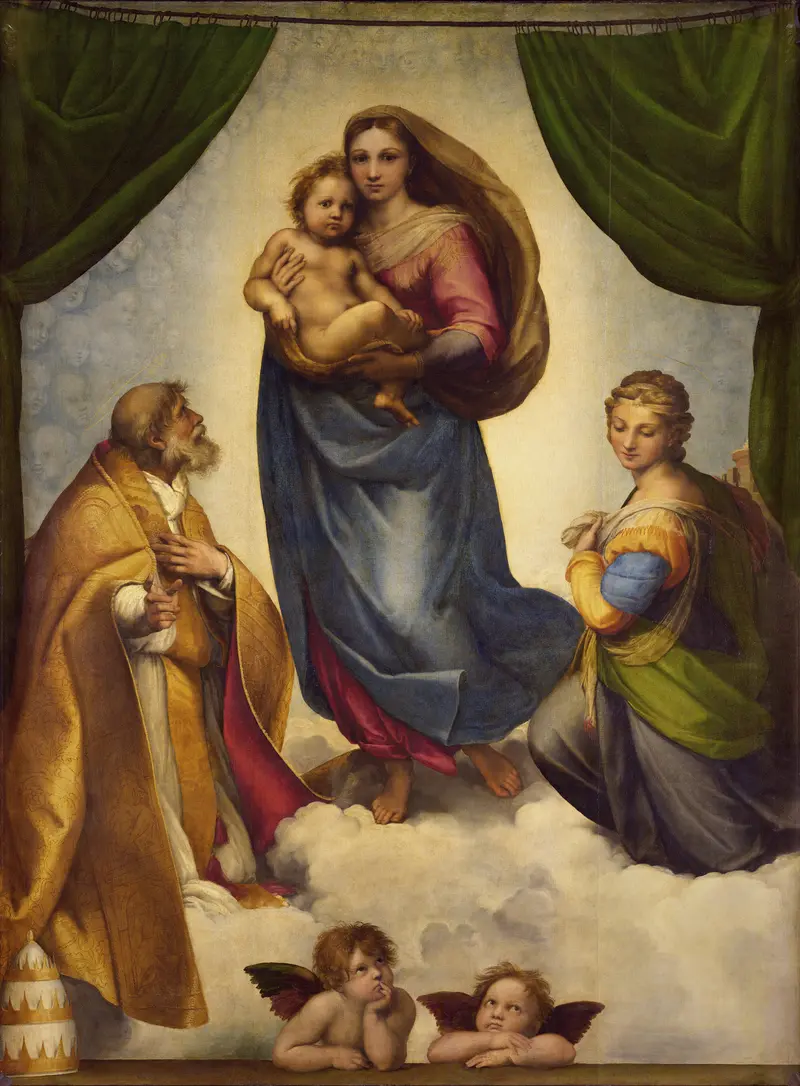
Sistine Madonna
Raphael
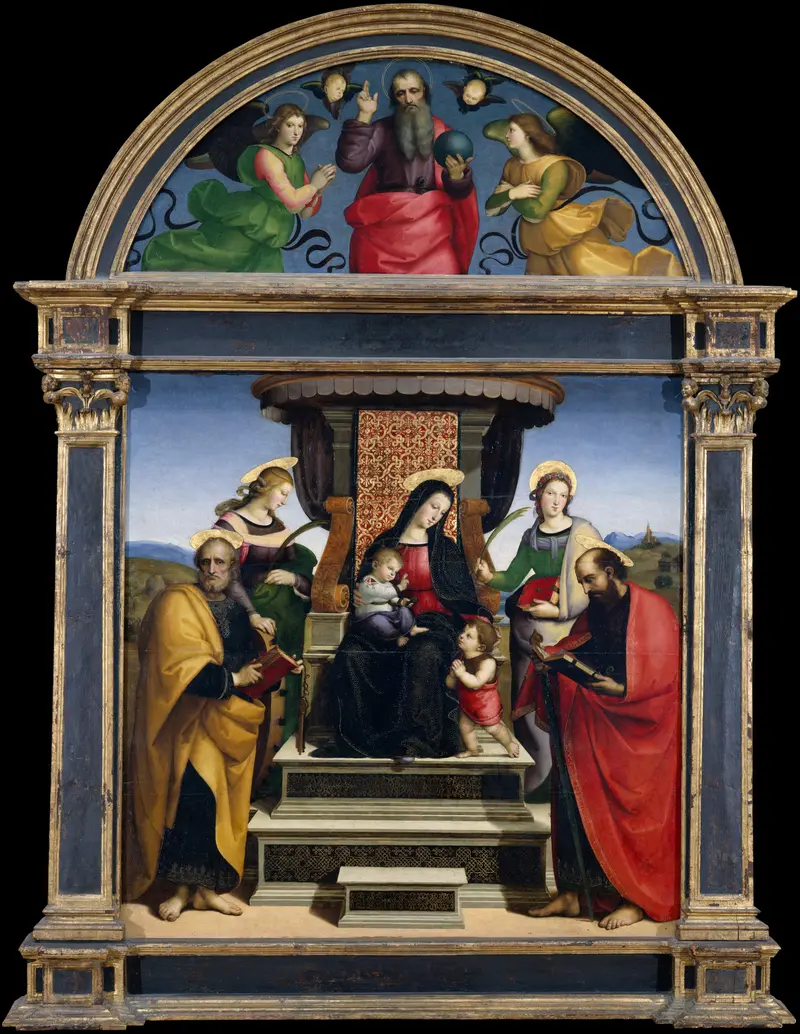
Madonna and Child Enthroned with Saints
Raphael




