
The Vision of Saint Jerome — History & Facts
Few paintings by Caravaggio have generated as much scholarly debate as The Vision of Saint Jerome, whose date, commission, and even original location remain shrouded in mystery. Unlike his more famous works, this painting’s provenance is uncertain, and its very existence has been questioned at times, with some experts unsure whether it should be attributed to Caravaggio at all. The air of uncertainty has only fueled fascination, drawing attention to the ways in which the artist’s hand might be recognized in the dramatic lighting and psychological intensity that mark his style. In this work, Caravaggio chooses the moment when Saint Jerome, the great translator of the Bible, is visited by an angelic apparition.
The aged saint, usually depicted in scholarly solitude, is here interrupted mid-study: his gnarled hands pause over his books as his gaze lifts, startled, to the messenger from heaven. The skull on the desk reminds viewers of mortality, while the angel’s gesture points upward, signaling divine inspiration. The play of light—so characteristic of Caravaggio—falls across Jerome’s wrinkled brow and the angel’s luminous form, creating a sense of immediacy and tension.
Compared to Domenichino’s more serene Saint Jerome, Caravaggio’s vision is urgent, almost theatrical, drawing the viewer into the saint’s moment of revelation. The painting’s physical journey is as elusive as its origins. No clear record survives of its first owner or intended chapel, and it has passed through various collections, sometimes under different attributions. Its style, however, places it in the mature period of Caravaggio, when his reputation for realism and dramatic contrast was well established in Rome.
Today, the painting is recognized as a significant—if enigmatic—example of Baroque religious art, inviting ongoing research and discussion about its place in the artist’s turbulent career and the broader history of sacred imagery.
More Artworks by Caravaggio
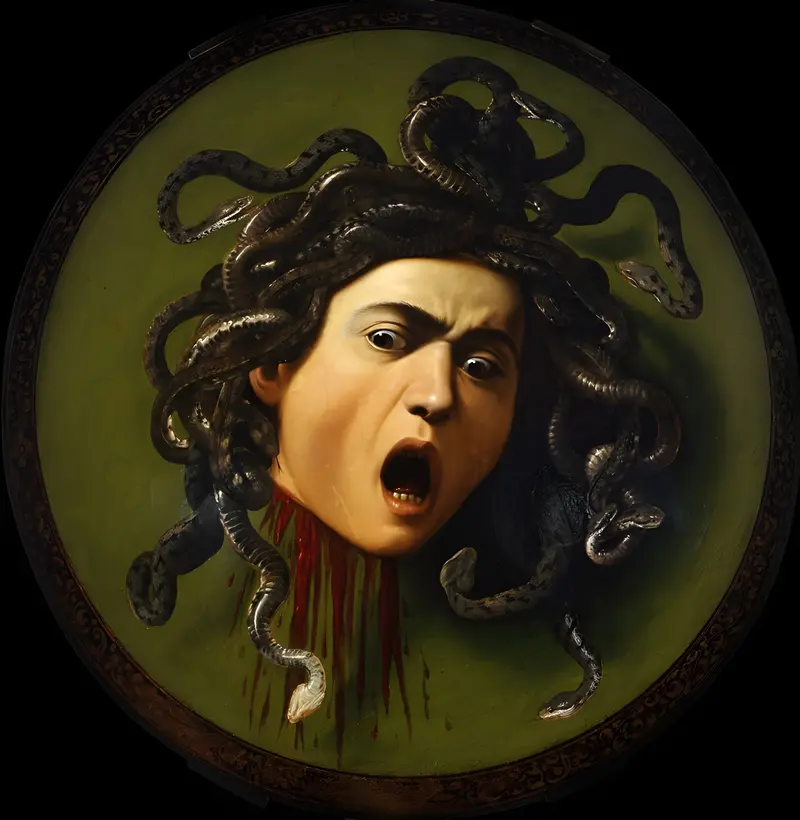
Medusa
Caravaggio
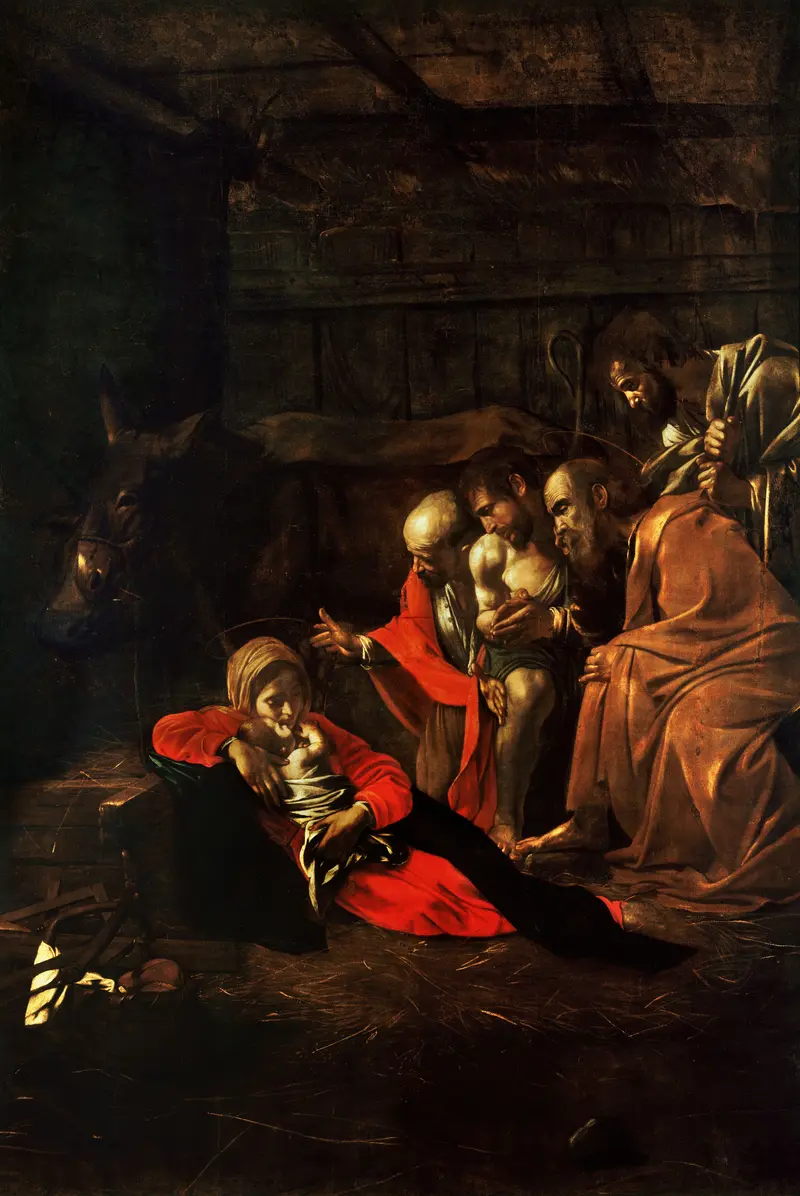
Adoration of the Shepherds
Caravaggio
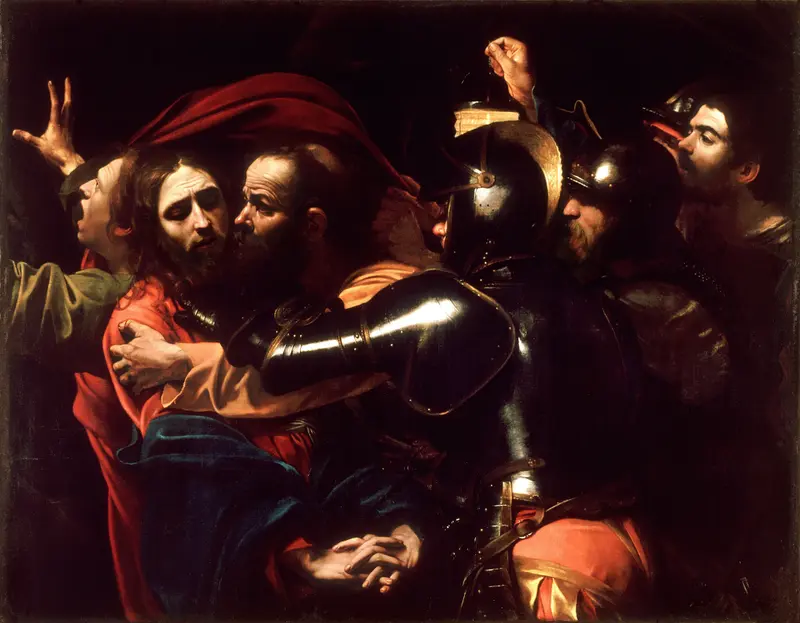
The Taking of Christ
Caravaggio
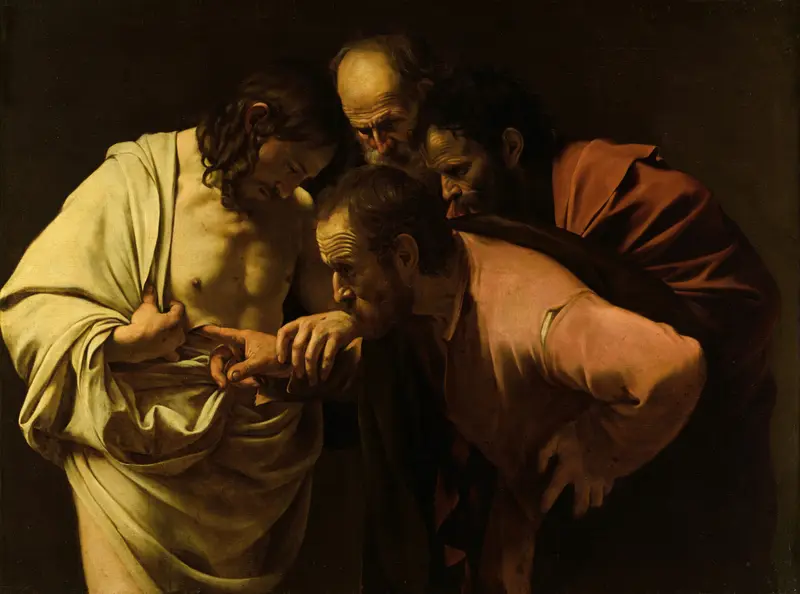
The Incredulity of Saint Thomas
Caravaggio
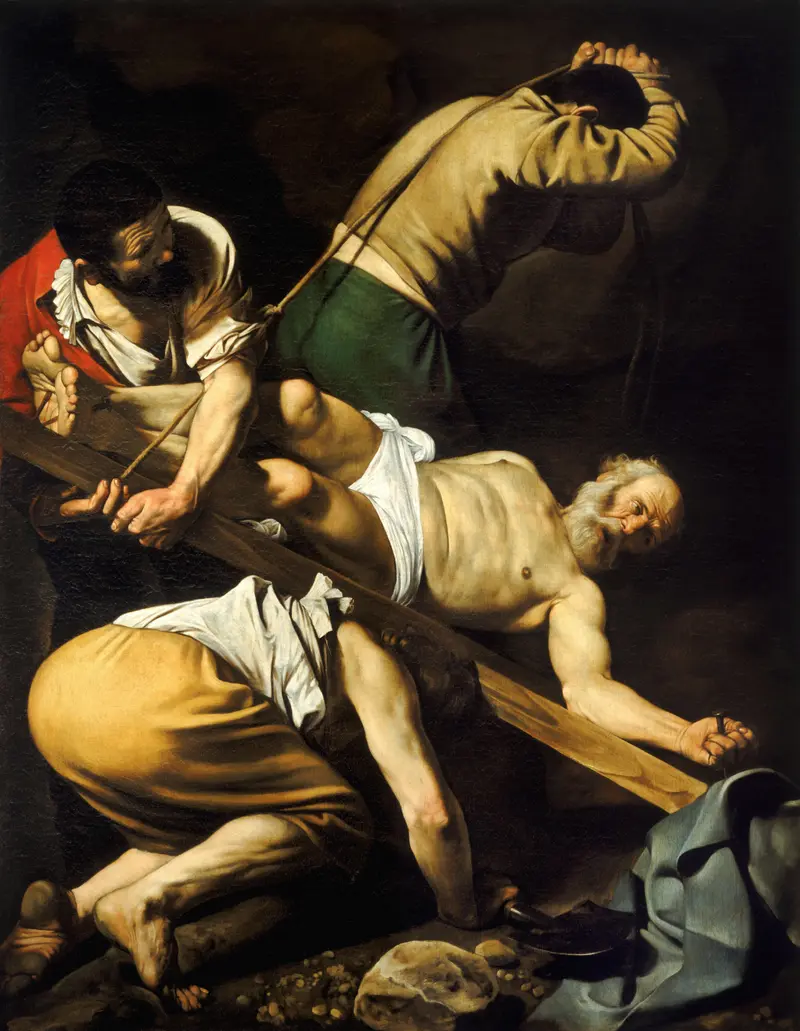
Crucifixion of Saint Peter
Caravaggio
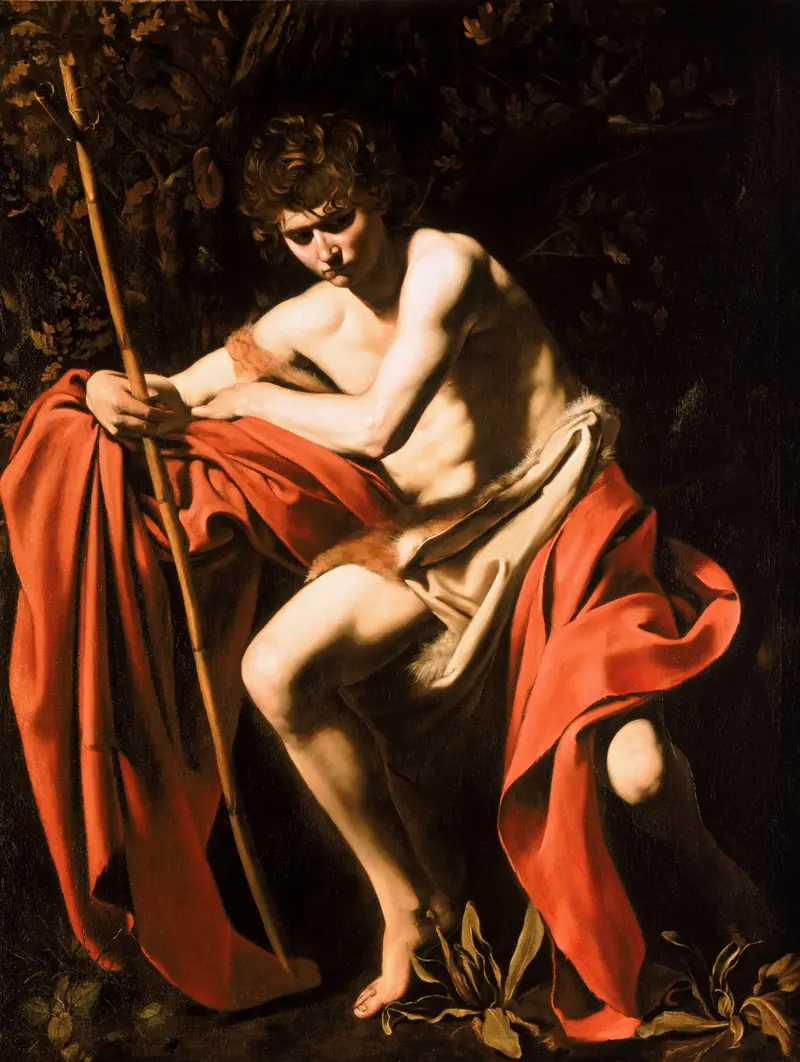
Saint John The Baptist In The Wilderness
Caravaggio

Saint Matthew and the angel
Caravaggio
The Inspiration of Saint Matthew
Caravaggio

Conversion on the Way to Damascus
Caravaggio
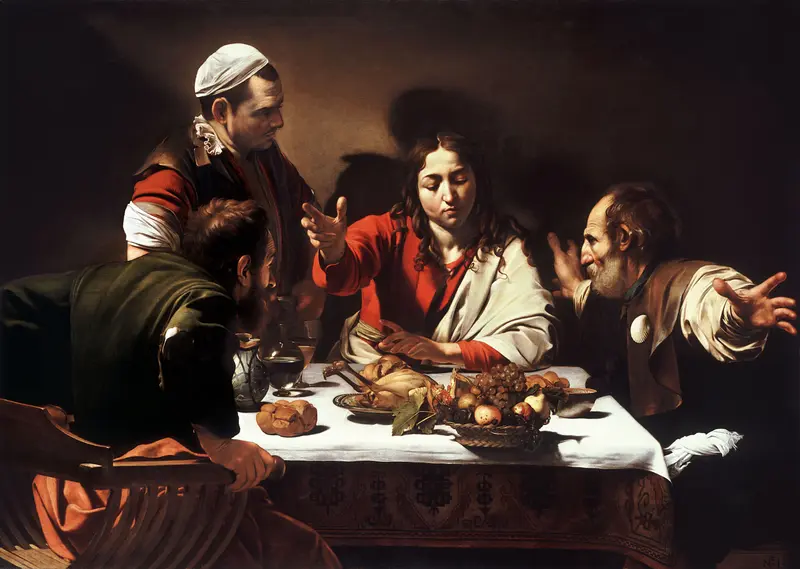
Supper at Emmaus
Caravaggio





