
The Visit to the Wet Nurse — History & Facts
When The Visit to the Wet Nurse was first exhibited in 1773, it touched a nerve in Parisian society, reflecting a practice that was both commonplace and controversial: the sending of infants to be nursed by women in the countryside. In the decades before the French Revolution, more than half of Parisian newborns were sent away to wet nurses, a fact that troubled moralists and philosophers alike. Jean-Honoré Fragonard’s painting stands out as one of the few major works to address this domestic reality head-on, offering a glimpse into the intersection of family, class, and childcare at the end of the Ancien Régime. Fragonard chooses the intimate moment when a mother, accompanied by her husband, visits her child in the modest home of the wet nurse.
The composition is anchored by the tender gesture of the mother reaching toward her baby, while the wet nurse, plainly dressed, offers the infant with a mixture of pride and humility. Light falls gently on the child, making it the emotional center of the scene, while the contrast between the fine attire of the visitors and the humble setting underscores the social divide. Unlike Greuze’s moralizing scenes of family virtue, Fragonard’s treatment is warm and observational, capturing both the affection and the awkwardness of the encounter. The exact commission history of The Visit to the Wet Nurse is unclear, but it was painted at a time when Fragonard was exploring scenes of everyday life, moving beyond the playful rococo fantasies that made his reputation.
The painting has passed through several private collections and was for a time little known outside specialist circles. Today, it is recognized as an important document of social history as well as a testament to Fragonard’s versatility. Its place in his career marks a shift toward genre scenes, revealing a painter attuned to the subtle dramas of ordinary existence.
More Artworks by Jean-Honoré Fragonard
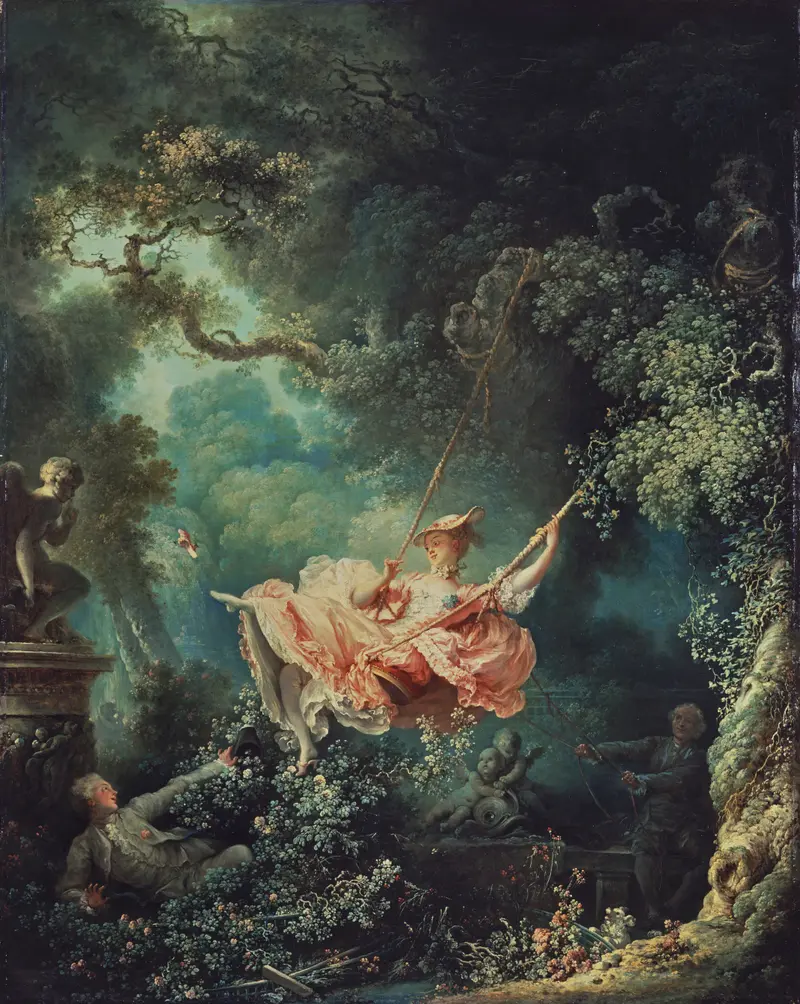
The Swing
Jean-Honoré Fragonard

The Swing
Jean-Honoré Fragonard
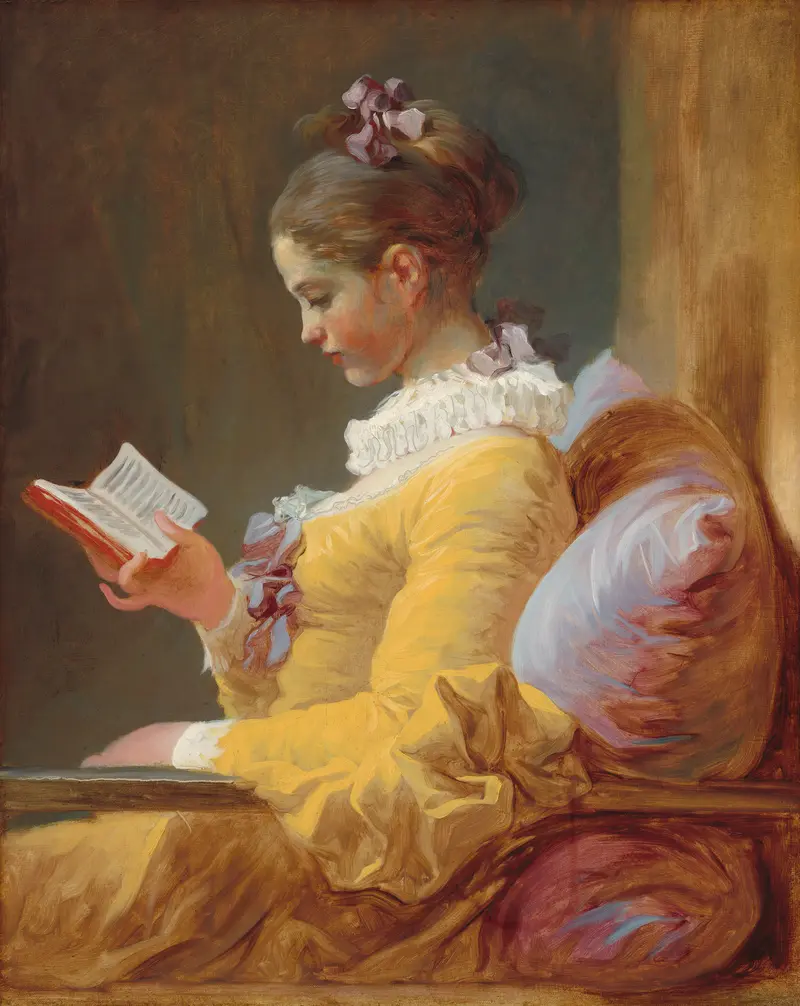
A Young Girl Reading
Jean-Honoré Fragonard
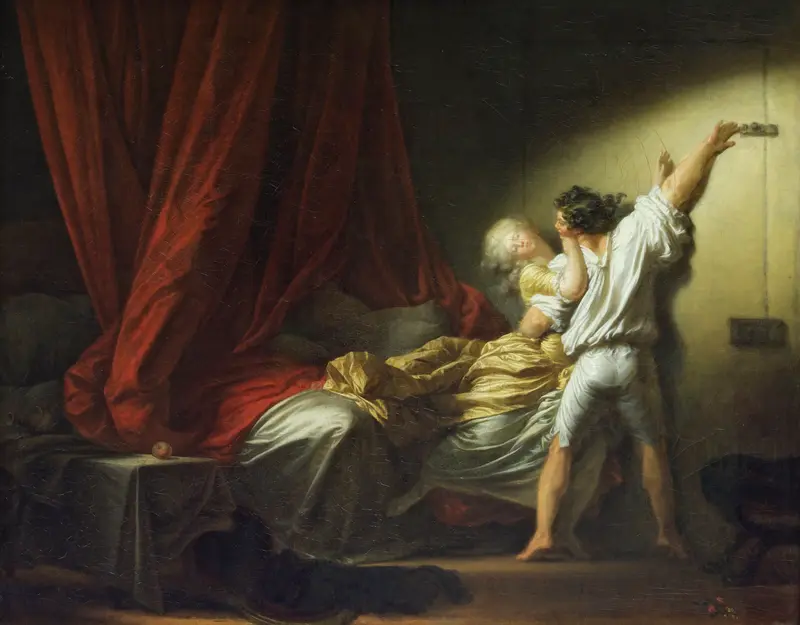
The Lock
Jean-Honoré Fragonard
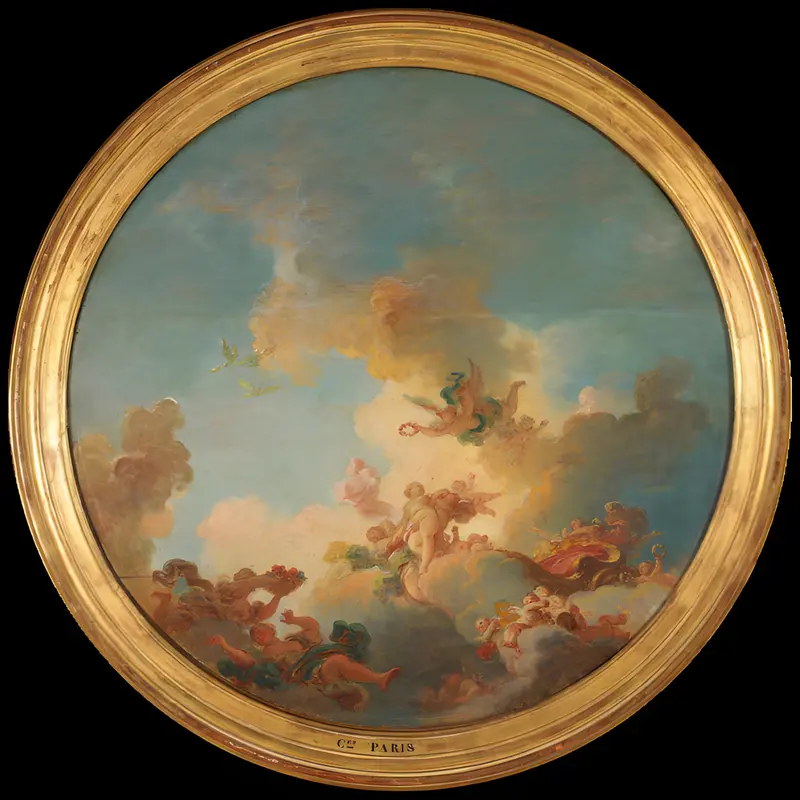
The Triumph of Venus
Jean-Honoré Fragonard
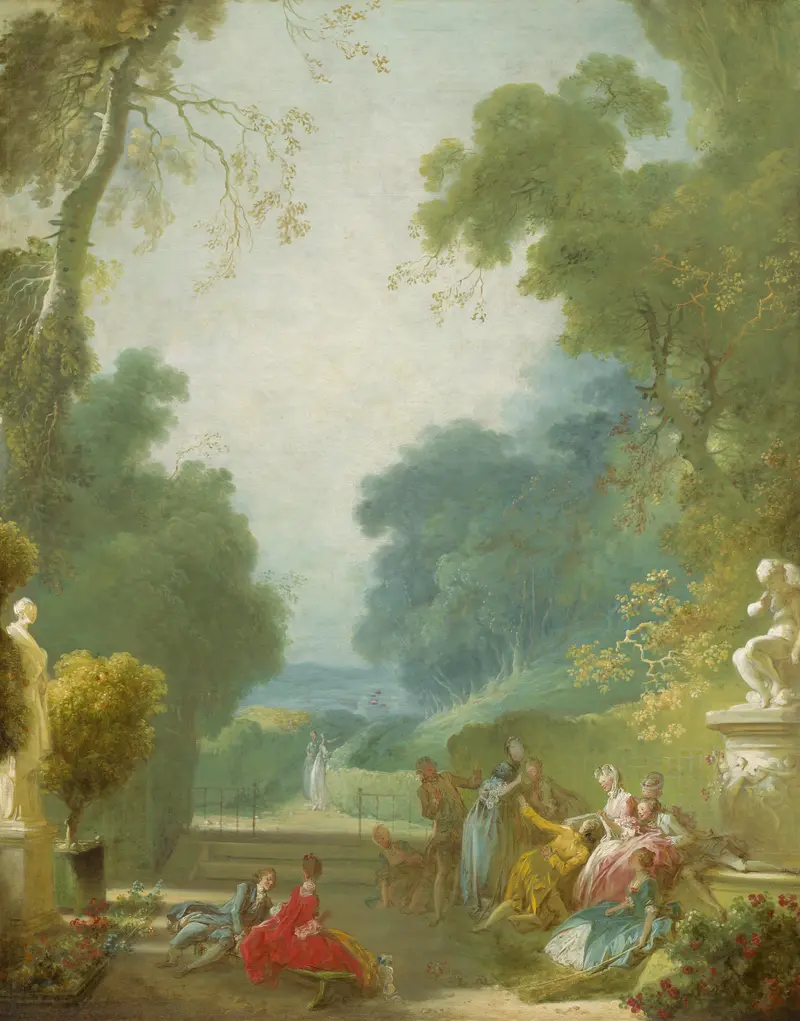
A Game of Hot Cockles
Jean-Honoré Fragonard
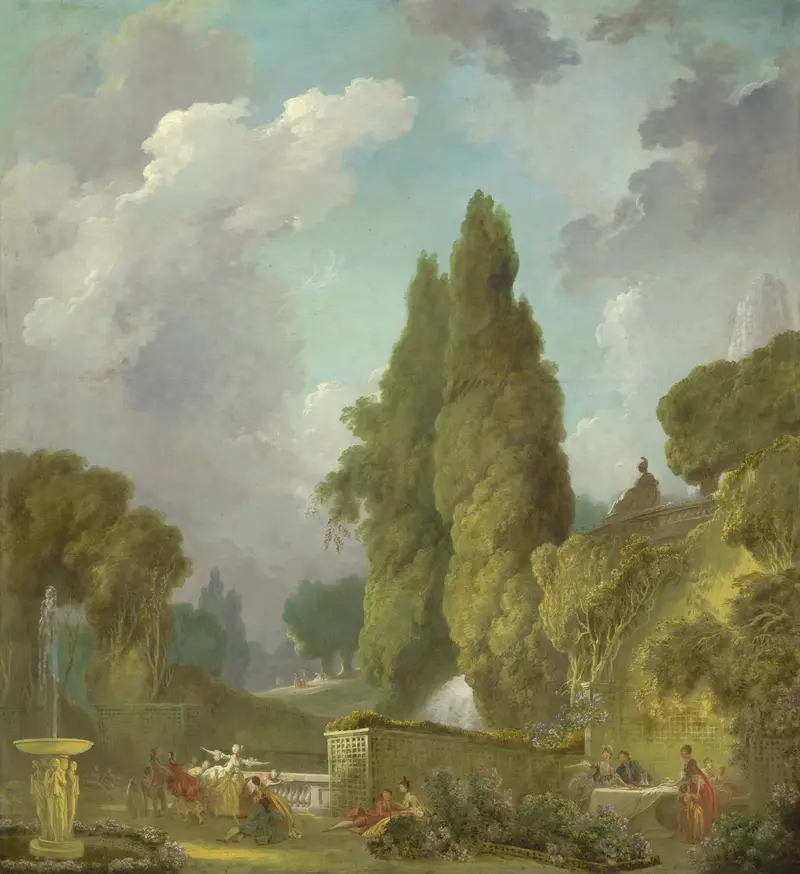
Blindman’s Buff
Jean-Honoré Fragonard
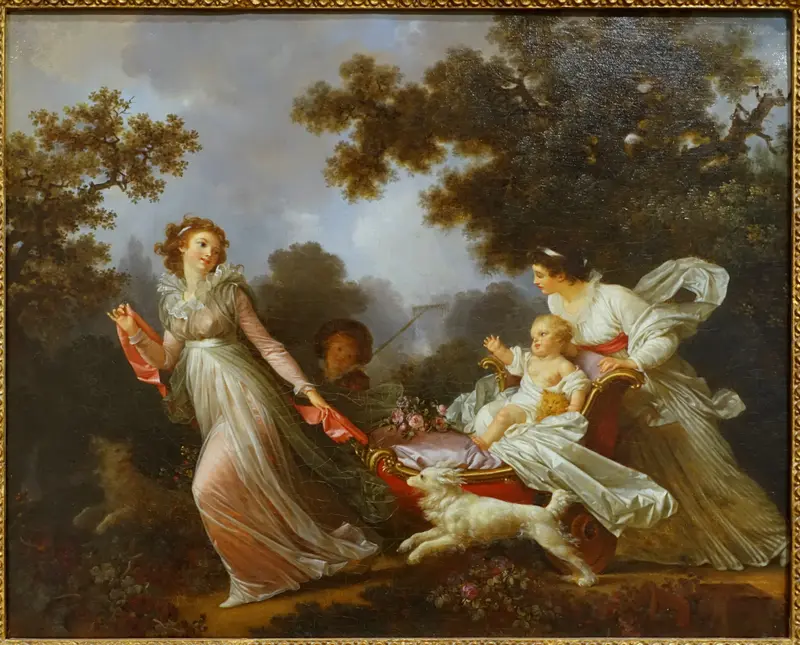
The Beloved Child
Jean-Honoré Fragonard
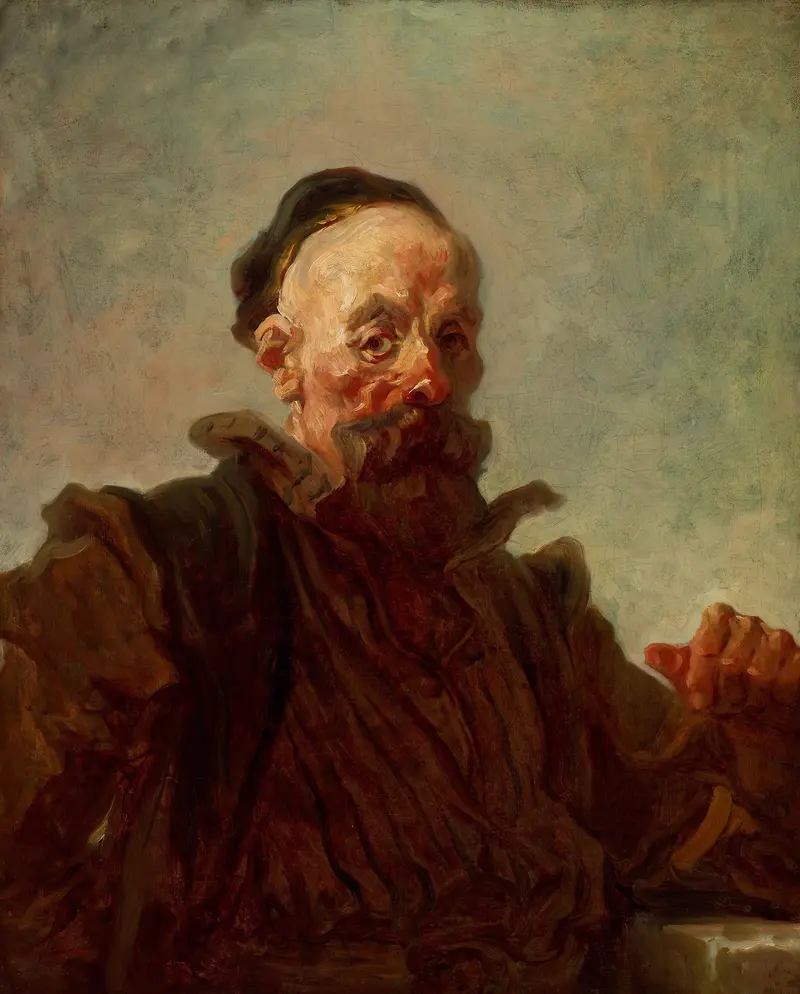
Portrait of a Man in Costume
Jean-Honoré Fragonard
The First Steps
Jean-Honoré Fragonard
More Genre Scene Art

Banquet of the Officers of the St George Civic Guard
Frans Hals

Rembrandt and Saskia in the Scene of the Prodigal Son
Rembrandt van Rijn

Bal du moulin de la Galette
Pierre-Auguste Renoir

Quadrille at the Moulin Rouge
Henri de Toulouse-Lautrec

A Burial at Ornans
Gustave Courbet

When Will You Marry?
Paul Gauguin