
Thebaid — History & Facts
No other painting by Fra Angelico is quite as enigmatic as Thebaid. For centuries, scholars have debated whether this crowded, jewel-like panel was intended as an altarpiece, a predella, or even as a kind of visual meditation for private devotion. The painting’s very subject is unusual: rather than a single scene, it presents a series of miniature narratives, each depicting the lives of early Christian hermits in the Egyptian desert—a theme rarely treated in Western art before this moment.
Its earliest known mention comes not from a commission record, but from a 16th-century inventory, leaving its original context shrouded in mystery. At first glance, Thebaid is a labyrinth of stories unfolding across a rocky, sunlit wilderness. Here, monks labor in gardens, pray in caves, tend the sick, and bury the dead—each vignette illustrating the austere and communal life of the Desert Fathers. A monk draws water from a well, another reads in solitude, while a group gathers for Mass beneath a makeshift altar.
The painting’s structure is almost map-like, inviting the viewer to wander from episode to episode, much as the monks themselves wandered in search of spiritual perfection. Unlike the dramatic martyrdoms favored by Masaccio or the grand architectural settings of Gentile da Fabriano, Fra Angelico chooses intimacy and humility, using gentle color transitions and delicate gold highlights to convey the serenity and discipline of monastic life. The physical journey of Thebaid is as complex as its painted landscape. Its attribution to Fra Angelico was not universally accepted until the 20th century, with some earlier scholars favoring his contemporary Lorenzo Monaco.
Today, most agree it is an early work, painted around 1420, possibly for a Dominican context given Angelico’s own monastic ties. The panel has passed through several hands, surviving periods of neglect and changing taste, before entering the collection of the Museo di San Marco in Florence, where it hangs today. As one of the earliest surviving depictions of monastic life in the Western tradition, Thebaid offers a rare window into both the spiritual aspirations of the early Renaissance and the personal devotion of its painter.
More Artworks by Fra Angelico

Condemnation of St Lawrence by the Emperor Valerian
Fra Angelico
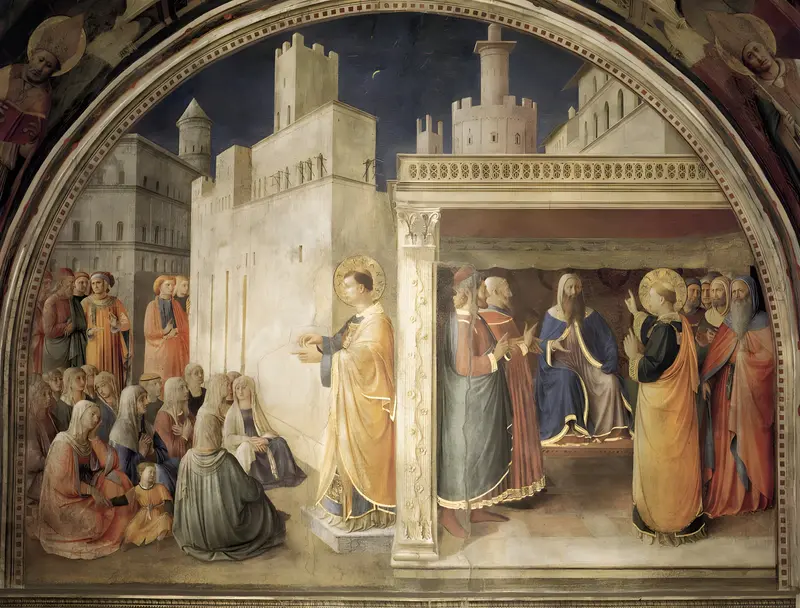
Lunette of the north wall
Fra Angelico
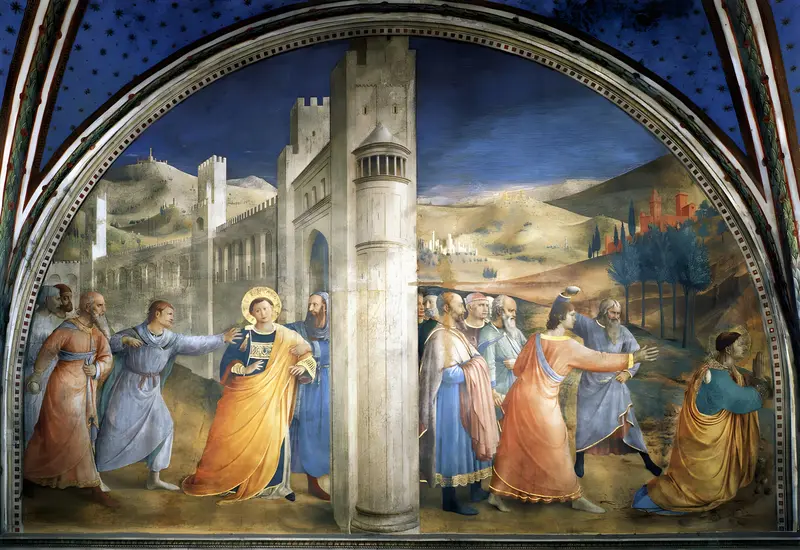
Lunette of the east wall in Niccoline Chapel
Fra Angelico
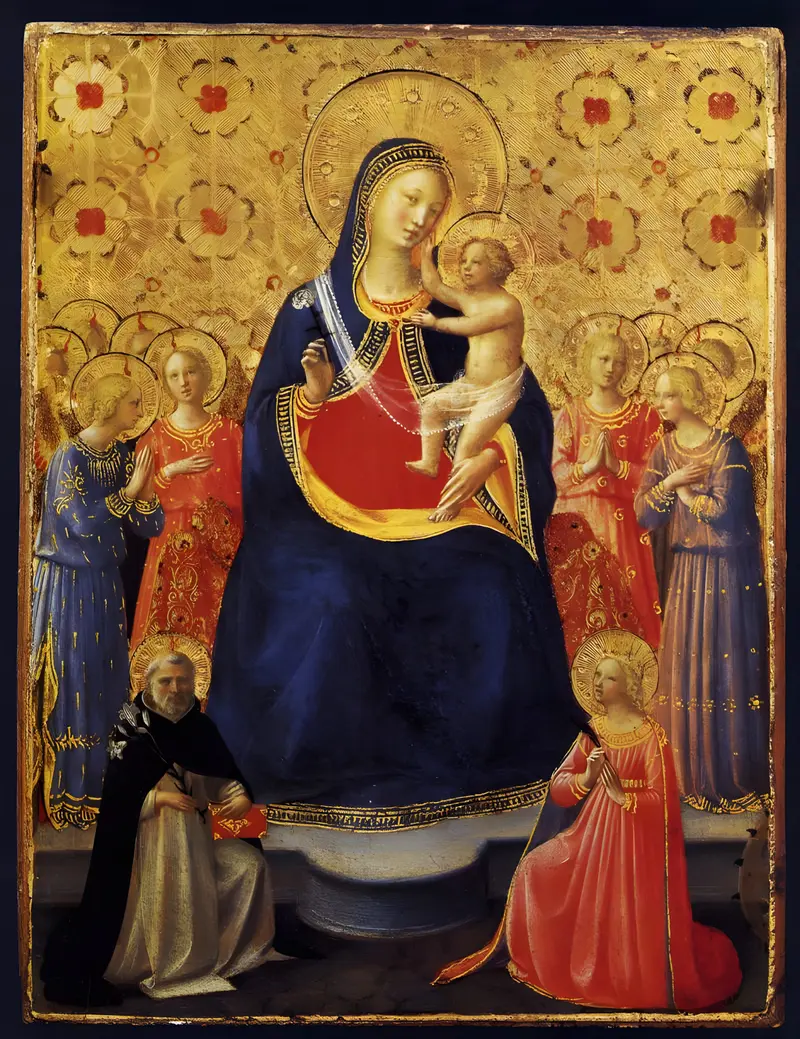
Madonna and Child Enthroned with Nine Angels and Saints Dominic and Catherine of Alexandria
Fra Angelico
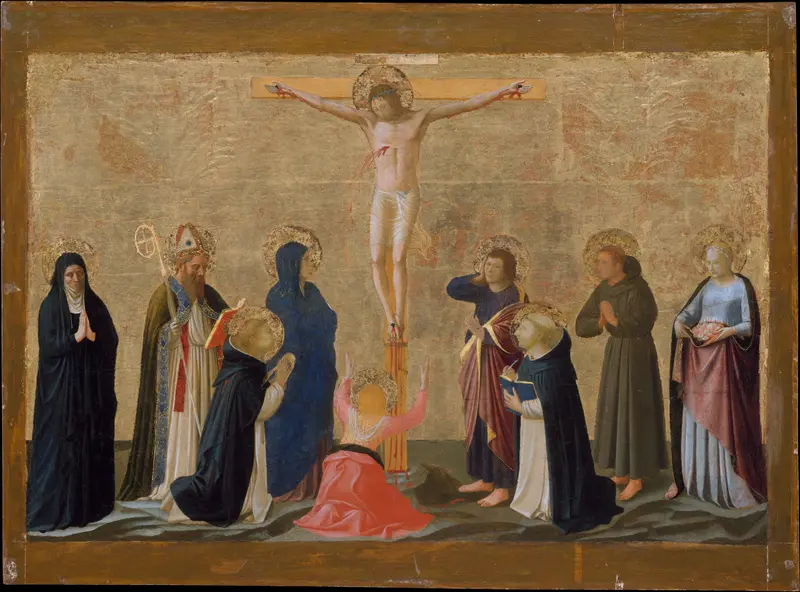
The Crucifixion
Fra Angelico
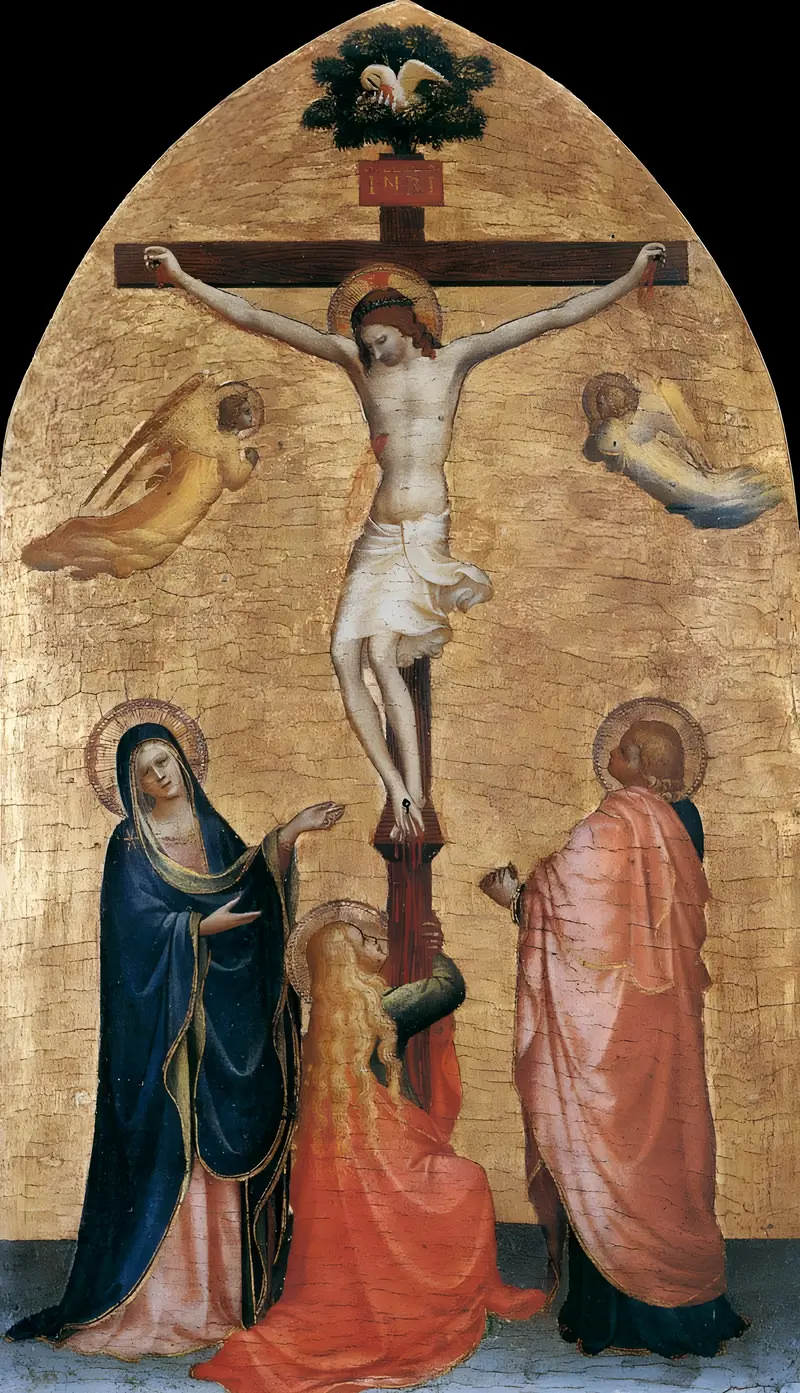
Crucifixion with the Virgin, John the Evangelist, and Mary Magdelene
Fra Angelico
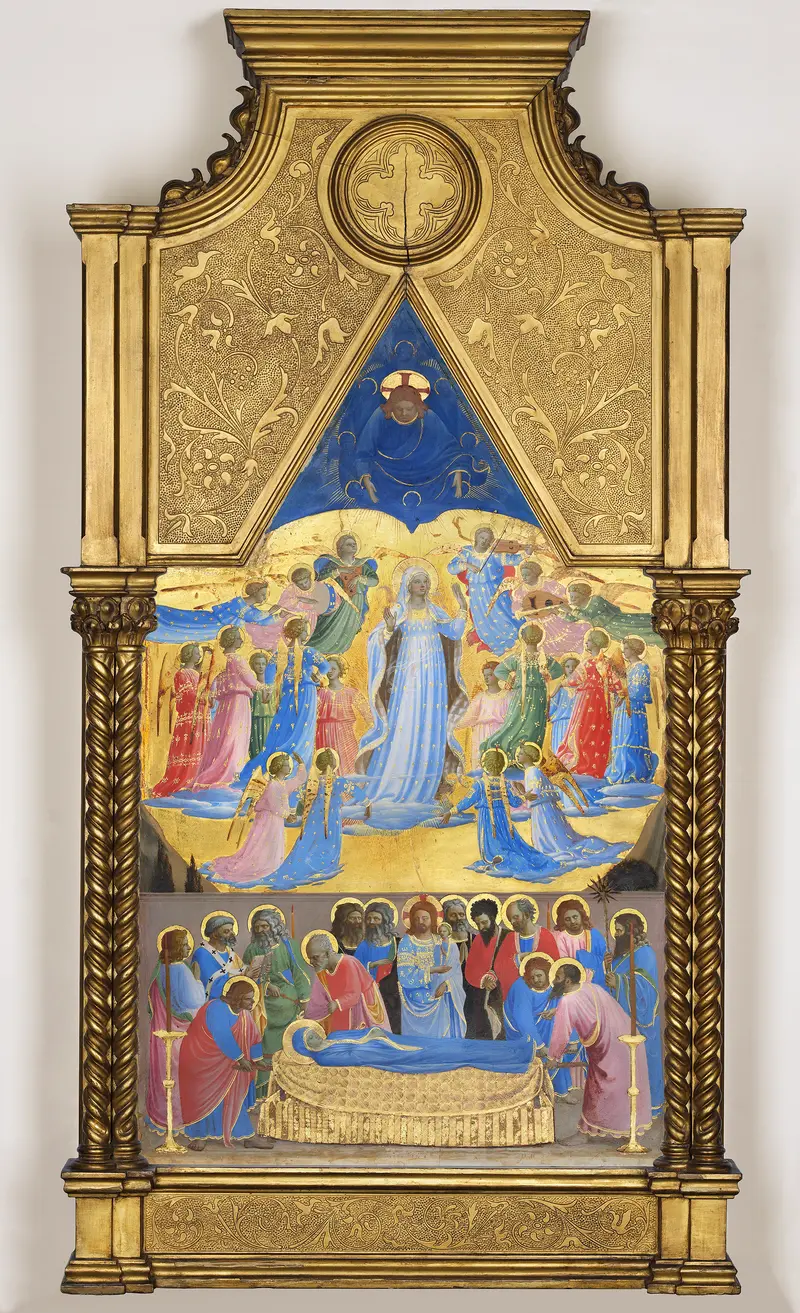
Dormition and Assumption of the Virgin
Fra Angelico
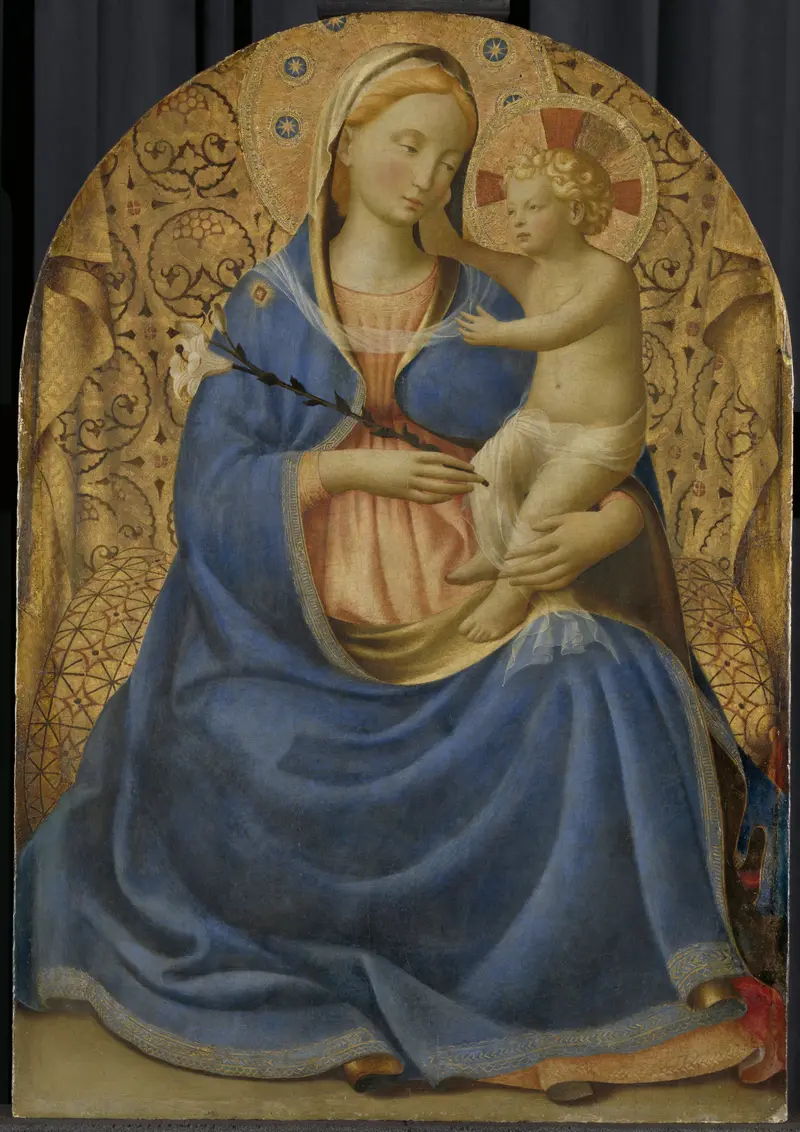
Madonna of Humility
Fra Angelico
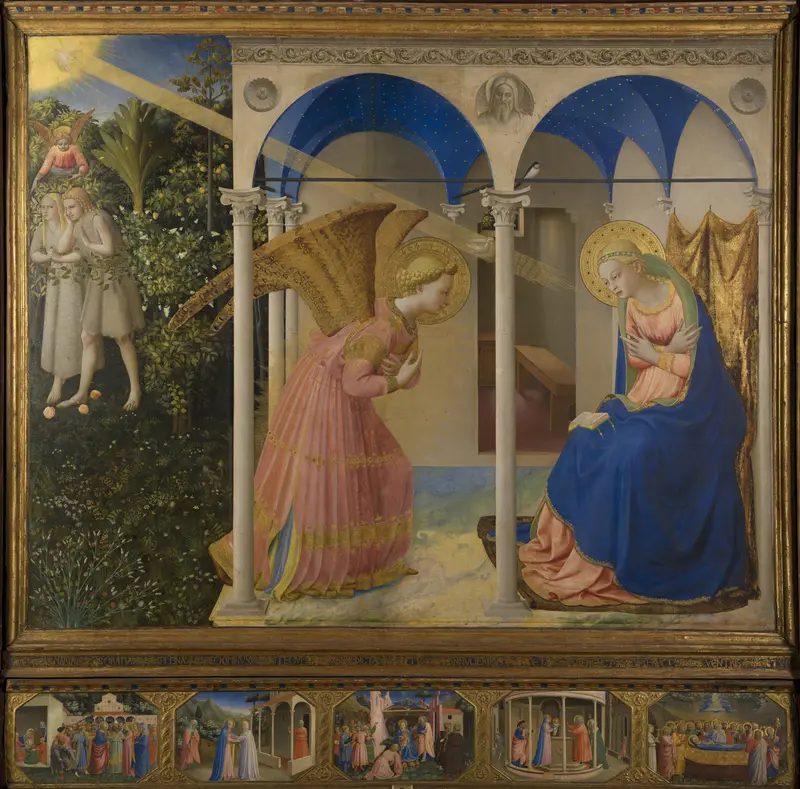
The Annunciation
Fra Angelico

Saint Anthony Abbot
Fra Angelico





