
Thomas Otway (1652–1685) — History & Facts
When William Blake painted Thomas Otway (1652–1685) in 1800, he was not merely capturing the likeness of a long-dead playwright—he was participating in a remarkable moment of literary revival. The late eighteenth and early nineteenth centuries saw a surge of interest in the tragic poets and dramatists of the previous century, and Blake was commissioned to create a series of portraits for the publisher Richard Edwards, who planned an illustrated edition of British poets. This project brought together the visionary artist and the tragic figure of Otway, whose own life was marked by poverty and early death, mirroring the fates of many of Blake's poetic heroes. The portrait presents Thomas Otway at a moment of introspection, his gaze turned away from the viewer, lost in thought.
Blake chooses to emphasize Otway's melancholy, drawing attention to the poet's delicate features and downcast eyes, perhaps alluding to the despair that colored both his life and his writing. The soft modeling of the face, set against a dark, undefined background, isolates Otway in his own world—a compositional device reminiscent of Sir Joshua Reynolds's portraits, though Blake's touch is lighter and more ethereal. The absence of theatrical props or elaborate costume focuses attention on Otway's emotional state, inviting the viewer to contemplate the inner life of a man whose tragedies, both written and lived, resonated with Blake's own sense of artistic struggle. Little is known about the subsequent history of Thomas Otway (1652–1685) as an object.
The medium remains uncertain—some sources suggest it may be a drawing or tempera rather than oil—and its whereabouts were unrecorded for many years, leading to occasional confusion over attribution. The portrait is now recognized as part of Blake's important but often overlooked work as a portraitist, a role he undertook chiefly for financial reasons during a period when his visionary art found little public support. Today, the painting stands as a rare example of Blake's engagement with historical portraiture, offering insight into both his technique and his deep empathy for creative souls who, like himself, struggled for recognition in their own time.
More Artworks by William Blake
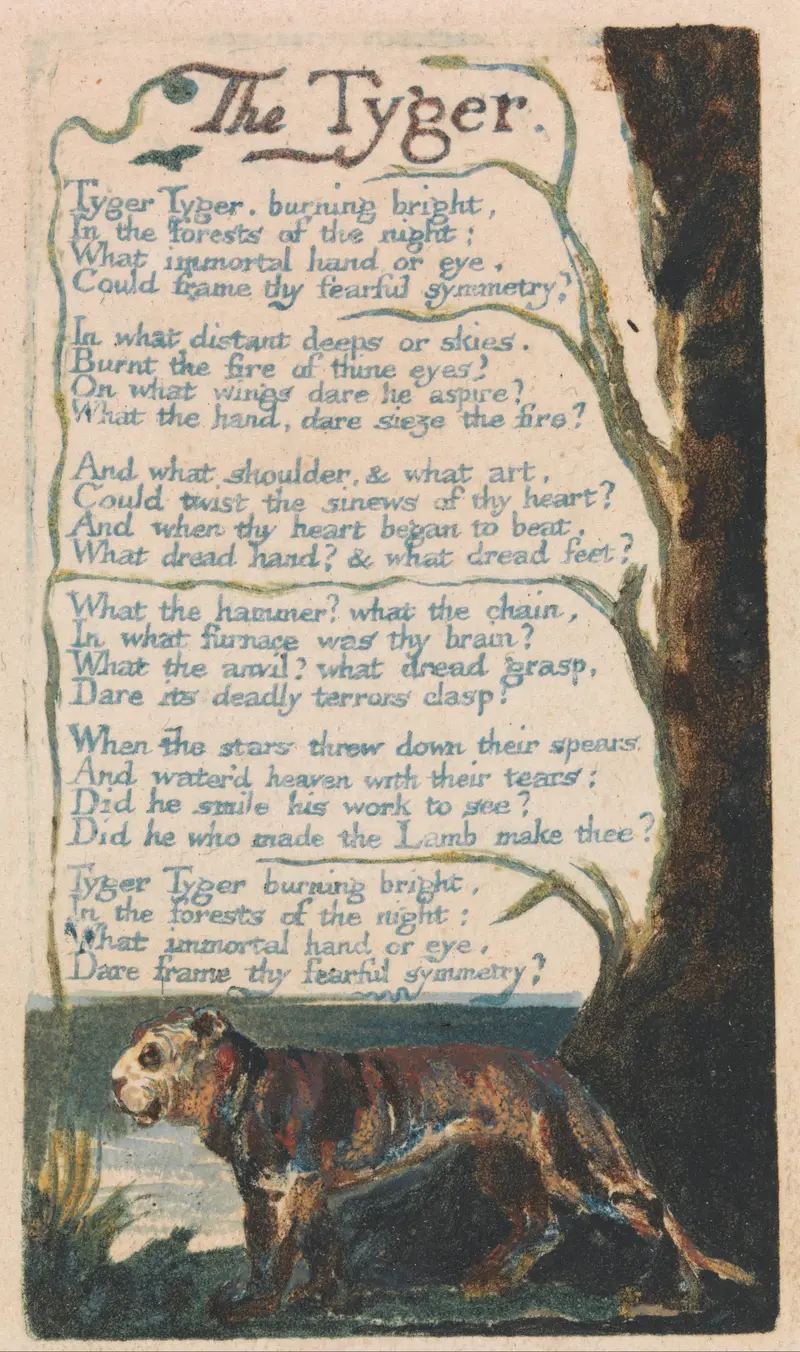
The Tyger
William Blake

Christ Blessing
William Blake
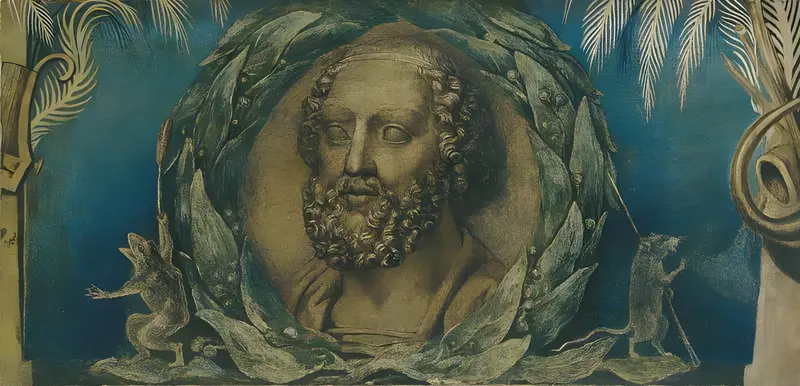
Homer
William Blake
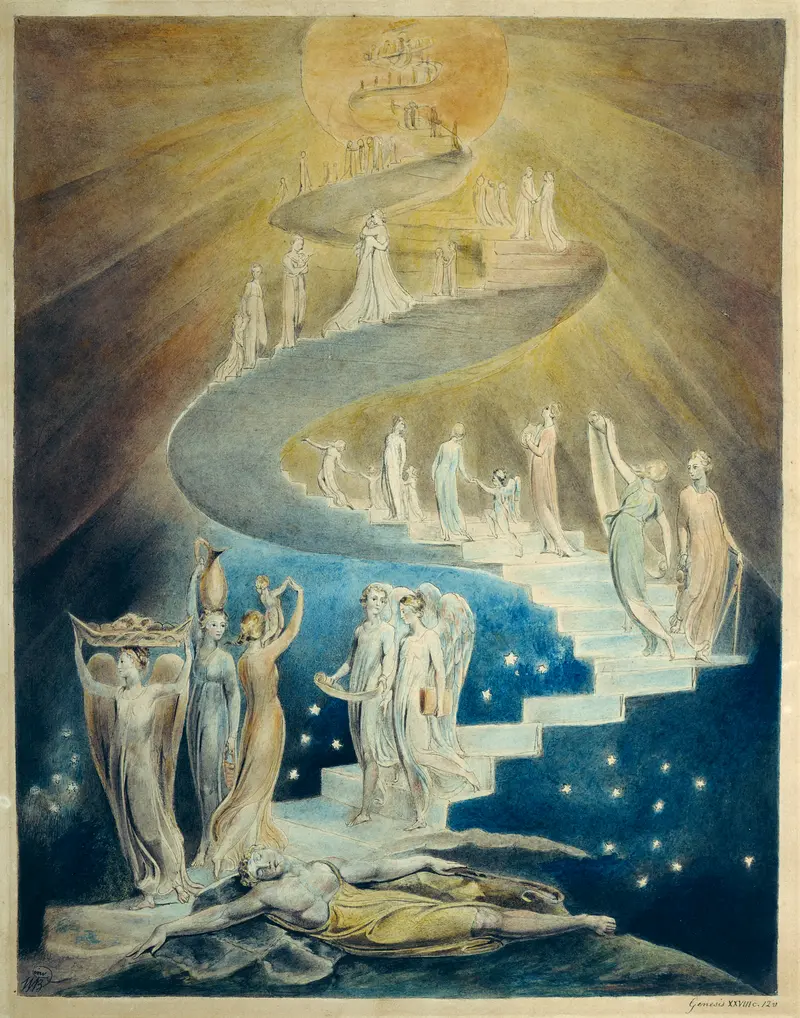
Jacob's Ladder
William Blake
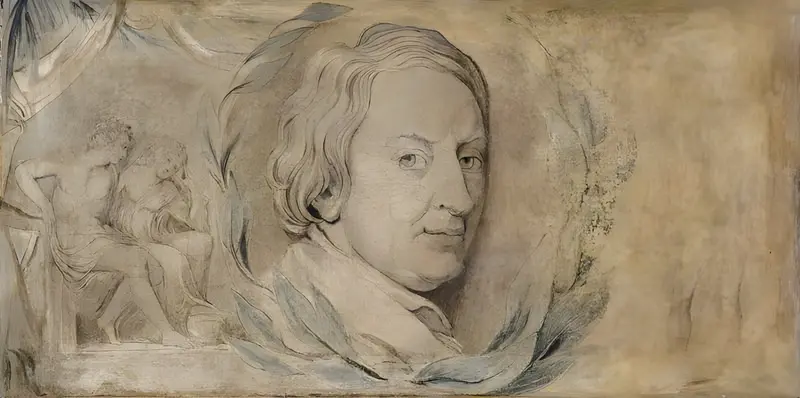
John Dryden (1631–1700)
William Blake
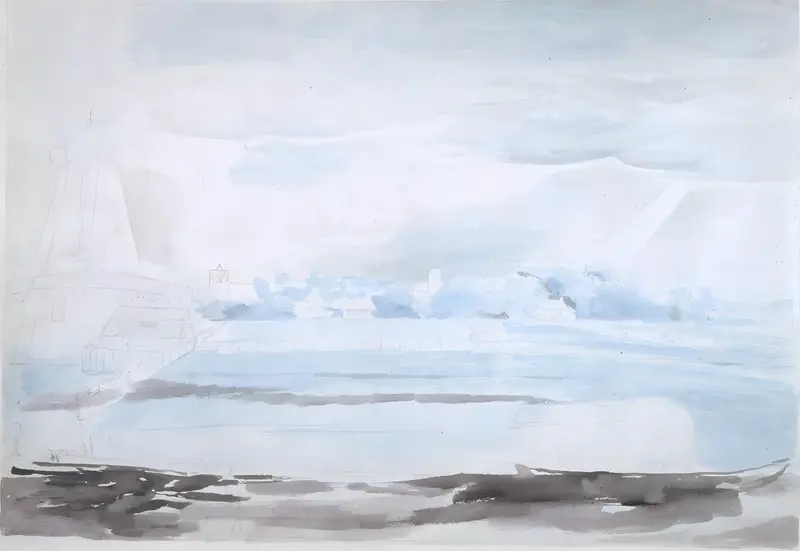
Landscape near Felpham
William Blake
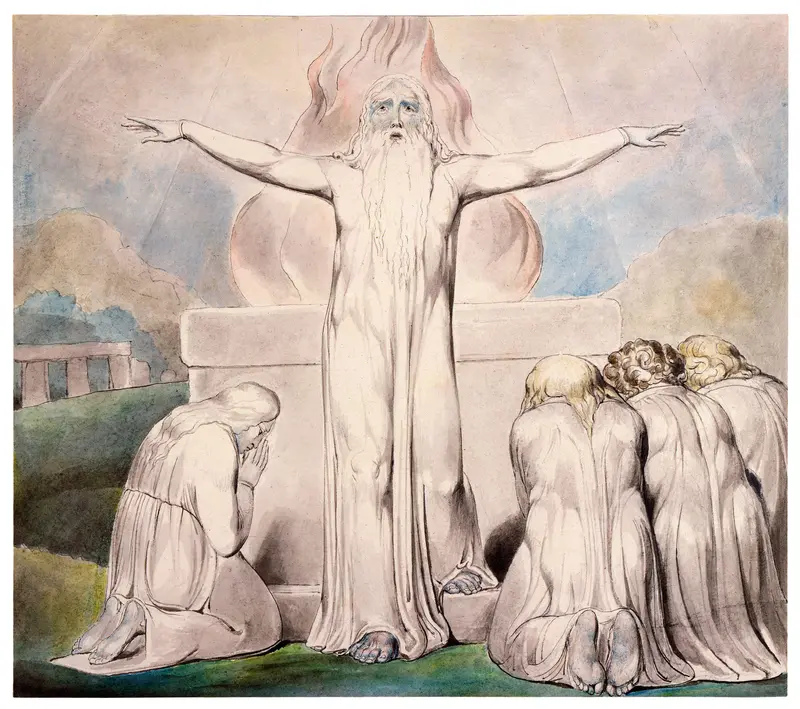
Sacrifice of Job
William Blake
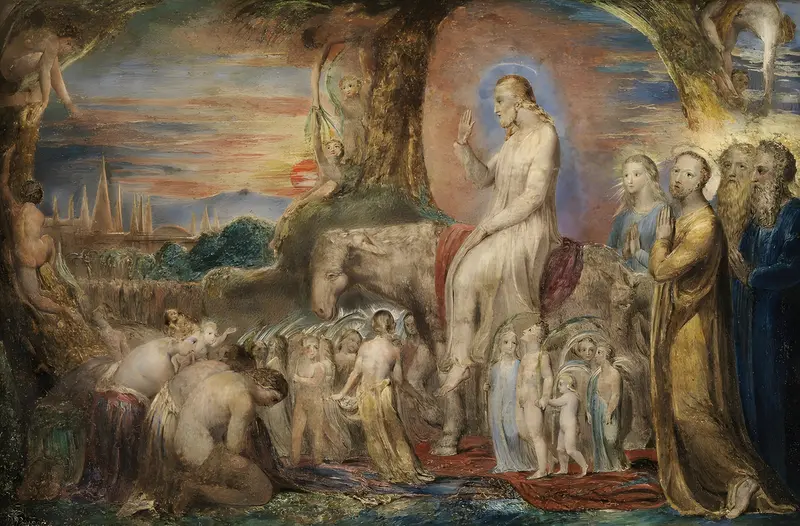
Christ's Entry into Jerusalem
William Blake
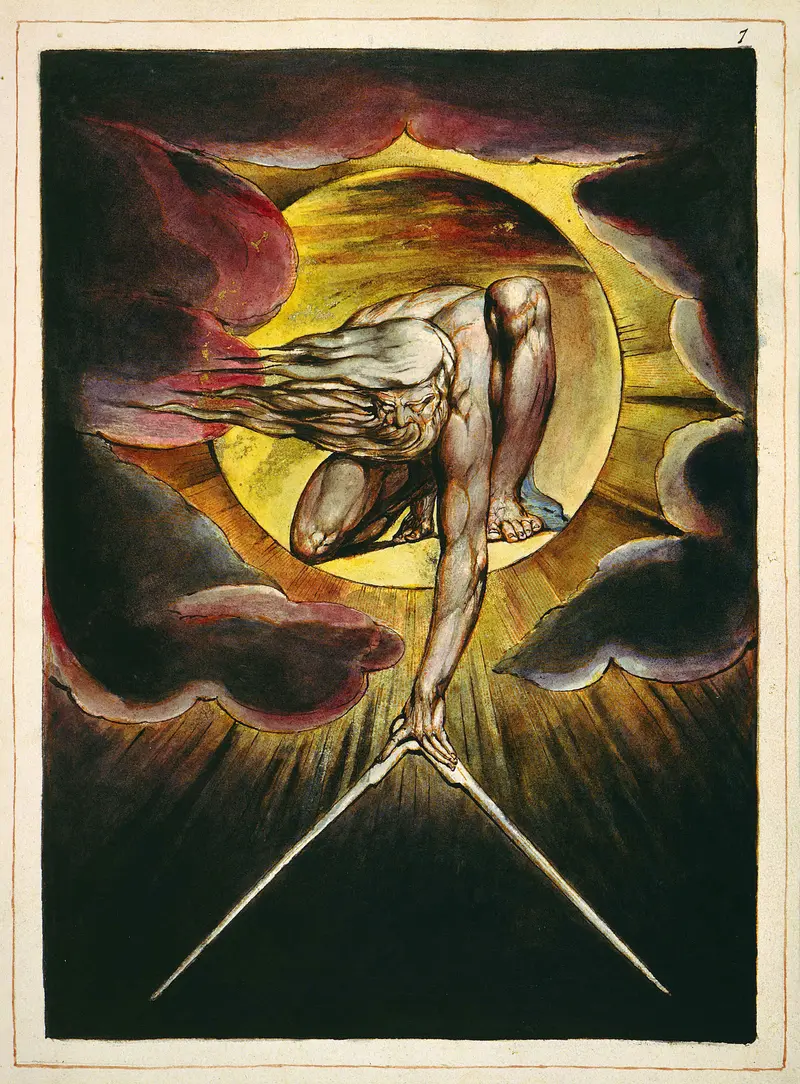
The Ancient of Days
William Blake
Adam Naming the Beasts
William Blake





