
Tobias and the Angel — History & Facts
Few biblical tales inspired as many Renaissance artists as the journey of Tobias, but Filippino Lippi’s Tobias and the Angel stands out for its mysterious origins—neither its date nor its patron is firmly known, and scholars still debate whether it was intended for private devotion or as part of a larger ensemble. The painting’s uncertain history has only added to its allure, drawing attention from art historians who note its stylistic echoes of both Filippino’s father, Fra Filippo Lippi, and his teacher, Sandro Botticelli. This ambiguity has led to lively debates about its place in Filippino’s career and the broader Florentine tradition. The scene captures the moment when the young Tobias, guided by the archangel Raphael, walks along a winding path, carrying the fish whose organs will later heal his father’s blindness.
Raphael’s hand rests gently on Tobias’s shoulder, a gesture of both protection and instruction, while the small dog trotting at their feet symbolizes loyalty and companionship. The lush, detailed landscape behind them is not merely decorative: it echoes the idea of a perilous journey, with winding roads and distant hills. Compared to Andrea del Verrocchio’s version of the same subject, Filippino’s figures are more lyrical, their connection emphasized by tender glances and the subtle interplay of hands and gazes. Though the painting’s early history is unclear, Tobias and the Angel is typical of the devotional works produced in Florence in the late fifteenth century, when scenes from the Book of Tobit were especially popular among patrons seeking images of protection and safe passage.
Over the centuries, the painting has been attributed variously to Filippino and his workshop, reflecting the close collaboration and stylistic overlap among Florentine artists of the time. Today, it remains a touchstone for discussions of Filippino Lippi’s development as an artist, admired for its narrative clarity and the gentle humanity of its figures. Its current home is in an international museum collection, where it continues to invite questions about its origins and meaning.
More Artworks by Filippino Lippi

Portrait of a Youth
Filippino Lippi
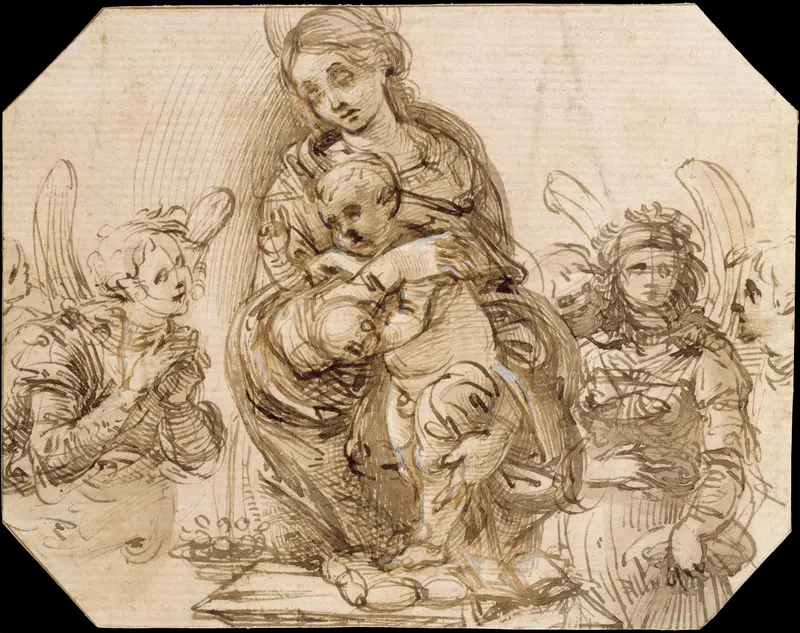
Virgin and Child Attended by Angels
Filippino Lippi

Christ on the Cross
Filippino Lippi
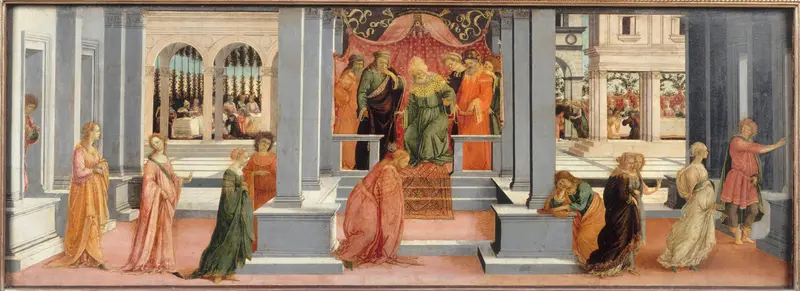
Esther choisie par Assuérus
Filippino Lippi
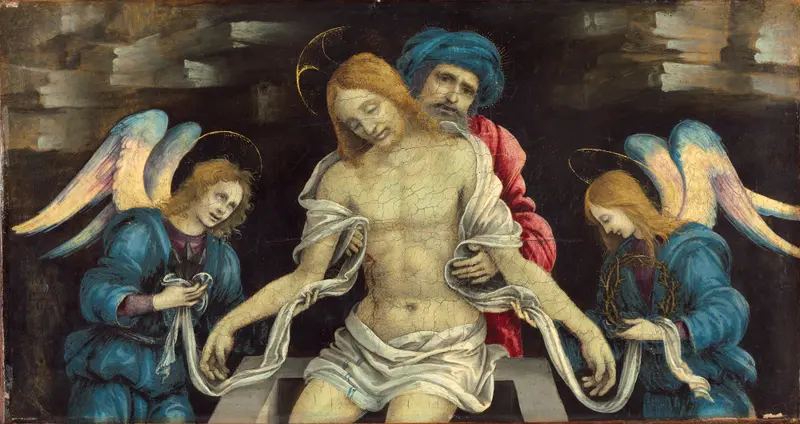
Pietà (The Dead Christ Mourned by Nicodemus and Two Angels)
Filippino Lippi
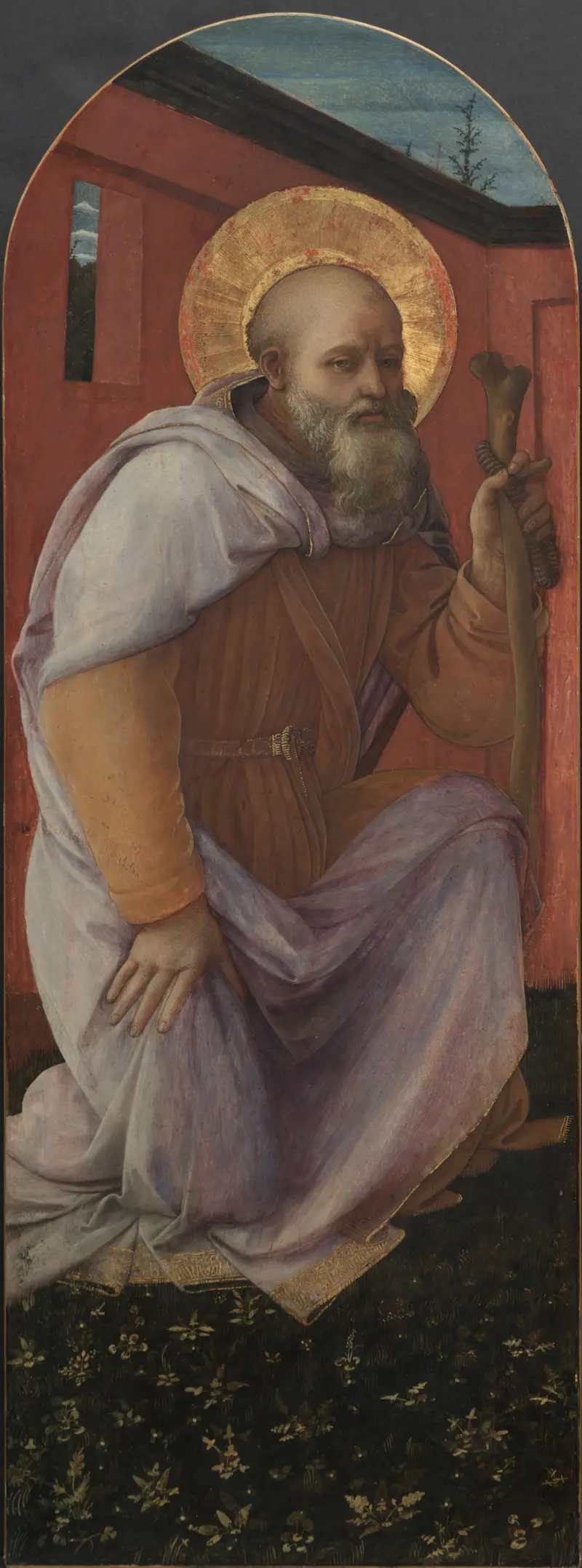
St. Anthony Abbot
Filippino Lippi
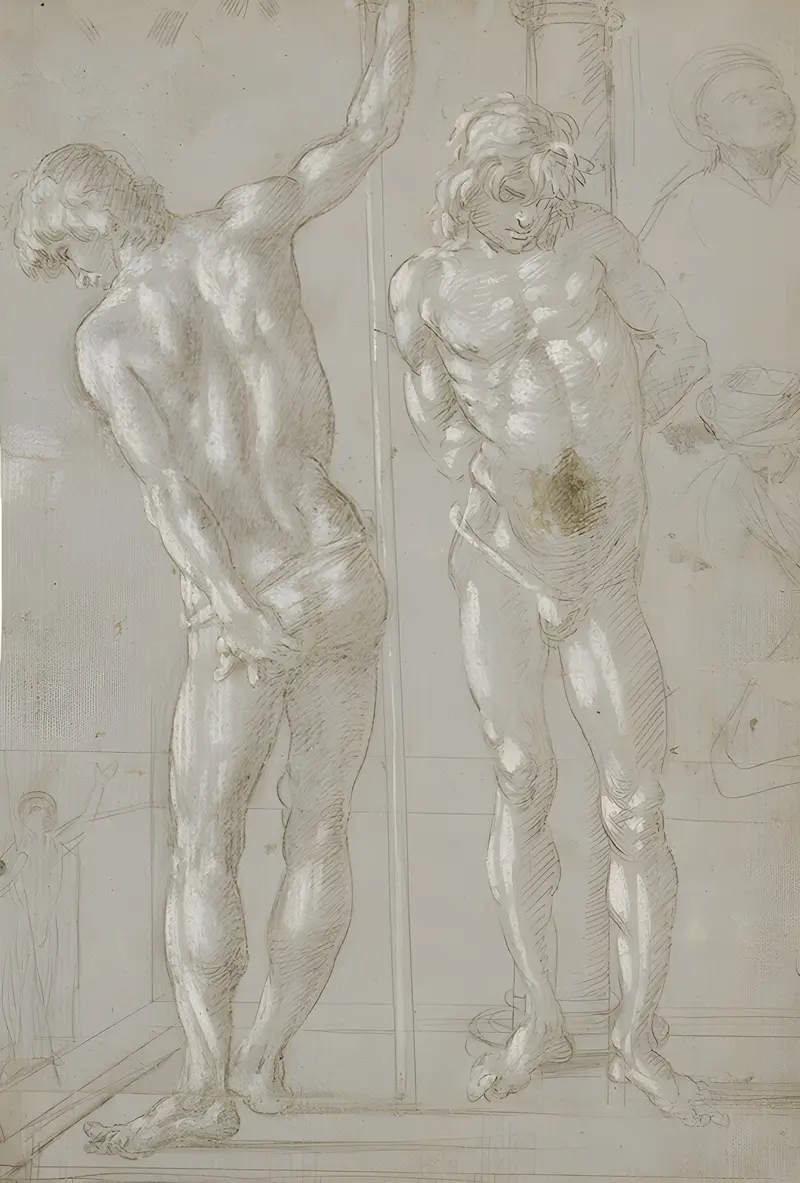
Studies of Christ at the Column, a Nude from Behind, and Various Figures
Filippino Lippi
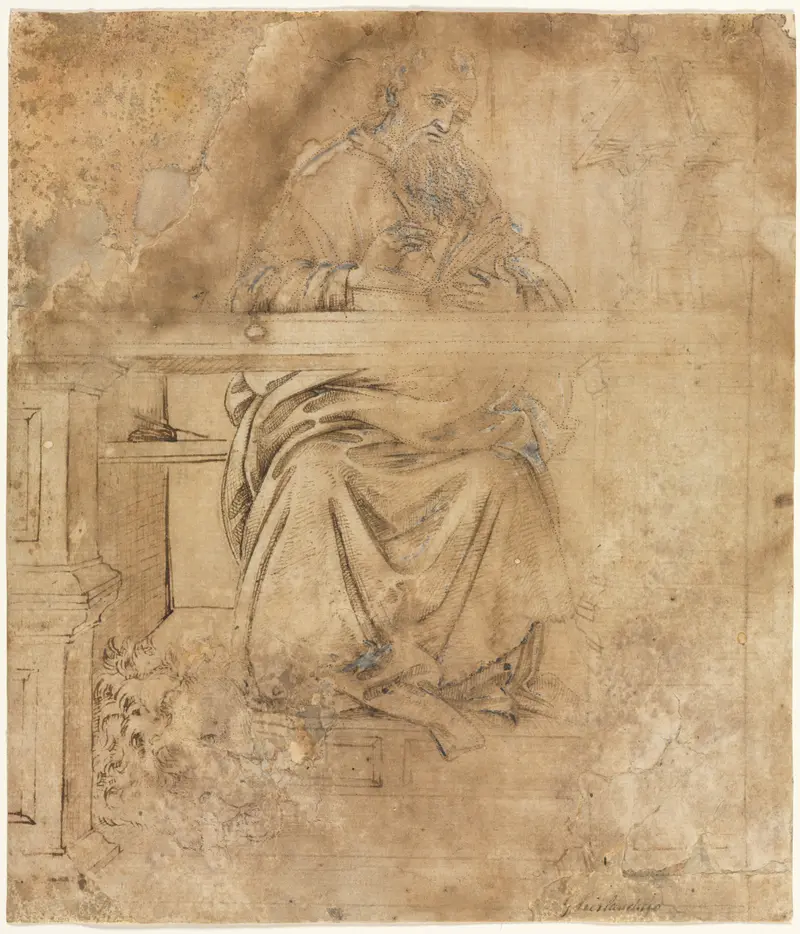
St. Jerome in His Study
Filippino Lippi
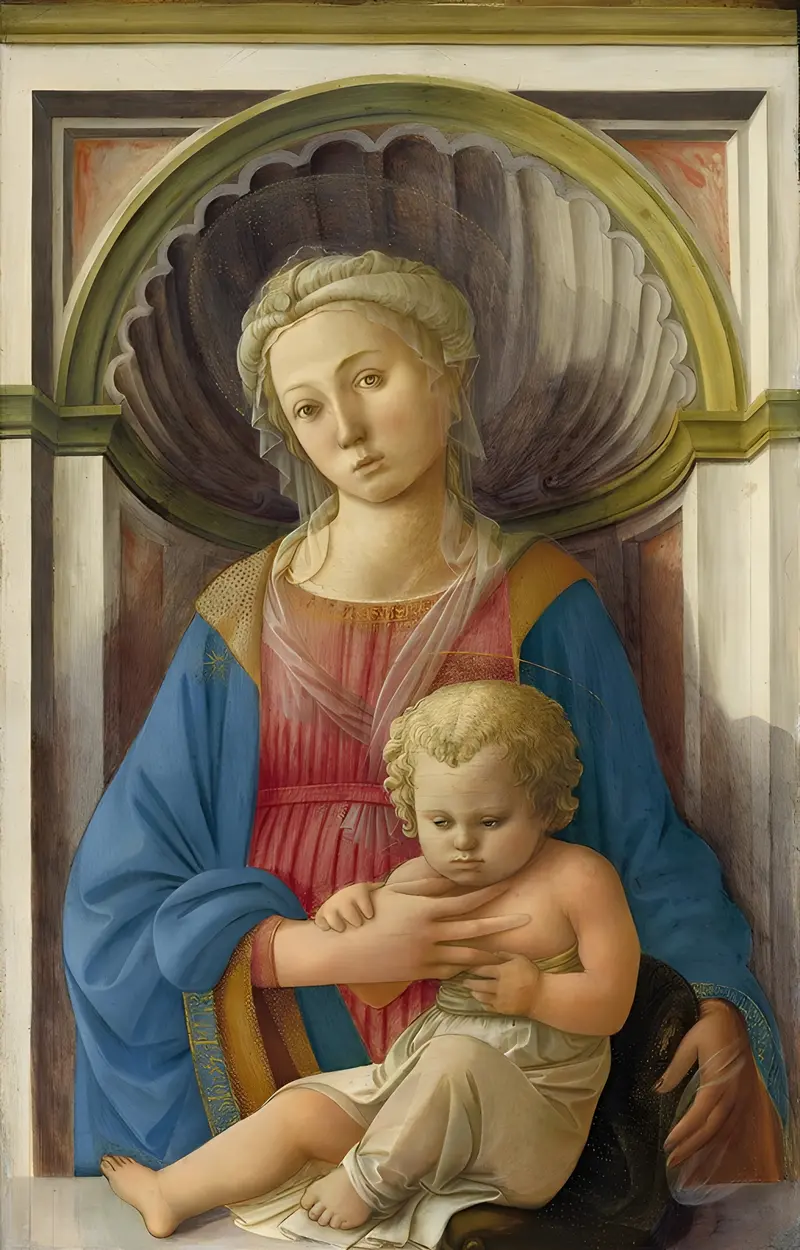
Madonna and Child
Filippino Lippi
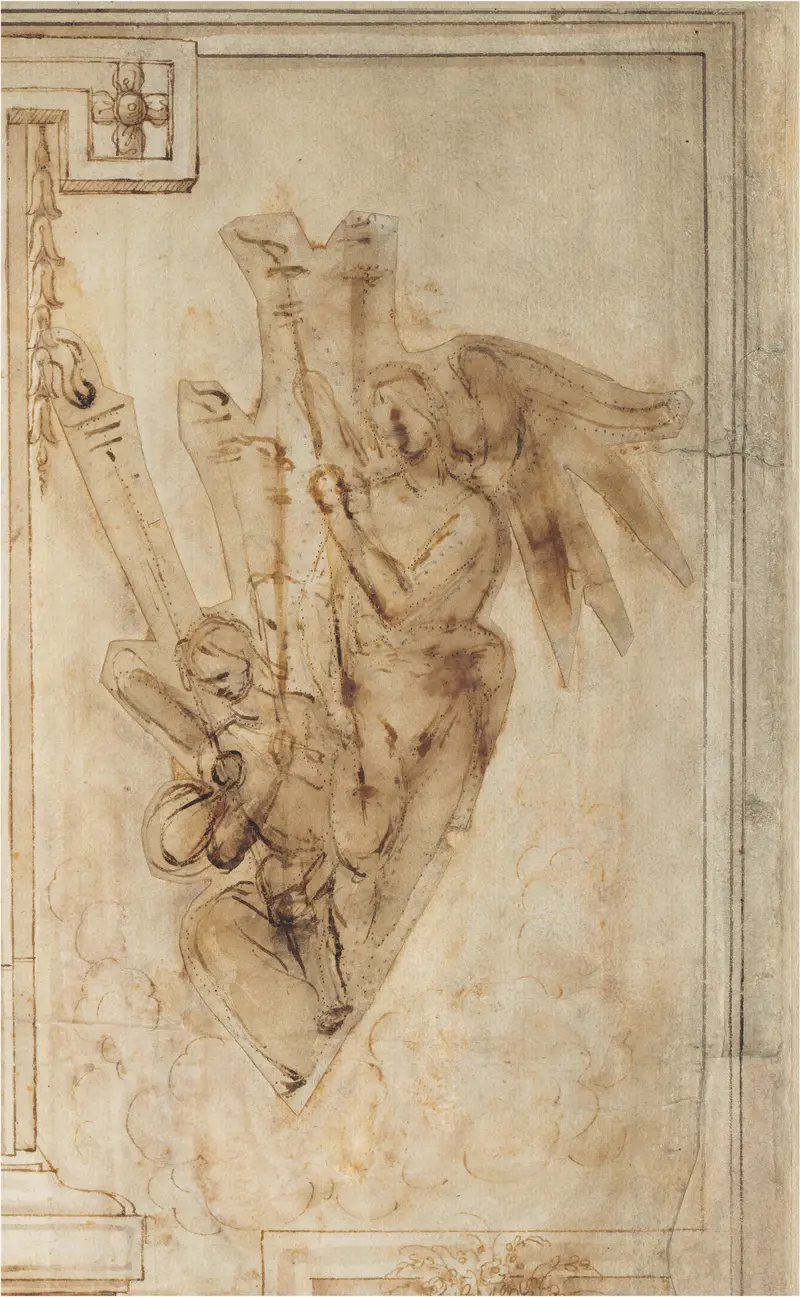
Two Angels Carrying Torches
Filippino Lippi





