
Toccata for Piano — History & Facts
No other painting by Gustave Van de Woestijne has sparked as much speculation as Toccata for Piano. The title itself, borrowed from the musical term for a virtuosic, improvisatory piece, has led viewers and scholars alike to wonder whether the work was inspired by a specific composition or performance. The absence of a date and the unknown medium have only deepened the mystery, making this one of the artist’s most enigmatic creations.
Some have even suggested that the painting is a visual response to the rise of modernist music in early twentieth-century Belgium, when composers like Paul Gilson and Flor Alpaerts were challenging the boundaries of tradition. At the heart of Toccata for Piano is a solitary figure seated at a piano, hands poised in mid-air as if caught between notes. The room is sparsely furnished, the only illumination falling in a sharp rectangle across the keys, drawing the viewer’s eye to the tension in the musician’s fingers. The angularity of the figure’s posture and the stark geometry of the light recall the psychological intensity of Edvard Munch’s interiors, while the silence of the scene seems to thrum with anticipation.
A vase of wilting flowers on the piano’s lid hints at the passage of time, and the player’s distant gaze suggests a mind lost in reverie or struggle. Unlike the exuberant musical scenes of Henri Le Sidaner, Van de Woestijne’s interpretation is meditative, almost anxious, inviting us to consider the inner life of the artist at work. Little is known about the early history of Toccata for Piano, and no records survive of its first exhibition or patron. The painting’s provenance remains uncertain, though it has been associated with Van de Woestijne’s later period, when he often explored themes of solitude and artistic creation.
Today, it is held in a private collection, rarely loaned and seldom seen by the public. Within the artist’s oeuvre, it stands as a testament to his fascination with the intersection of music and painting, and to his ability to capture the quiet drama of creative effort.
More Artworks by Gustave Van de Woestijne
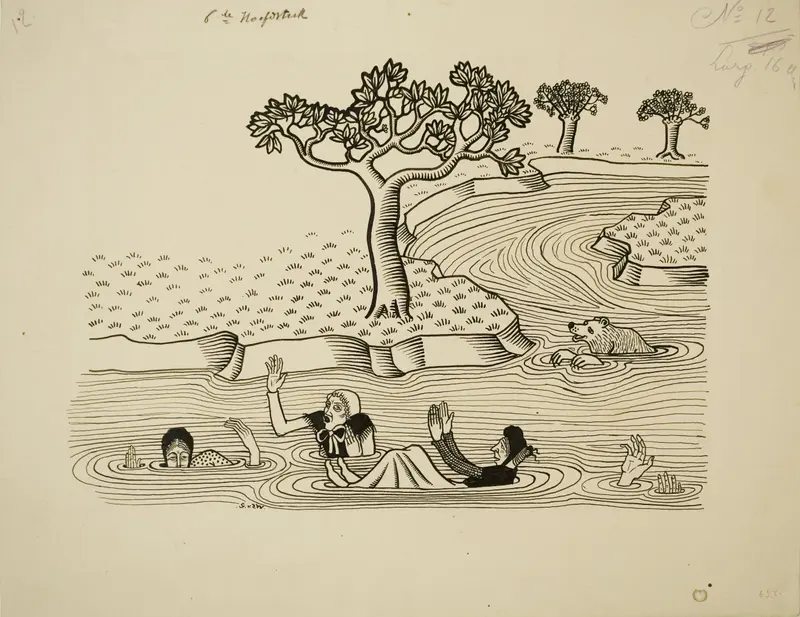
How Brown went out with Reynard where he thought he was eating honey and how he was caught by head and feet and suffered further misfortune
Gustave Van de Woestijne
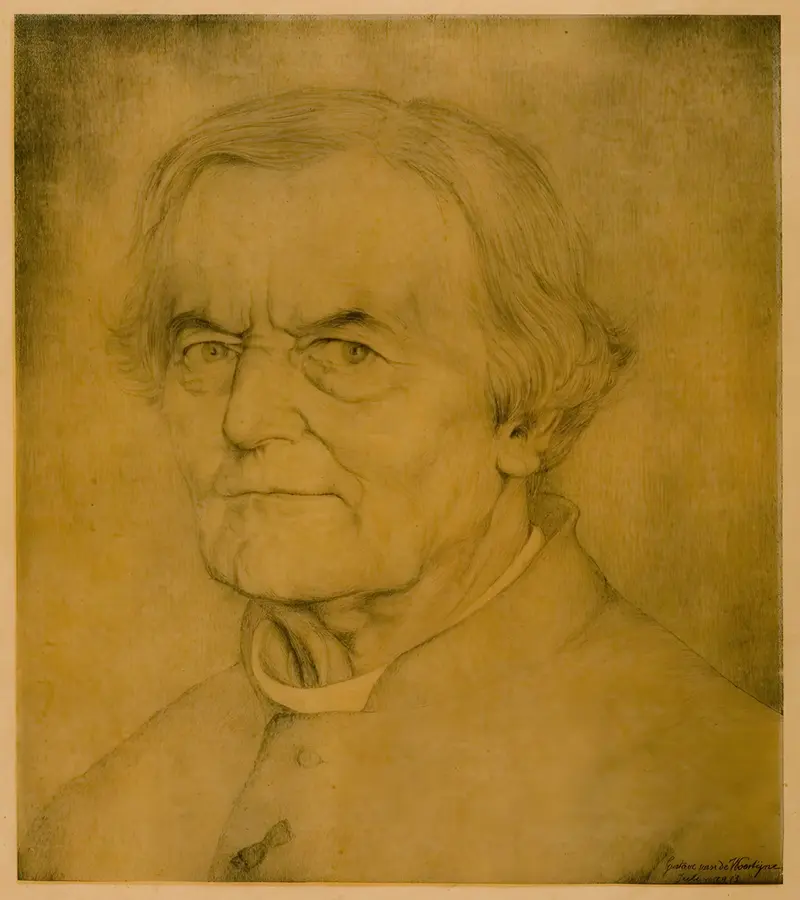
Portrait of Hugo Verriest
Gustave Van de Woestijne
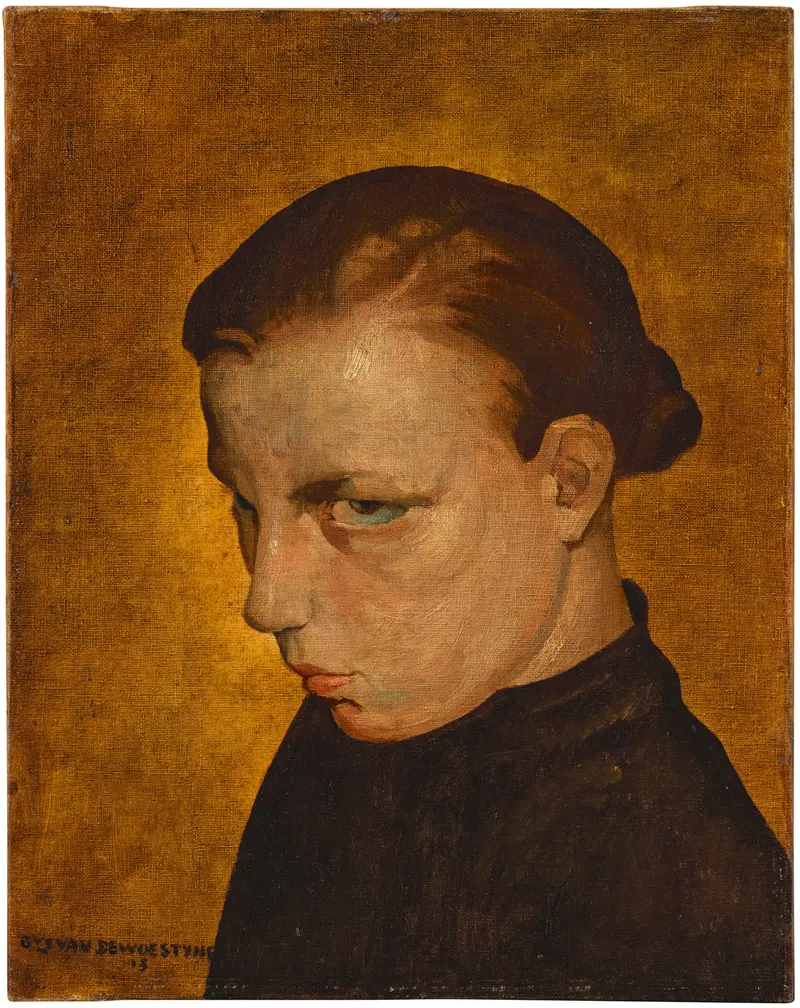
Angèle
Gustave Van de Woestijne
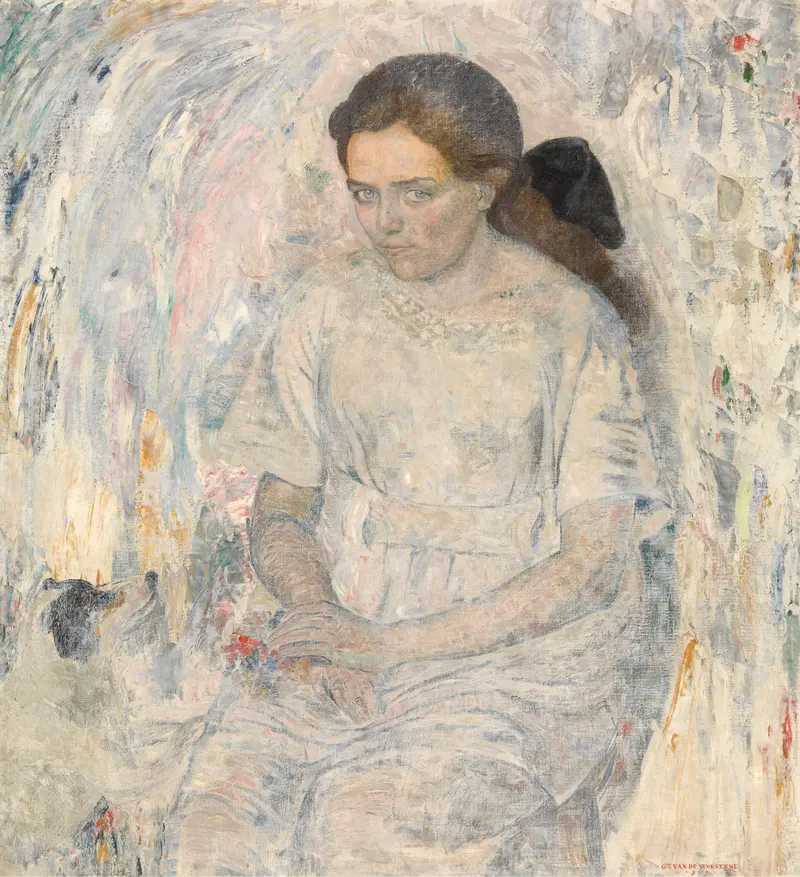
Adrienne
Gustave Van de Woestijne
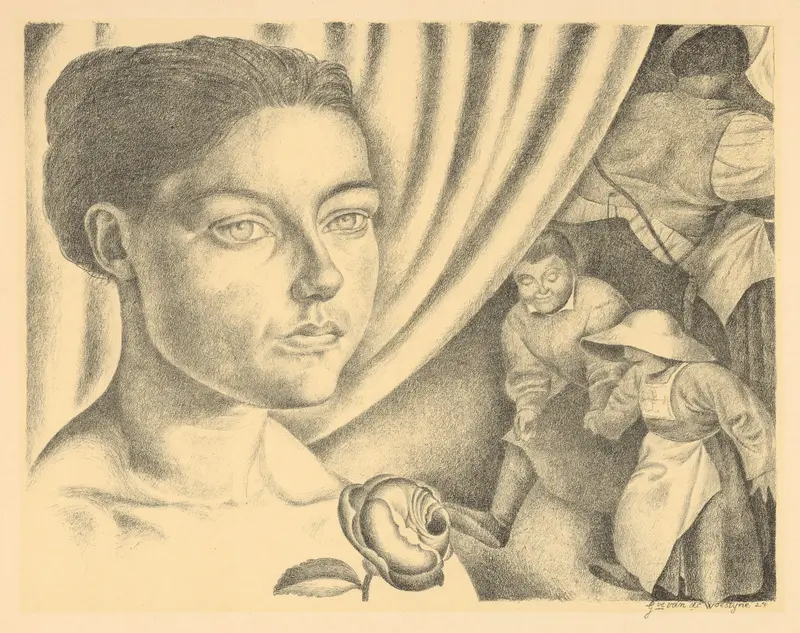
Jeune Femme
Gustave Van de Woestijne
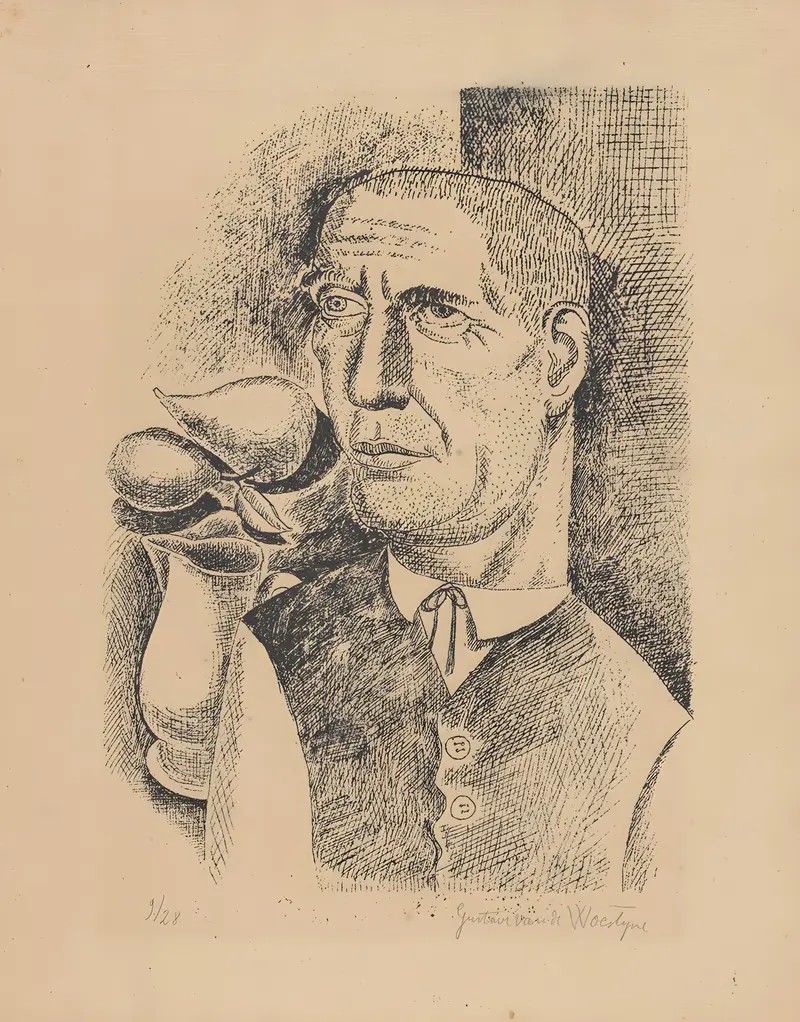
Boer op zijn zondags (Paysan endimanché)
Gustave Van de Woestijne
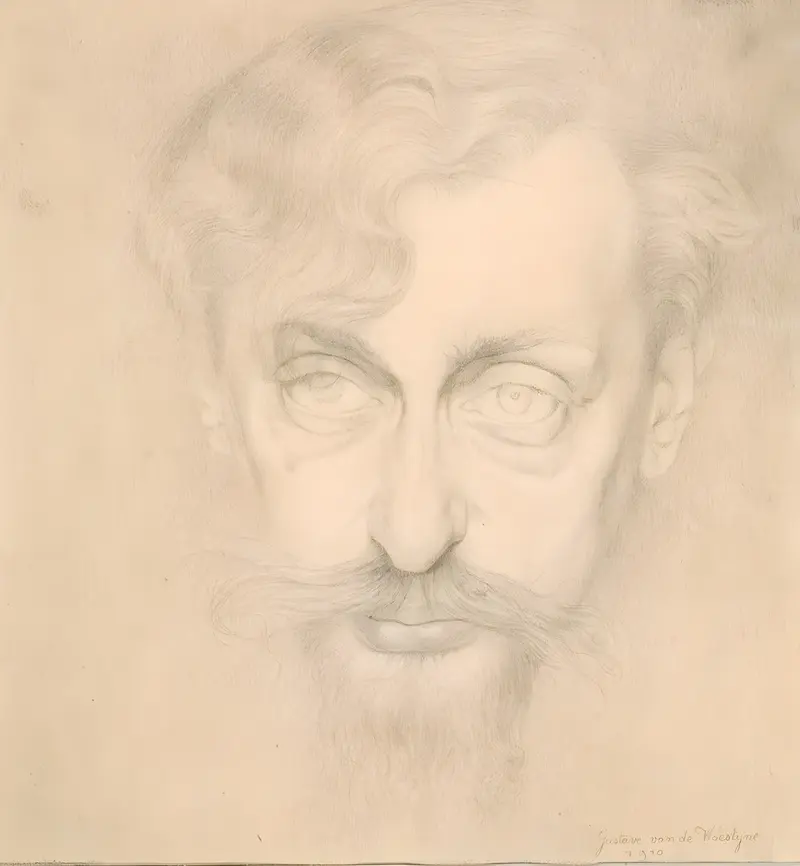
Portrait of the Writer Karel van de Woestijne
Gustave Van de Woestijne
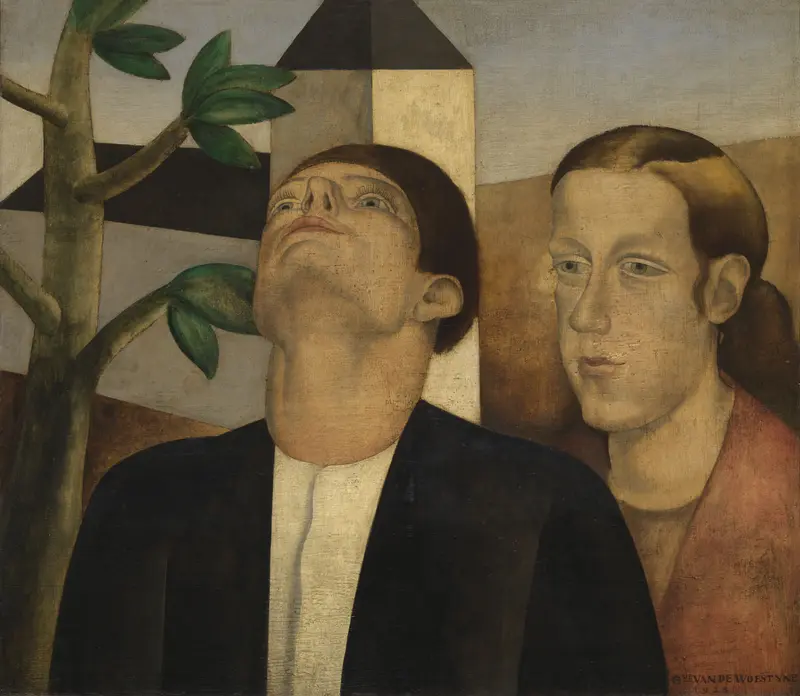
Azure
Gustave Van de Woestijne
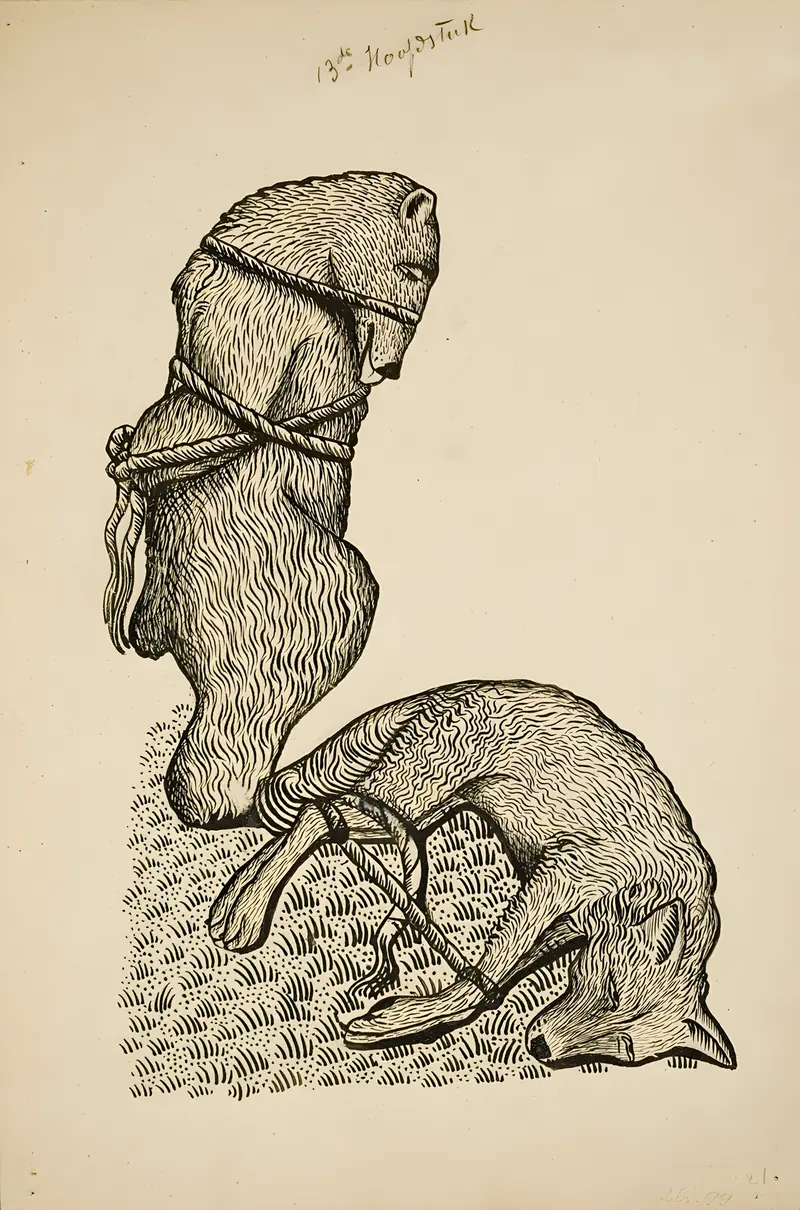
How Reinaert devises a new trick to get free and exterminate his enemies
Gustave Van de Woestijne
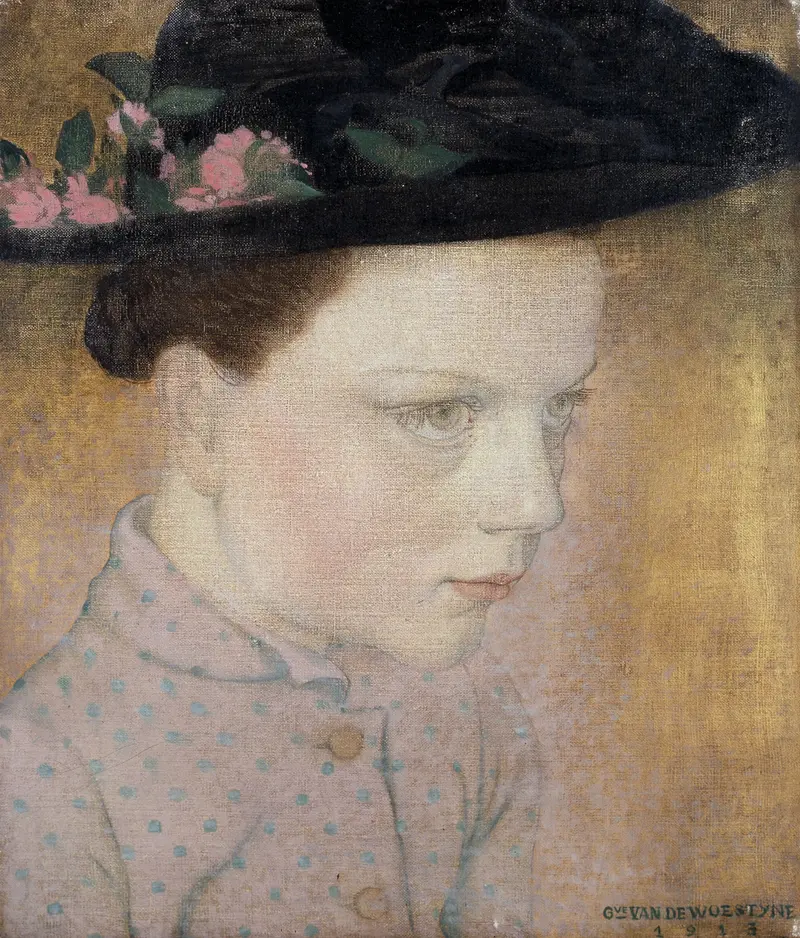
Country Girl
Gustave Van de Woestijne





