
Two fishing Pans — History & Facts
What first grips the eye in Two fishing Pans is the uneasy collision between myth and mischief: two goat-legged, wild-haired satyrs have netted a creature that is neither fish nor woman, but both. The mermaid’s twisting, helpless form is caught mid-struggle, her arms flung upward, green hair trailing into the water. The satyr in the foreground meets our gaze with a wide-eyed, almost guilty surprise, as if startled at being caught in the act.
The other, more absorbed in his task, braces the net with a heavy pole, his posture tense against the rocky cliff behind. Böcklin’s brushwork lingers on the textures—the slickness of the mermaid’s tail, the rough fur of the satyrs, the damp gleam of water dripping from the net—drawing us into a world where the fantastic feels tangible, even uncomfortable. Painted in 1874, this work belongs to a moment when artists across Europe were reimagining myth not as distant allegory, but as something urgent and present, capable of unsettling as well as delighting. The late nineteenth century saw a revival of interest in ancient legends, yet Böcklin’s vision is far from the idealized calm of neoclassical myth.
His satyrs are earthy, almost animal, their expressions and gestures alive with ambiguity—are they hunters, pranksters, or something darker? The painting’s home today, the Schweitzerisches Institut für Kunstwissenschaften, preserves it as a vivid document of this restless, searching age. As you look again, ask yourself: who, in this tangled moment, is the true captive?
More Artworks by Arnold Böcklin

Die Toteninsel III
Arnold Böcklin
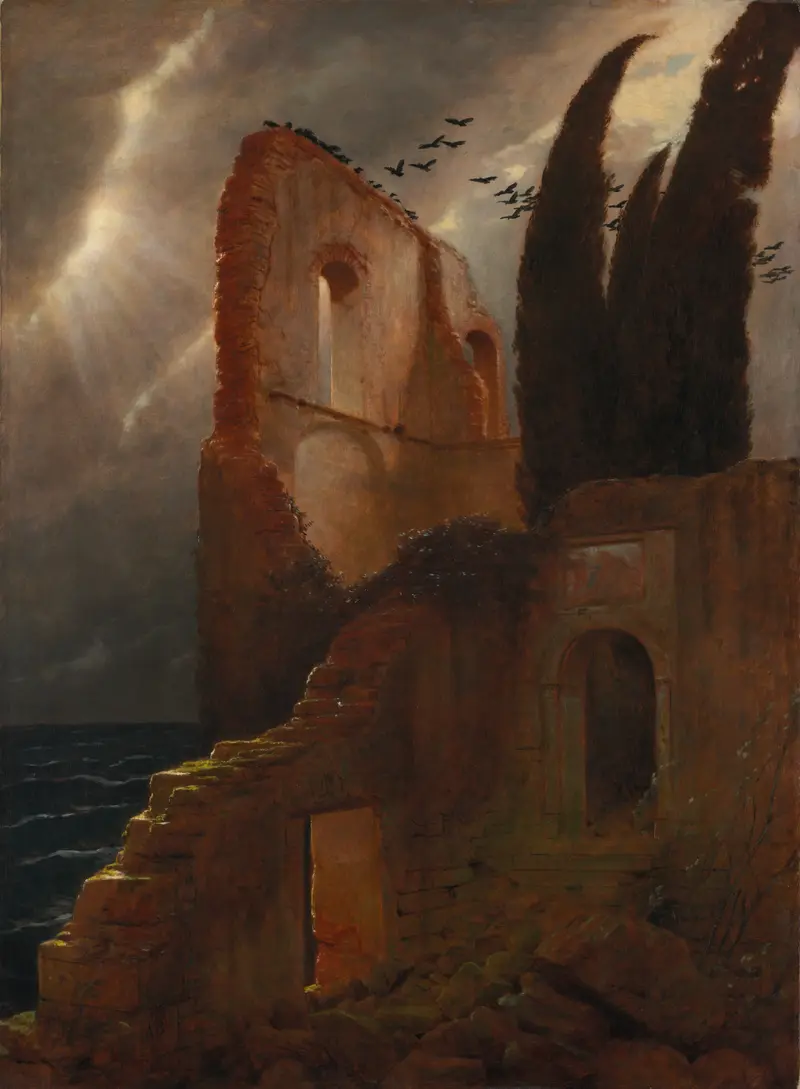
Ruin by the Sea
Arnold Böcklin
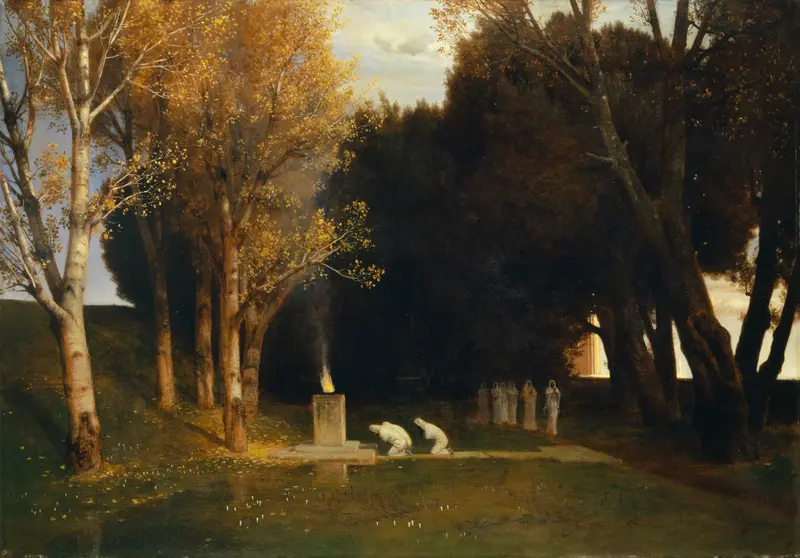
The Sacred Grove
Arnold Böcklin
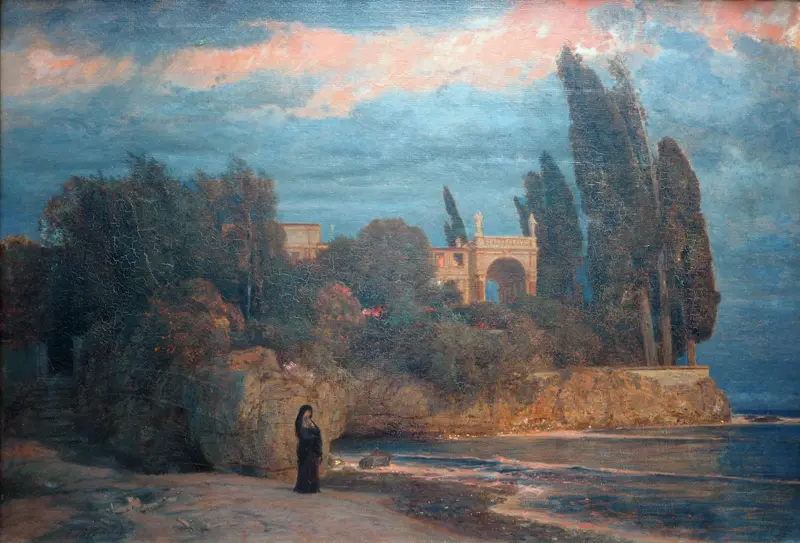
Villa by the Sea
Arnold Böcklin
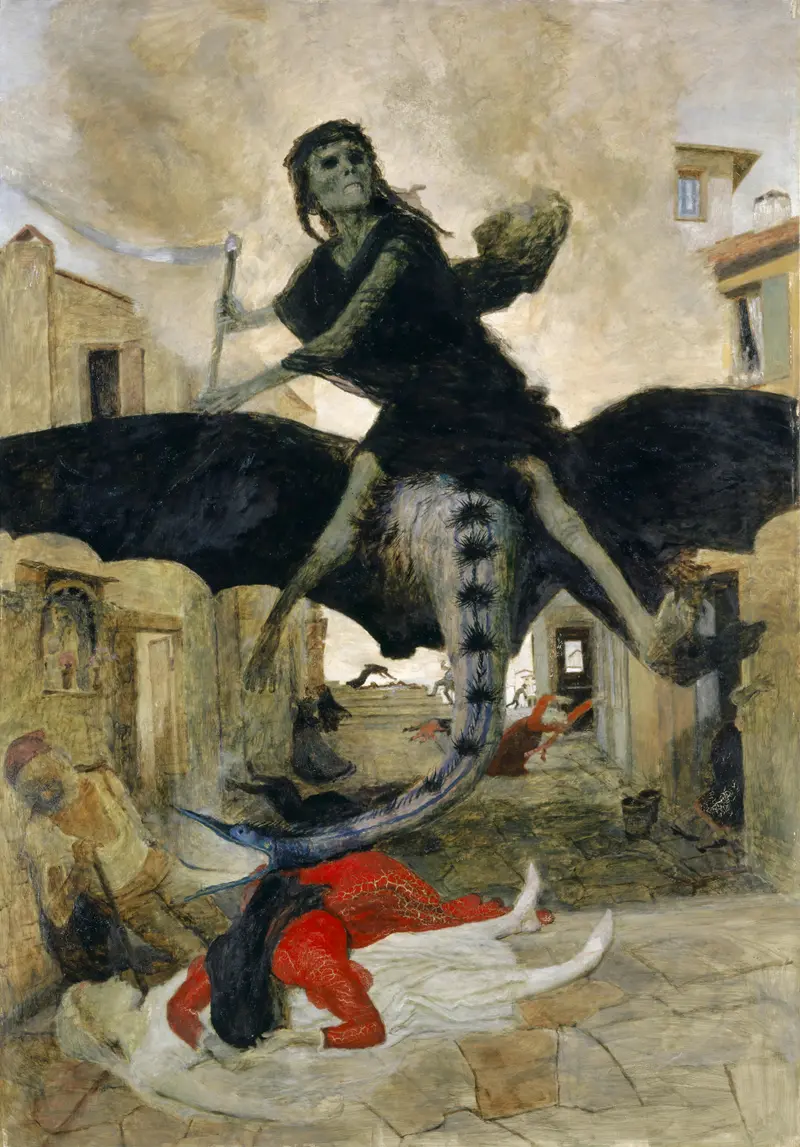
The Plague
Arnold Böcklin
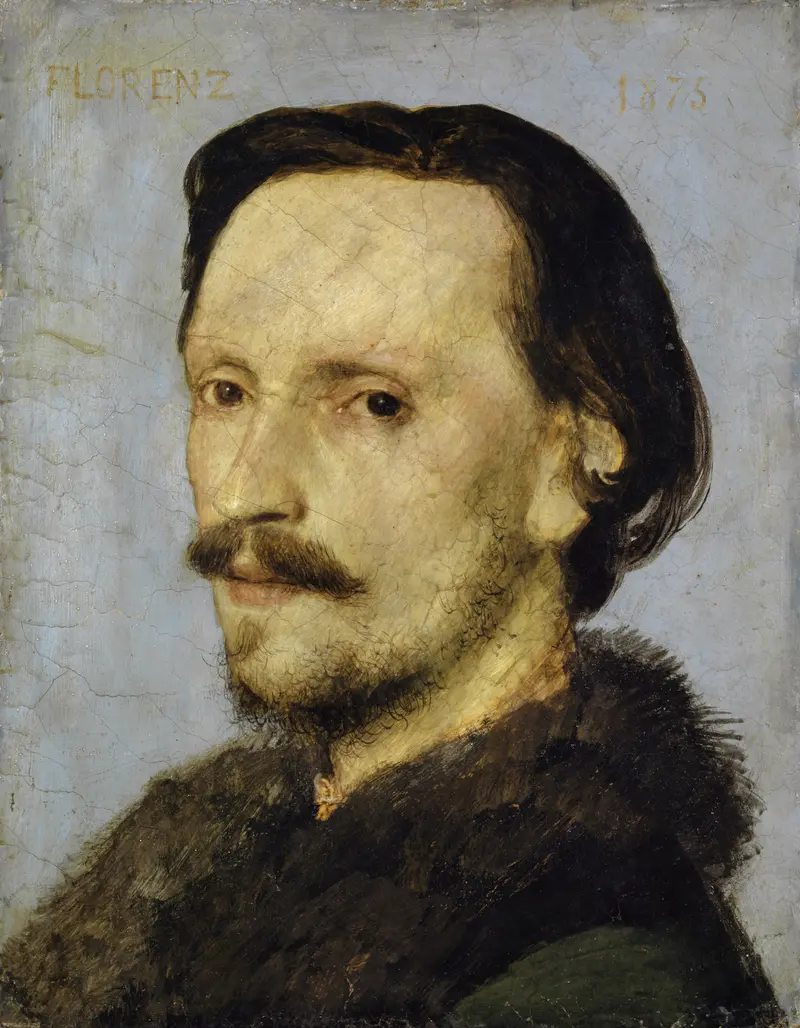
Böcklin Bildnis des Kunsthistorikers Adolph Bayersdorfer, 1875
Arnold Böcklin
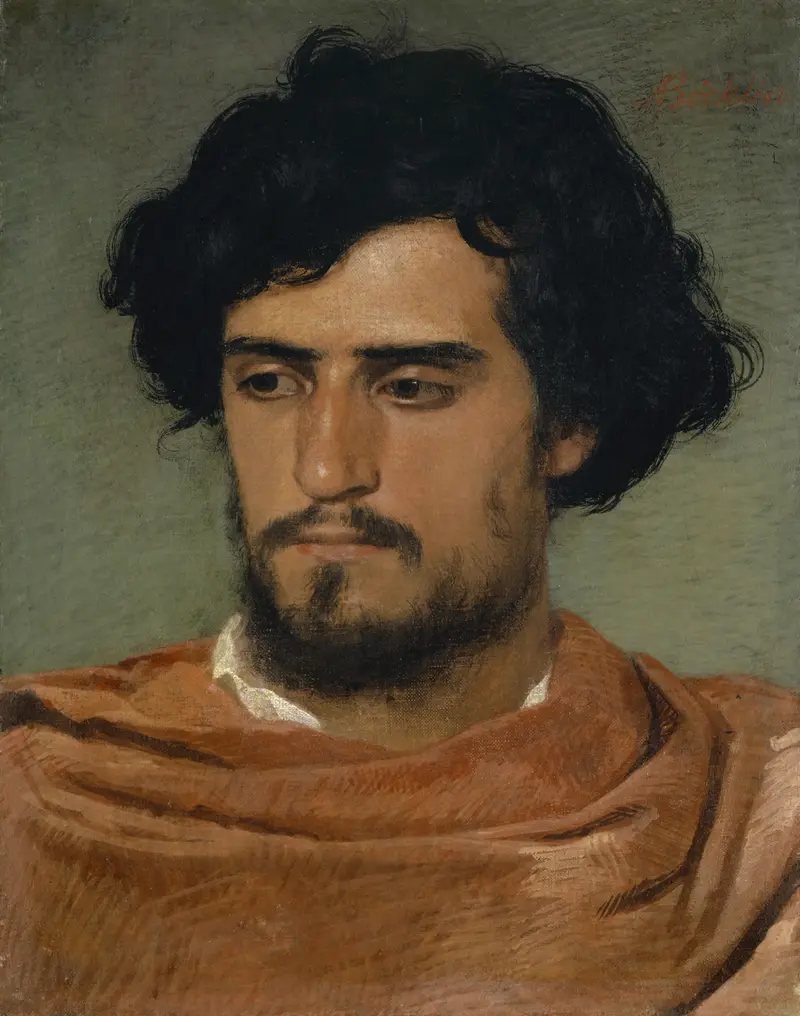
Head of a Roman
Arnold Böcklin
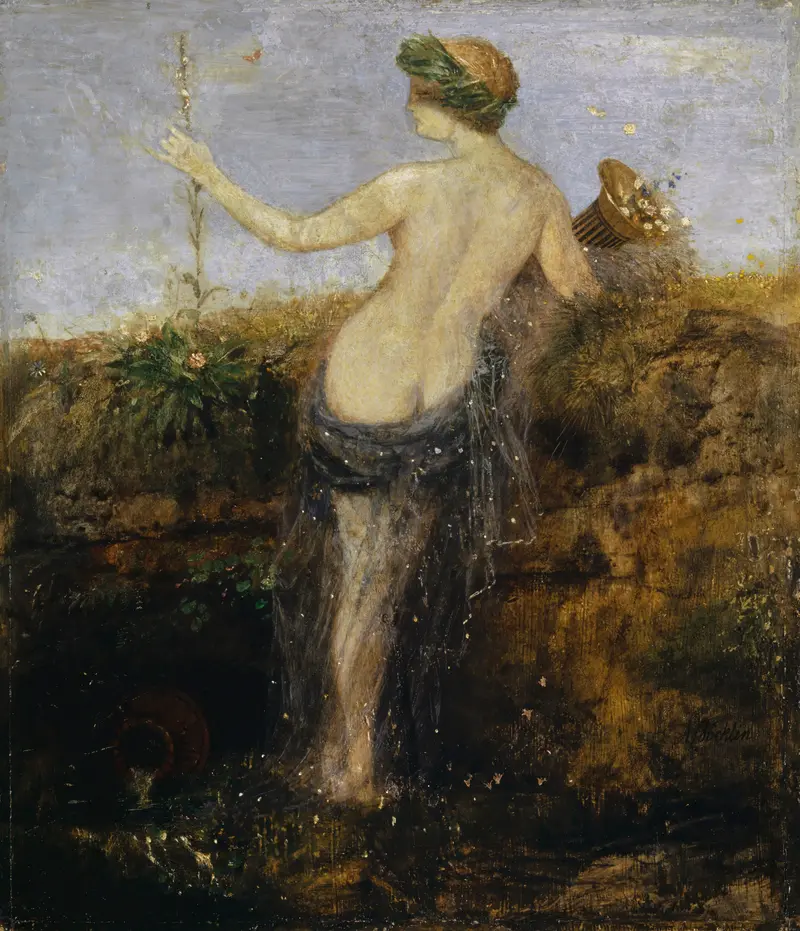
Nymphe with Horn of Plenty
Arnold Böcklin
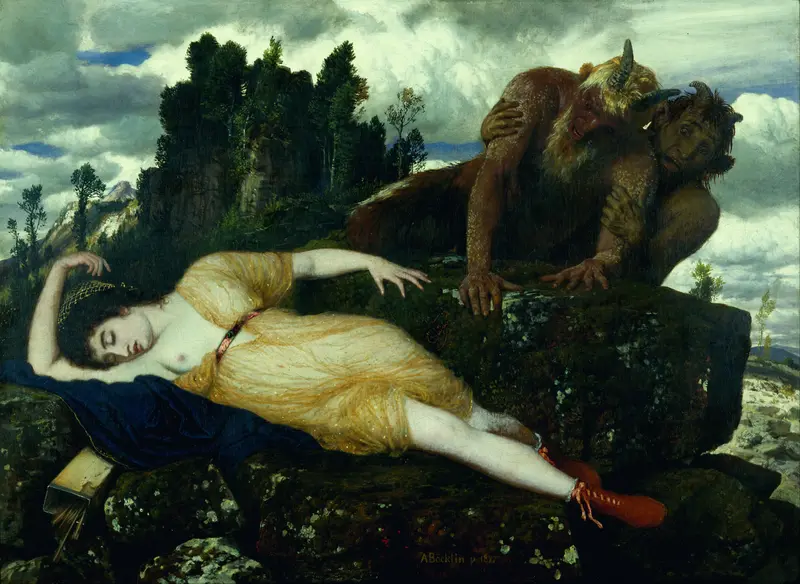
Sleeping Diana Watched by Two Fauns
Arnold Böcklin
Spring (Songs of Spring)
Arnold Böcklin





