
Ulysses and the Sirens — History & Facts
The first thing to seize the eye in Ulysses and the Sirens is the tension wound tight across the ship: every muscle straining, every oar in perfect sync, while the hero stands lashed to the mast, exposed and upright amid the chaos. The sirens, neither bird nor woman but something between, sweep down in a dark, unnatural flock, their faces intent not with malice but with a strange, magnetic longing. The oarsmen’s ears are stopped, their heads turned away, but Ulysses alone faces the storm of temptation—his white tunic and bare limbs catching the last light, a living beacon against the gloom of the cliffs.
The composition pulls us forward, from the curving prow and the rhythmic lines of the oars to the outstretched wings and the fixed, desperate gaze of Ulysses. The palette is stormy, all slate and wine-dark sea, with the sirens’ feathers echoing the ship’s painted eyes—a visual riddle of peril and attraction. Painted in 1891, this work belongs to the late nineteenth-century fascination with myth reimagined through the lens of psychological drama and lush, narrative detail. Artists like John William Waterhouse found in ancient stories a way to explore the boundaries between reason and desire, often for a public hungry for both escapism and moral parable.
The era saw a revival of large-scale narrative painting, intended for salons and collectors who prized both technical skill and literary reference. Yet history has kept few traces of this particular canvas’s early journey; it stands now as a testament to the enduring pull of myth on the modern imagination. Look again at the sirens’ faces—each one different, each one almost human—and consider what it means to be caught between danger and longing, sense and song.
More Artworks by John William Waterhouse
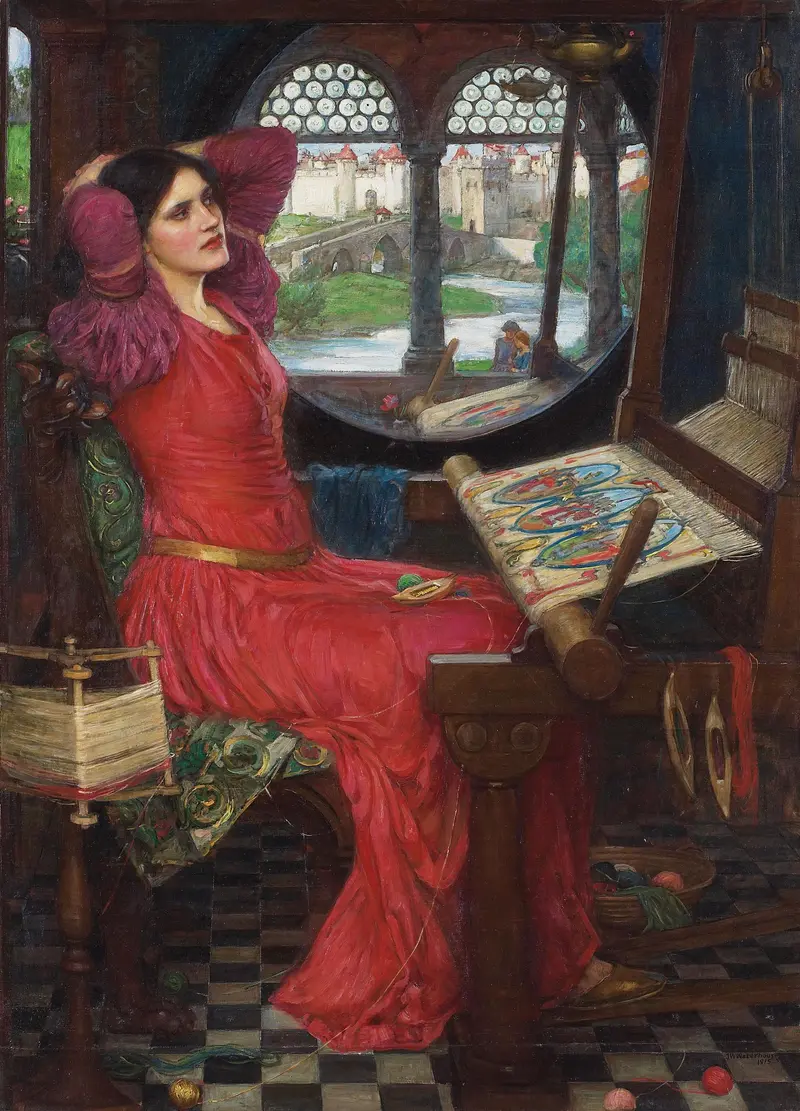
'I Am Half-Sick of Shadows,' Said the Lady of Shalott
John William Waterhouse

The Favourites of the Emperor Honorius, 1883
John William Waterhouse
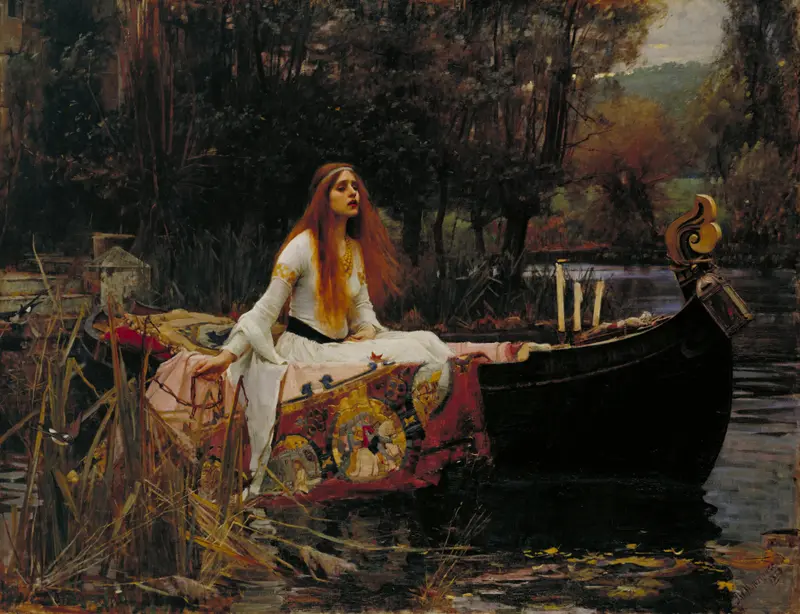
The Lady of Shalott
John William Waterhouse
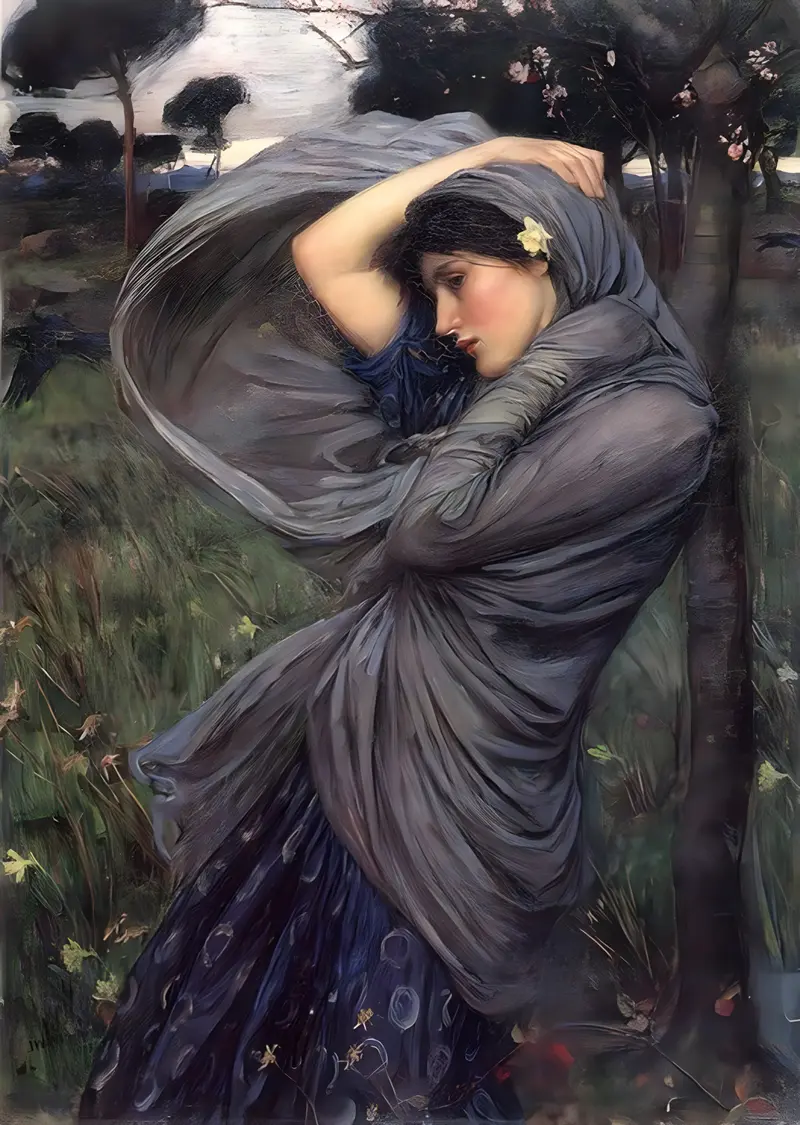
Boreas
John William Waterhouse
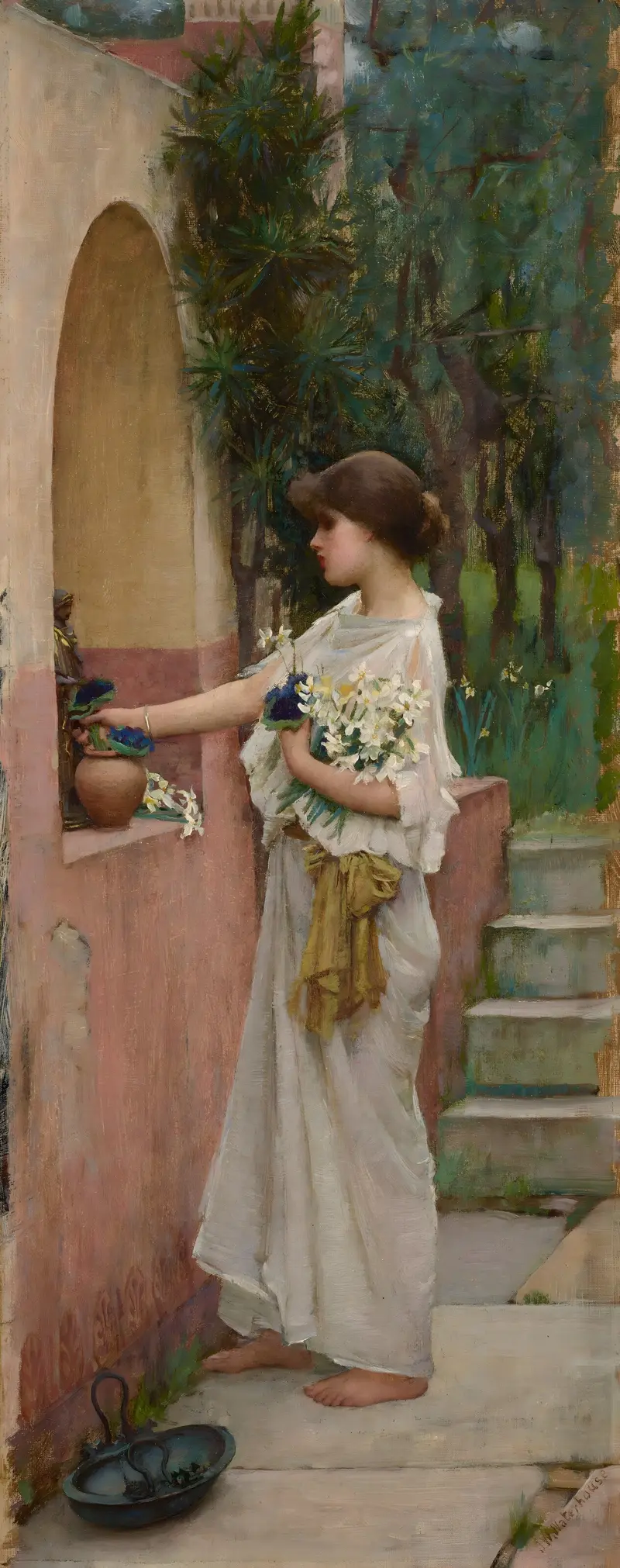
A Roman Offering
John William Waterhouse
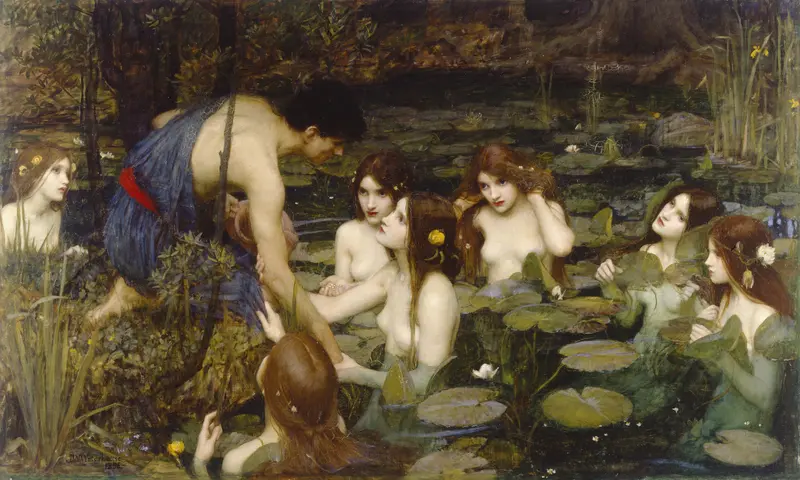
Hylas and the Nymphs
John William Waterhouse
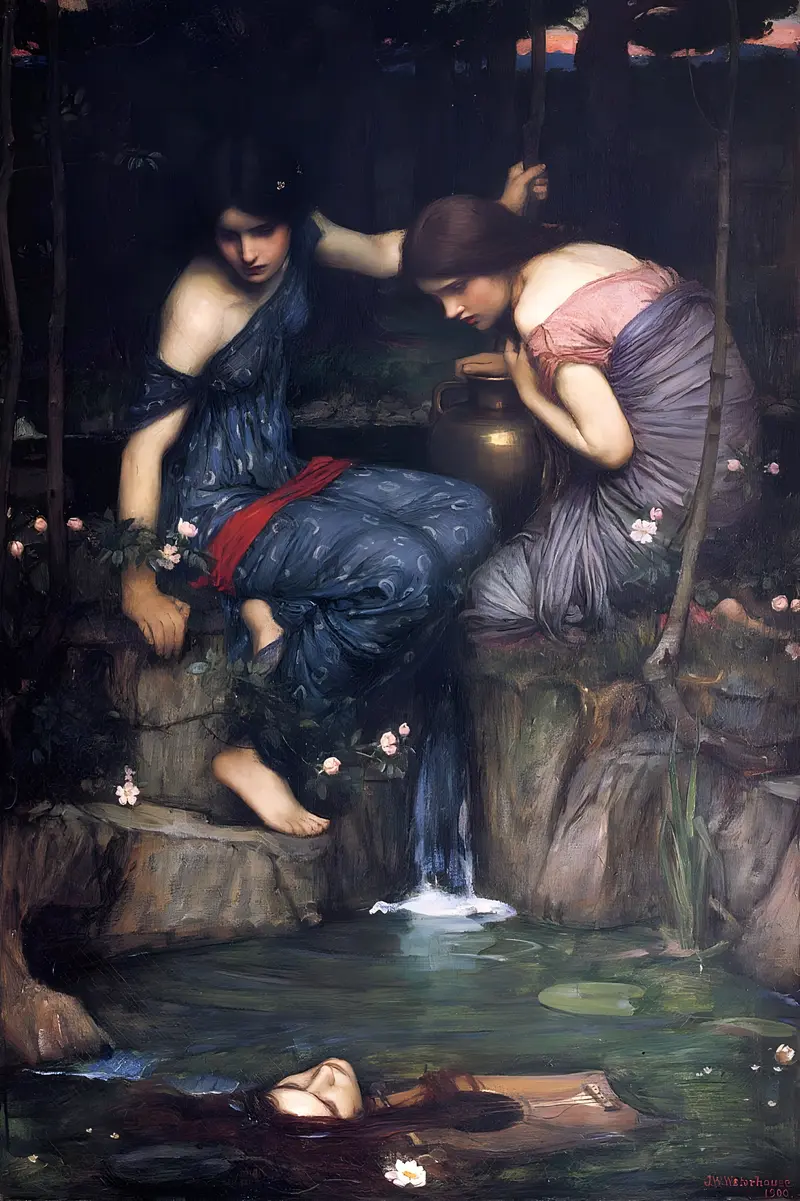
Nymphs Finding the Head of Orpheus
John William Waterhouse
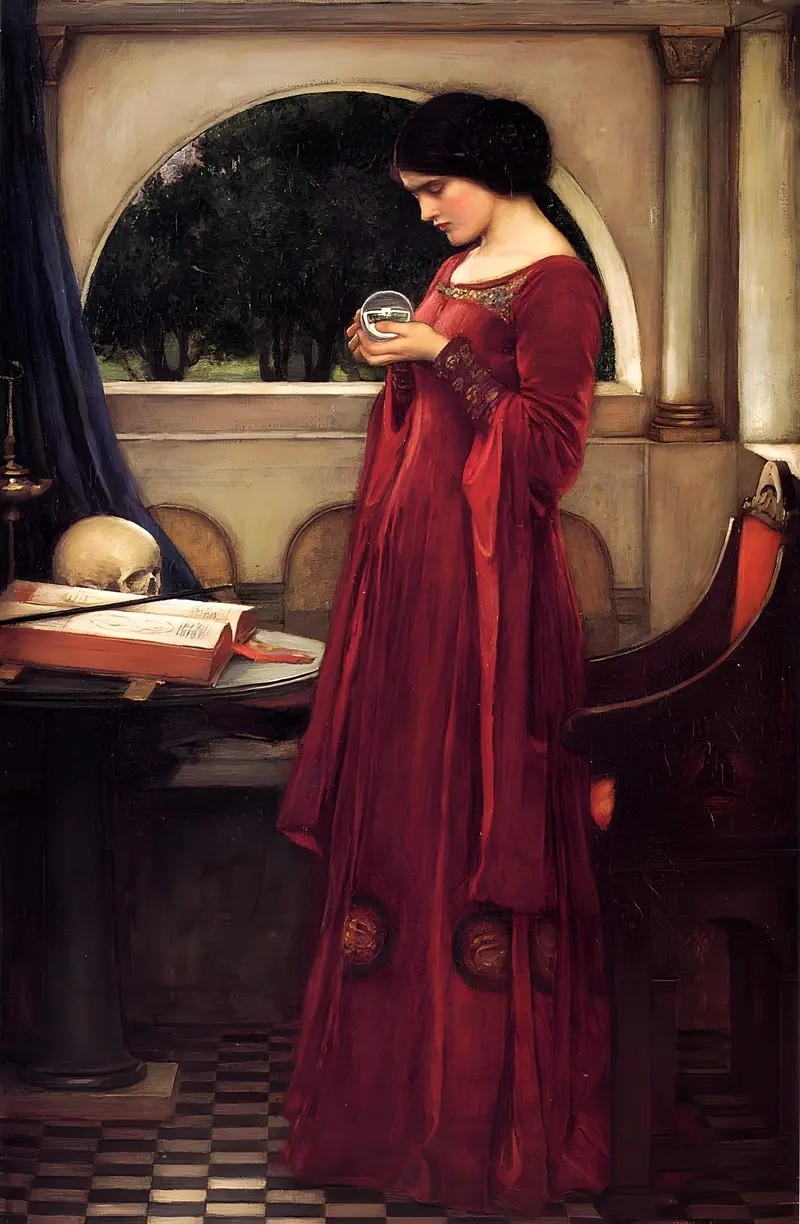
The Crystal Ball
John William Waterhouse
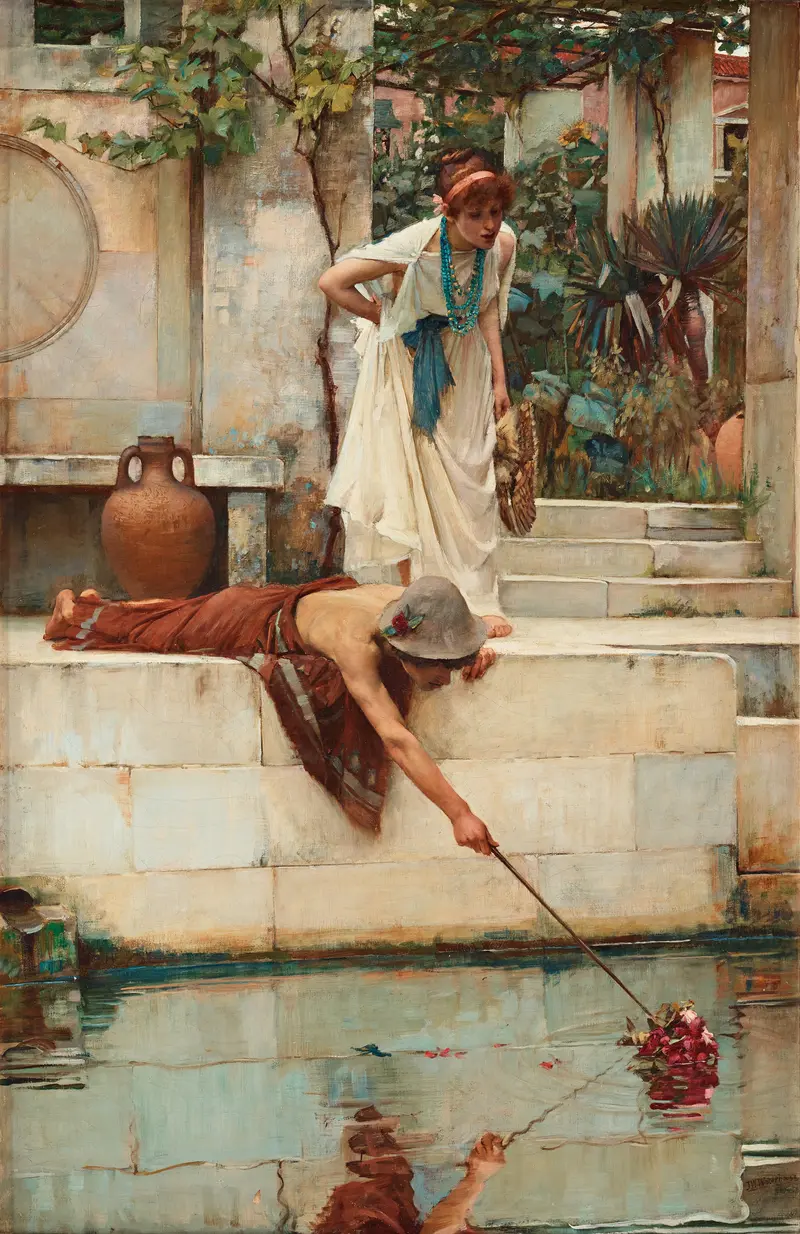
The Rescue
John William Waterhouse
The Siren, 1900
John William Waterhouse





