
Un miracle — History & Facts
What first catches the eye in Un miracle is the sense of theatrical delight: a young man, half-kneeling in the grass, offers a sprig of blossoms to a woman whose parasol and extravagant bonnet seem almost to bloom themselves. The scene is alive with movement—fluttering butterflies, the sweep of the parasol, the woman's animated gesture as she lifts her gloved hand to her cheek. Steinlen’s line is playful but precise, inviting us to linger on the expressive faces and the gentle collision of springtime motifs: cherry blossoms, butterflies, and the delicate pattern of birds on the parasol.
The palette, dominated by soft pinks, blues, and greens, sets a mood of lightness and flirtation, while the bold, decorative lettering and floating text root the image firmly in the world of Parisian illustrated music and poetry. Created in 1889 for La Semaine artistique & musicale and now held by the Bibliothèque nationale de France, this work belongs to a moment when artists like Théophile Alexandre Steinlen were reshaping the visual language of the French poster and illustrated press. Such images were designed to catch the attention of a public hungry for novelty, romance, and the pleasures of modern life—often advertising new songs, poems, or performances. Here, the names of Jean Richepin and Alfred Bruneau are woven directly into the composition, announcing a collaboration between poet and composer as much as between artist and printer.
History has kept few traces of this particular print’s journey, but its style and wit speak clearly of the Belle Époque’s appetite for art that could charm, amuse, and sell all at once. The longer you look, the more you sense the gentle irony with which Steinlen stages his “miracle”—a fleeting moment of beauty, captured for the Parisian crowd.
More Artworks by Théophile Alexandre Steinlen

Village et charrette
Théophile Alexandre Steinlen
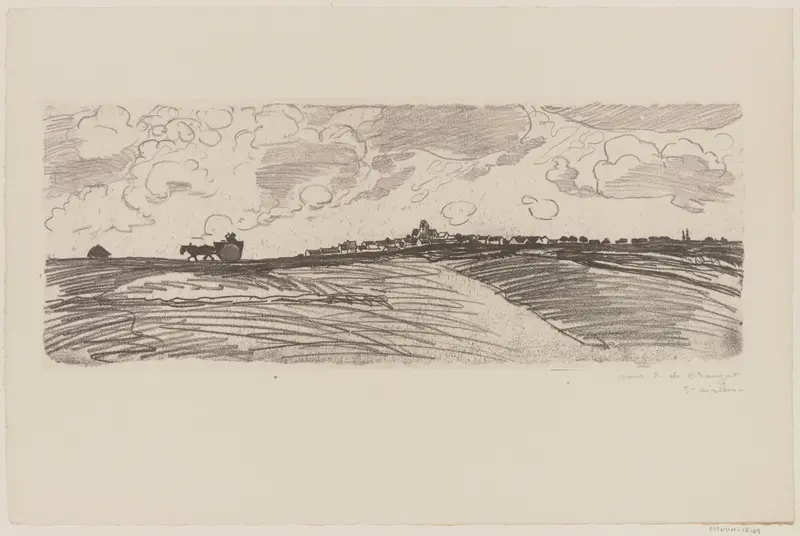
Village et charrette
Théophile Alexandre Steinlen
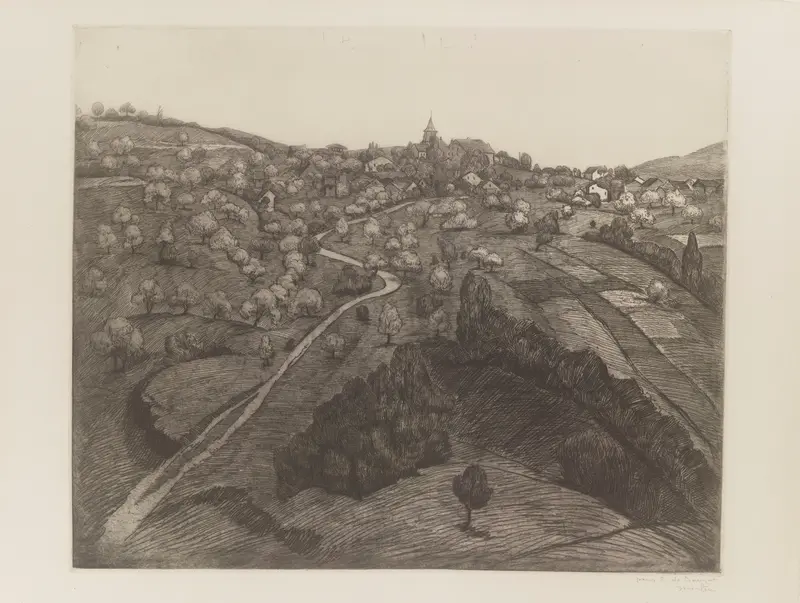
Vue de Belmont, près de Lausanne
Théophile Alexandre Steinlen
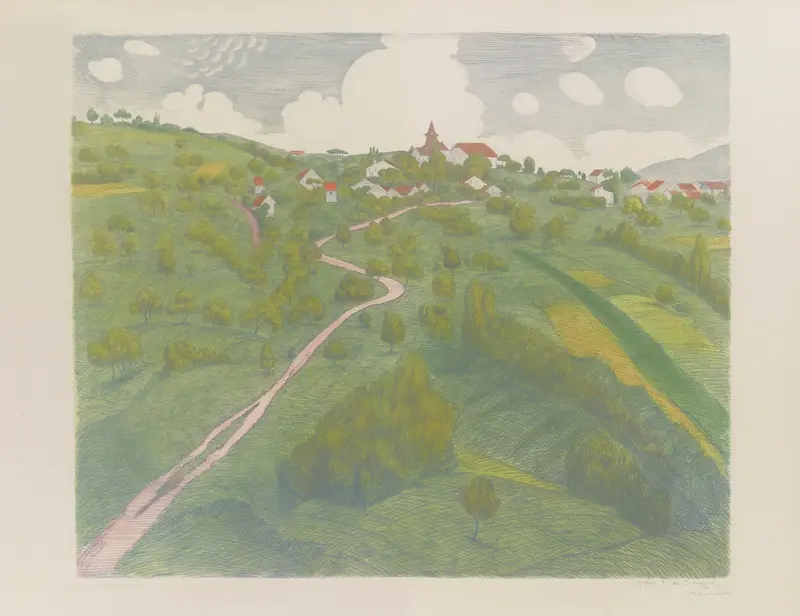
Vue de Belmont, près de Lausanne
Théophile Alexandre Steinlen
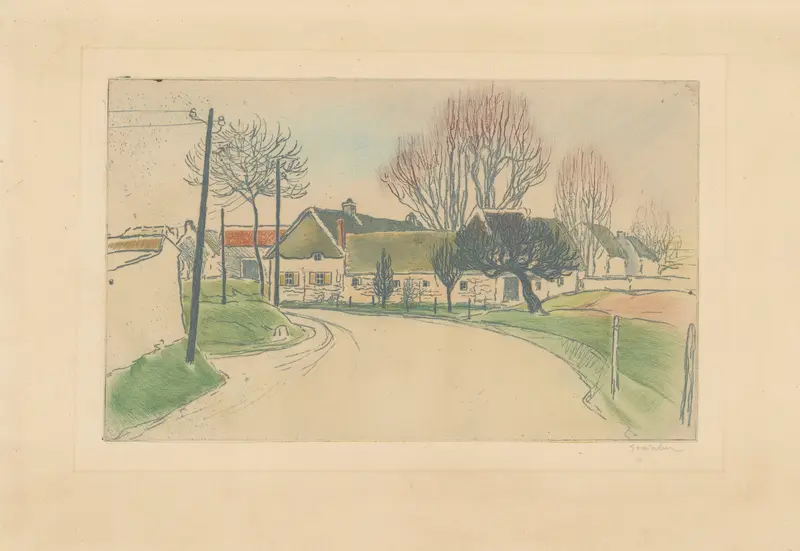
La maison à l’entrée du village
Théophile Alexandre Steinlen
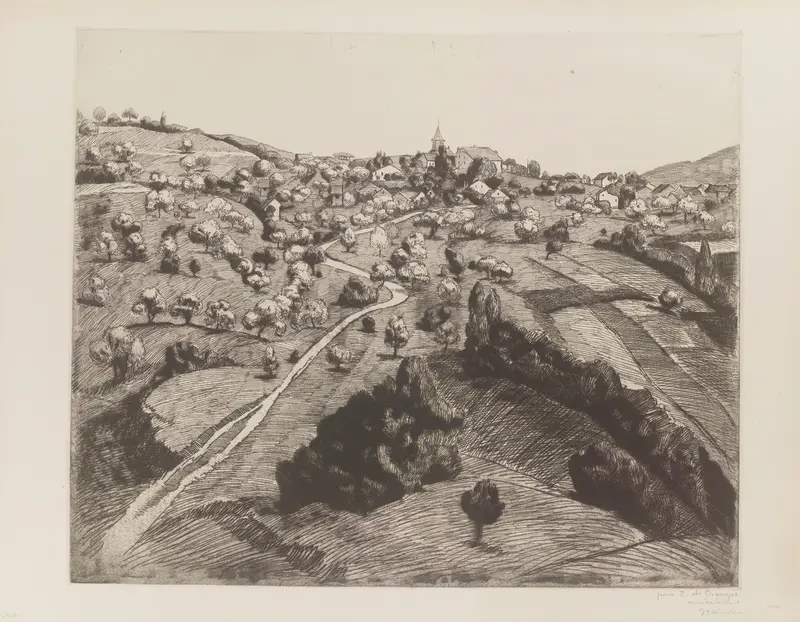
Vue de Belmont, près de Lausanne
Théophile Alexandre Steinlen
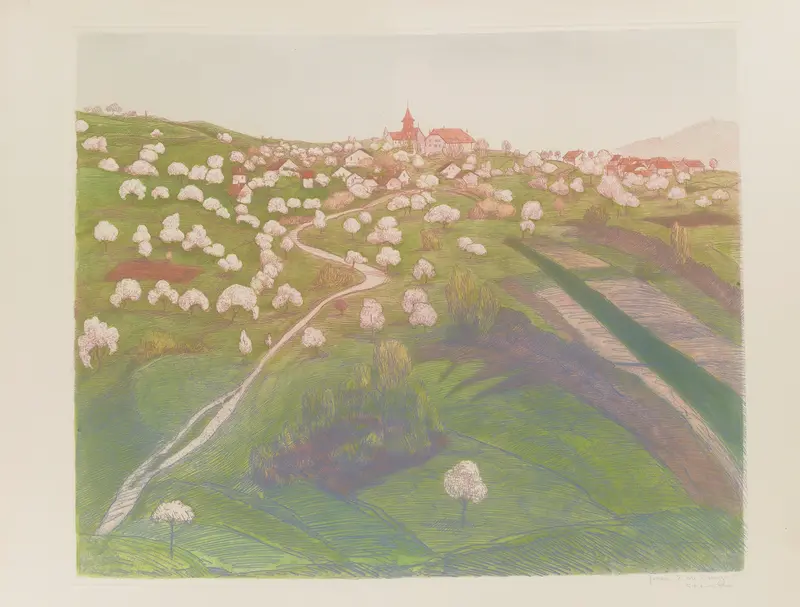
Vue de Belmont, près de Lausanne, n° 2
Théophile Alexandre Steinlen
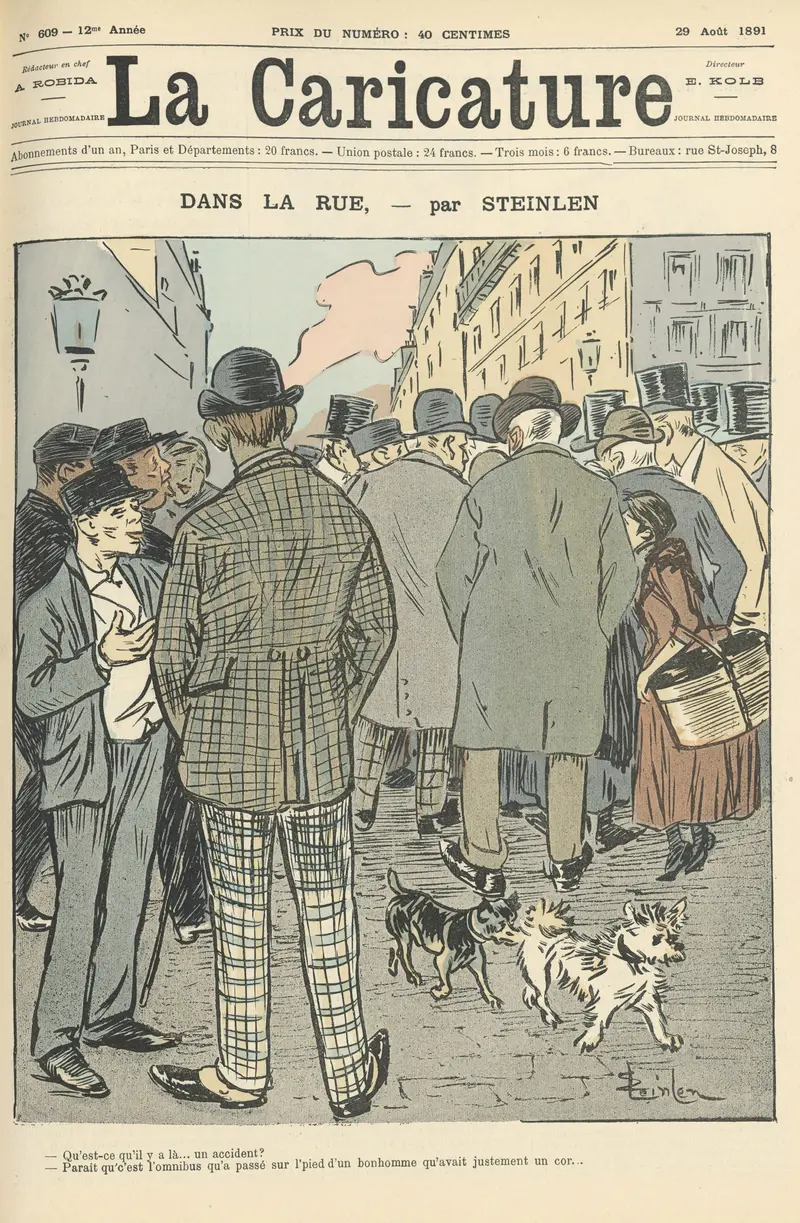
Dans la rue (La Caricature, 29 août 1891)
Théophile Alexandre Steinlen
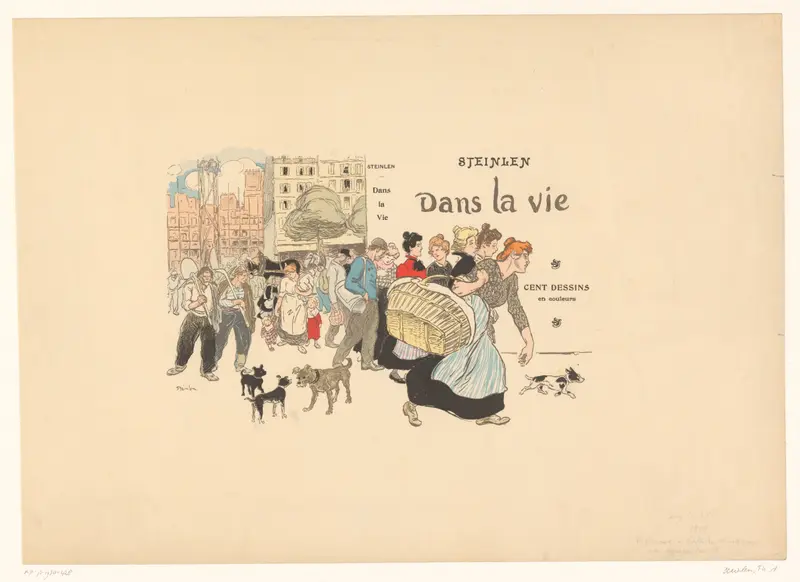
Dans la vie
Théophile Alexandre Steinlen
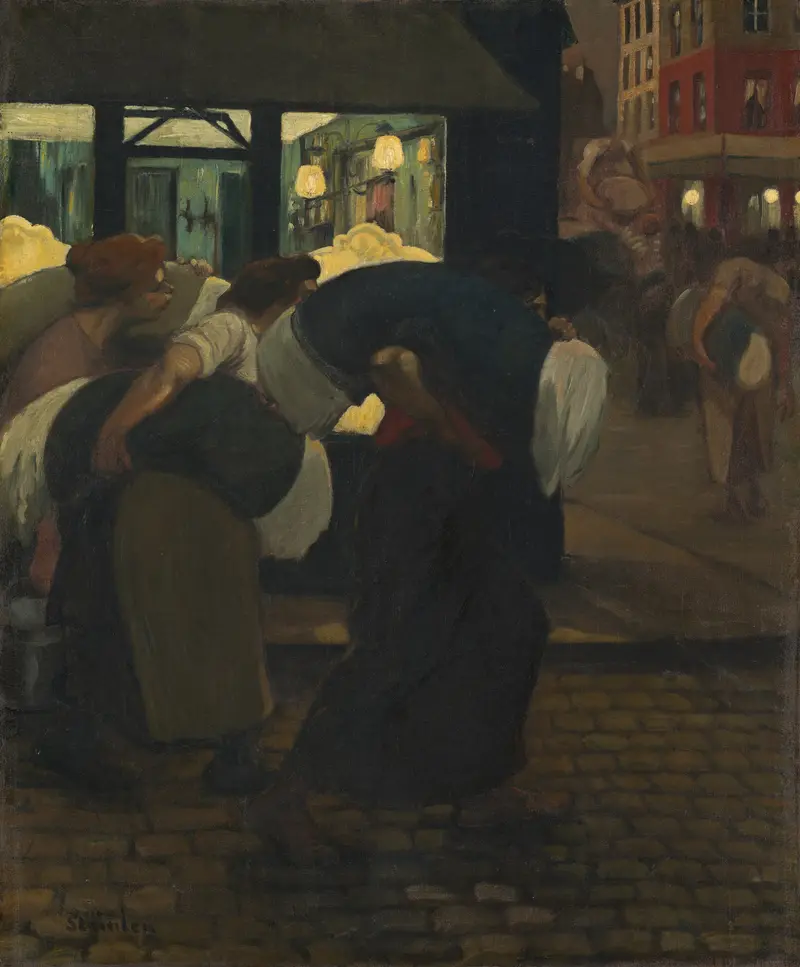
The Laundresses
Théophile Alexandre Steinlen
More Genre Scene Art

Banquet of the Officers of the St George Civic Guard
Frans Hals

Rembrandt and Saskia in the Scene of the Prodigal Son
Rembrandt van Rijn

Bal du moulin de la Galette
Pierre-Auguste Renoir

Quadrille at the Moulin Rouge
Henri de Toulouse-Lautrec

A Burial at Ornans
Gustave Courbet

When Will You Marry?
Paul Gauguin