
Whistler’s Butterfly — History & Facts
In Whistler’s Butterfly, the viewer is greeted with a delicate interplay of colors, primarily soft blues and muted earth tones. The composition features a butterfly, which is central to the piece, surrounded by abstract forms that suggest a dreamlike quality. The background is subtly textured, enhancing the overall sense of depth.
Whistler’s use of light adds a gentle glow, creating an inviting atmosphere. The painting is executed in oil on canvas, showcasing Whistler's characteristic brushwork that blends realism with abstraction. The dimensions are approximately 60 x 80 cm, making it a medium-sized work that invites close inspection. The butterfly motif is a recurring theme in Whistler's oeuvre, symbolizing transformation and beauty.
The painting's color palette is carefully chosen to evoke a sense of calm and contemplation. James Abbott McNeill Whistler was an influential figure in the art world, known for his innovative approach to composition and color. Whistler’s Butterfly reflects his interest in symbolism, where the butterfly serves as a metaphor for change. Interestingly, this work was part of a series where Whistler explored the relationship between nature and art.
The painting exemplifies his belief that art should be a harmonious blend of beauty and emotion.
More Artworks by James Abbott McNeill Whistler
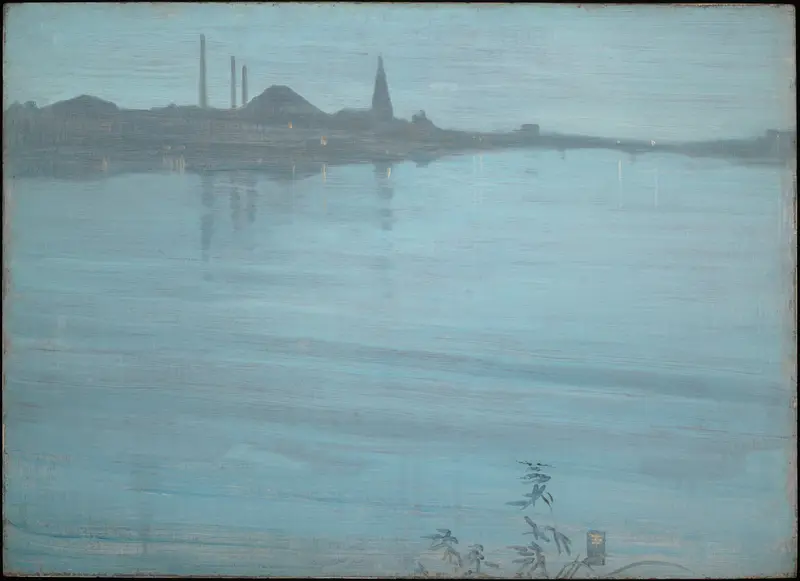
Nocturne in Blue and Silver
James Abbott McNeill Whistler

Nocturne
James Abbott McNeill Whistler
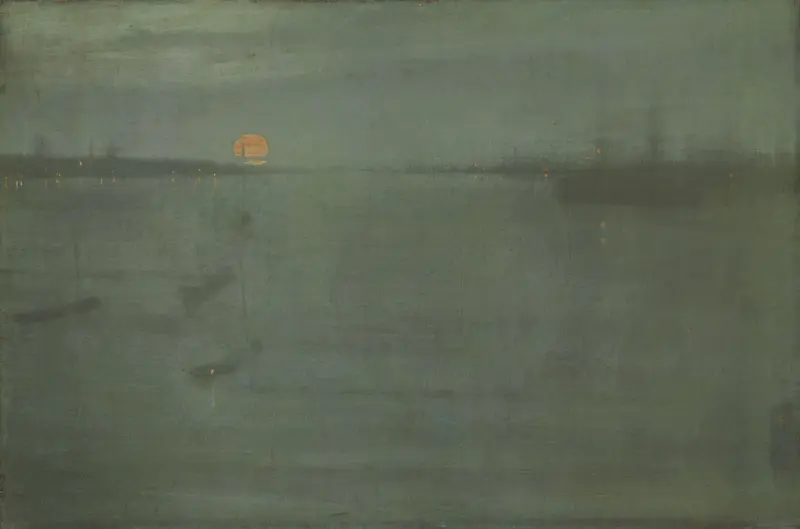
Nocturne: Blue and Gold–Southampton Water
James Abbott McNeill Whistler
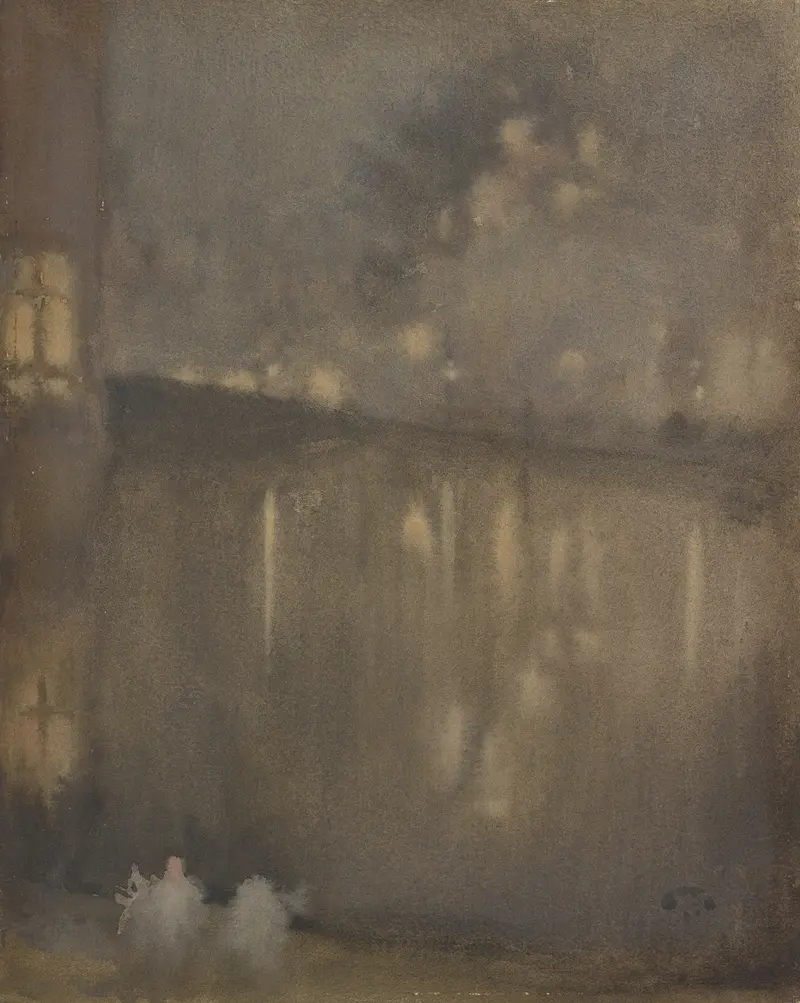
Nocturne: Grey and Gold–Canal, Holland
James Abbott McNeill Whistler
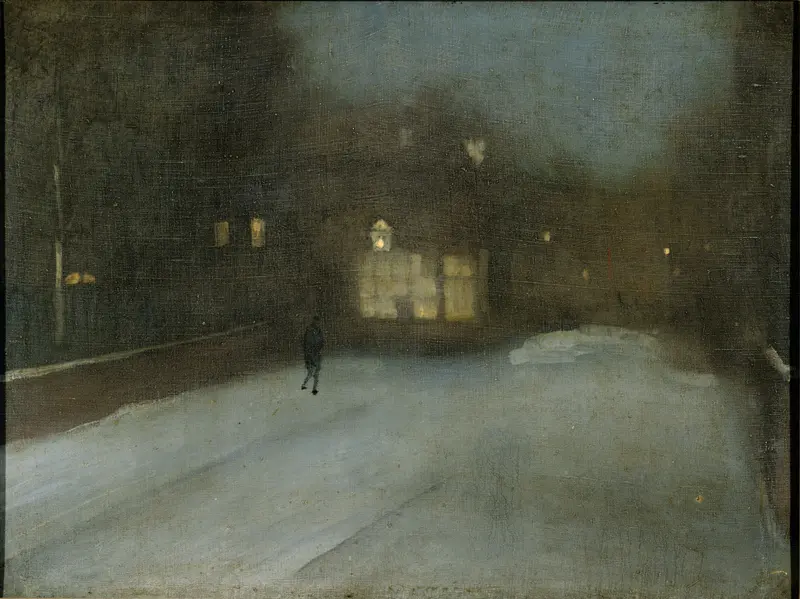
Nocturne in Grey and Gold: Chelsea Snow
James Abbott McNeill Whistler
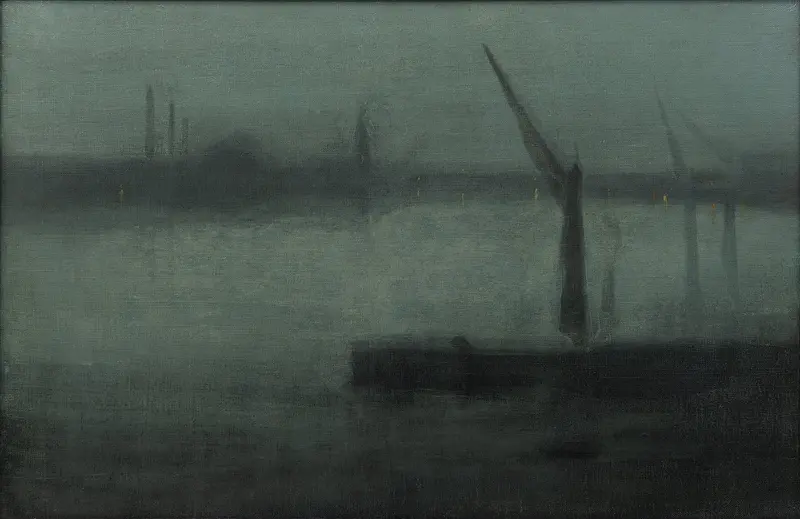
Nocturne: Blue and Silver–Battersea Reach
James Abbott McNeill Whistler
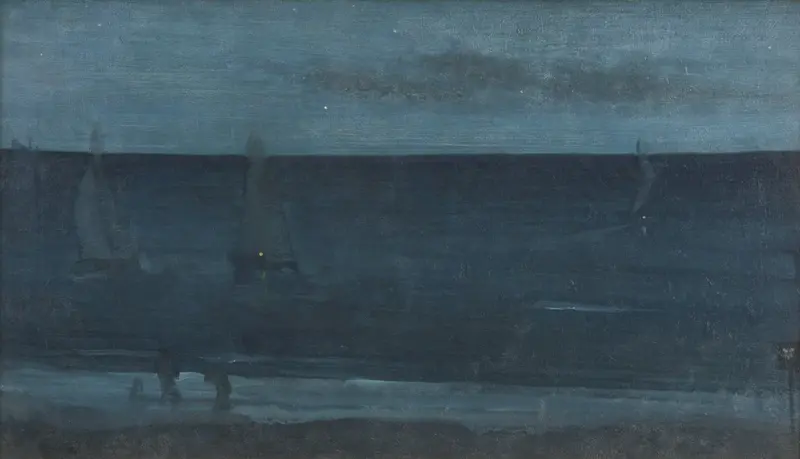
Nocturne: Blue and Silver–Bognor
James Abbott McNeill Whistler

Old Battersea Bridge
James Abbott McNeill Whistler
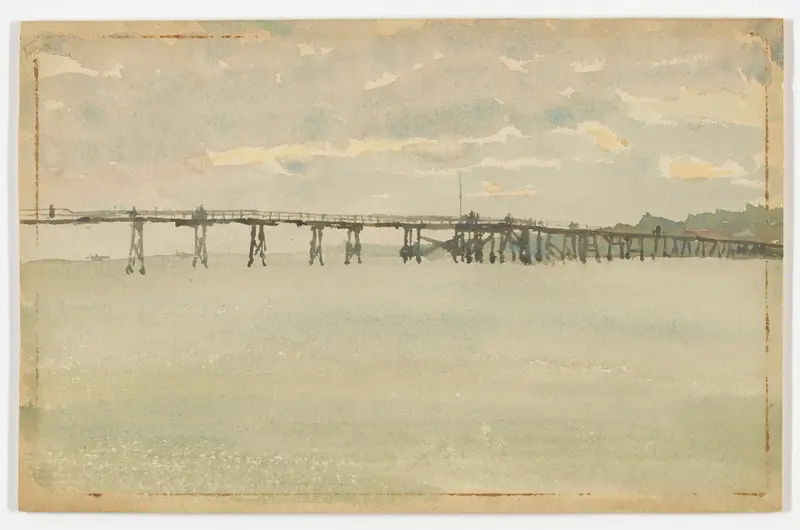
Grey and Silver–Pier, Southend
James Abbott McNeill Whistler
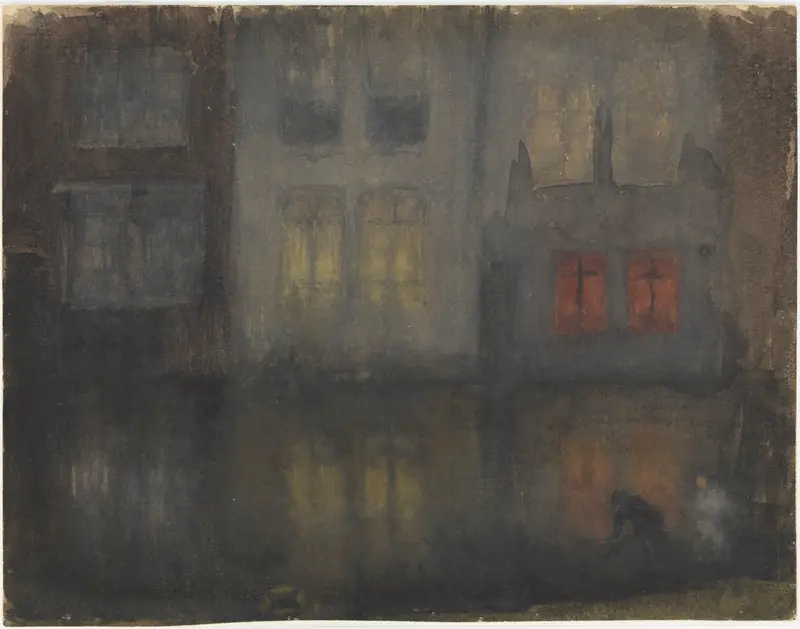
Nocturne: Black and Red—Back Canal, Holland
James Abbott McNeill Whistler



