
William Robertson (1753–1835), Lord Robertson — History & Facts
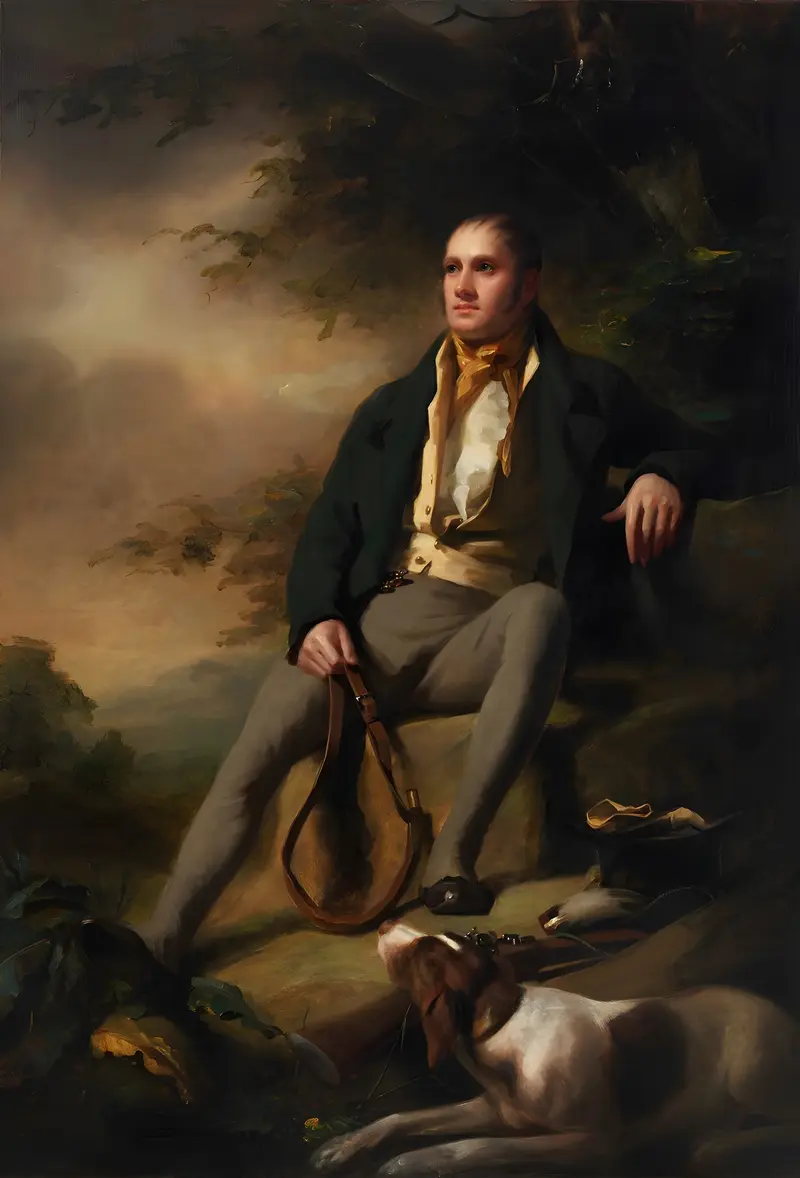
When Sir Henry Raeburn painted William Robertson (1753–1835), Lord Robertson, he was capturing not just a man but a symbol of Scottish legal authority at the dawn of the 19th century. Robertson, a prominent judge and son of the famed historian William Robertson, was a figure whose intellect and presence were widely noted in Edinburgh society. The portrait’s enduring fascination partly lies in the sitter’s own words: Lord Robertson once declared, “The bench is a theatre, and every judge an actor,” a sentiment that seems to echo in the painting’s poised drama.
Unlike many of Raeburn’s commissions, the exact date and circumstances of this portrait remain uncertain, adding a layer of mystery to its creation. Raeburn chooses to present Lord Robertson at the height of his judicial career, his gaze steady and direct, as if weighing the merits of an unseen case. The sitter’s dark robes and white cravat, rendered with Raeburn’s characteristic loose brushwork, signal both his office and his individuality. The light falls across Robertson’s face, highlighting a thoughtful brow and a mouth set in quiet determination; this is a man accustomed to deliberation.
The background, muted and unobtrusive, focuses attention on the sitter’s psychological presence. Raeburn’s approach here recalls his portrait of Sir Walter Scott, where the sitter’s intellect is similarly foregrounded, though with a warmer intimacy. The journey of this painting is typical of many Raeburn portraits: likely commissioned by the Robertson family or their associates, it has passed through private hands before entering public view. While its early provenance is not fully documented, it stands as a testament to Raeburn’s reputation as Scotland’s leading portraitist in the years around 1800.
Today, the work is valued not only as a likeness but as a historical document, capturing the gravitas of a key figure in Scottish law. Within Raeburn’s oeuvre, it exemplifies his ability to blend realism with psychological insight, a quality that secured his place at the heart of the Scottish Enlightenment’s visual culture.
More Artworks by Sir Henry Raeburn

Portrait of Hugh Hope
Sir Henry Raeburn
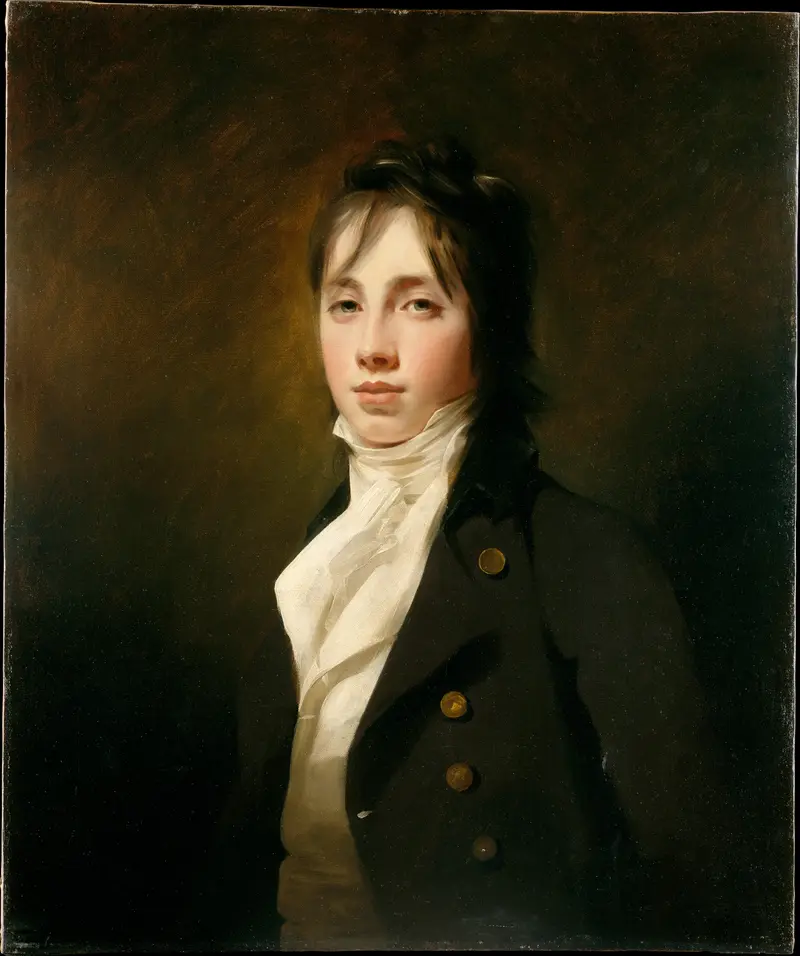
William Fraser of Reelig (1784–1835)
Sir Henry Raeburn
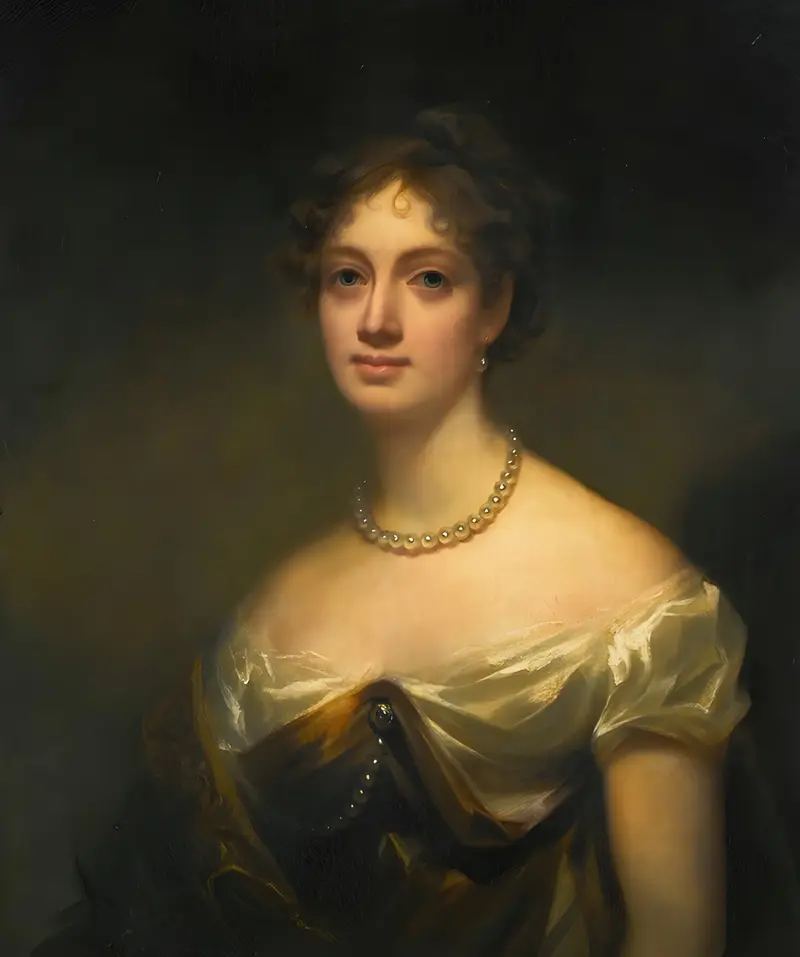
Portrait Of Anne Blair Maconochie Welwood Of Garvock, Lady Meadowbank (1784–1866)
Sir Henry Raeburn
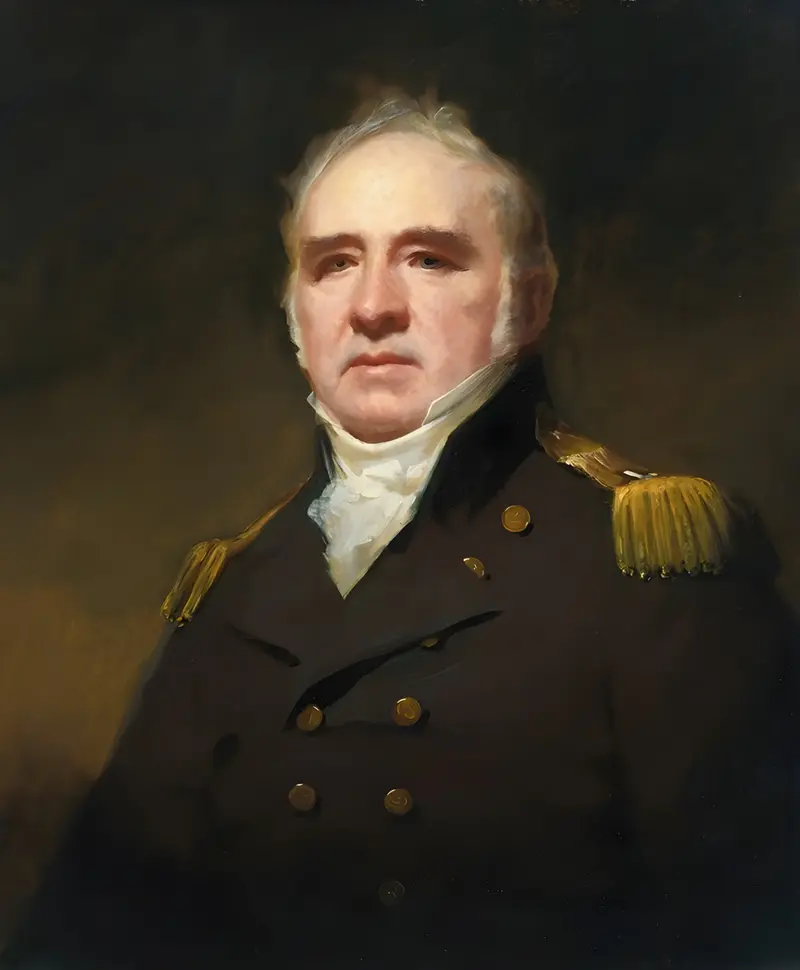
Portrait Of Captain James Forbes-Drummond, R.N., Of Hawthornden
Sir Henry Raeburn
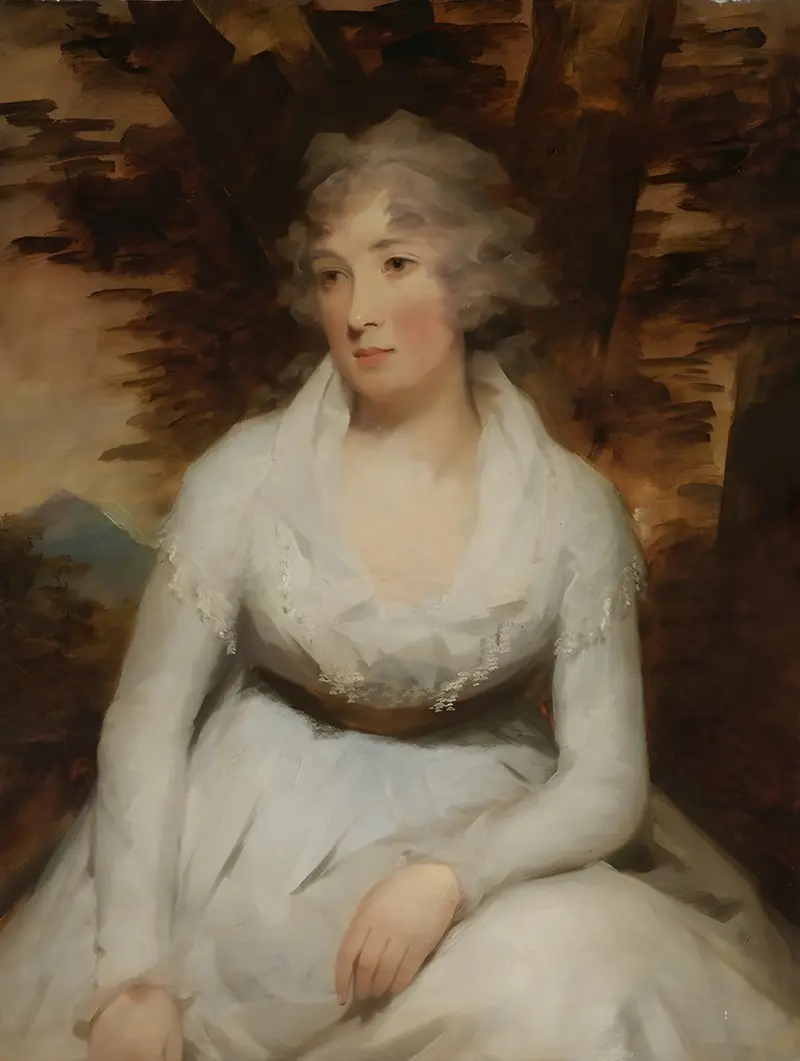
Miss Elizabeth Dalrymple (afterwards Mrs. George Leith)
Sir Henry Raeburn
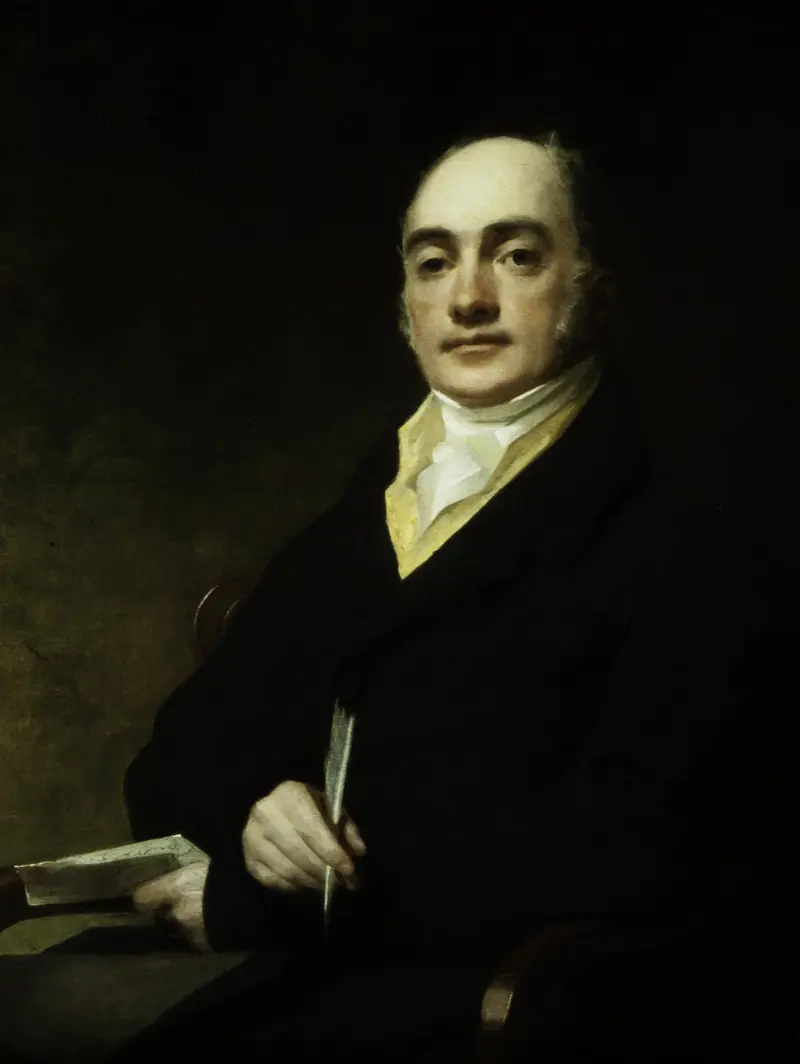
Portrait of John Baillie (1772-1833)
Sir Henry Raeburn
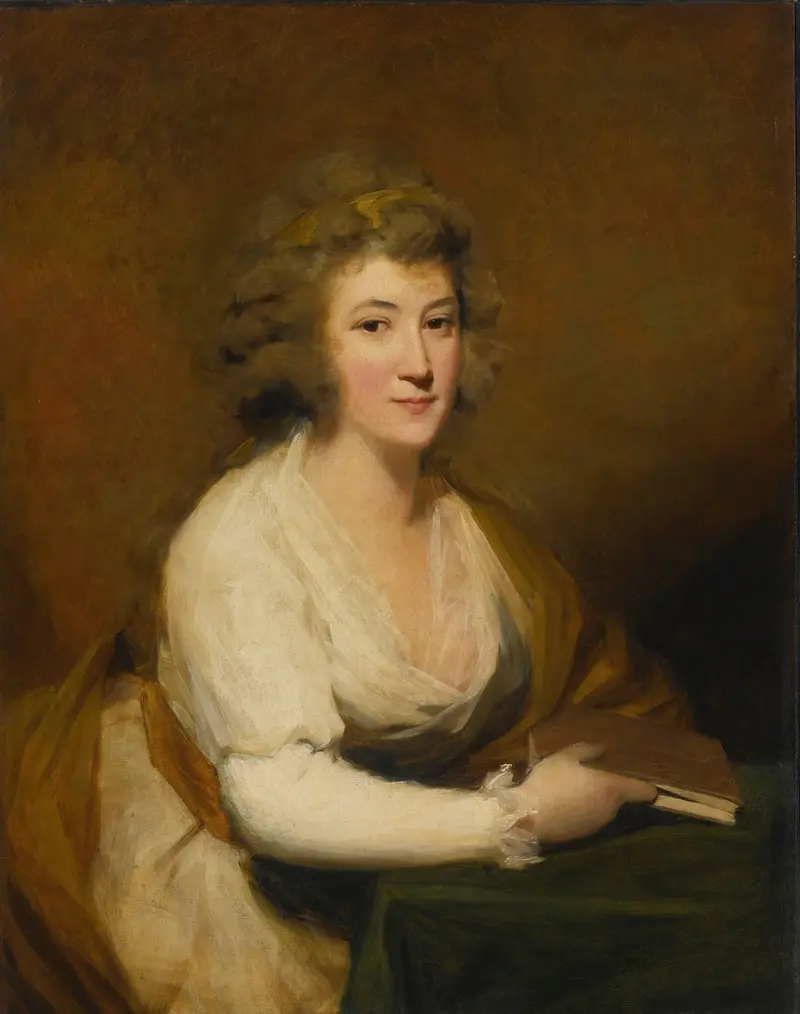
Portrait Of Lady Nasmyth, In A White Dress And Brown Shawl, Seated At A Table, Holding A Book
Sir Henry Raeburn
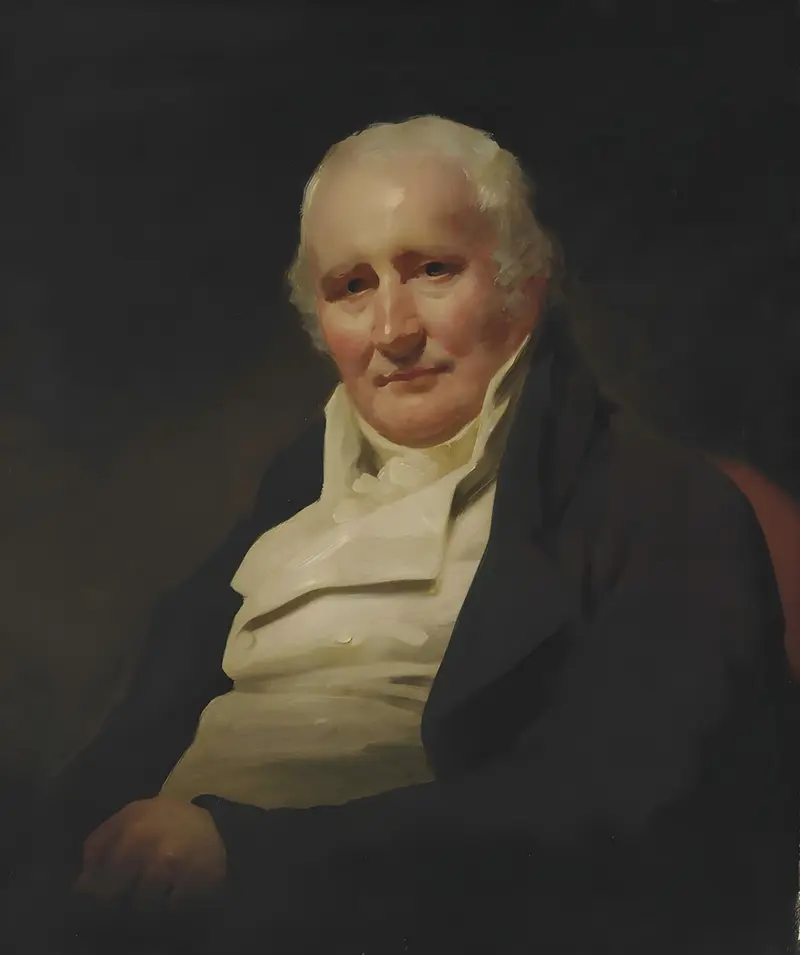
Portrait Of Mr. Spottiswood
Sir Henry Raeburn
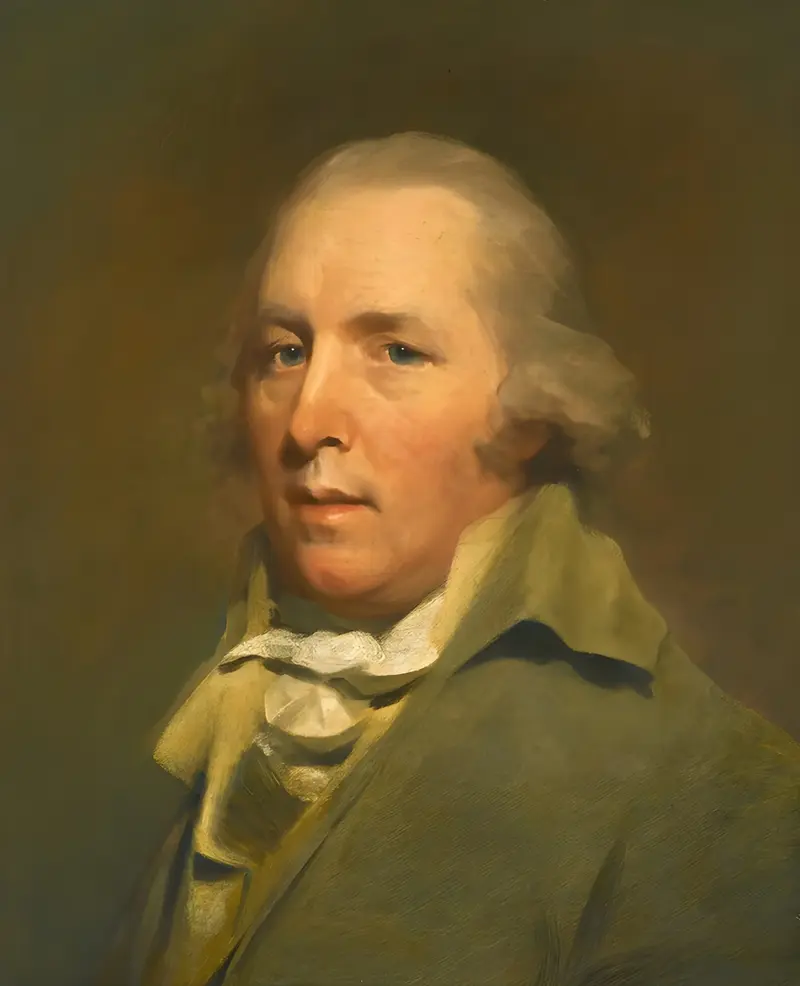
Portrait Of The Reverend John Home (1722-1808)
Sir Henry Raeburn
Portrait of William Hunt (c.1796-1854), Pittencrief House, Dunfermline
Sir Henry Raeburn





