
Woman and Child — History & Facts
No other American artist was as closely associated with the French Impressionists as Mary Cassatt, and her depictions of mothers and children became a signature theme. Woman and Child stands as a testament to Cassatt's lifelong fascination with the intimate bonds of family, a subject that set her apart in the Parisian art world of the late nineteenth century. While the exact date and medium of this work remain uncertain, its focus on the domestic sphere reflects the artist's deliberate challenge to the grand historical and mythological subjects favored by her male contemporaries.
Cassatt’s friend and mentor, Edgar Degas, once remarked on her "infinite talent for painting the things that matter most to women." In Woman and Child, the viewer encounters a quiet moment: a seated woman, her body turned protectively toward a small child nestled on her lap. The gentle curve of the woman’s arm, the child’s trusting gaze, and the soft interplay of light across their faces create a sense of warmth and immediacy. Cassatt’s brushwork, likely loose and vibrant, recalls the Impressionist interest in capturing fleeting effects of light and atmosphere.
Unlike the formal, allegorical Madonnas of the Renaissance, Cassatt’s mother and child are ordinary people, their intimacy rendered without idealization. This realism, paired with a delicate palette, invites comparison to Berthe Morisot, another Impressionist who explored similar themes of domestic life. The history of Woman and Child as a physical object is less documented than some of Cassatt’s other works, and its early provenance remains unclear. Paintings of this subject by Cassatt were often acquired by American collectors eager to bring Impressionism across the Atlantic, and today, works from this series are held in major museums and private collections worldwide.
The painting’s focus on everyday tenderness helped establish Cassatt’s reputation as a chronicler of women’s lives, and it remains emblematic of her mature style. Though the specifics of this canvas’s journey are lost to history, its subject and treatment place it firmly within the most celebrated period of Cassatt’s career, when she was at the heart of the Impressionist movement in Paris.
More Artworks by Mary Cassatt

The Child's Bath
Mary Cassatt
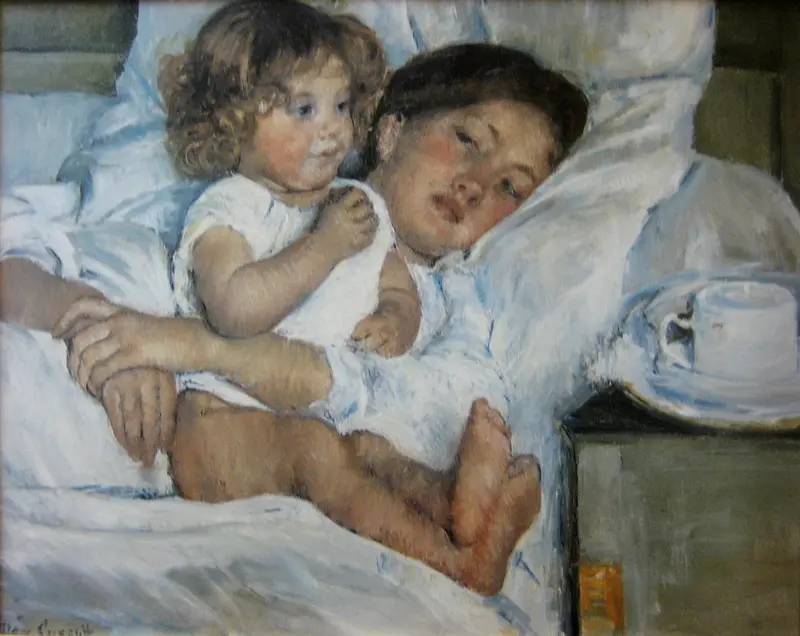
Breakfast in Bed
Mary Cassatt

Mother and Child (Baby Getting Up from His Nap)
Mary Cassatt
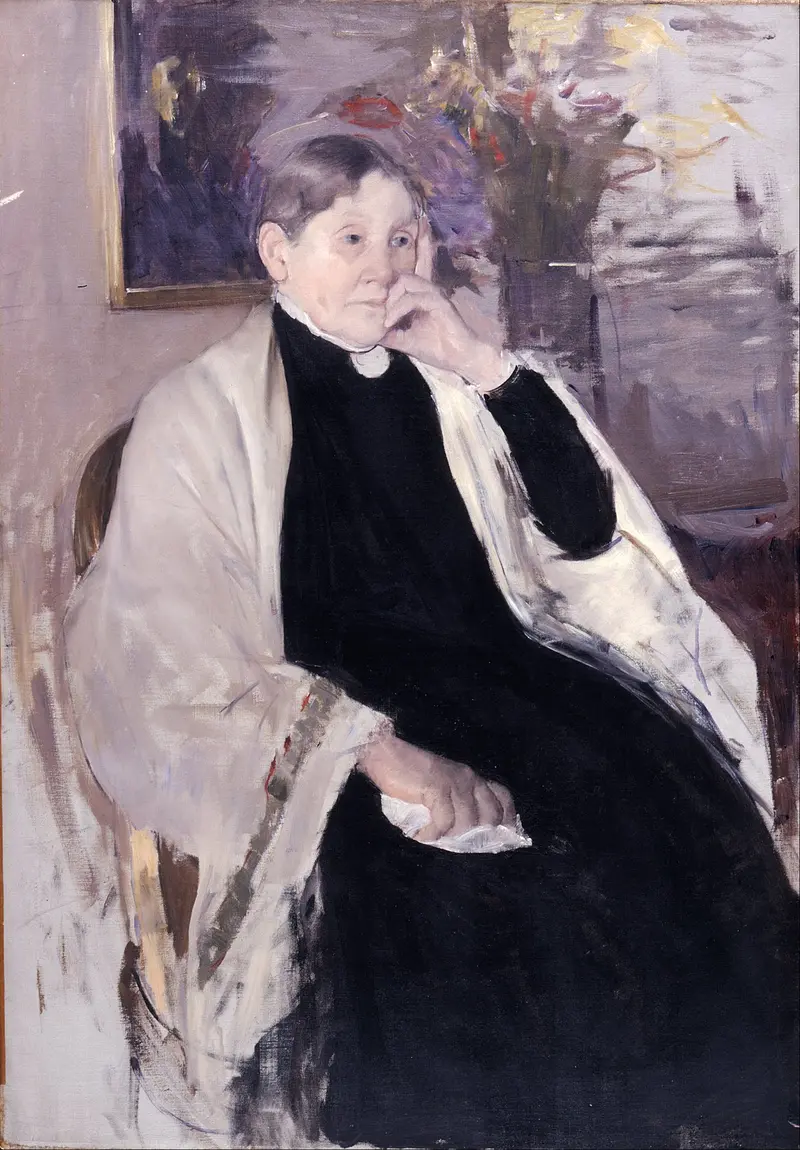
Mrs. Robert S. Cassatt, the Artist's Mother
Mary Cassatt
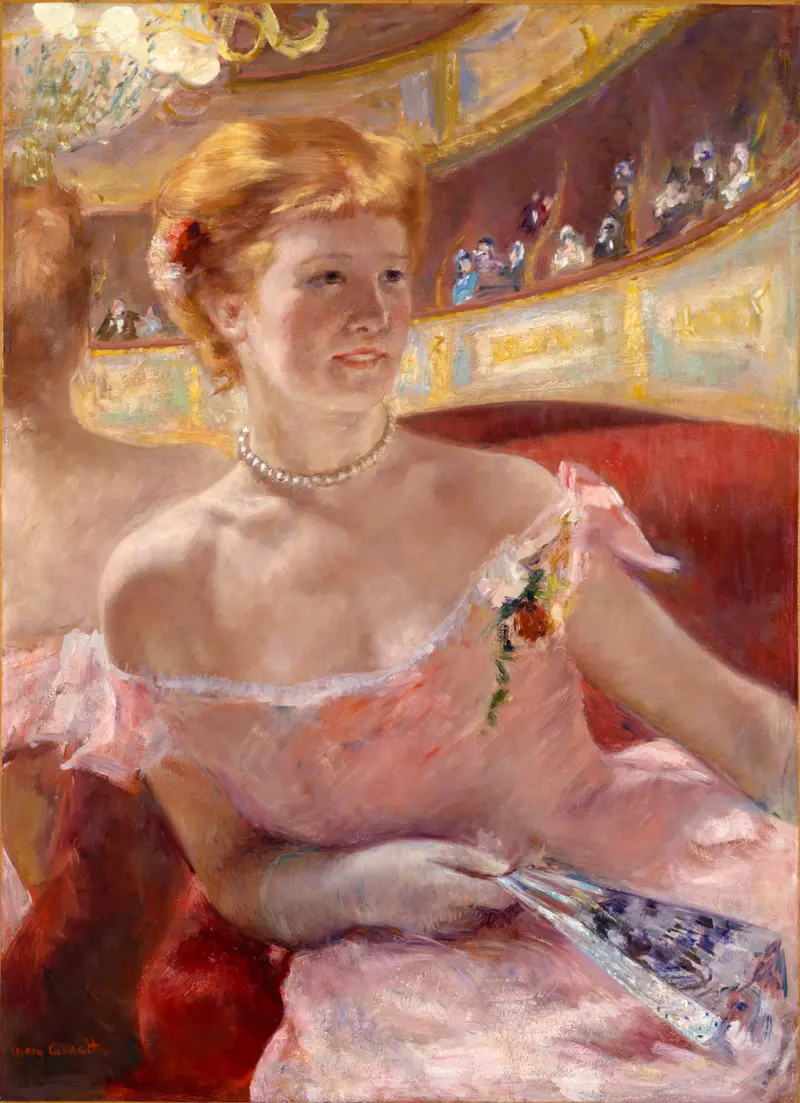
Woman with a Pearl Necklace in a Loge
Mary Cassatt
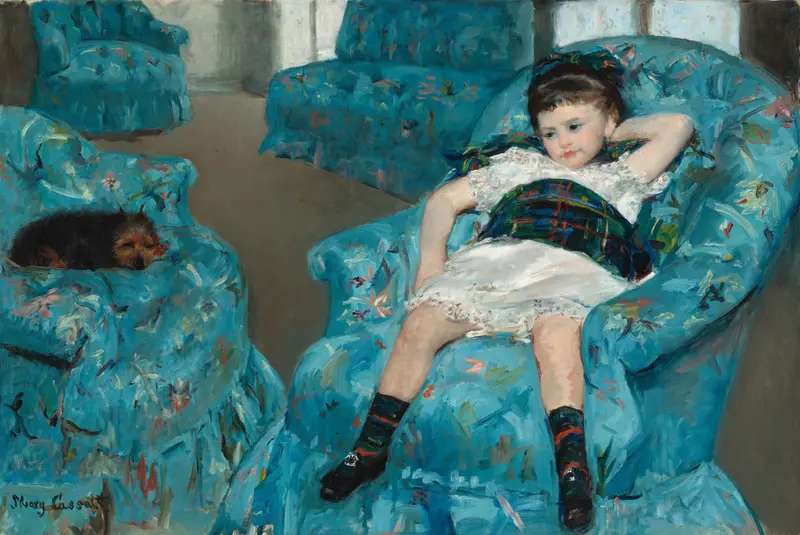
Little Girl in a Blue Armchair
Mary Cassatt
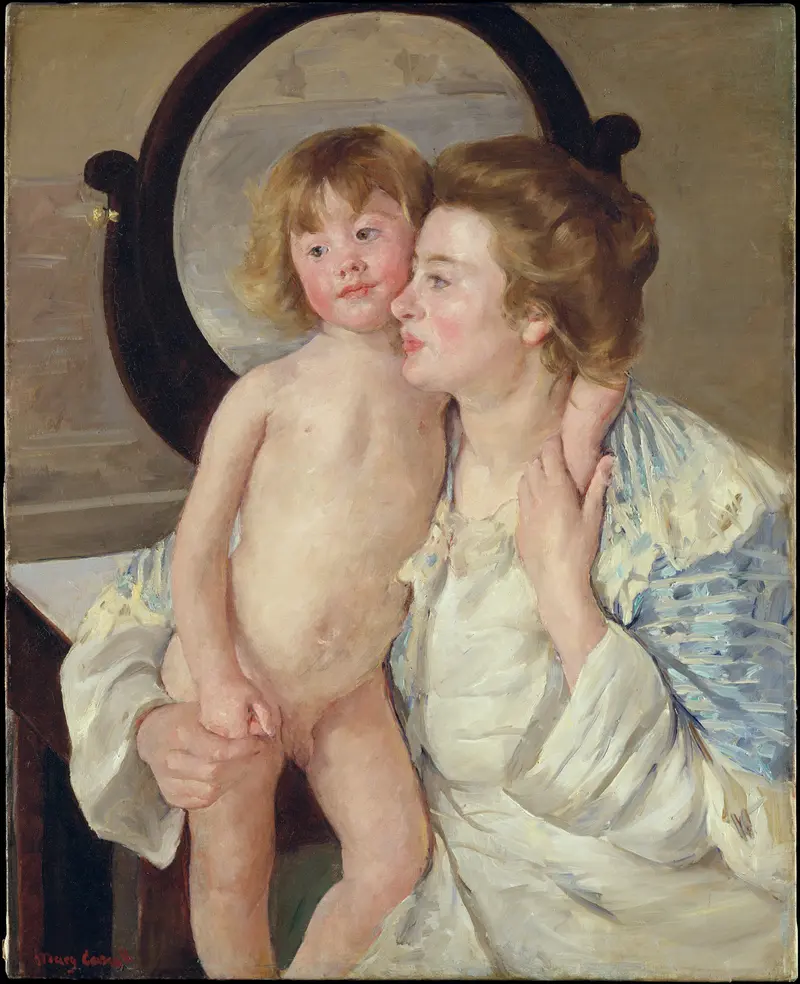
Mother and Child (The Oval Mirror)
Mary Cassatt
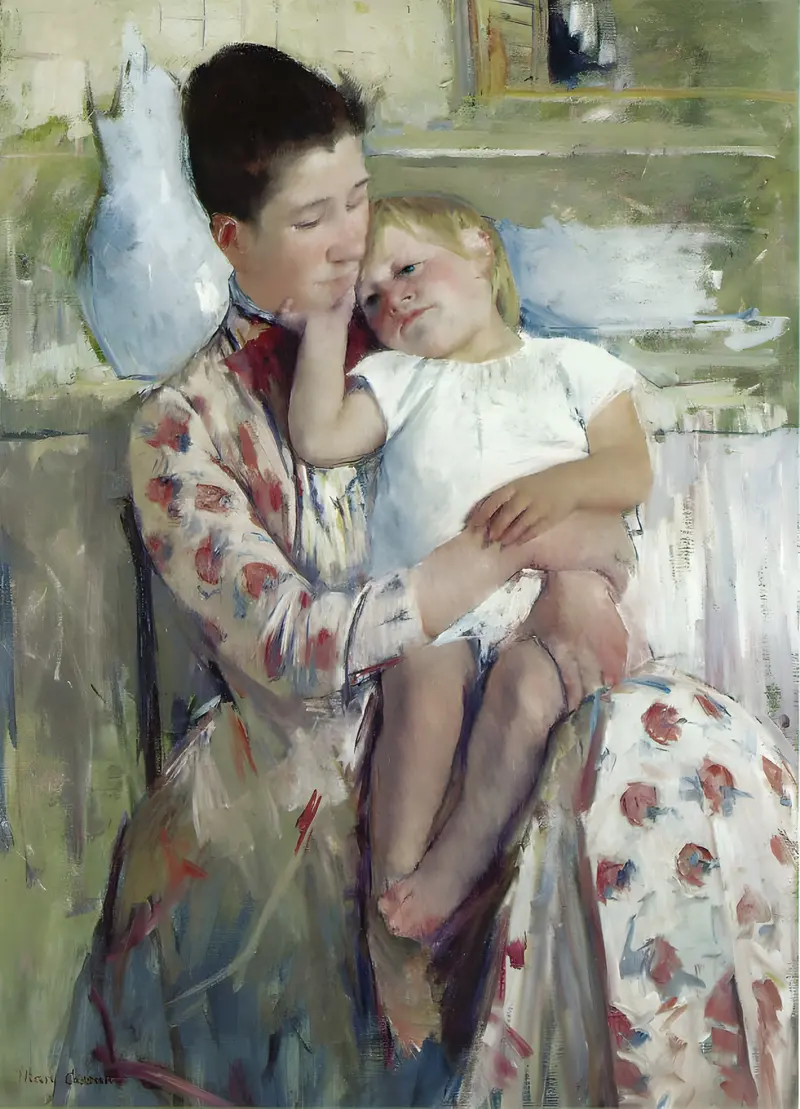
Mother and Child
Mary Cassatt
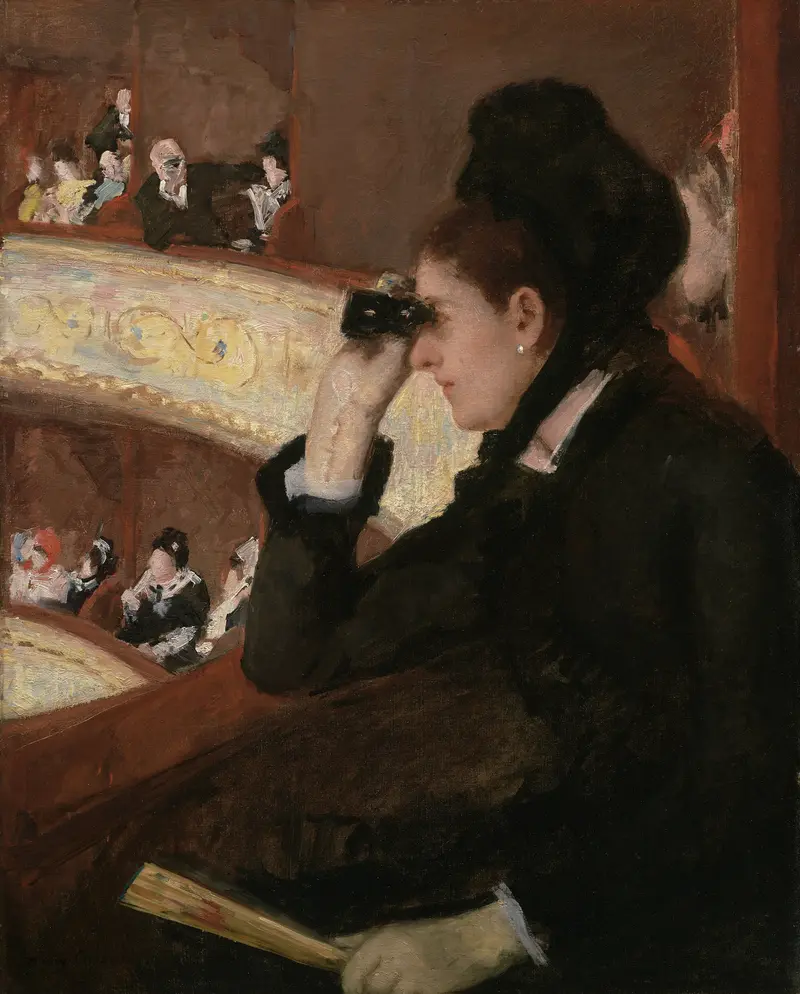
In The Loge
Mary Cassatt
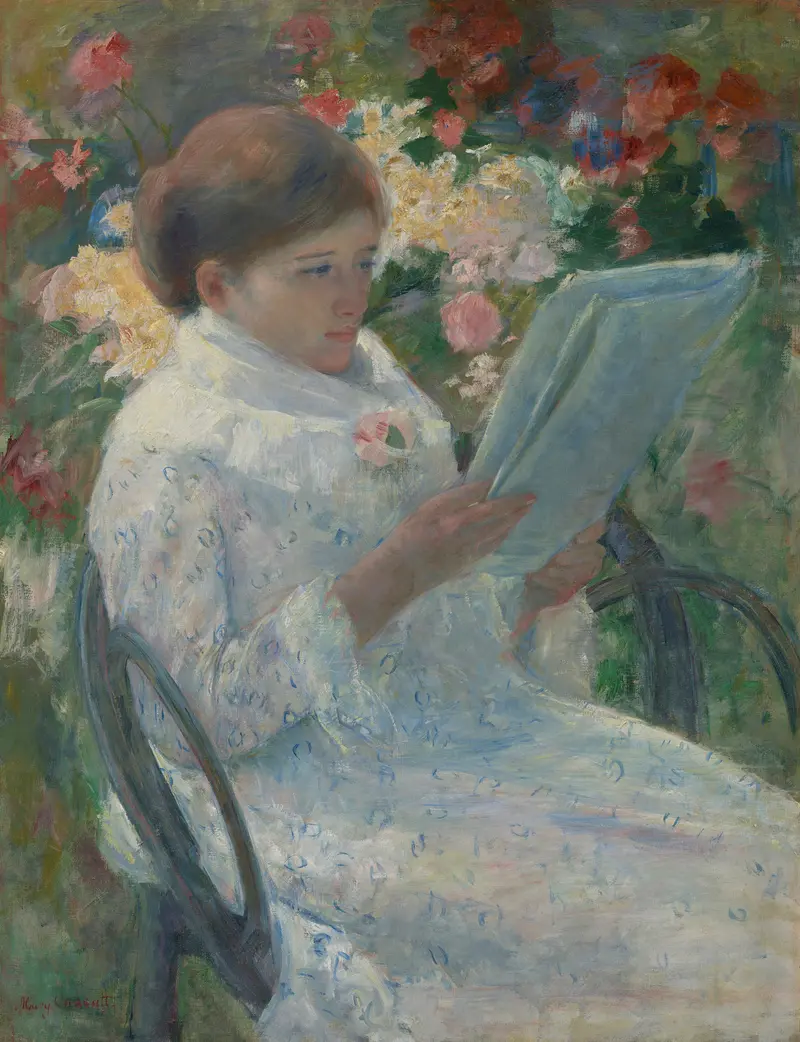
On a Balcony
Mary Cassatt
More Genre Scene Art

Banquet of the Officers of the St George Civic Guard
Frans Hals

Rembrandt and Saskia in the Scene of the Prodigal Son
Rembrandt van Rijn

Bal du moulin de la Galette
Pierre-Auguste Renoir

Quadrille at the Moulin Rouge
Henri de Toulouse-Lautrec

A Burial at Ornans
Gustave Courbet

When Will You Marry?
Paul Gauguin