
Woman with a Red Zinnia — History & Facts
When Woman with a Red Zinnia appeared in 1891, it marked a turning point in Mary Cassatt’s career: this was among her first experiments with color printmaking, a technique she had studied in Paris after seeing an exhibition of Japanese ukiyo-e prints. The influence was immediate and electrifying—Cassatt herself wrote to a friend that autumn, marveling at "the possibilities of color and line I had not imagined." This work belongs to a rare group of prints where Cassatt reimagined the possibilities of portraiture through the lens of Japanese aesthetics, using flat planes of color and daring compositions that startled her contemporaries. The picture captures a young woman in a quiet, private moment, her face turned gently aside as she contemplates a single, brilliant red zinnia. The flower, held delicately at her lips, draws the eye—its vivid hue a striking contrast to the muted tones of her dress and the soft, patterned background.
The composition flattens space, a nod to Japanese woodblock prints, while the woman's introspective pose suggests a world of thought behind her calm exterior. Unlike the grand, formal portraits of John Singer Sargent, Cassatt’s focus is intimate, emphasizing the subject’s interior life rather than her social status. The red zinnia, often a symbol of lasting affection, adds a quiet note of emotion to the scene. The exact journey of Woman with a Red Zinnia is not fully documented, but it is known that Cassatt produced only a small number of these color prints, often gifting them to friends or exhibiting them with the Impressionists.
As with many of her works from this period, the print’s medium—likely a combination of drypoint and aquatint—demonstrates her technical daring and her ongoing dialogue with Japanese art. Today, examples of this print are held in major collections, including the National Gallery of Art in Washington, D.C., where it stands as a testament to Cassatt’s innovative spirit and her role as one of the leading figures of the Impressionist movement.
More Artworks by Mary Cassatt

The Child's Bath
Mary Cassatt
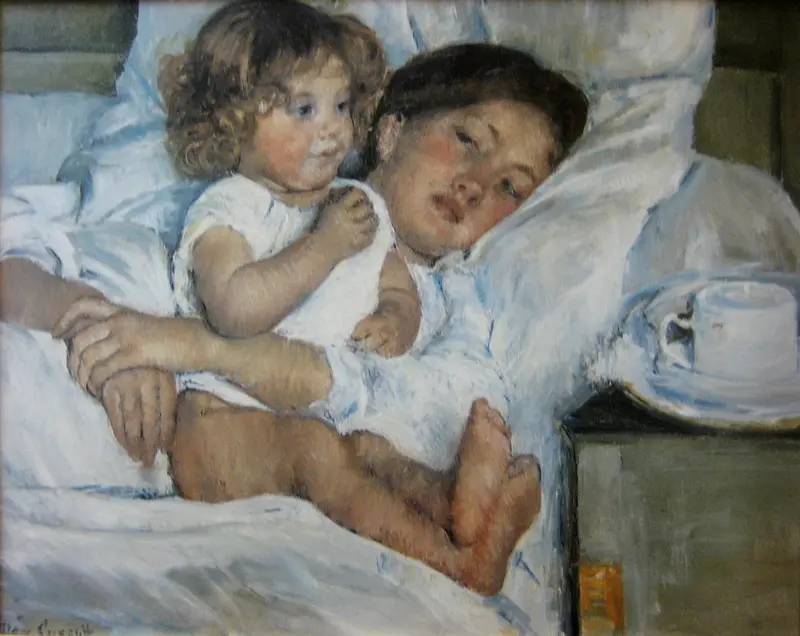
Breakfast in Bed
Mary Cassatt

Mother and Child (Baby Getting Up from His Nap)
Mary Cassatt
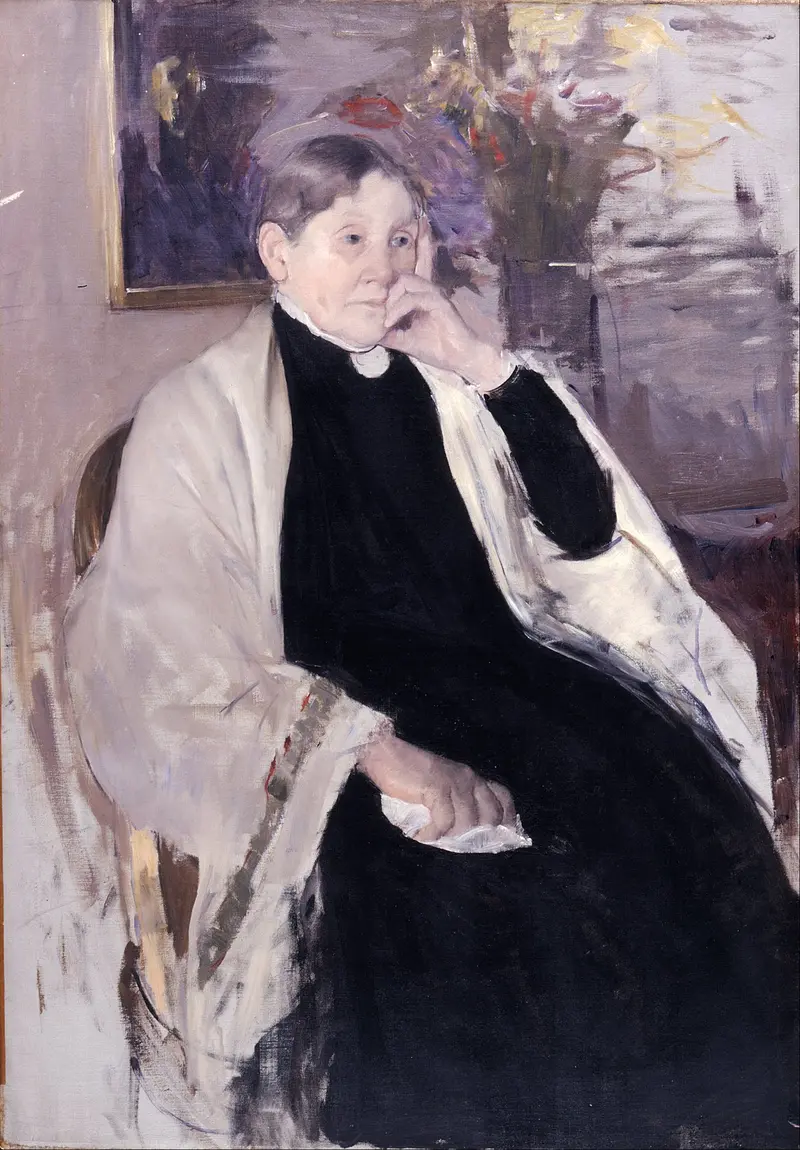
Mrs. Robert S. Cassatt, the Artist's Mother
Mary Cassatt
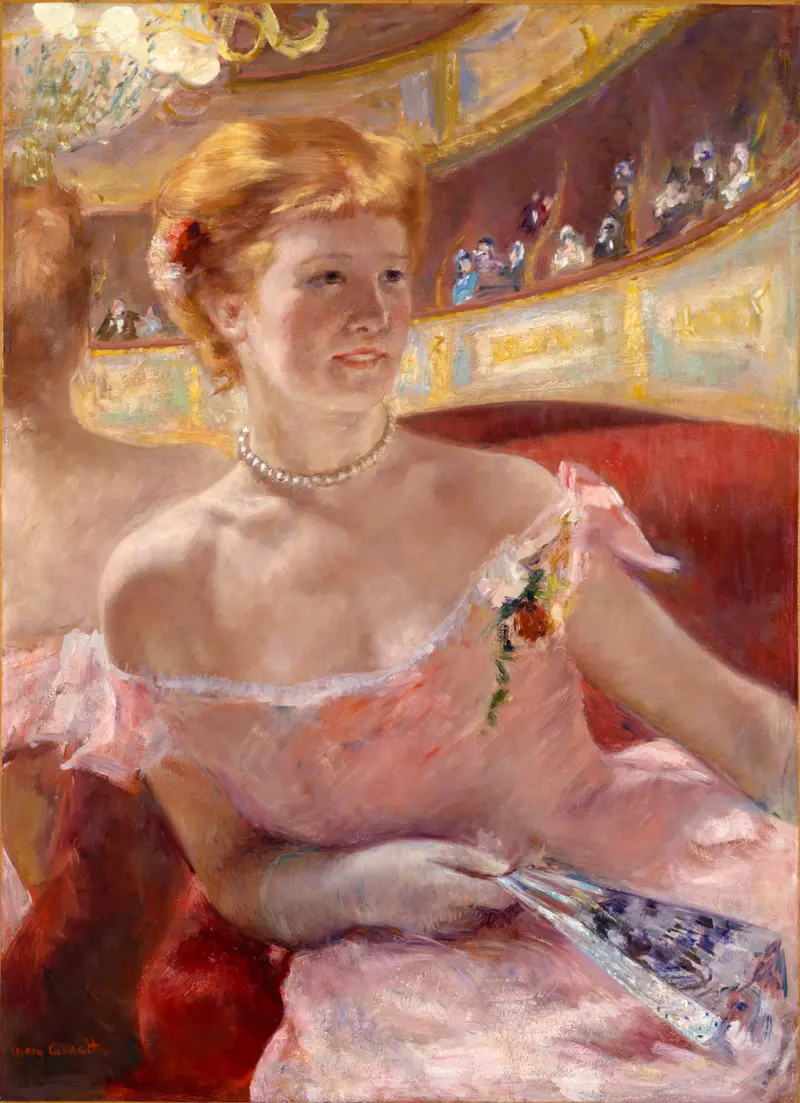
Woman with a Pearl Necklace in a Loge
Mary Cassatt
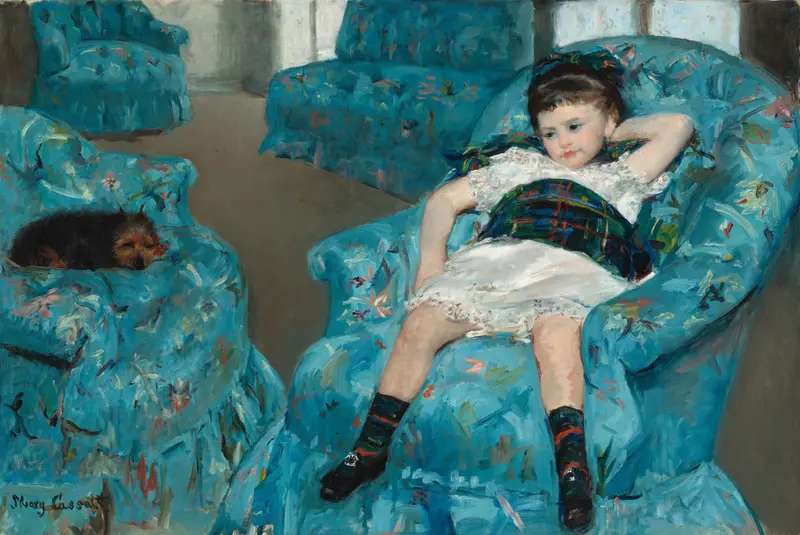
Little Girl in a Blue Armchair
Mary Cassatt
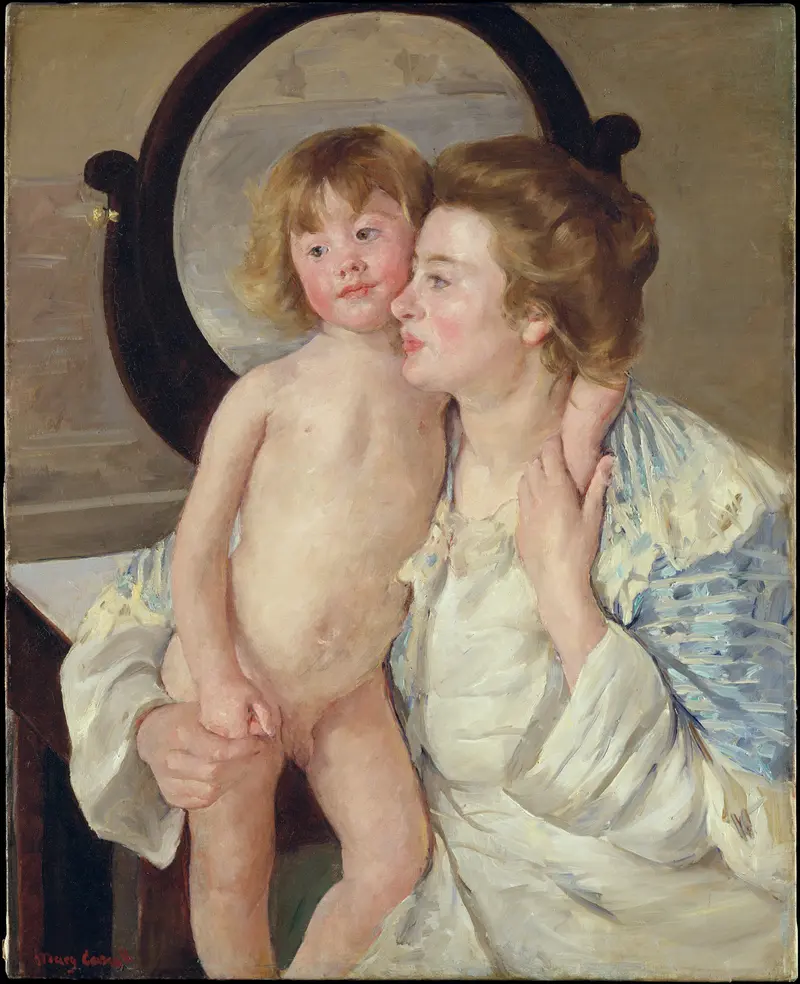
Mother and Child (The Oval Mirror)
Mary Cassatt
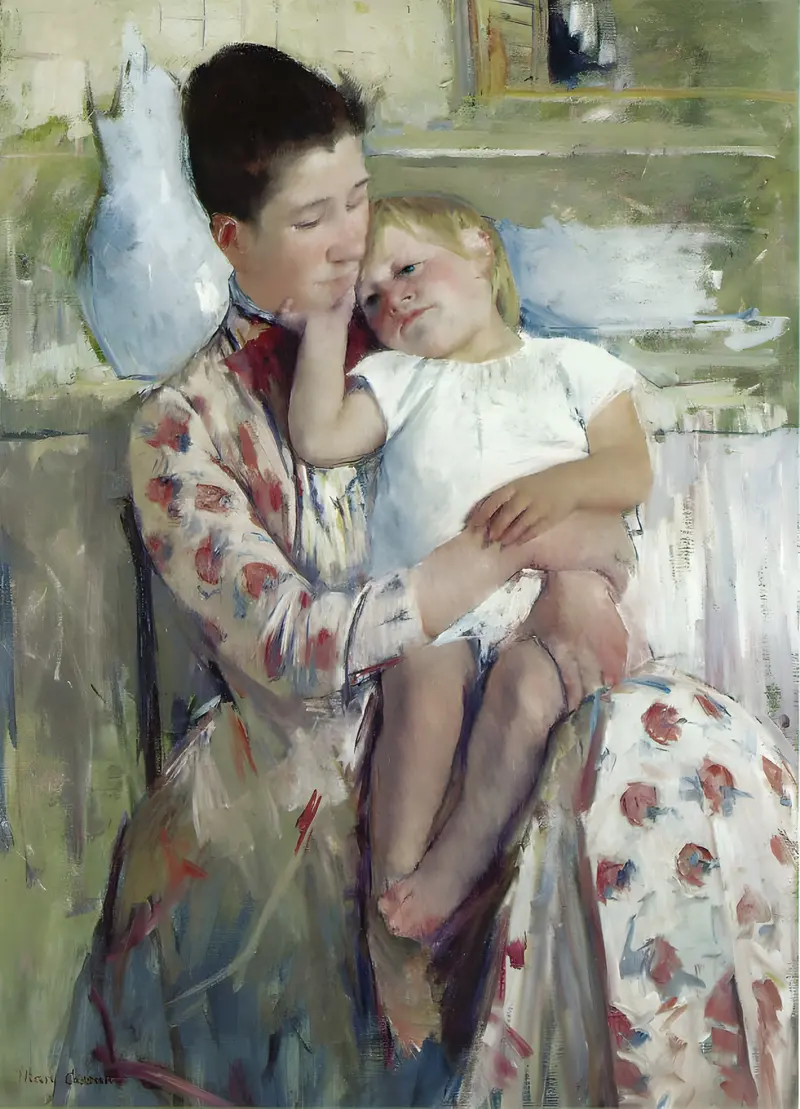
Mother and Child
Mary Cassatt
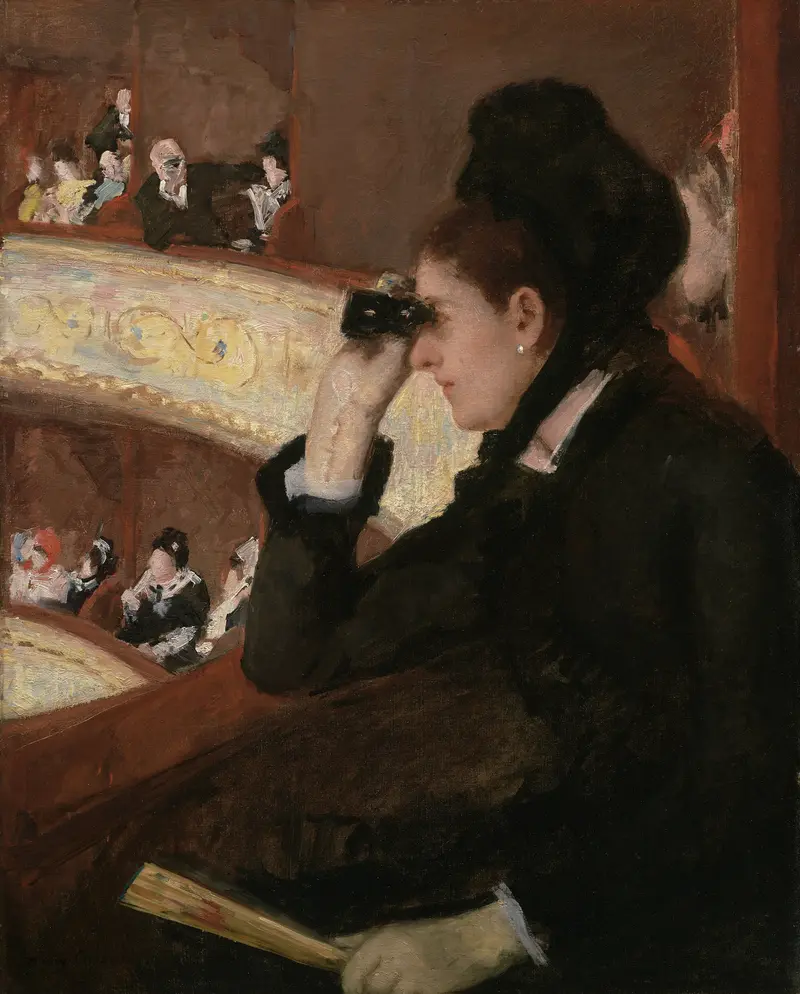
In The Loge
Mary Cassatt
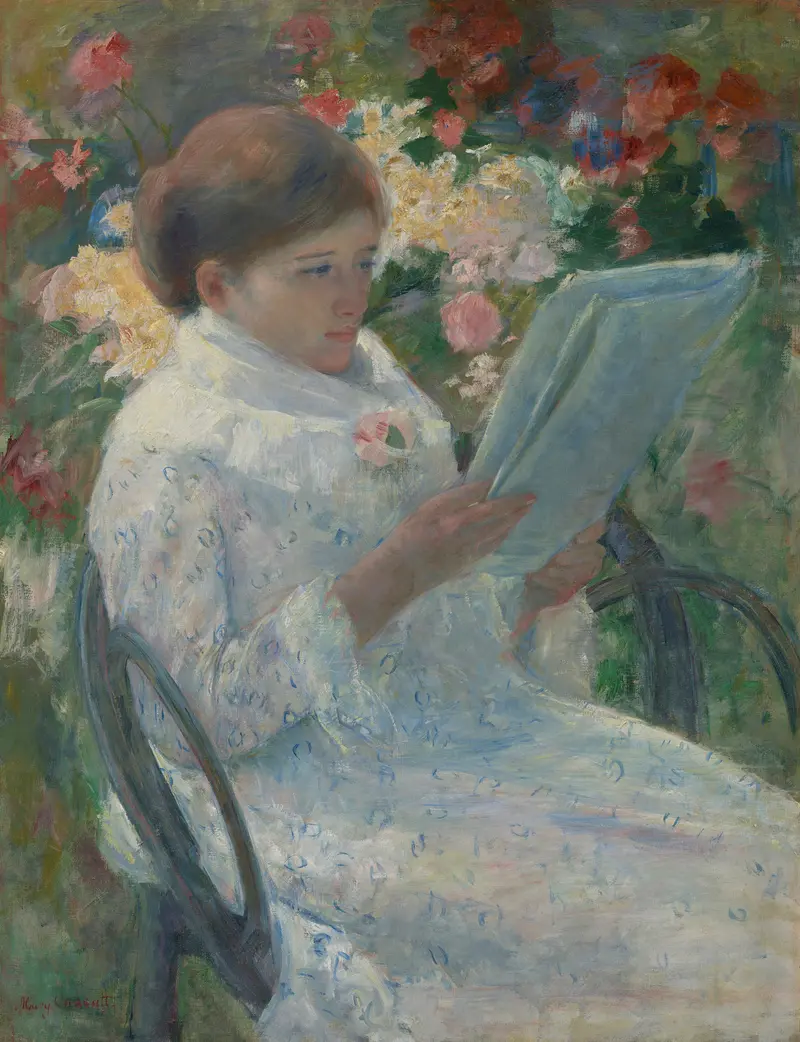
On a Balcony
Mary Cassatt





