
Young Boy in Profile — History & Facts
Few paintings by Frans Hals have sparked as much discussion among art historians as Young Boy in Profile, largely because the identity of its sitter remains a mystery. Unlike many of Hals’s commissioned portraits of Haarlem’s wealthy citizens, this work stands apart: there is no known patron, no family name attached, and no record in the artist’s lifetime inventories. This anonymity, paired with the painting’s intimate scale and informal pose, has led some to speculate that it may have been a study or a personal experiment rather than a formal commission. The painting captures a fleeting moment: a young boy, turned in sharp profile, gazes intently at something beyond the edge of the canvas.
His tousled hair and simple clothing suggest he is not of the elite, and the absence of props or background detail focuses all attention on the lively expression and the quick, confident brushwork. The light falls across his cheek and nose, highlighting the immediacy of the encounter. Unlike the solemnity of Rembrandt’s child portraits, here Hals’s loose, energetic strokes animate the boy’s features, suggesting a sense of movement and presence.
This approach aligns with Hals’s reputation for painting “as if he had dashed it off in one breath,” as an early 18th-century critic observed. The physical history of Young Boy in Profile is as elusive as its subject. Its medium remains uncertain—possibly oil on panel, as was common in the Dutch Republic around 1630—but no documentation survives from the period. The painting’s provenance before the 19th century is unknown; it surfaced in a private collection and has since passed through several hands, sometimes attributed to pupils of Hals before consensus settled on the master himself.
Today, it is recognized as a fine example of Frans Hals’s informal portraiture, a testament to his ability to capture life in a single, unguarded glance.
More Artworks by Frans Hals

Banquet of the Officers of the St George Civic Guard
Frans Hals

Portrait of Jacob Pietersz Olycan (1596-1638)
Frans Hals
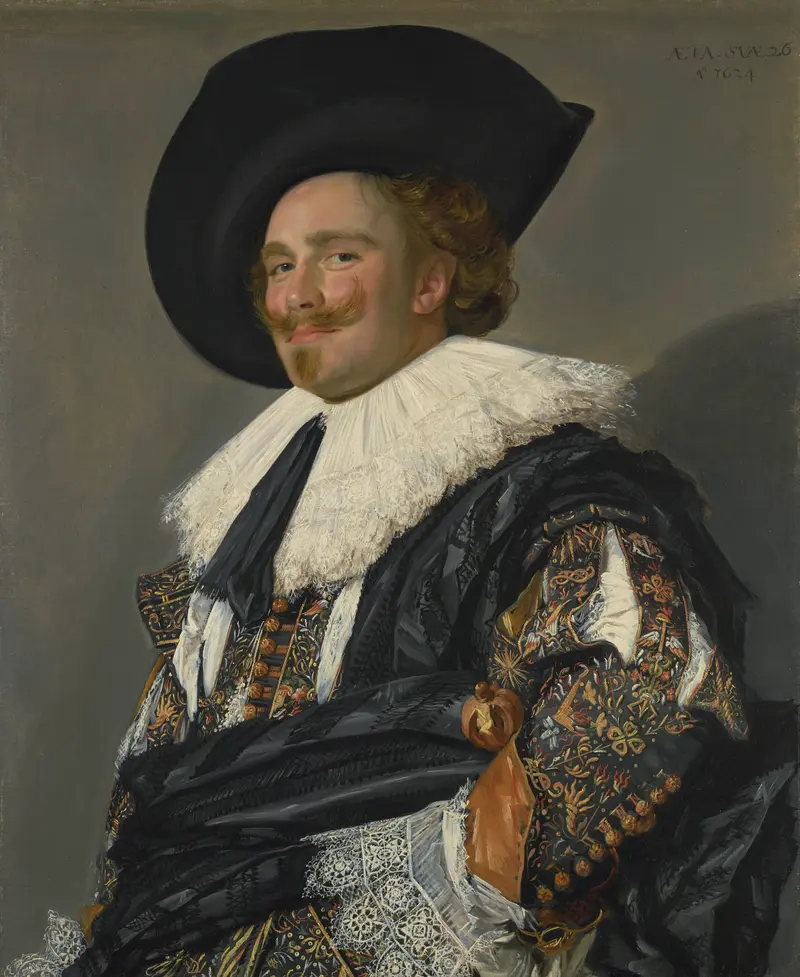
Laughing Cavalier
Frans Hals

Militia Company of District XI under the Command of Captain Reynier Reael, Known as ‘The Meagre Company’
Frans Hals
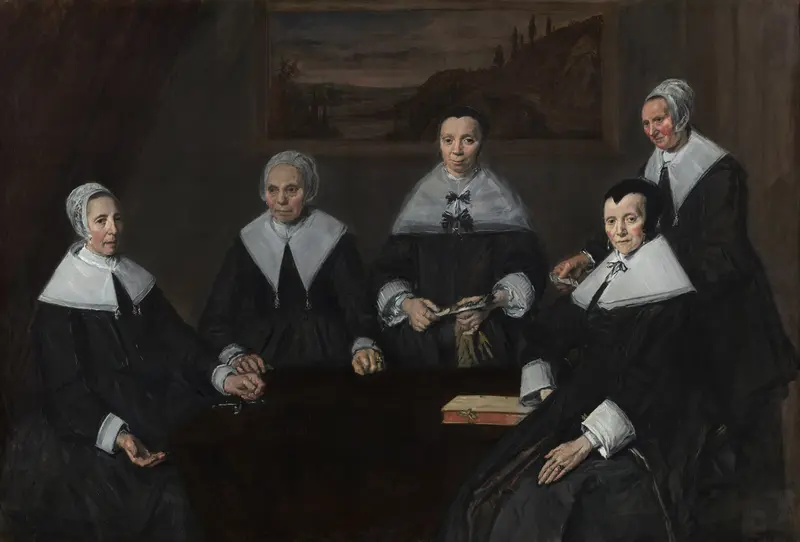
Regentesses of the Old Men's Alms House
Frans Hals
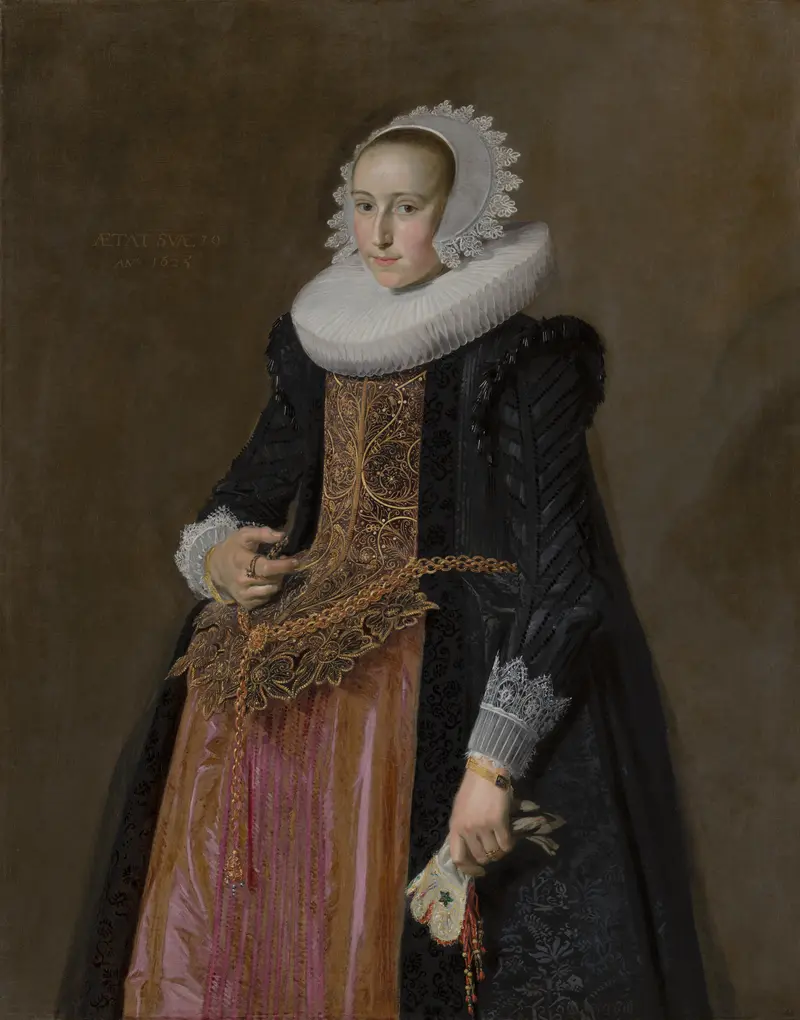
Portrait of Aletta Hanemans (1606–1653)
Frans Hals
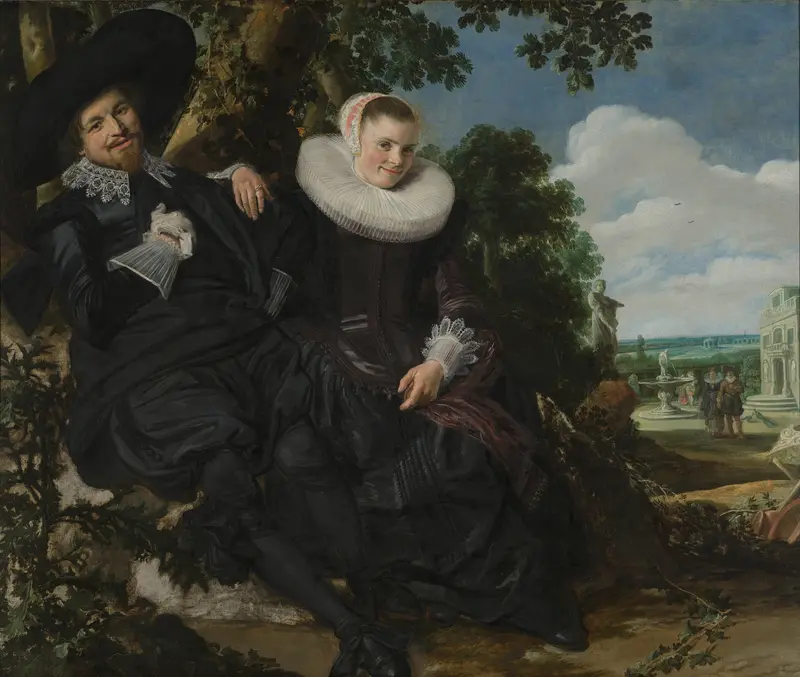
Portrait of a Married Couple, Likely Isaac Abrahamsz Massa and Beatrix van der Laen
Frans Hals
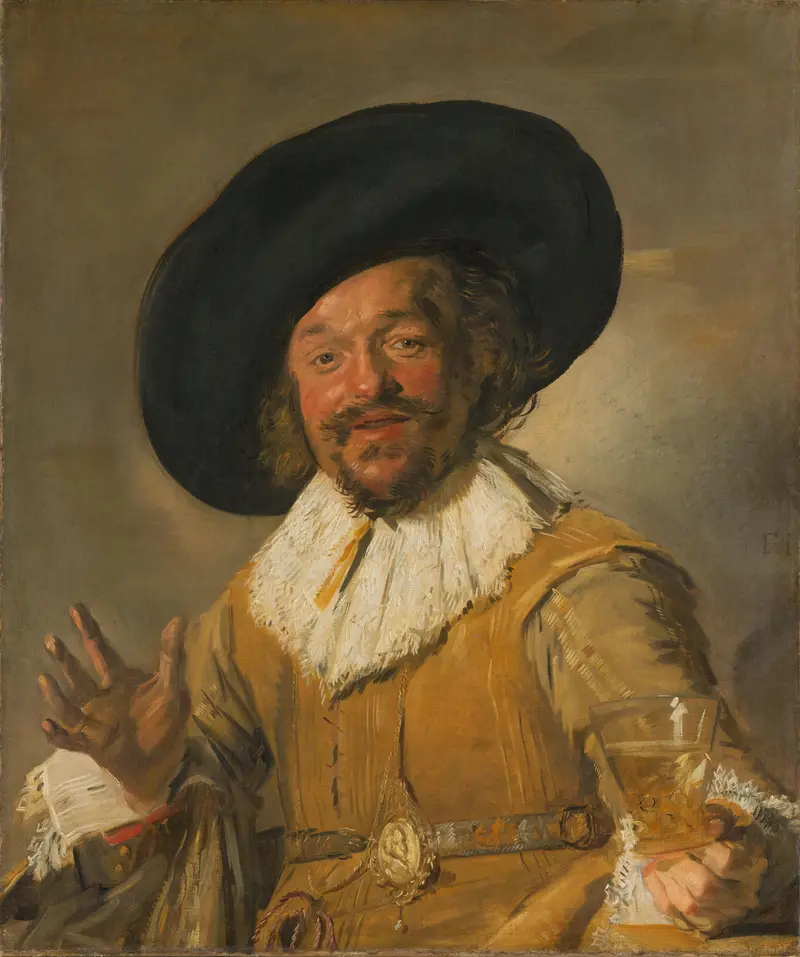
The Merry Drinker
Frans Hals
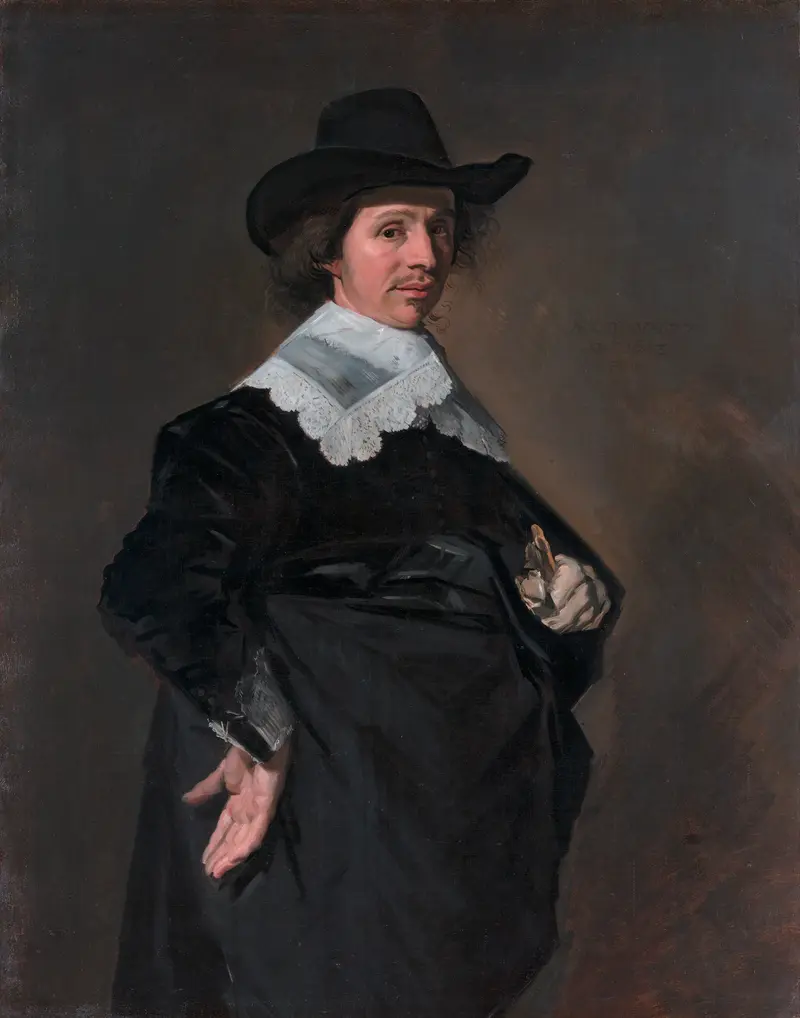
Portrait of Paulus Verschuur
Frans Hals
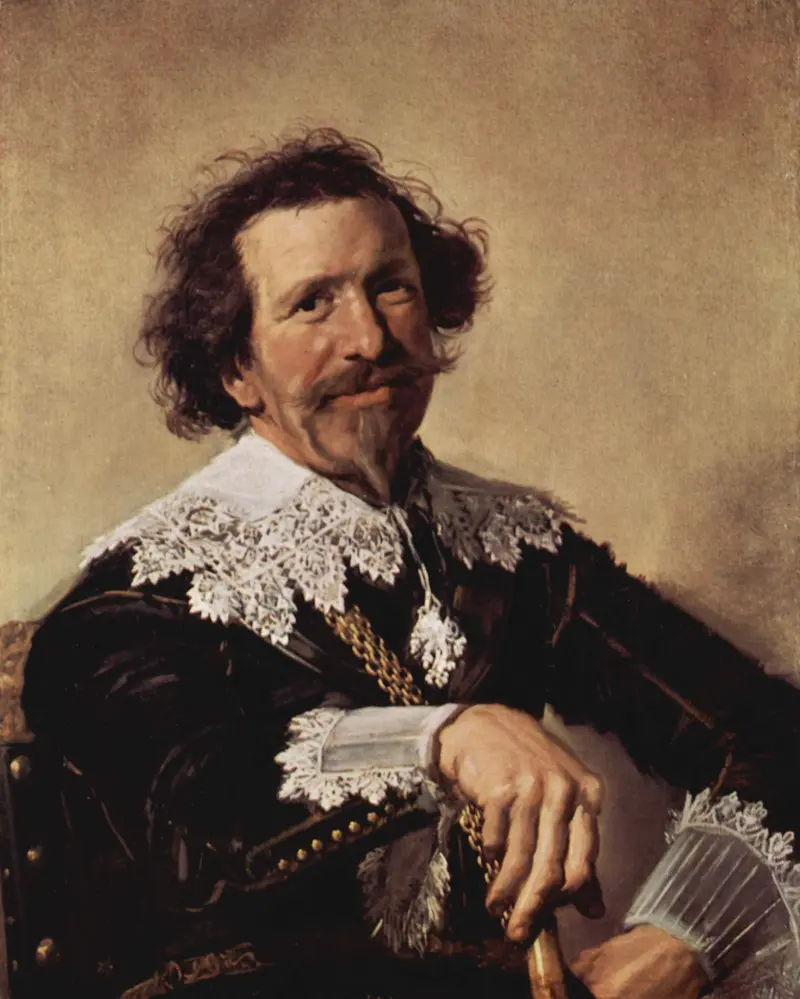
Portrait of Pieter van den Broecke
Frans Hals





