
Young Woman Reading — History & Facts
When Young Woman Reading first entered the public eye, it sparked immediate curiosity: who was this absorbed, anonymous sitter, and why did Jean-Honoré Fragonard—famed for his flirtatious, rococo fantasies—choose such an intimate, solitary moment? Unlike his more famous commissions for Madame du Barry, this painting was never documented in any royal inventory or salon exhibition, and its subject’s identity remains a mystery. Scholars have long debated whether she was a relative, a patron, or perhaps simply an idealized figure, conjured from the artist’s imagination. The work stands out in Fragonard’s career for its quietness, a rare pause amid the exuberance of his usual scenes.
Its popularity has only grown over time, inspiring countless copies and even a postage stamp in France. A young woman, dressed in a vibrant saffron gown with violet ribbons, sits in profile, utterly absorbed in the pages of a small book. Her world is bounded by the soft curve of her chair and the gentle illumination falling across her face and bodice, highlighting the texture of her ruffled collar and the delicate folds of her dress. There is no narrative beyond the act of reading itself, yet the painting suggests a private drama: the book’s contents are hidden from us, inviting speculation about romance, philosophy, or poetry.
Unlike the moralizing scenes of Chardin or the didactic lessons of Greuze, Fragonard offers no overt message—only the silent communion between reader and text. The yellow of her dress, unusually bold for the period, draws the eye and signals both individuality and warmth. The history of Young Woman Reading as an object is as enigmatic as its sitter. The painting’s early provenance is undocumented; it surfaced in the 19th century, when it was attributed to Fragonard by connoisseurs who recognized his loose, fluid brushwork.
It has since passed through private collections and now resides in the National Gallery of Art in Washington, D.C., where it is celebrated as a highlight of French Rococo. The work marks a turning point in Fragonard’s career, as he shifted from grand mythological scenes to more personal, domestic subjects. Today, it stands as one of his most beloved images, a testament to the quiet pleasures of reading and the enduring mysteries of art.
More Artworks by Jean-Honoré Fragonard

The Swing
Jean-Honoré Fragonard

The Swing
Jean-Honoré Fragonard

A Young Girl Reading
Jean-Honoré Fragonard

The Lock
Jean-Honoré Fragonard

The Triumph of Venus
Jean-Honoré Fragonard

A Game of Hot Cockles
Jean-Honoré Fragonard
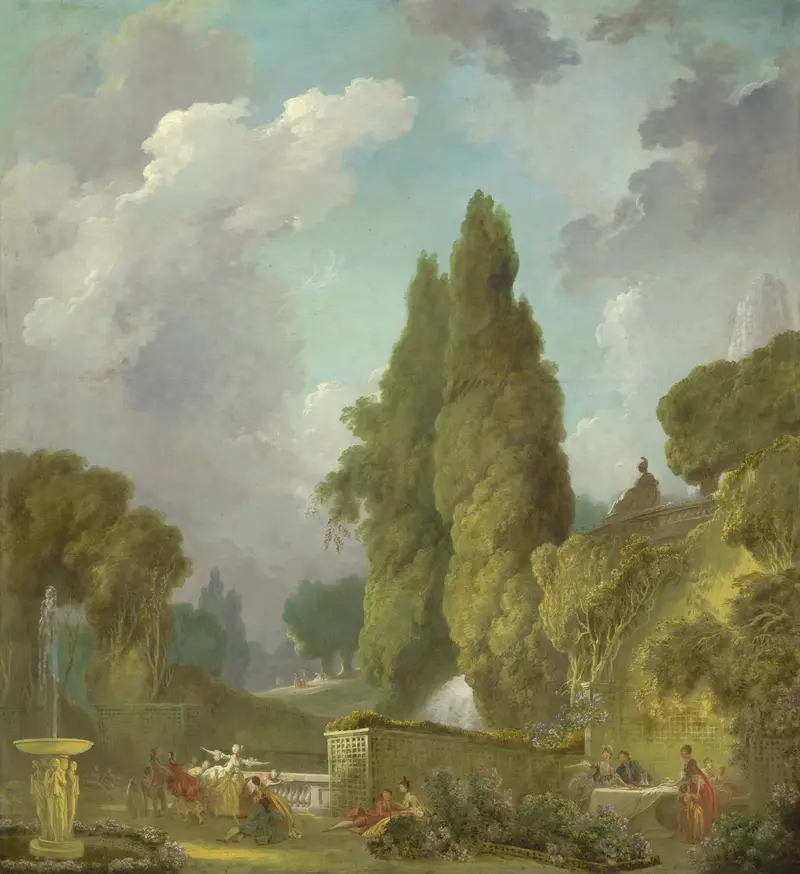
Blindman’s Buff
Jean-Honoré Fragonard
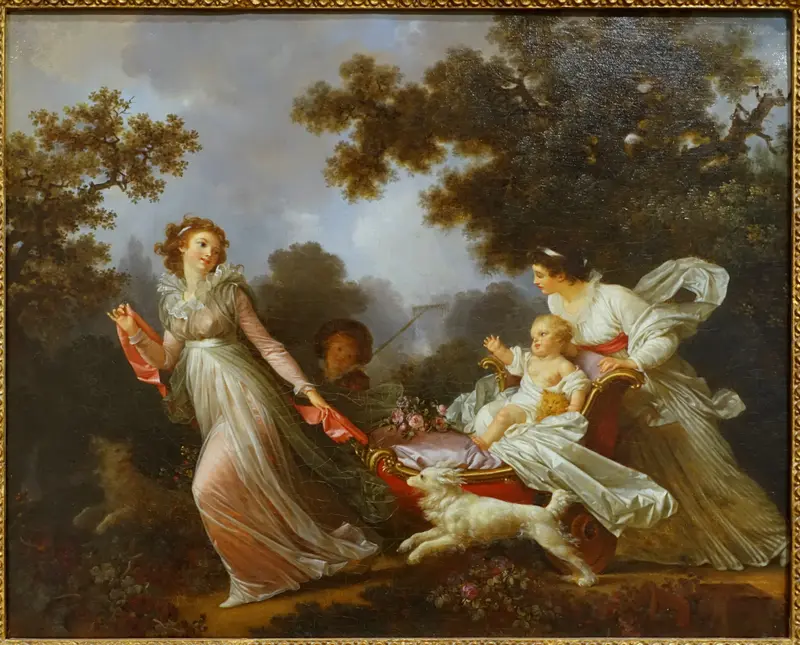
The Beloved Child
Jean-Honoré Fragonard
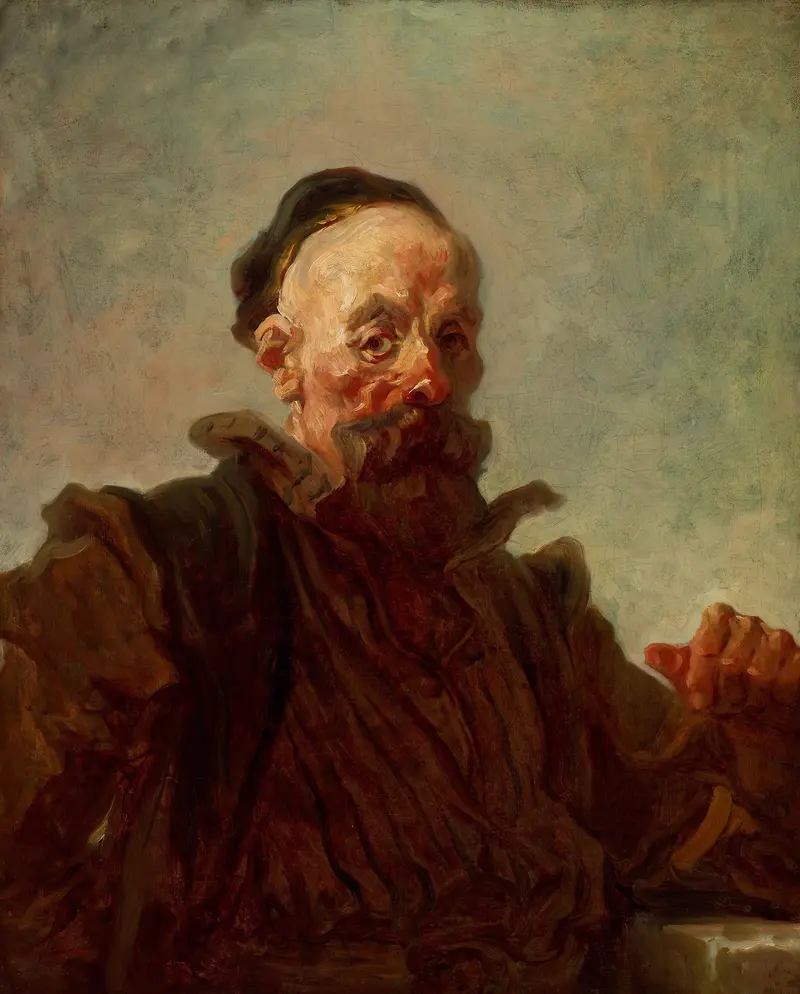
Portrait of a Man in Costume
Jean-Honoré Fragonard
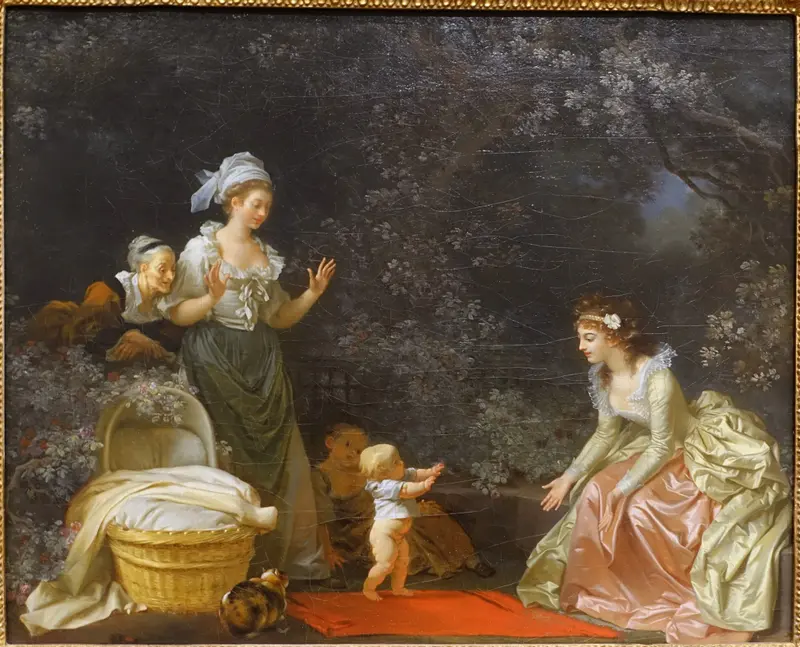
The First Steps
Jean-Honoré Fragonard
More Genre Scene Art

Banquet of the Officers of the St George Civic Guard
Frans Hals

Rembrandt and Saskia in the Scene of the Prodigal Son
Rembrandt van Rijn

Bal du moulin de la Galette
Pierre-Auguste Renoir

Quadrille at the Moulin Rouge
Henri de Toulouse-Lautrec

A Burial at Ornans
Gustave Courbet

When Will You Marry?
Paul Gauguin