
Zebulun — History & Facts
Few commissions in 17th-century Spain were as ambitious as the series of Jacob and his sons painted by Francisco de Zurbarán for the New World. In 1645, the city of Seville sent these works—twelve portraits of the patriarchs of Israel—to Lima, Peru, intended to decorate the Cathedral and assert the reach of Spanish Catholicism across the Atlantic. Yet, curiously, the paintings never reached their destination: they remained in Seville, and over centuries, the series was scattered, with Zebulun surviving as one of the rare intact pieces. In Zebulun, Zurbarán selects a moment of quiet dignity rather than action.
The patriarch, one of Jacob’s lesser-known sons, stands alone, his gaze turned slightly away, as if contemplating the future promised in Genesis: "Zebulun shall dwell at the haven of the sea." Zurbarán dresses him in sumptuous, vaguely oriental robes, with a chain across his chest and a staff in hand—symbols of authority and pilgrimage. The light, falling from the left, carves the figure from darkness, lending a sculptural solidity reminiscent of Caravaggio’s influence, yet with Zurbarán’s own restraint and gravity. Unlike the animated, narrative approach of Rembrandt in his biblical scenes, Zurbarán’s Zebulun is silent, monumental, a figure of faith and destiny. The painting’s journey is as enigmatic as its subject.
While some of the series’ works have been lost or misattributed, Zebulun has been preserved in Spanish collections, its provenance largely unbroken since the 17th century. As with much of Zurbarán’s output, attribution was never in doubt: his signature style—broad, clear forms and a meditative stillness—marks the canvas unmistakably. Today, Zebulun stands as a testament to Zurbarán’s ability to blend Spanish realism with biblical grandeur, and as a rare survivor of a project meant to bridge two continents and two worlds.
More Artworks by Francisco de Zurbarán
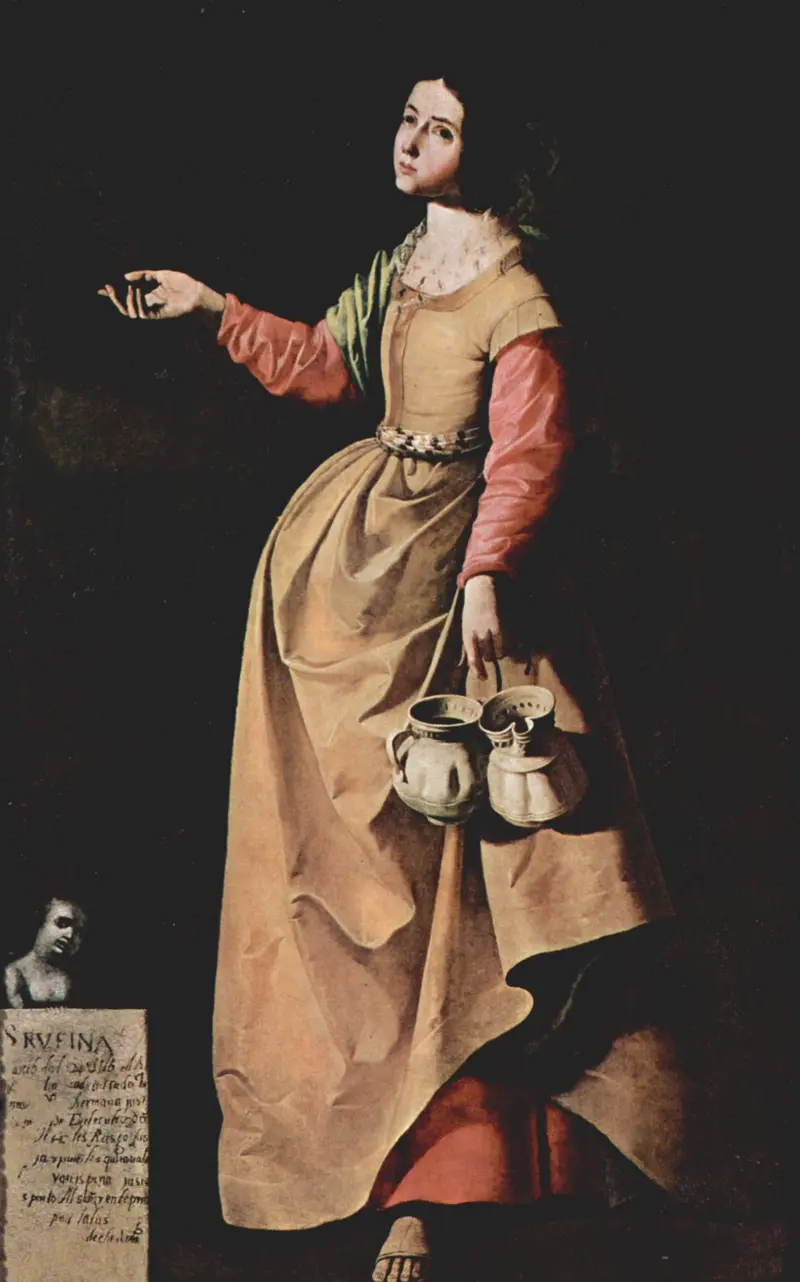
Saint Rufina
Francisco de Zurbarán
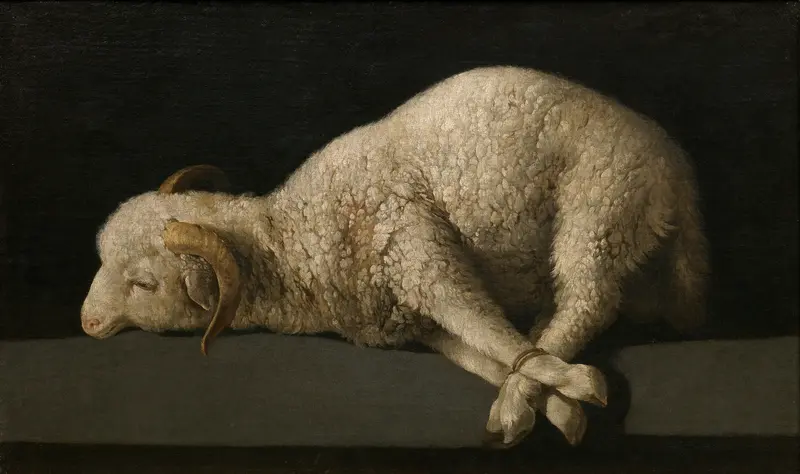
Agnus Dei
Francisco de Zurbarán
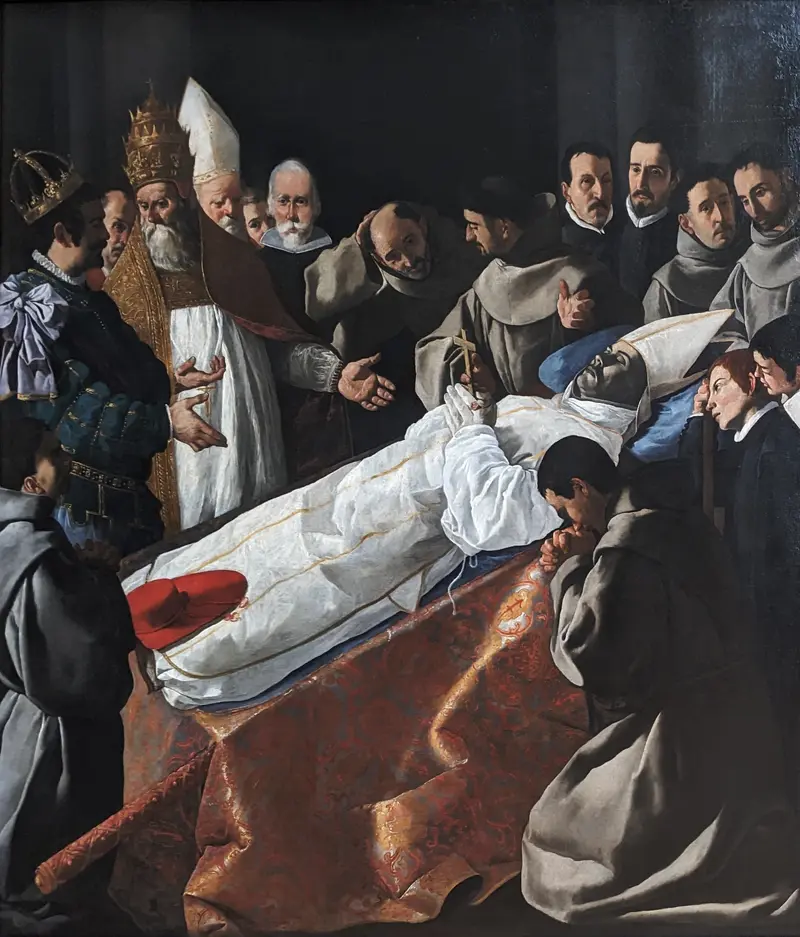
Saint Bonaventure's Body Lying in State
Francisco de Zurbarán
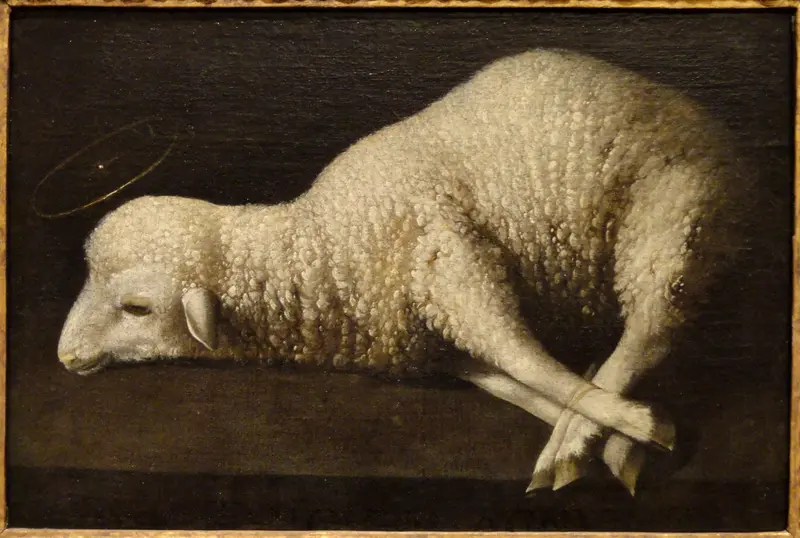
The Lamb of God
Francisco de Zurbarán

Adoration of the Magi
Francisco de Zurbarán
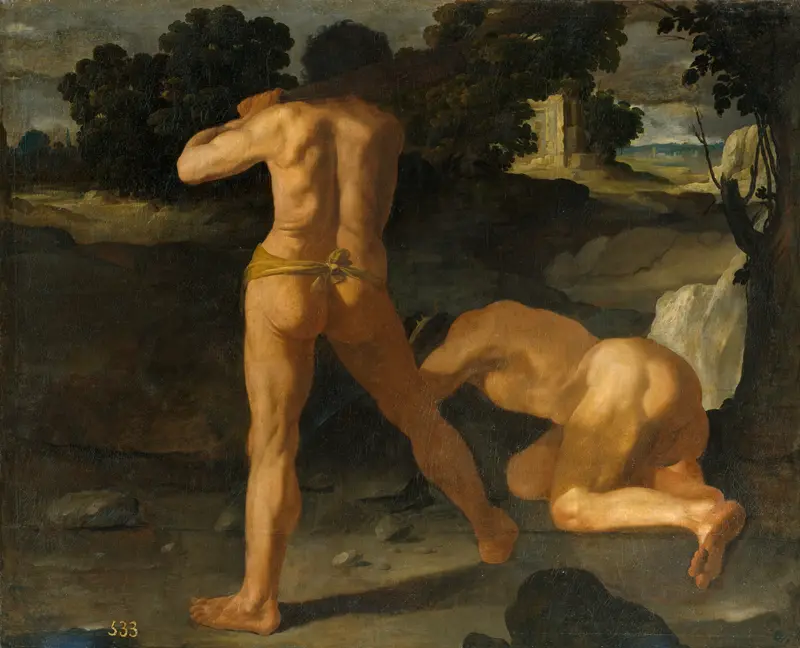
Hercules defeats King Geryon
Francisco de Zurbarán
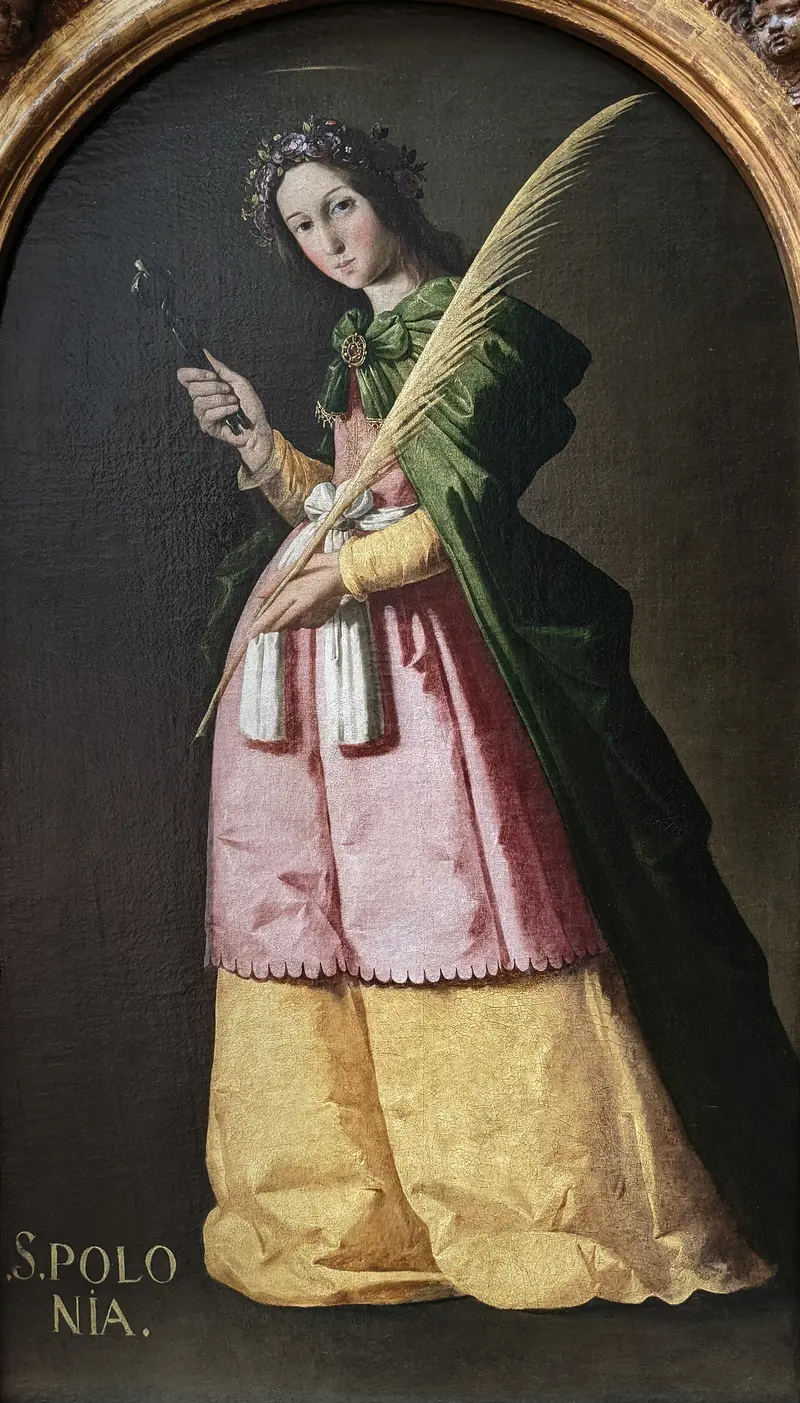
Saint Apollonia
Francisco de Zurbarán
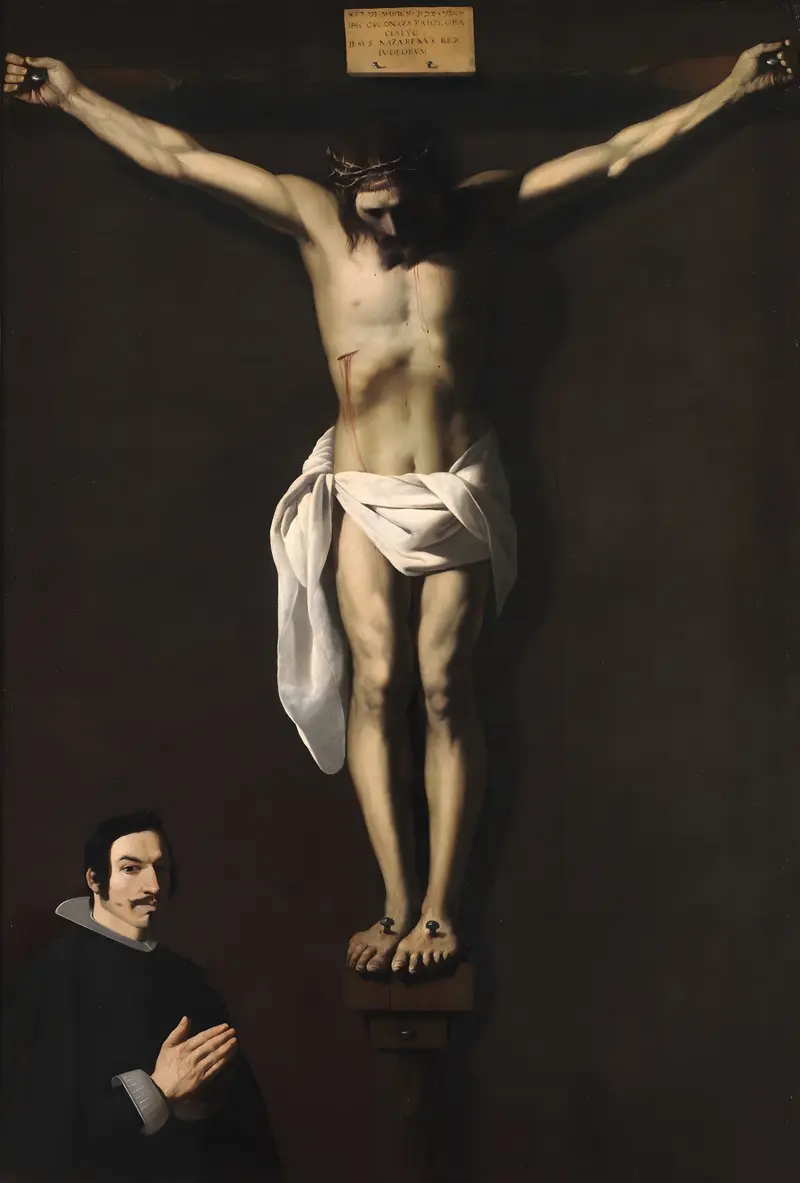
The Crucified Christ with a Donor
Francisco de Zurbarán
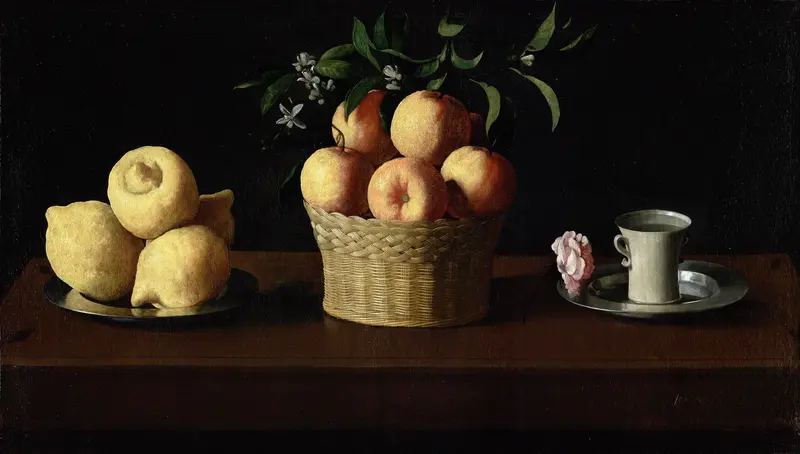
Still Life with Lemons, Oranges and a Rose
Francisco de Zurbarán
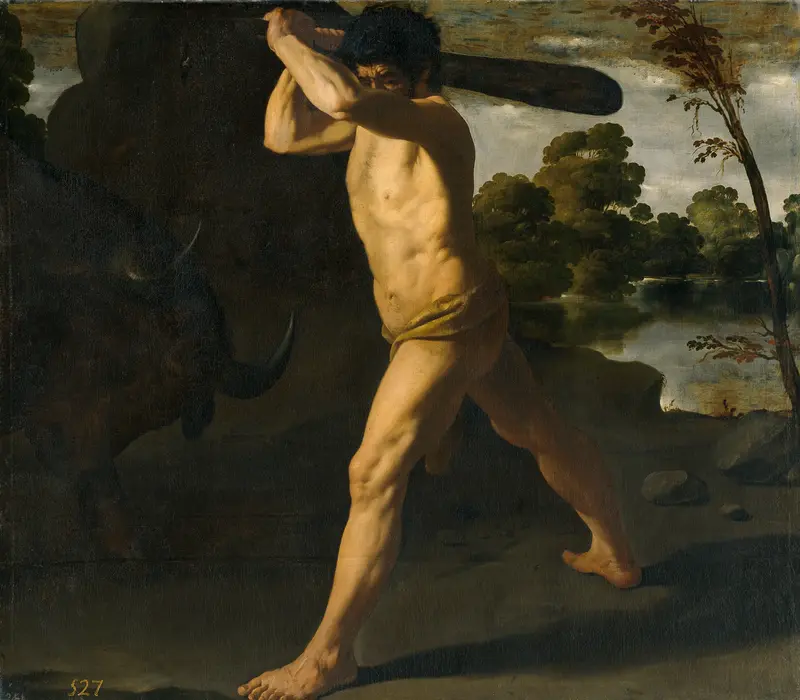
Hercules and the Cretan Bull
Francisco de Zurbarán





