
A Mermaid — History & Facts
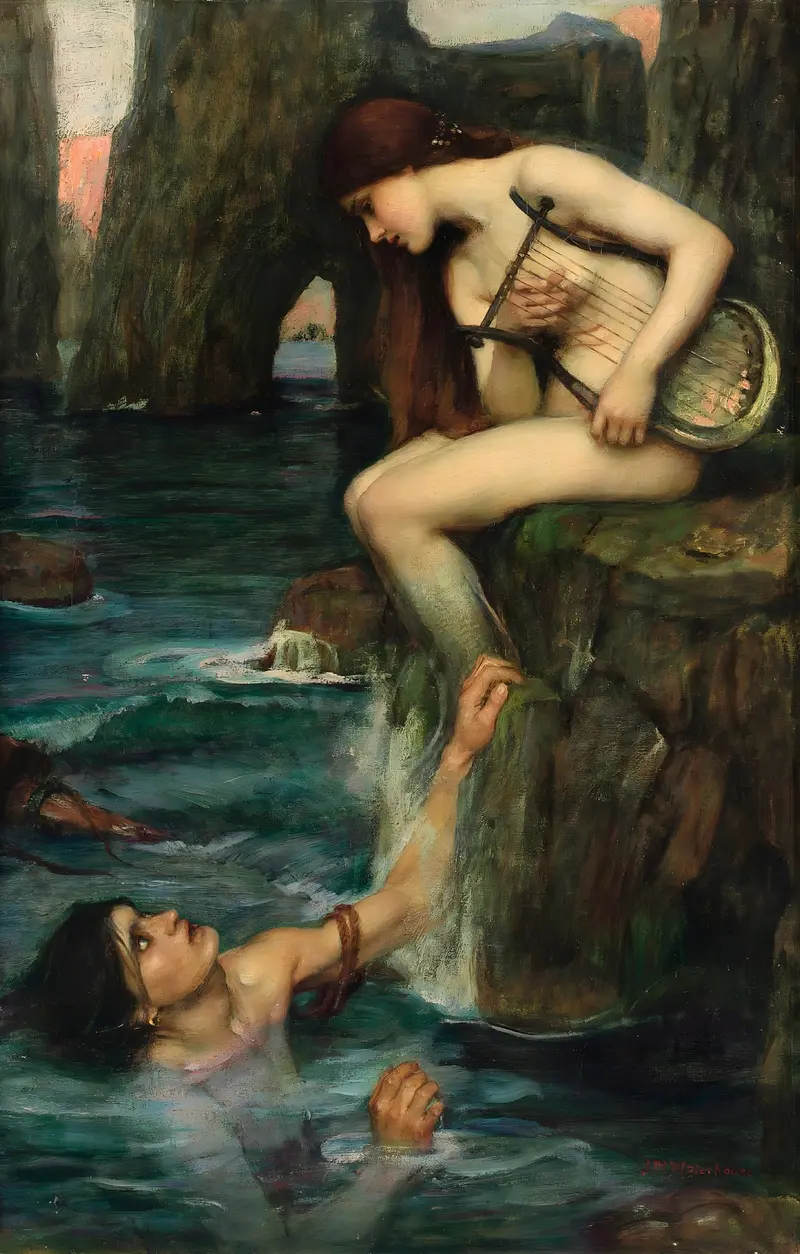
What first catches the eye in A Mermaid is not the shimmer of the tail or the wildness of the sea, but the quiet, almost private act of the mermaid combing her copper hair. The artist draws you close, inviting you to linger over the intimacy of her gesture: the way her gaze drifts, distant and thoughtful, as if she is listening for something only she can hear. Pearls spill from a shell at her side, their pale glow echoing the foam at the water’s edge, while her long hair—so vividly painted it seems to glint with salt—cascades over her arm and down her scaled flank.
The rocks are slick with seaweed, the pebbles cool and round, and the cliffs behind her rise like a stage curtain, framing this solitary moment between land and sea. Painted in 1900, this work by John William Waterhouse belongs to a world still entranced by myth and the Pre-Raphaelite fascination with the femme fatale. At the turn of the century, artists and collectors alike were drawn to legendary subjects—especially those that blended beauty with danger. The mermaid, half-woman and half-fish, was a favorite symbol of longing and unattainable desire.
While history has kept few traces of this particular painting’s journey, its mood and subject are unmistakably of their time: a late Victorian vision, poised between the rational daylight of the modern world and the lingering, moonlit dreams of folklore. The story, and the spell, remain—waiting in her gaze for the viewer to return.
More Artworks by John William Waterhouse
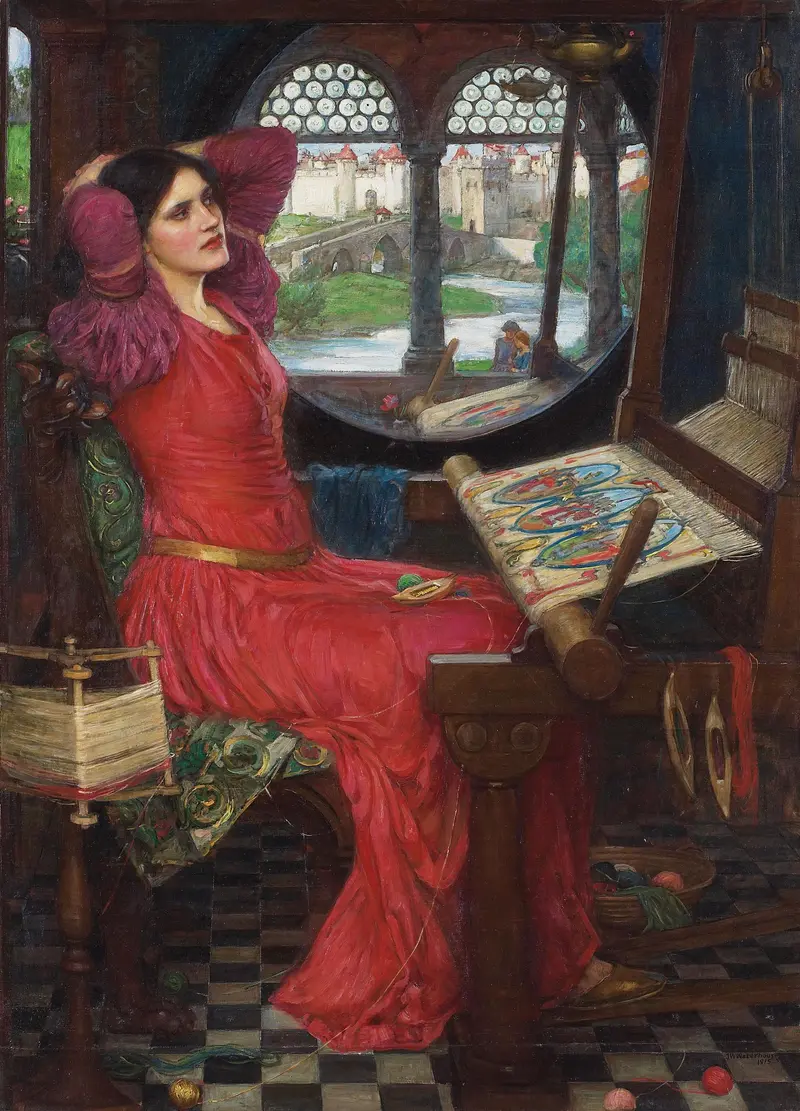
'I Am Half-Sick of Shadows,' Said the Lady of Shalott
John William Waterhouse

The Favourites of the Emperor Honorius, 1883
John William Waterhouse
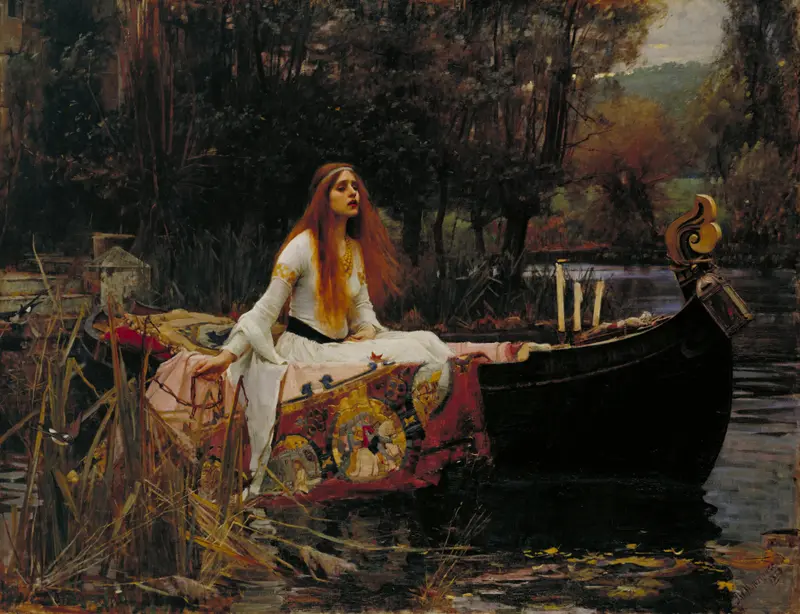
The Lady of Shalott
John William Waterhouse
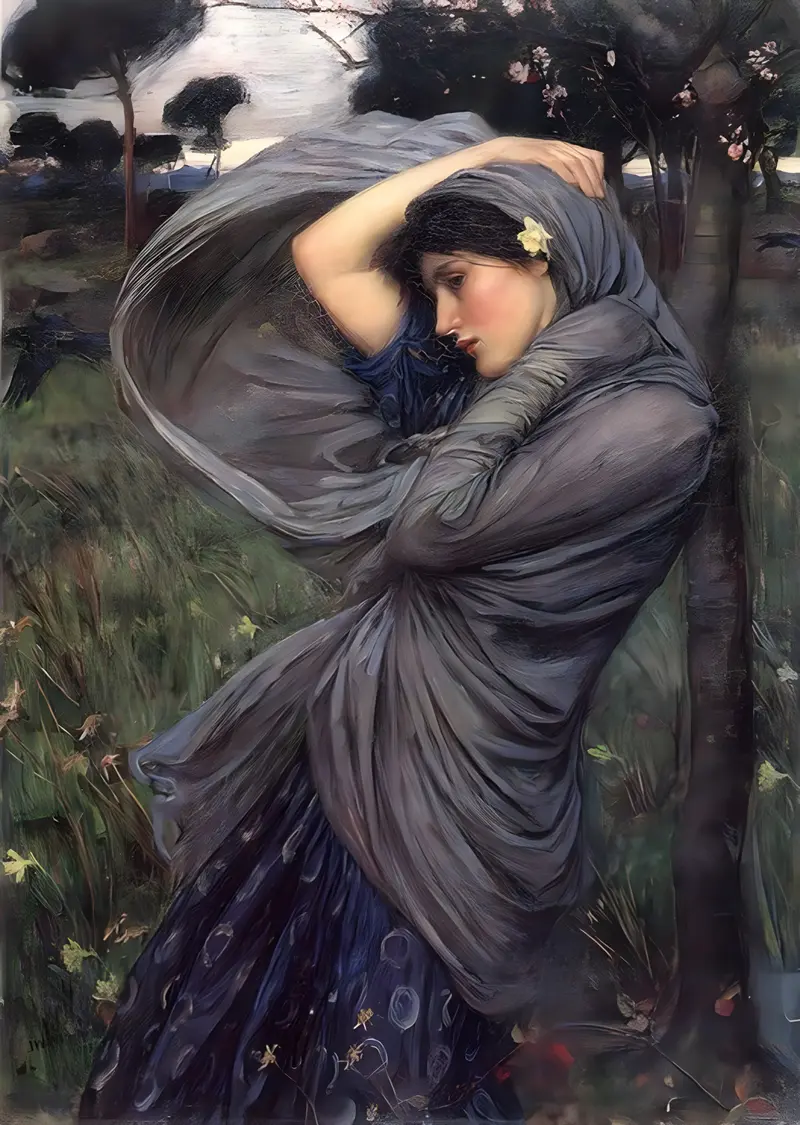
Boreas
John William Waterhouse
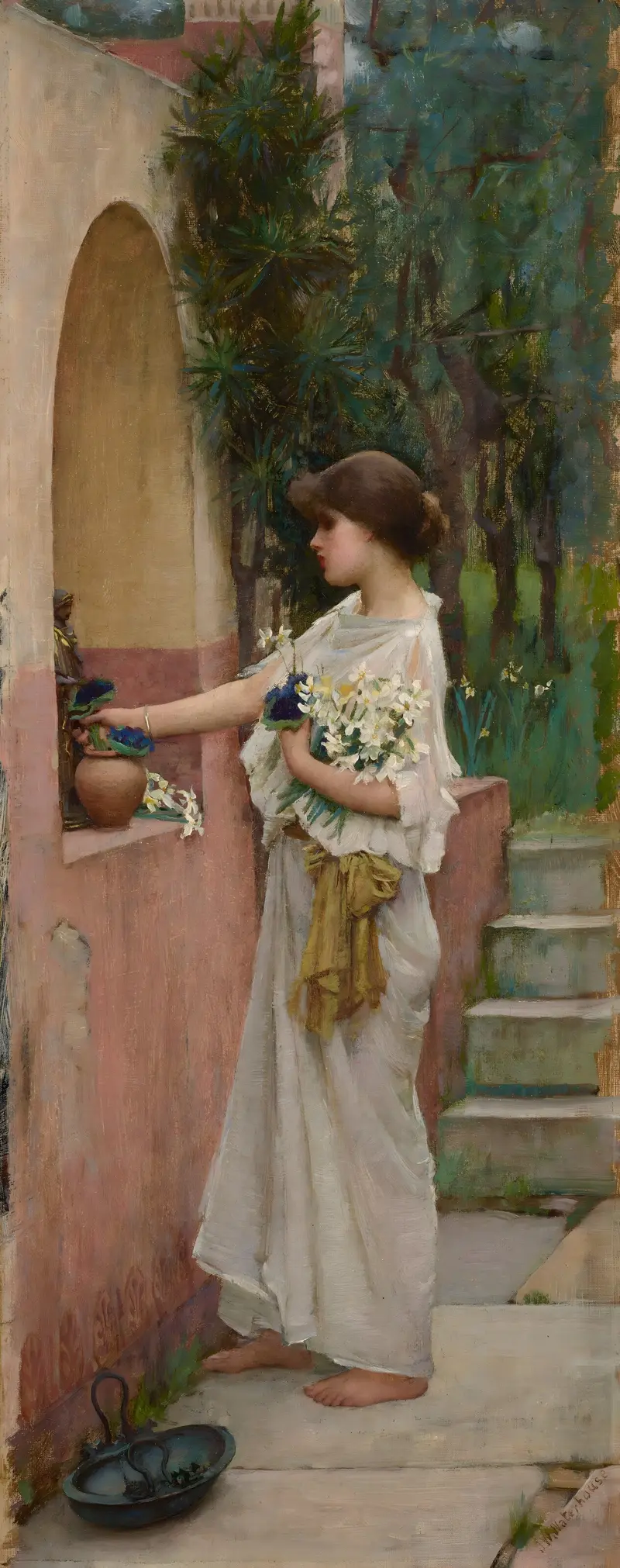
A Roman Offering
John William Waterhouse
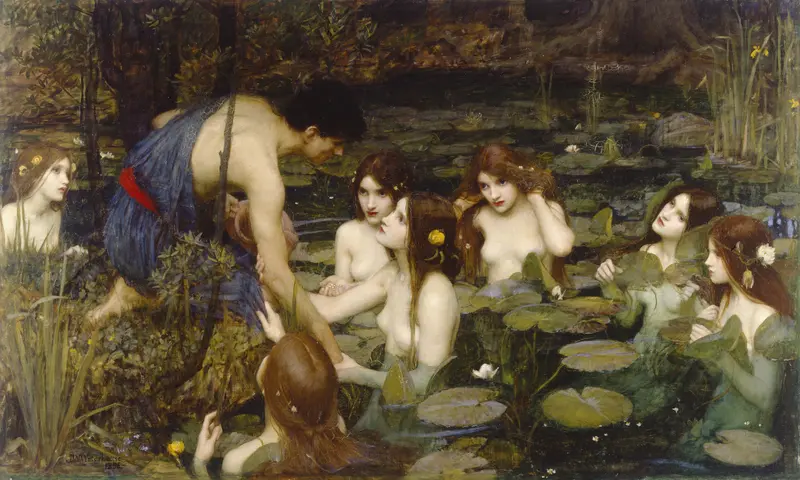
Hylas and the Nymphs
John William Waterhouse
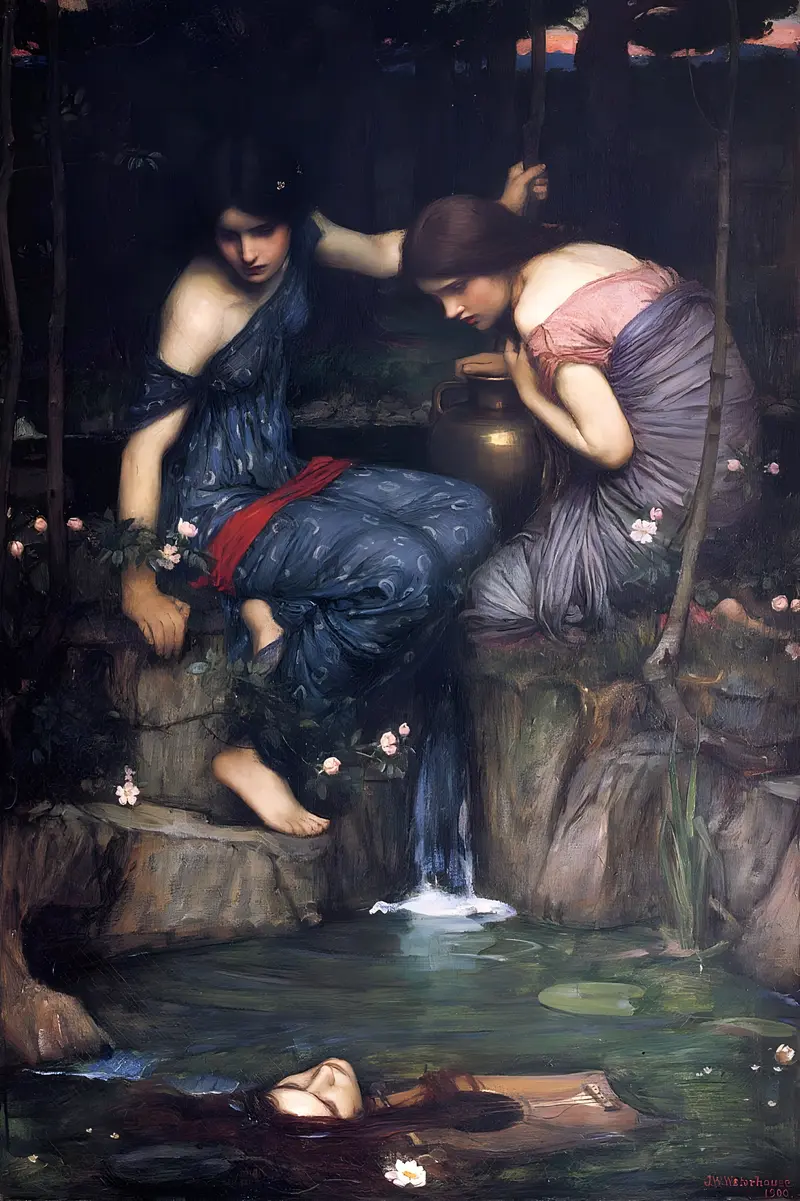
Nymphs Finding the Head of Orpheus
John William Waterhouse
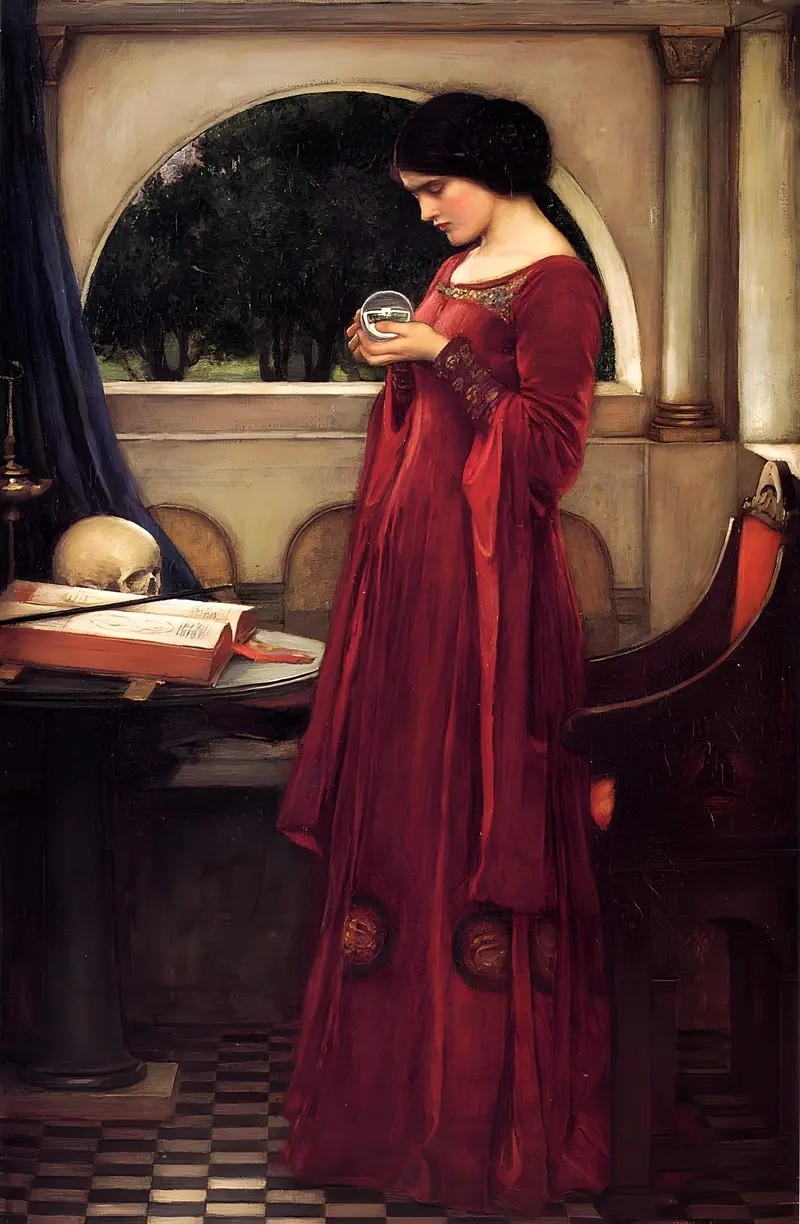
The Crystal Ball
John William Waterhouse
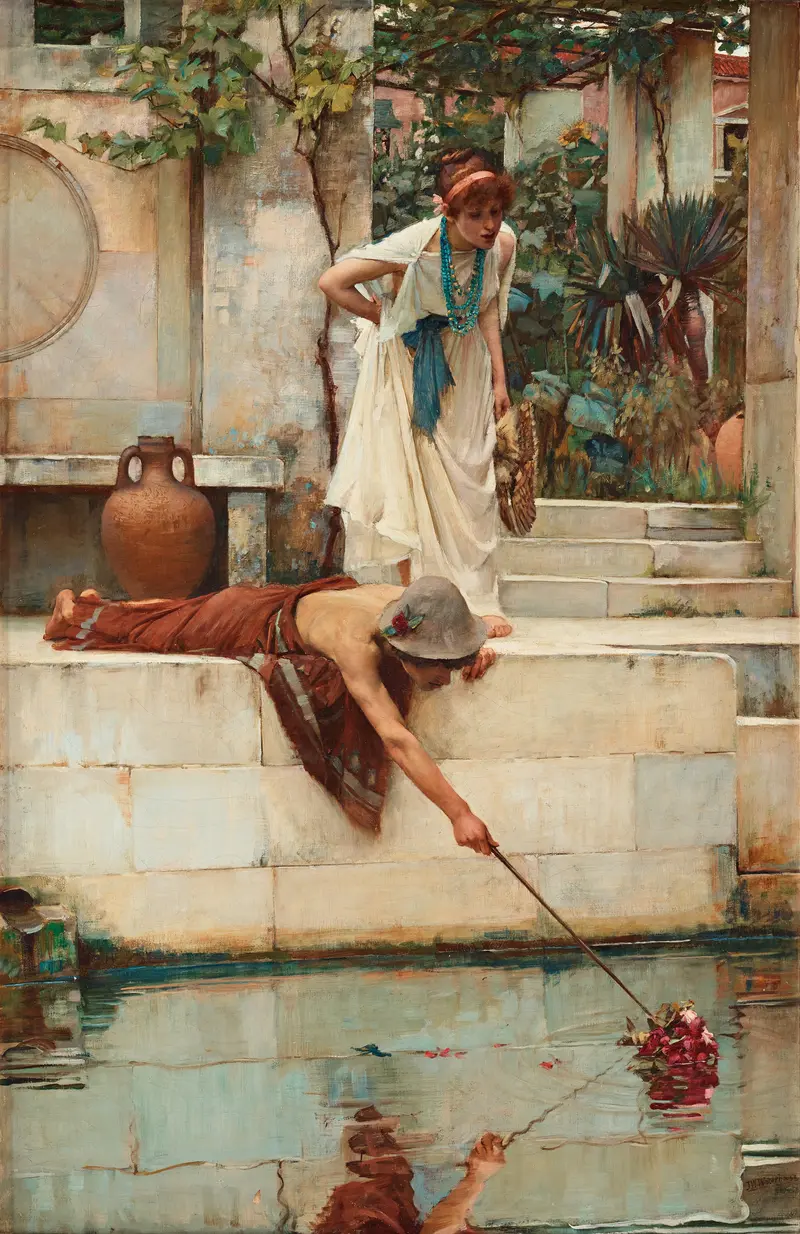
The Rescue
John William Waterhouse
The Siren, 1900
John William Waterhouse





