
After the Deluge — History & Facts
A vast, radiant orb dominates the centre of After the Deluge, painted by George Frederic Watts between 1886 and 1891 in oil on canvas. The composition is organised around a large, circular burst of golden and orange light, which fills most of the canvas and is surrounded by swirling, cloud-like forms. Below the glowing centre, a narrow band of subdued green and brown suggests a distant horizon or landscape, while the lower edge of the painting is marked by a strip of deep red.
The brushwork is loose and atmospheric, with soft transitions between colours and a sense of movement in the cloud forms. After the Deluge takes its subject from the Genesis flood narrative, a theme that is reflected in the title and the overwhelming presence of light, which may allude to the moment of renewal after the biblical flood. The painting’s abstracted treatment avoids specific figures or narrative details, instead focusing on the elemental forces of light, air, and water. The dominance of warm tones in the centre contrasts with the cooler, muted hues at the periphery, creating a visual effect of emergence or revelation.
The technique emphasises luminosity and the dissolution of solid forms, characteristic of Watts’s later symbolic works. This work was created in the late nineteenth century, a period when George Frederic Watts was known for his allegorical and symbolic paintings. The painting is in the Watts Gallery at Compton, Surrey; Watts showed it unfinished in 1886 under the title The Sun and completed it in 1891. The subject and style place it within the broader context of Victorian interest in biblical themes and the exploration of spiritual renewal through landscape and light.
More Artworks by George Frederic Watts
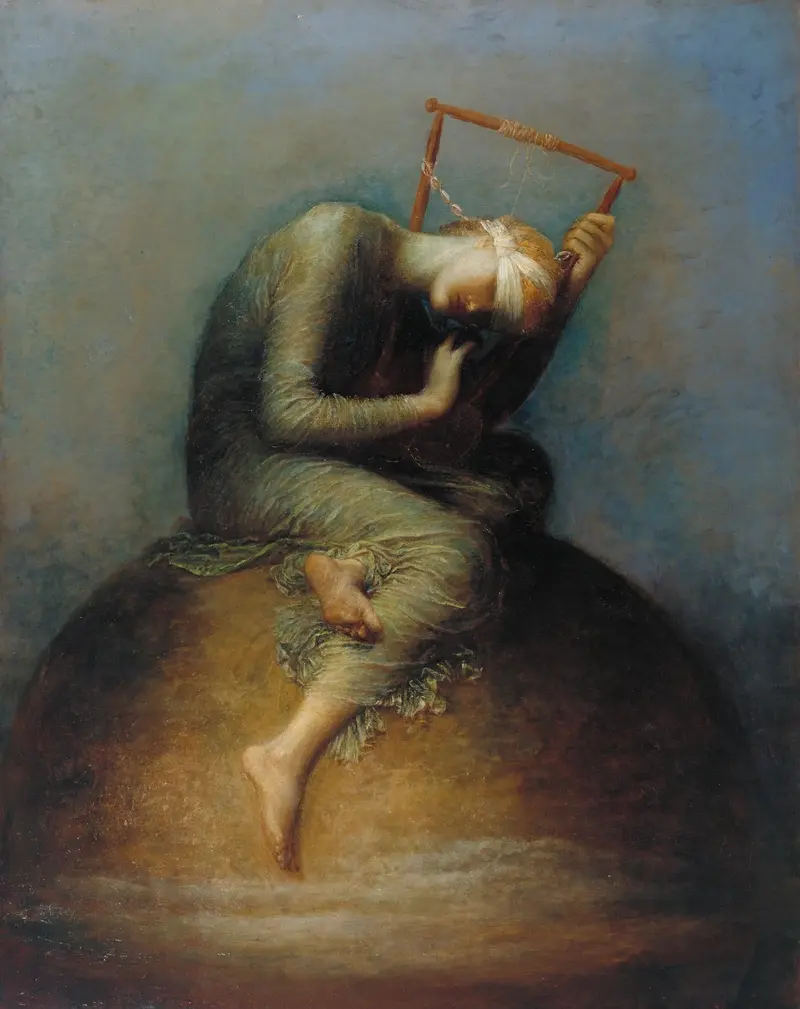
Hope
George Frederic Watts

Sir Galahad
George Frederic Watts
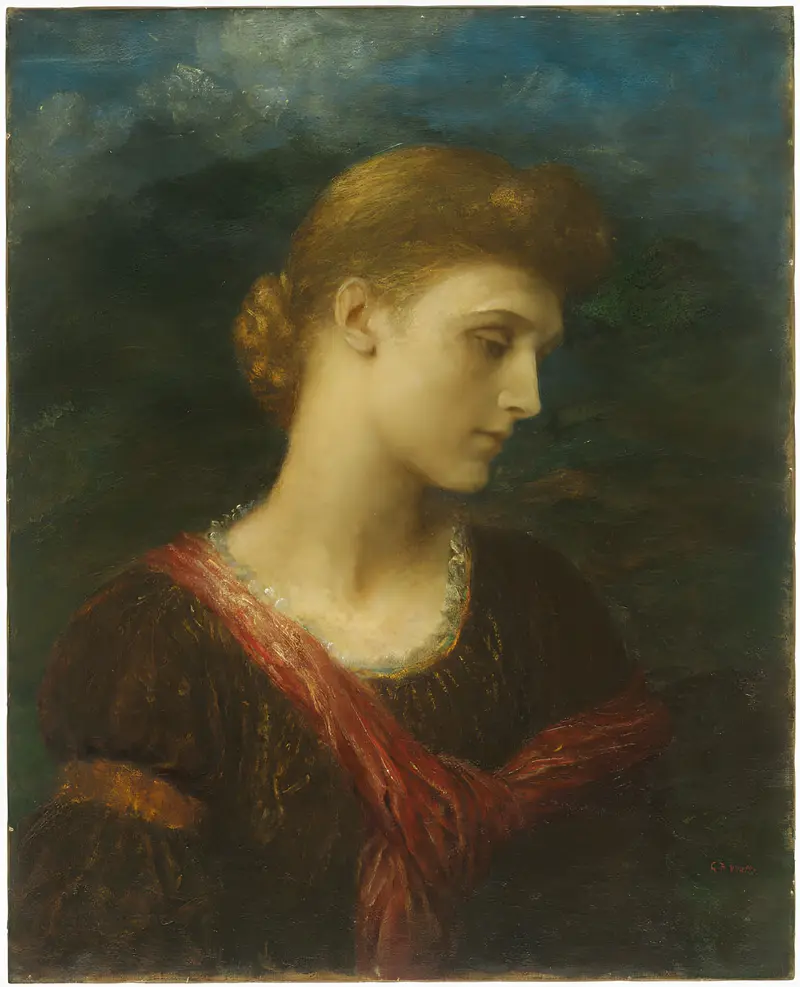
Violet Lindsay
George Frederic Watts
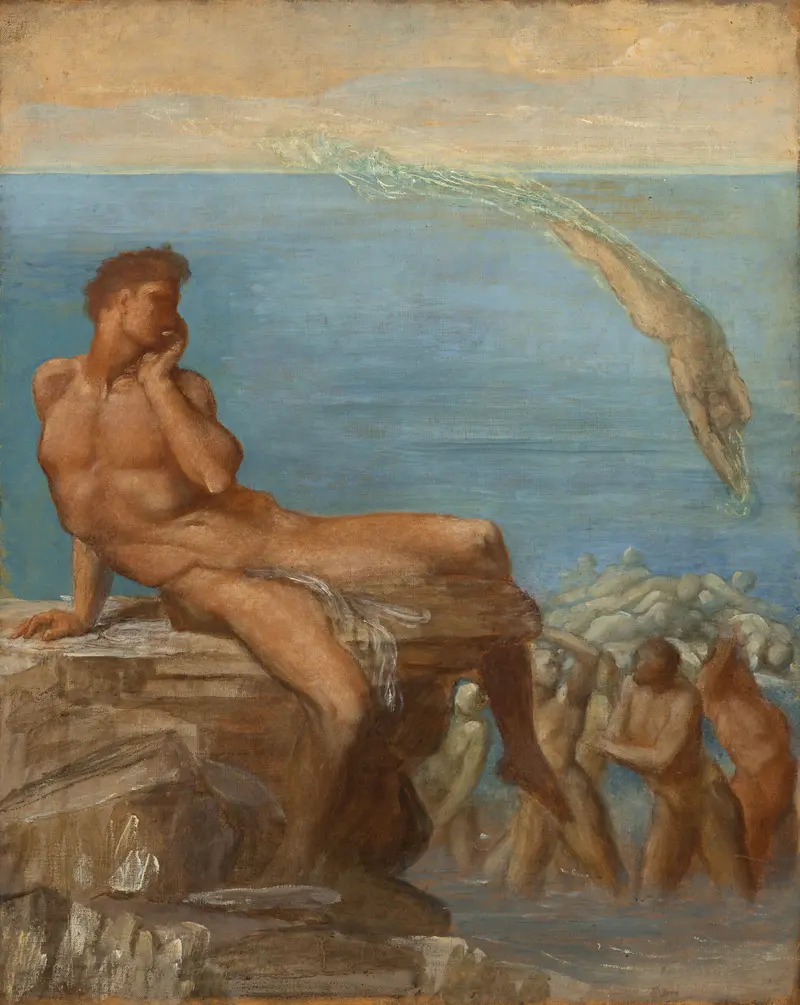
The Genius of Greek Poetry
George Frederic Watts
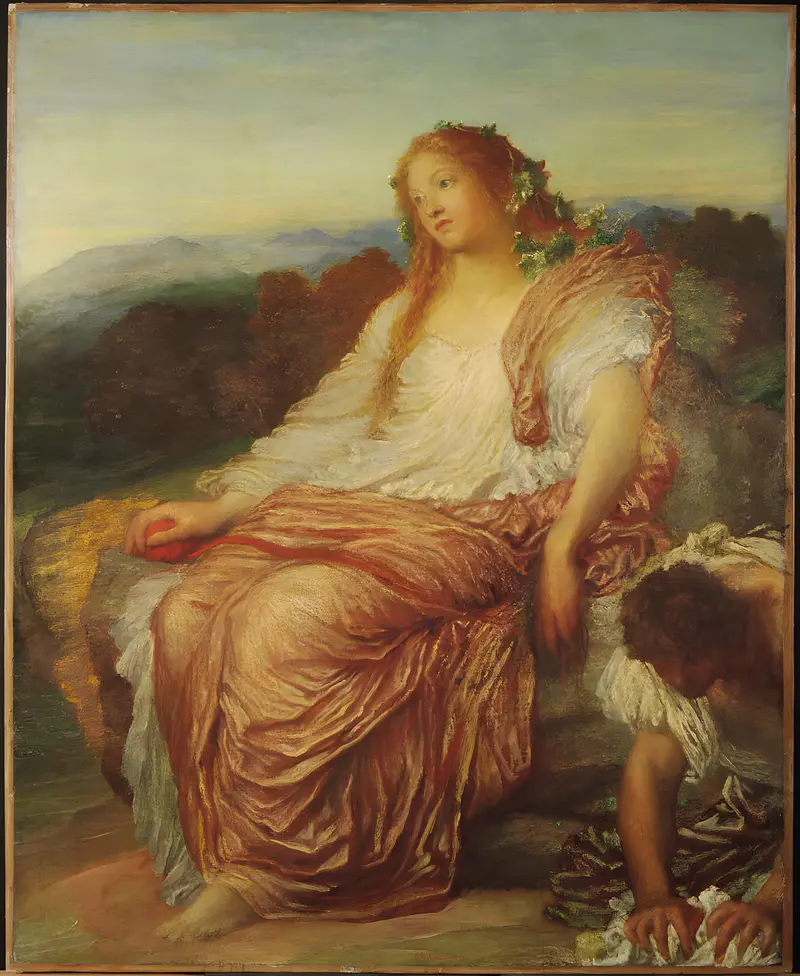
Ariadne
George Frederic Watts
Portrait of a Man
George Frederic Watts
A Bacchanal
George Frederic Watts
The Creation of Eve
George Frederic Watts
Escaped
George Frederic Watts
A Bacchante
George Frederic Watts
More Landscape Art

The Starry Night
Vincent van Gogh

View of Delft
Johannes Vermeer

Water Lilies
Claude Monet

The Grand Canal, Venice, looking north-west from the Ca' Corner to the Ca' Contarini degli Scrigni, with the campanile of Santa Maria della Carità
Canaletto

Windsor Castle
Canaletto

The Grand Canal looking North-East from the Palazzo Dolfin-Manin to the Rialto Bridge
Canaletto