
Hope — History & Facts
Hope is an oil painting created by George Frederic Watts in 1886. The work belongs to the later period of Watts’s career, during which he produced a series of allegorical paintings exploring universal themes. Hope was conceived as a symbolic representation rather than a portrait or narrative scene, and it reflects the artist’s interest in moral and philosophical subjects. The painting depicts a seated female figure, blindfolded and dressed in muted green robes, perched atop a large globe.
She leans forward, holding a lyre that has only a single string remaining, and brings her ear close to the instrument as if to catch its faint sound. The background is rendered in soft, atmospheric tones of blue and brown, creating a sense of isolation and introspection. The use of subdued color and gentle modeling emphasizes the contemplative mood, while the solitary string of the lyre serves as a visual metaphor for perseverance in adversity. Hope quickly became one of Watts’s most recognized works and was widely discussed for its allegorical meaning.
The painting is held in the collection of Tate, London, where it remains an important example of Victorian symbolism. Over time, Hope has inspired reinterpretations and references in literature and popular culture, and it has been exhibited in major retrospectives of the artist’s work.
More Artworks by George Frederic Watts
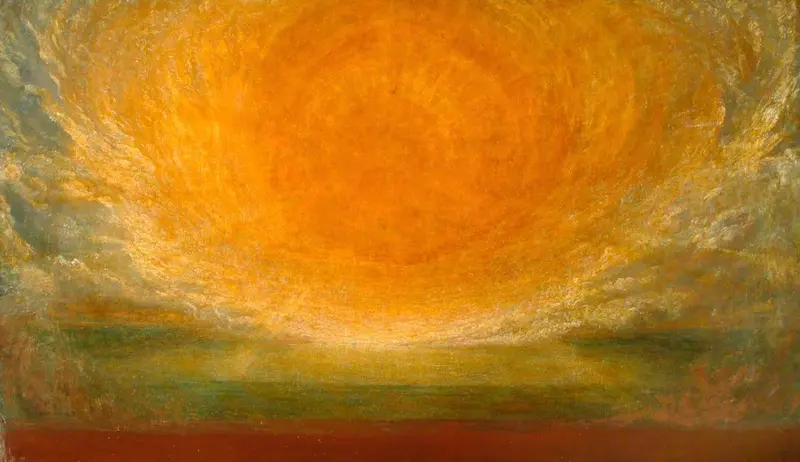
After the Deluge
George Frederic Watts

Sir Galahad
George Frederic Watts
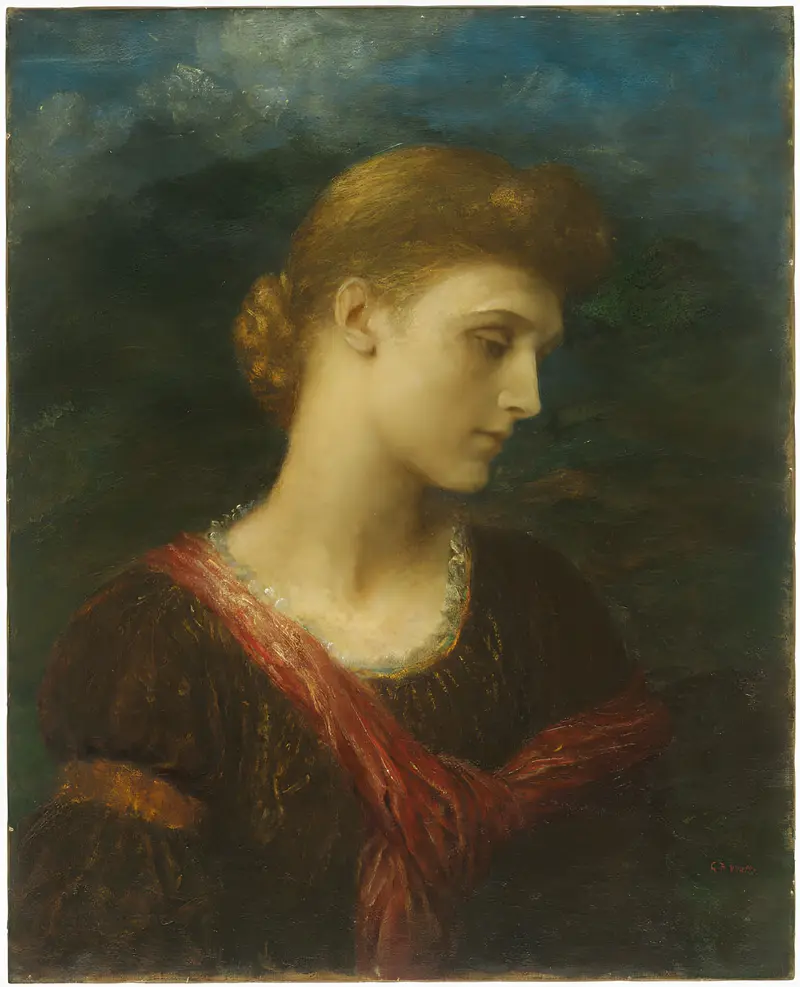
Violet Lindsay
George Frederic Watts
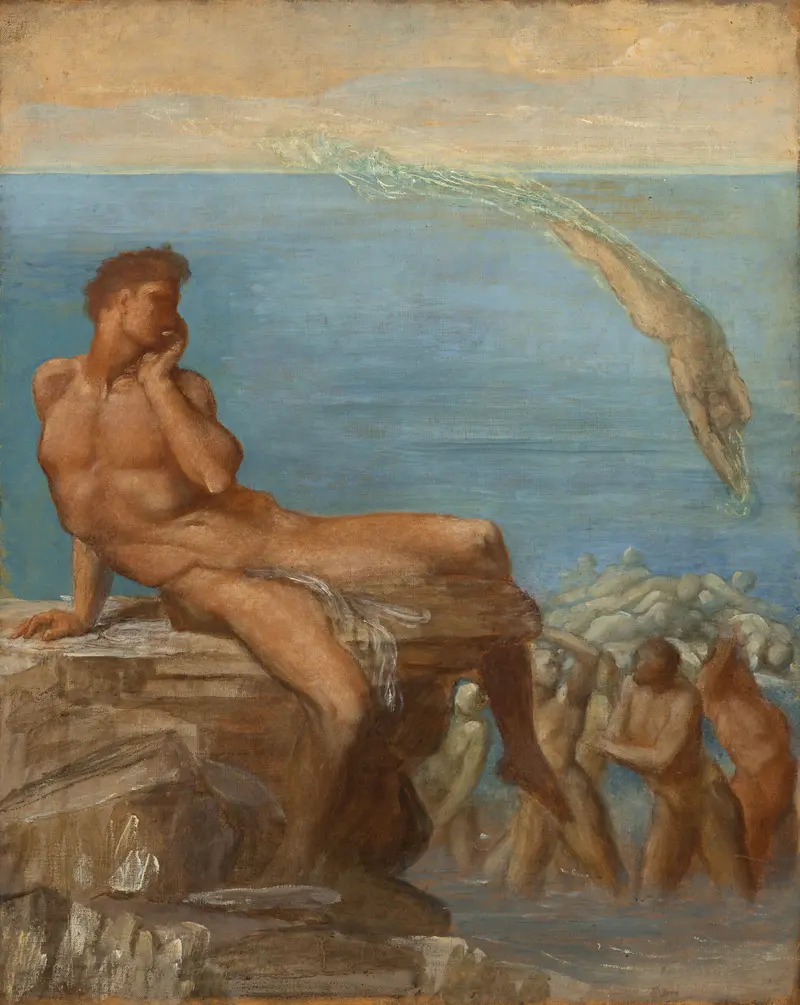
The Genius of Greek Poetry
George Frederic Watts
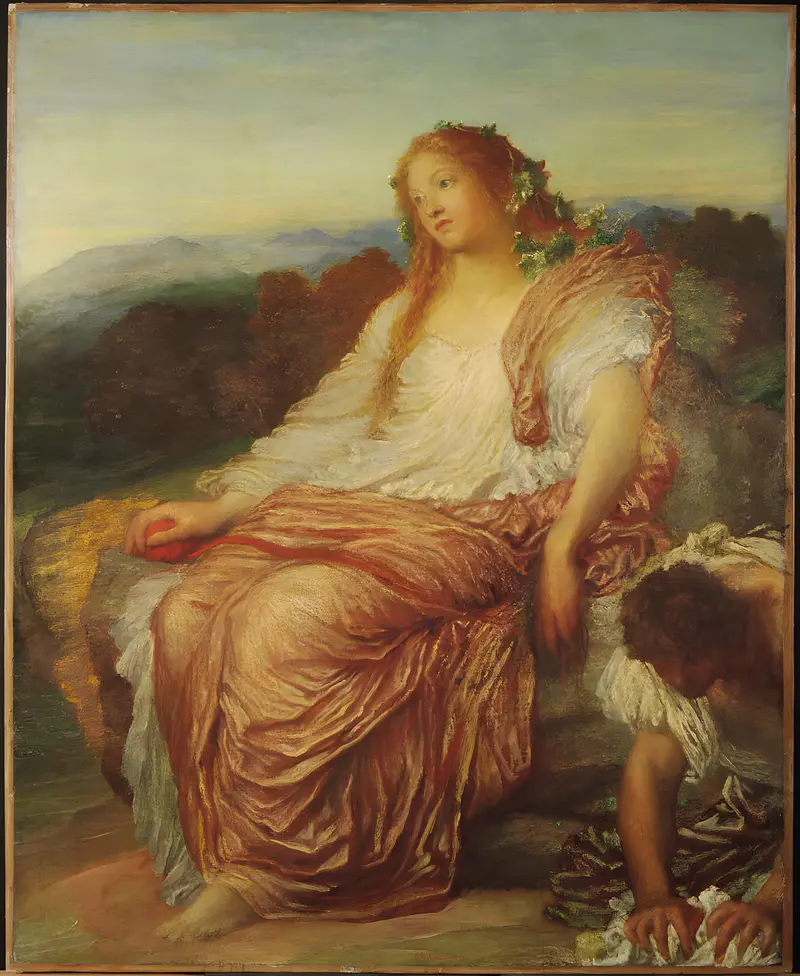
Ariadne
George Frederic Watts
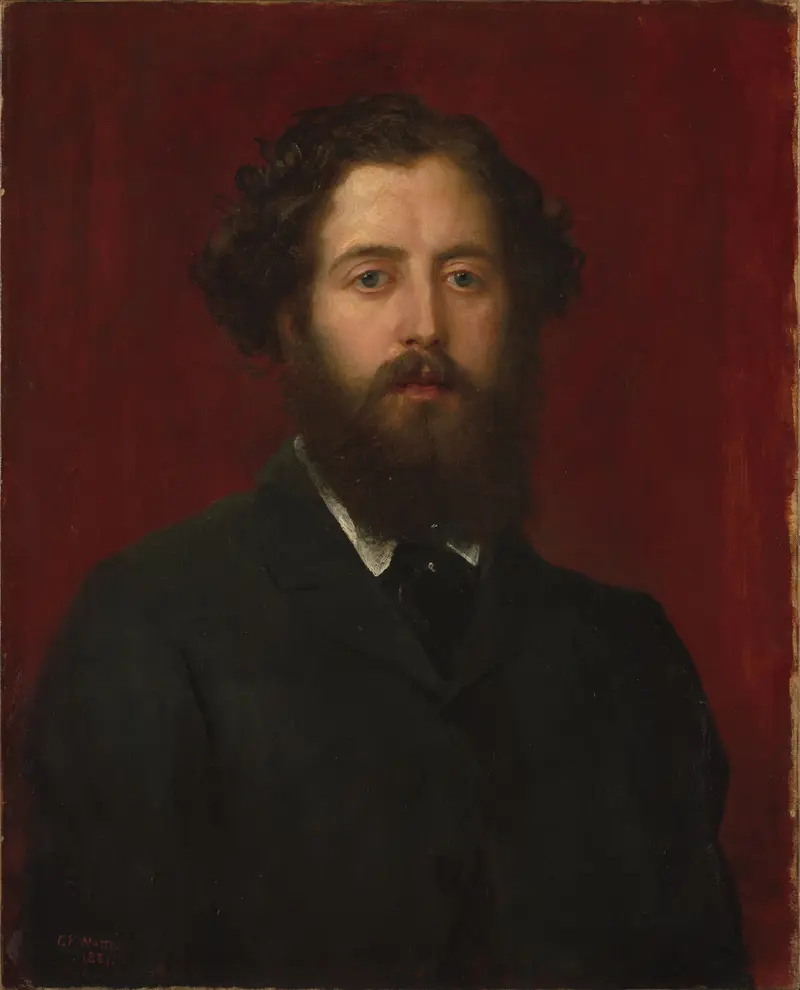
Portrait of a Man
George Frederic Watts
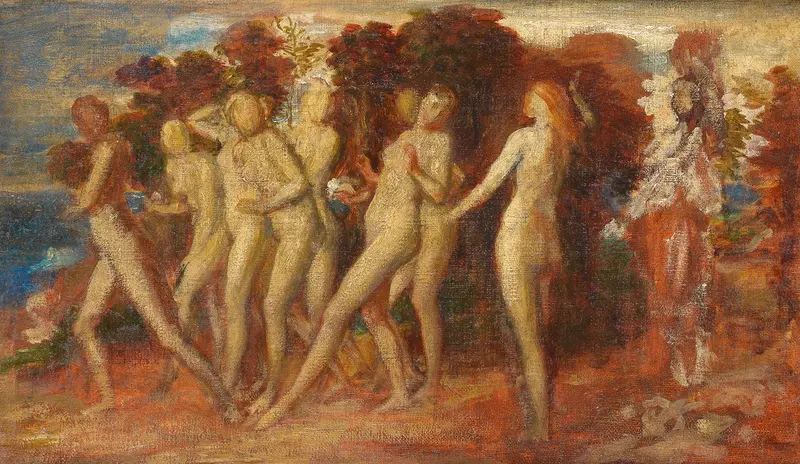
A Bacchanal
George Frederic Watts
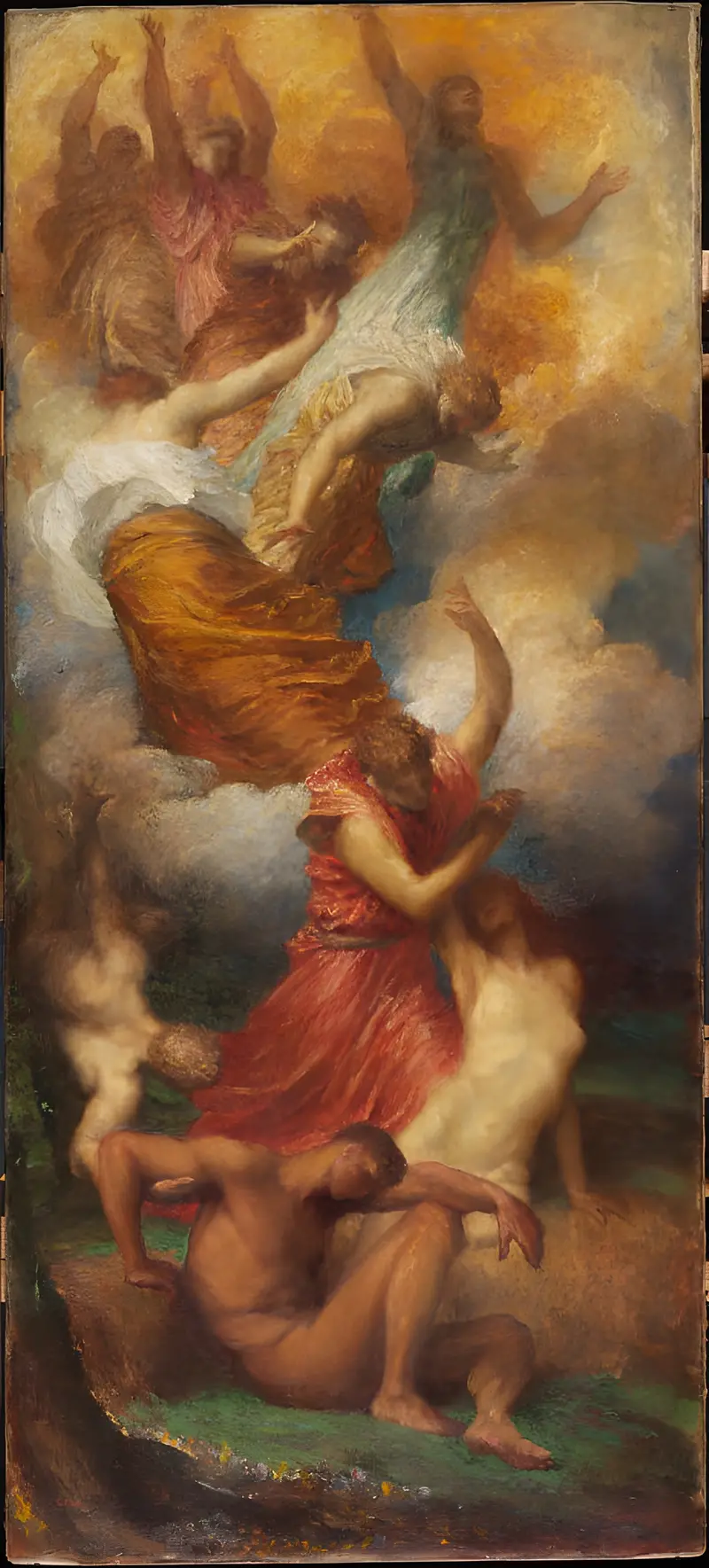
The Creation of Eve
George Frederic Watts
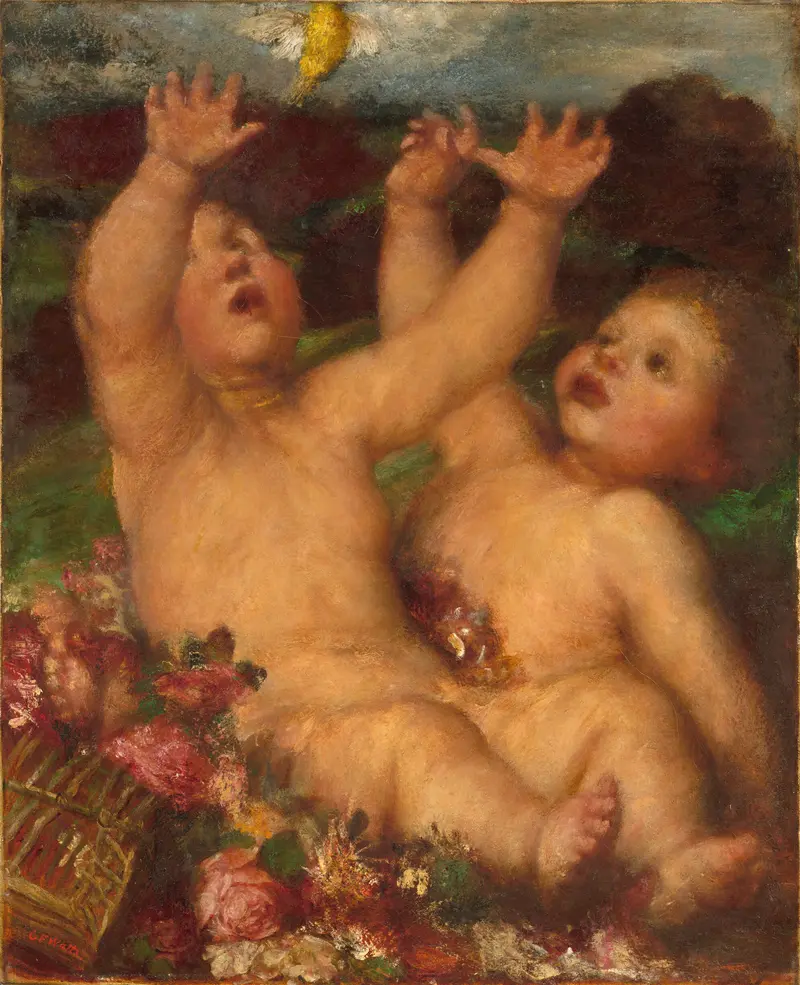
Escaped
George Frederic Watts
A Bacchante
George Frederic Watts





