
Altarpiece of St. Vincent Ferrer — History & Facts
In 1500, the city of Venice was preparing to canonize its own Dominican preacher, and the Dominicans of Santi Giovanni e Paolo commissioned Giovanni Bellini—already the leading painter in Venice—to create an altarpiece honoring the soon-to-be Saint Vincent Ferrer. The commission was a mark of Bellini’s prestige: he was entrusted with a central place in one of the city’s most important churches, and his work would help shape the public image of a new saint. The Altarpiece of St.
Vincent Ferrer was installed just as Ferrer’s cult was spreading rapidly across Europe, and the painting became a focal point for both devotion and civic pride. Bellini chooses to show St. Vincent Ferrer enthroned, flanked by saints Sebastian and Christopher, at the moment when the Dominican preacher’s sanctity is most evident: radiant, calm, and surrounded by angels. The saint’s raised hand, two fingers extended, signals both blessing and the power of his sermons, while the open book on his lap refers to his role as a preacher and teacher.
The golden light that bathes the figures is typical of Bellini’s late style, enveloping the saints in an atmosphere of gentle clarity. Unlike earlier, more dramatic depictions—such as those by Francesco del Cossa, who favored narrative action—Bellini’s composition is serene, inviting the viewer to contemplate rather than to witness a miracle. The physical history of the Altarpiece of St. Vincent Ferrer is closely tied to its original setting in the Venetian church of Santi Giovanni e Paolo, where it still resides today.
Over the centuries, the work has survived periods of neglect, Napoleonic looting, and the shifting tastes of art collectors, but it has never left its home. Scholars have debated the extent of Bellini’s own hand in the painting, as workshop assistants were often involved in large commissions at this stage of his career. Nevertheless, the altarpiece is widely recognized as a mature work by Giovanni Bellini, marking the transition from the early Renaissance to the luminous, color-rich style that would define Venetian painting for generations.
More Artworks by Giovanni Bellini
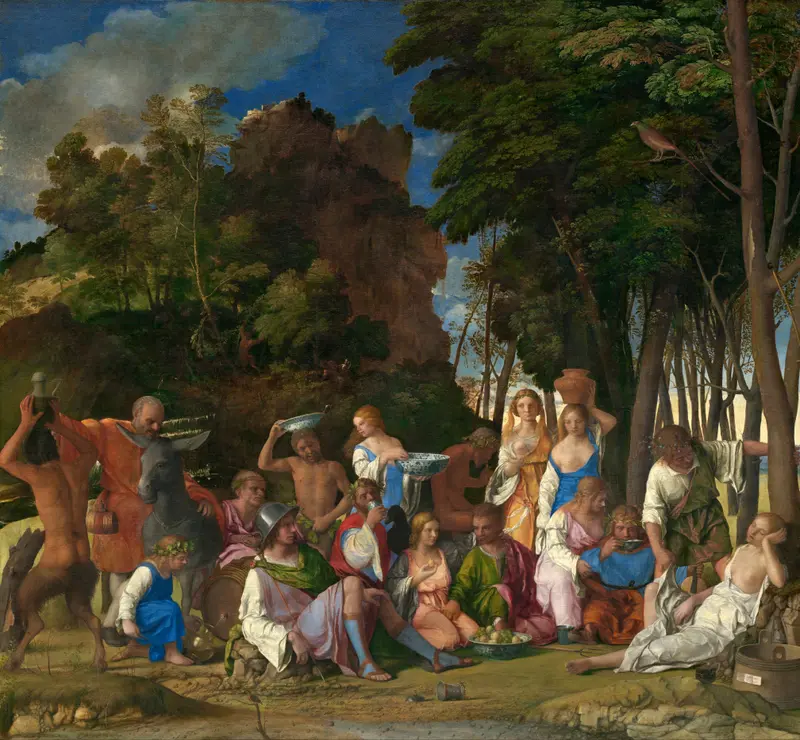
The Feast of the Gods
Giovanni Bellini

Madonna and Child enthroned with Saints and Angels
Giovanni Bellini
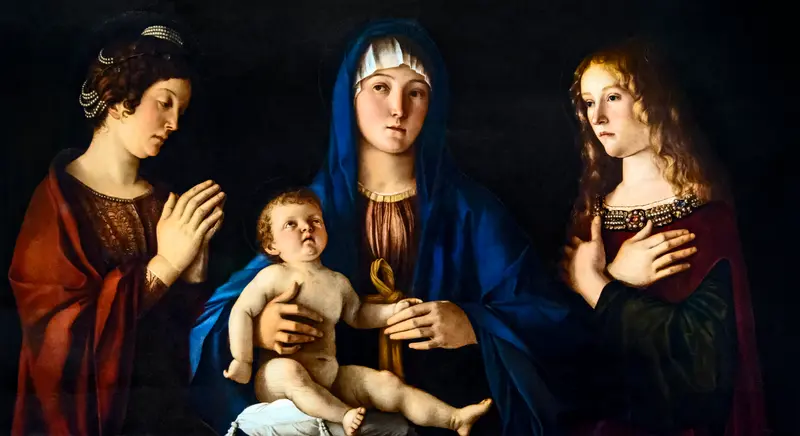
Madonna and Child between Saints Catherine and Mary Magdalene
Giovanni Bellini
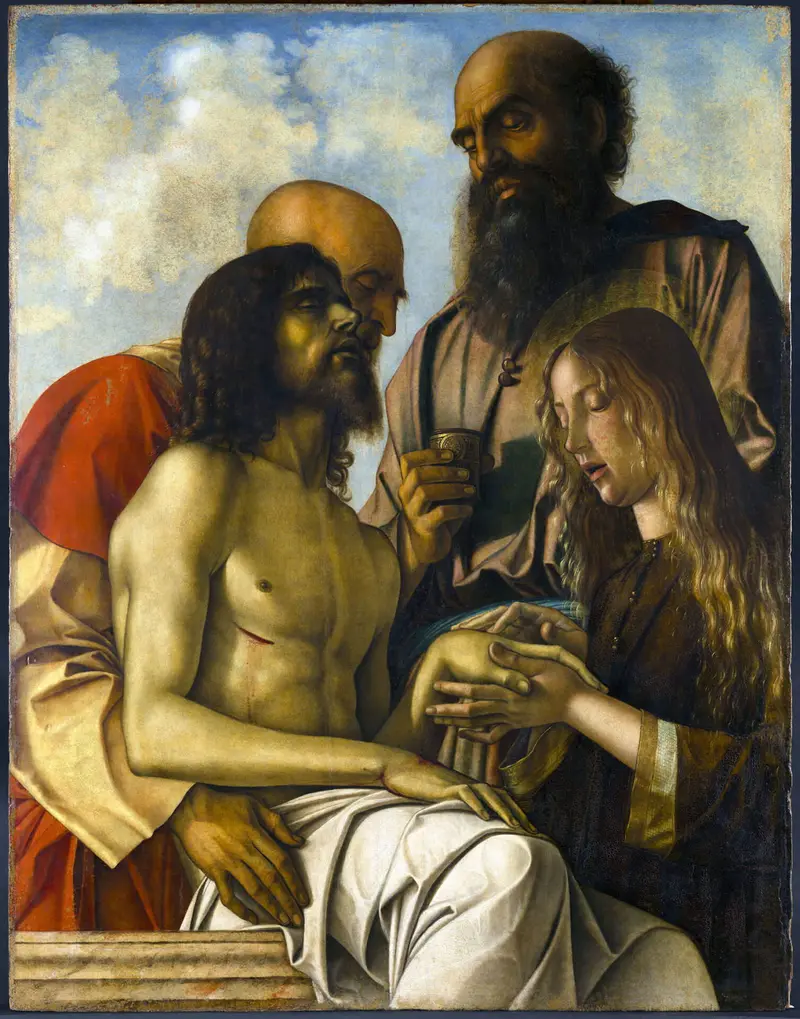
Lamentation over the Dead Christ
Giovanni Bellini
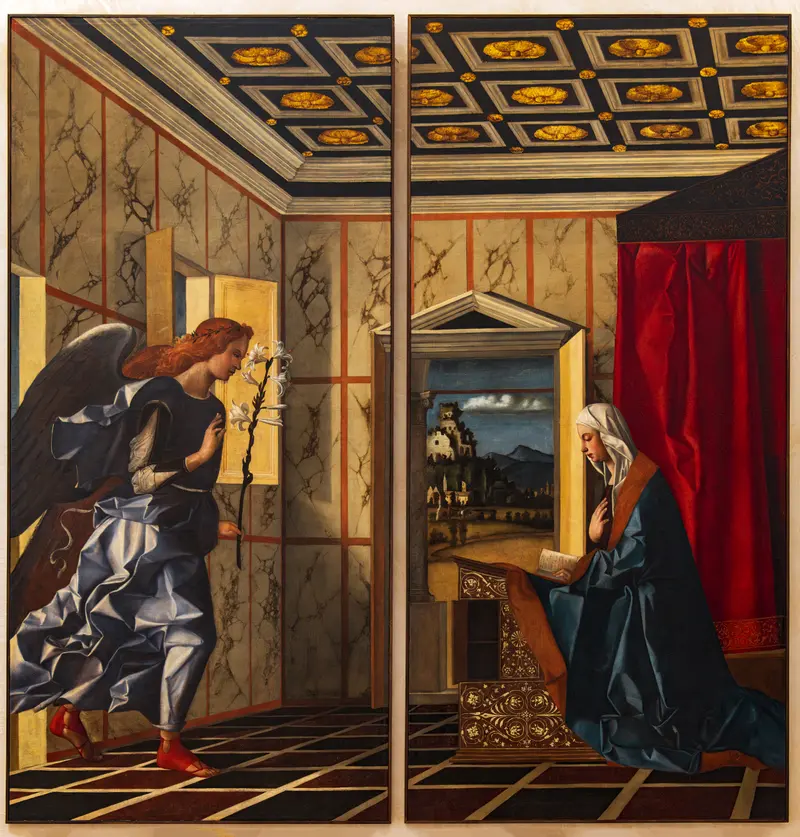
Annunciation
Giovanni Bellini
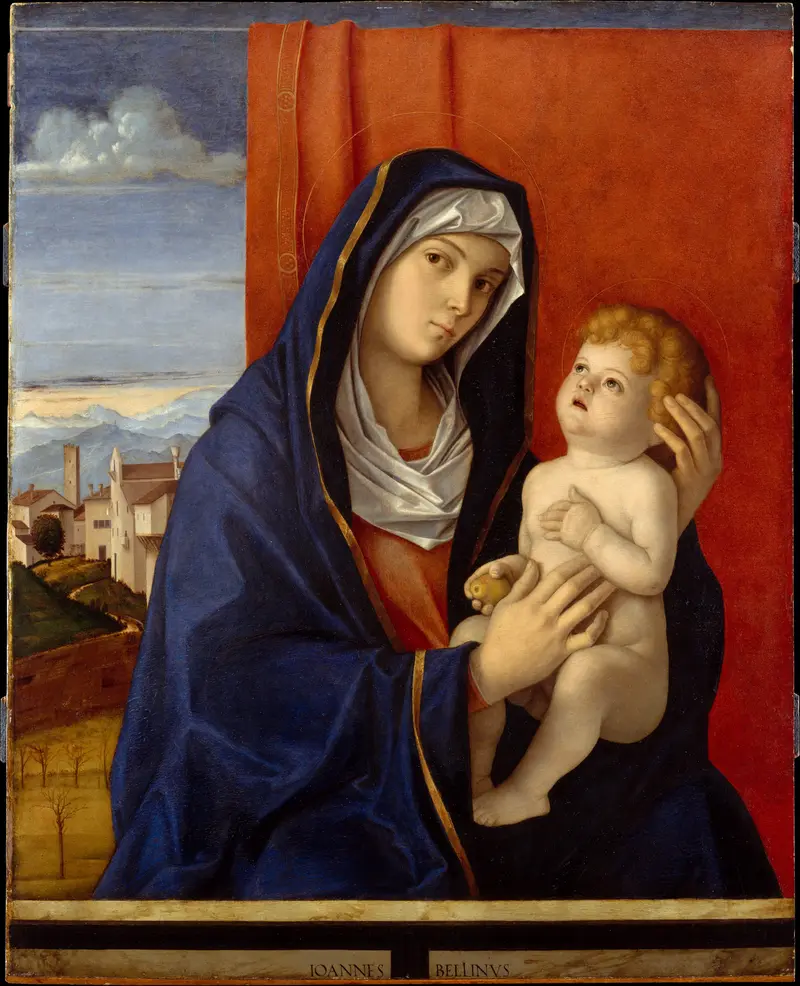
Madonna and Child
Giovanni Bellini
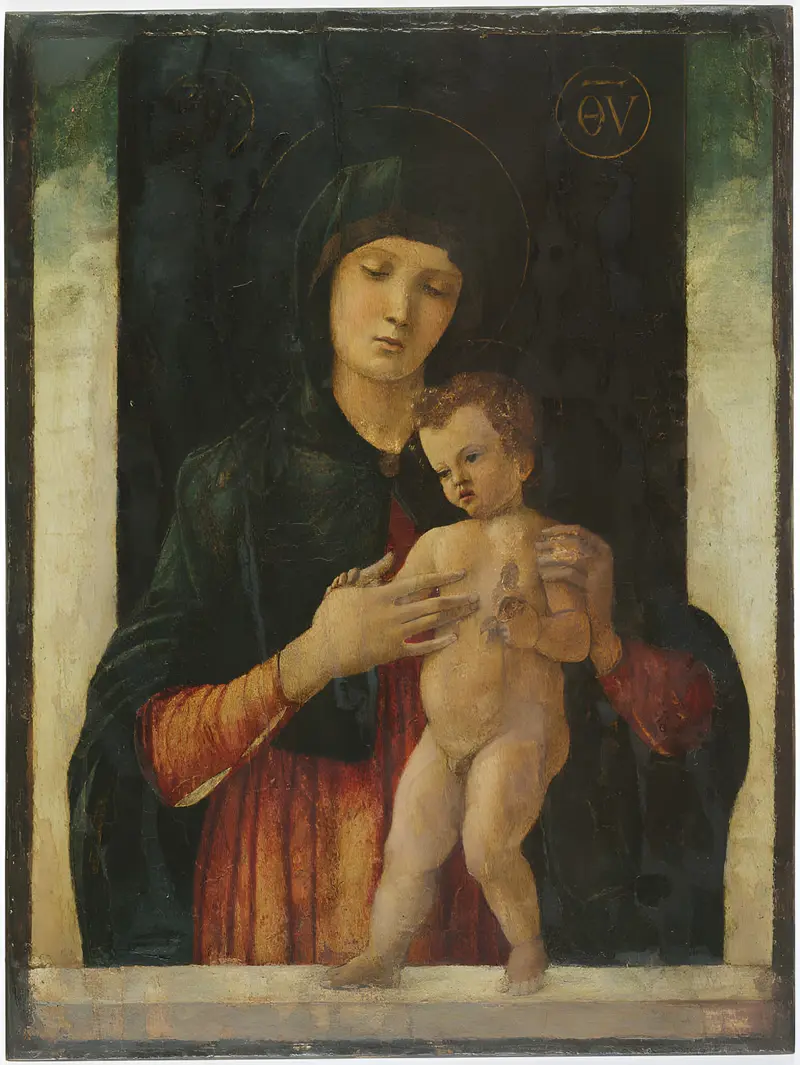
The Virgin and Child
Giovanni Bellini
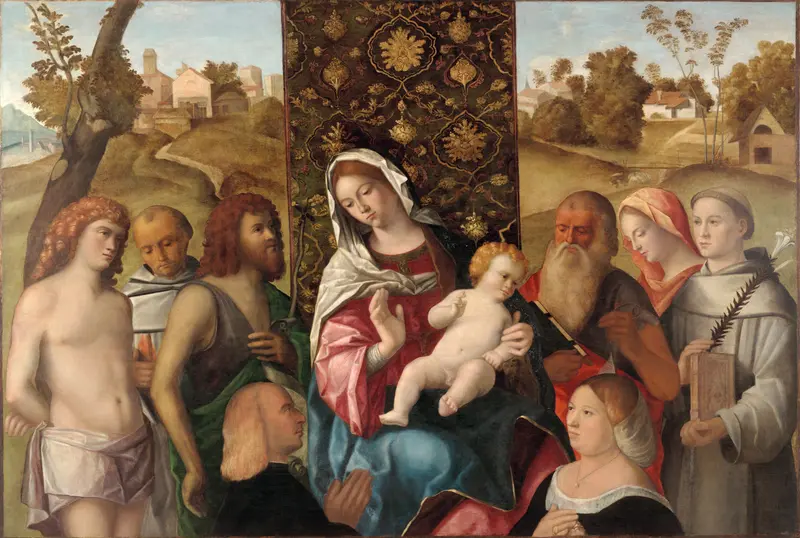
Virgin and Child with Saints Sebastian, Francis, John the Baptist, Jerome, an unidentified female saint, Saint Anthony of Padua and two donors
Giovanni Bellini
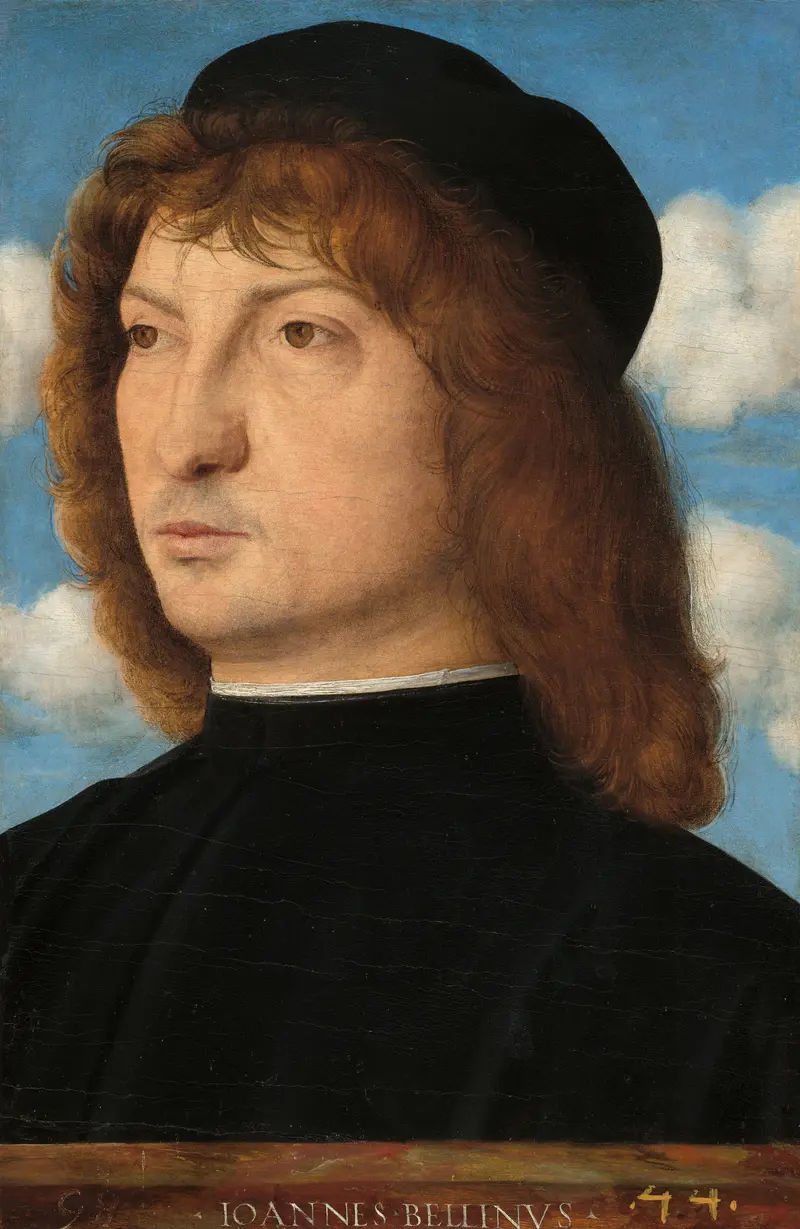
Portrait of a Venetian Gentleman
Giovanni Bellini
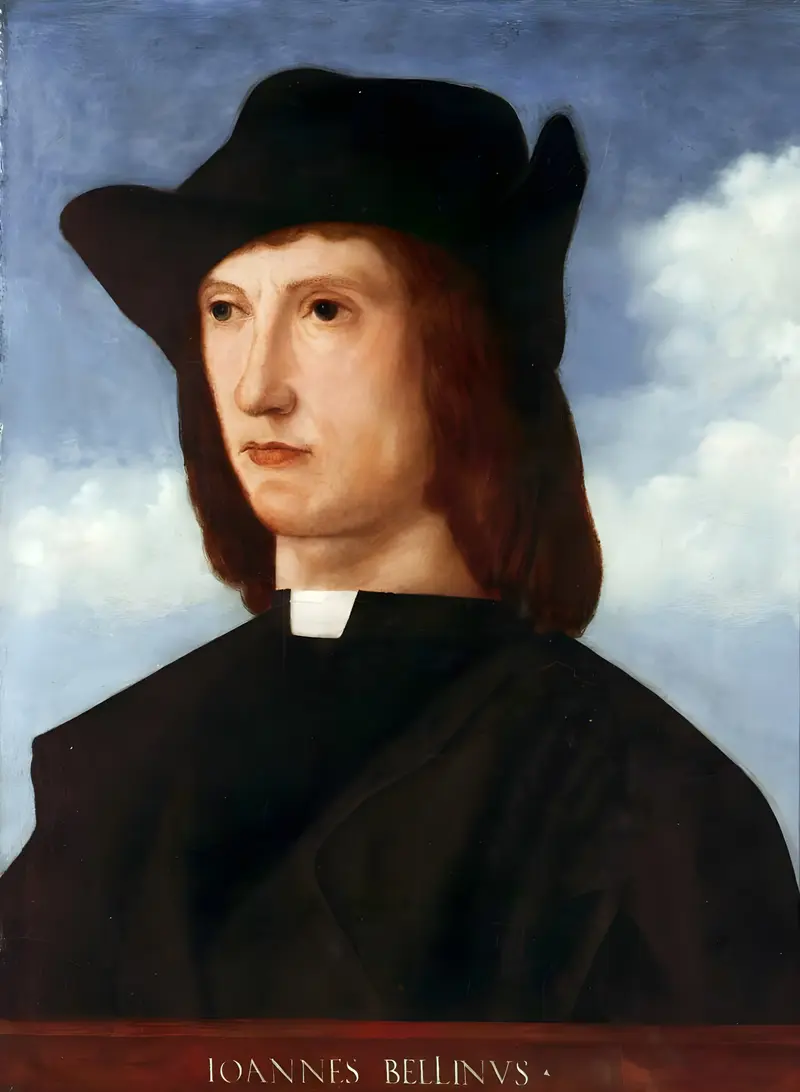
Portrait of a Young Man
Giovanni Bellini





