
Angelica — History & Facts
When Georges Seurat exhibited Angelica in 1878, he was just nineteen years old and still a student at the École des Beaux-Arts. The painting is remarkable as one of the earliest surviving works by the artist who would later pioneer Pointillism. Unlike his later, meticulously dotted canvases, Angelica shows Seurat experimenting with academic techniques and the grand mythological themes popular in Parisian salons of the era.
Its subject—drawn from Orlando Furioso—was a favorite among 19th-century painters, yet Seurat’s version is rarely seen and seldom discussed, making it a hidden chapter in his brief career. The moment Seurat chose is one of peril and enchantment: Angelica, chained to a rock by the sea, awaits her fate at the hands of a sea monster. Her pale figure, isolated against the dark, turbulent water, draws the viewer’s eye immediately. The chain at her wrist and the torn fabric of her dress signal her vulnerability, while the distant suggestion of a monstrous form in the surf hints at the imminent danger.
Unlike Ingres’s cool, neoclassical Roger Freeing Angelica, Seurat’s interpretation is rawer, the brushwork looser, and the emotion more immediate—the stormy sky and restless sea reflecting Angelica’s terror and hope for rescue. The medium of Angelica remains uncertain; some suggest oil on canvas, but no definitive technical analysis has been published. The painting’s provenance is equally obscure: it was likely retained by Seurat or his family and did not enter public view until decades after his death. Today, it is held in a private collection and is rarely loaned for exhibition, making it a seldom-seen artifact from the artist’s formative years.
For those interested in the evolution of Georges Seurat, Angelica offers a rare glimpse of his early ambitions and the academic roots he would soon leave behind.
More Artworks by Georges Seurat
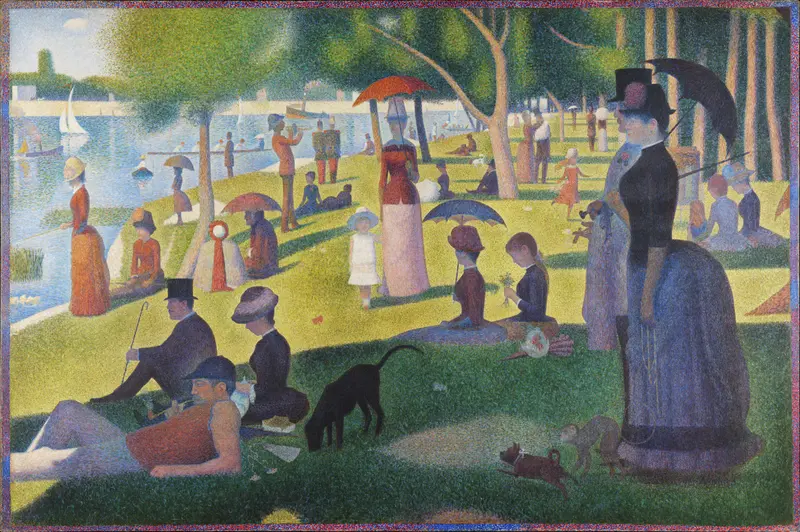
A Sunday Afternoon on the Island of La Grande Jatte
Georges Seurat
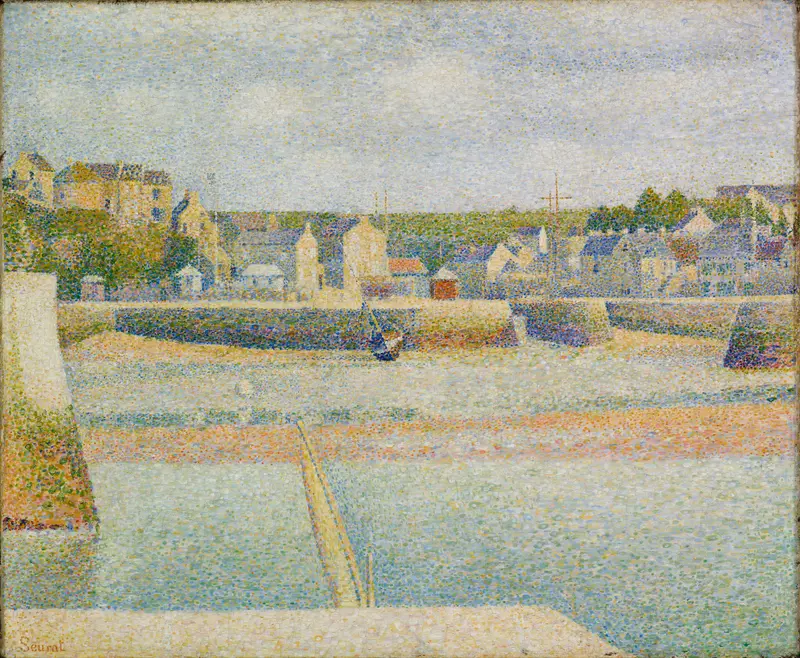
Port-en-Bessin, The Outer Harbor (Low Tide)
Georges Seurat
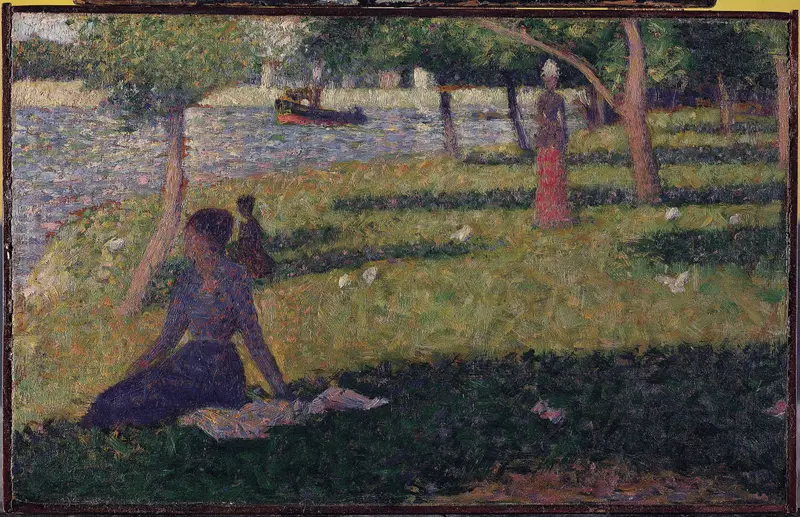
Étude pour ‘La Grande Jatte’ (Study for ‘La Grande Jatte’)
Georges Seurat
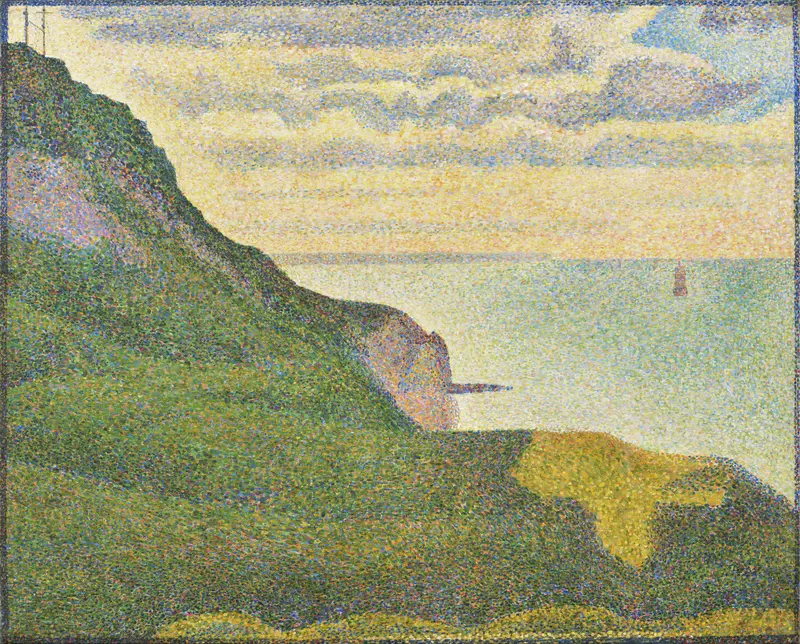
Seascape at Port-en-Bessin,Normandy
Georges Seurat
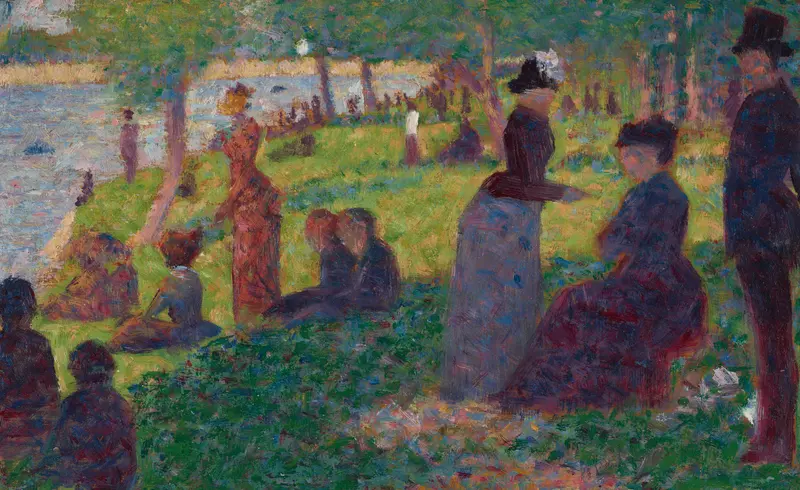
Oil Sketch for "A Sunday on La Grande Jatte — 1884"
Georges Seurat
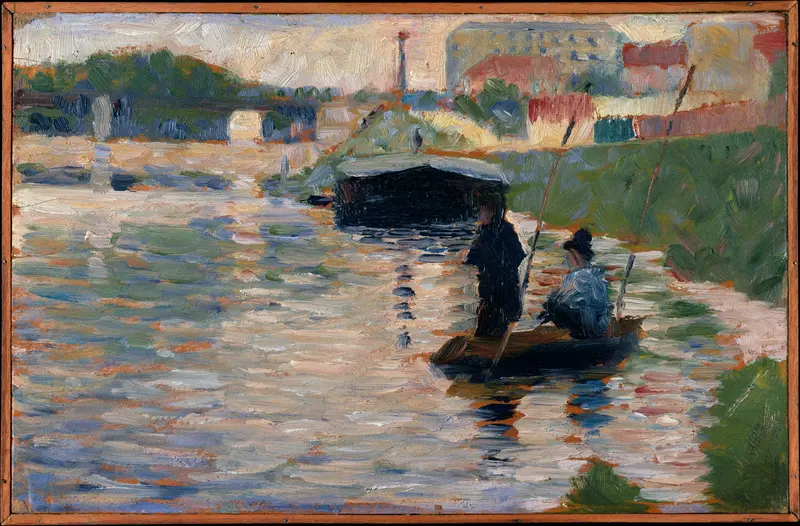
View of the Seine
Georges Seurat
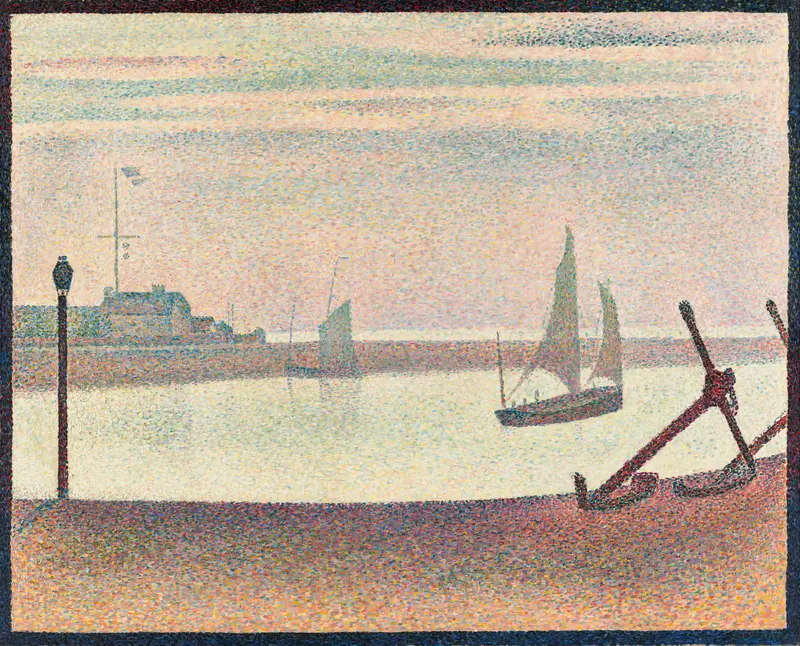
The Channel at Gravelines, Evening
Georges Seurat
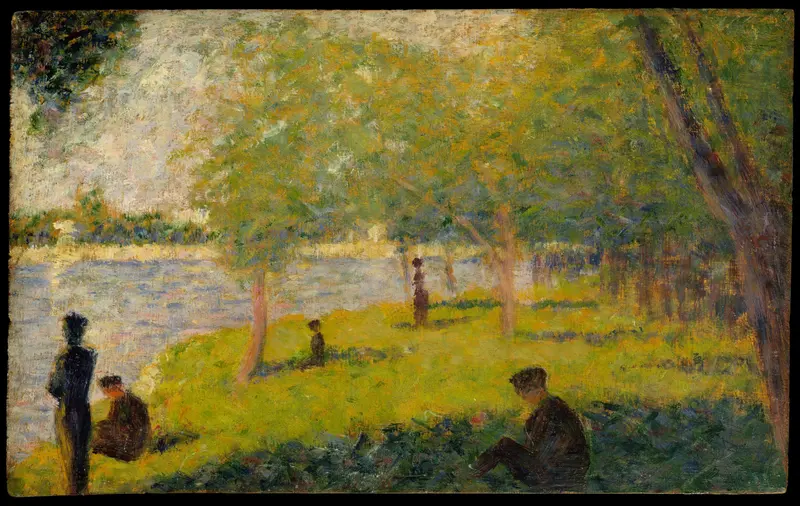
Study for ‘A Sunday on La Grande Jatte’
Georges Seurat
Study for A Sunday on La Grande Jatte
Georges Seurat
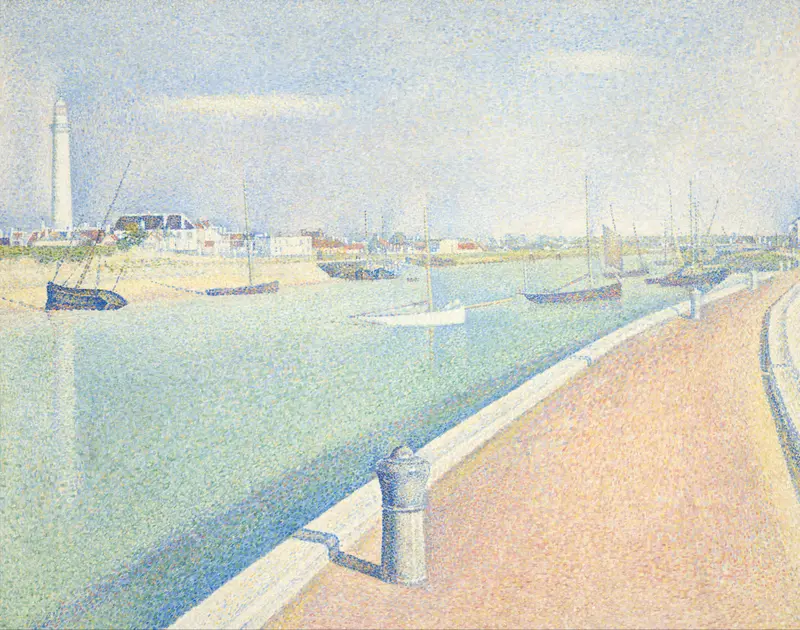
The Channel of Gravelines, Petit Fort Philippe
Georges Seurat





