
Apollo and Diana Piercing Niobe's Children with Arrows — History & Facts
A storm of divine vengeance breaks across this canvas, and the viewer is swept into the instant where mortal pride meets the pitiless justice of the gods. At the heart of Apollo and Diana Piercing Niobe's Children with Arrows, a queen in white and gold throws her arms wide, her face caught between terror and disbelief as her children collapse around her. The painter draws the eye upward, where Apollo and Diana emerge from swirling clouds, their bodies radiant and poised with the instruments of death—arrows nocked, justice descending.
The swirling composition, the chaos of limbs and drapery, and the stark shaft of light that isolates Niobe from her doomed children all serve to heighten the sense of unstoppable fate. This is a world where gesture is everything: Niobe’s outstretched hands plead for mercy, but the gods above are unmoved, their forms serene and remote. The palette shifts from the golden warmth of the mortals to the cool, ethereal blue of the heavens, underscoring the gulf between human suffering and divine will. The painter’s attention to the tangle of bodies, the desperate clutching of siblings, and the dramatic sweep of fabric all signal the influence of the grand manner of French history painting, where every detail is marshaled to tell a story of pride and punishment.
The sense of movement and tumult recalls the theatricality of the late Baroque, yet the faces remain individualized, drawing the viewer into each personal tragedy. Created in 1708 as a morceau de réception for the Académie royale de peinture et de sculpture, this work stands at the crossroads of ambition and tradition. Such paintings were not only technical showpieces but also declarations of an artist’s place within the hierarchy of French art, demanding both narrative clarity and virtuosic execution. While little may be recorded of its subsequent history, the painting’s very existence as a reception piece speaks to the aspirations and anxieties of its era—when artists vied for royal favor and mythological subjects served as the ultimate test of skill.
The drama lingers in the air, inviting the viewer to linger, to trace each anguished face, and to ponder the fate of those who challenge the gods.
More Artworks by Jean-François de Troy
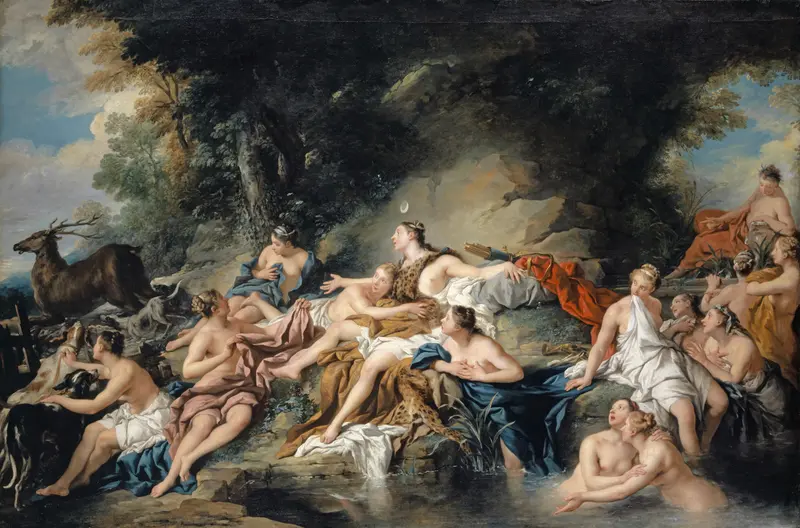
Diana and Actaeon
Jean-François de Troy
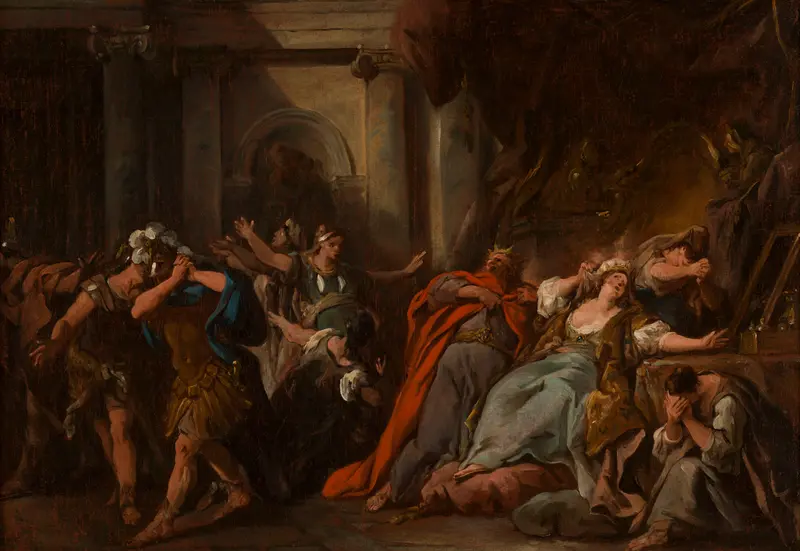
Créüse consumée par la robe empoisonnée
Jean-François de Troy
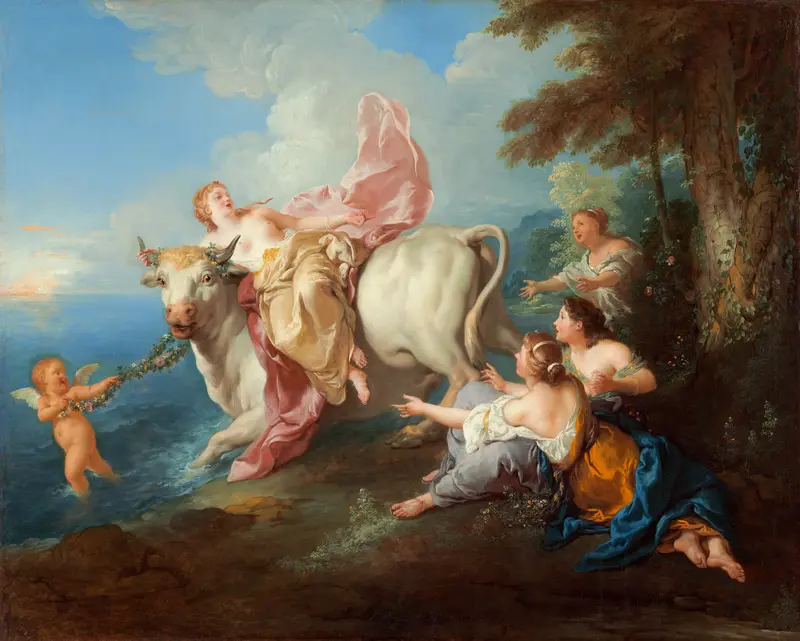
The Abduction of Europa
Jean-François de Troy
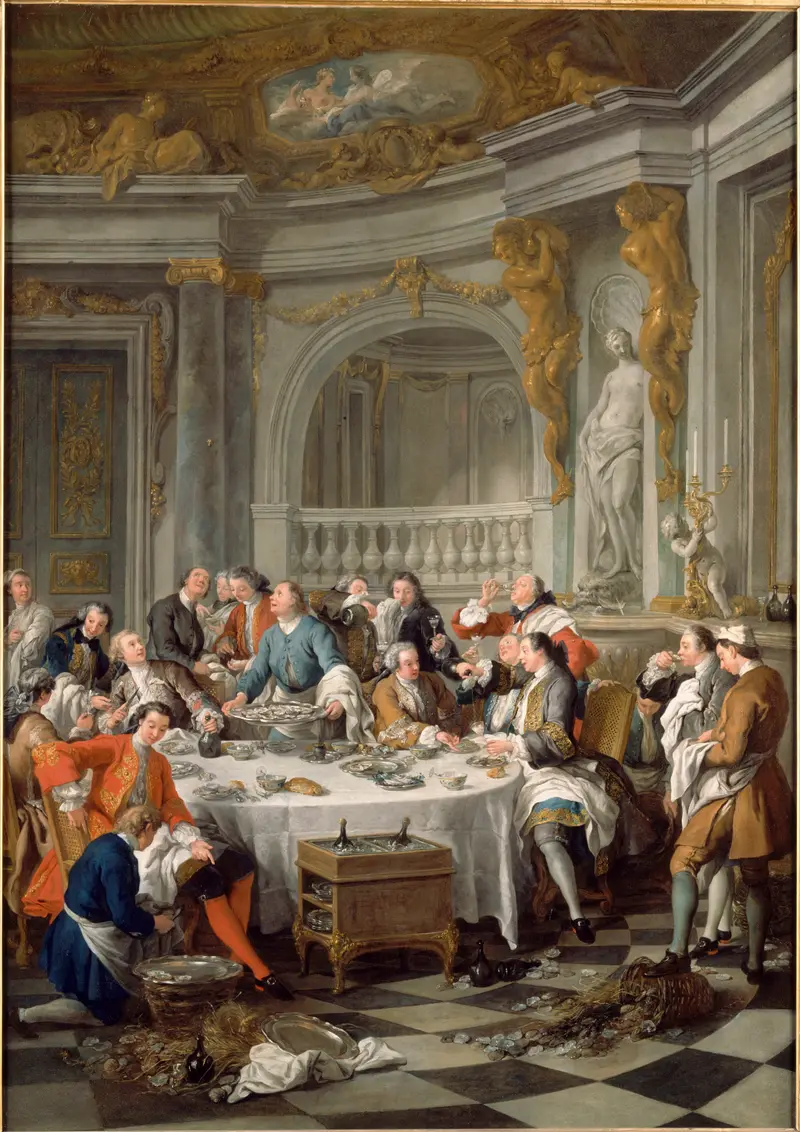
The Lunch of Oysters
Jean-François de Troy
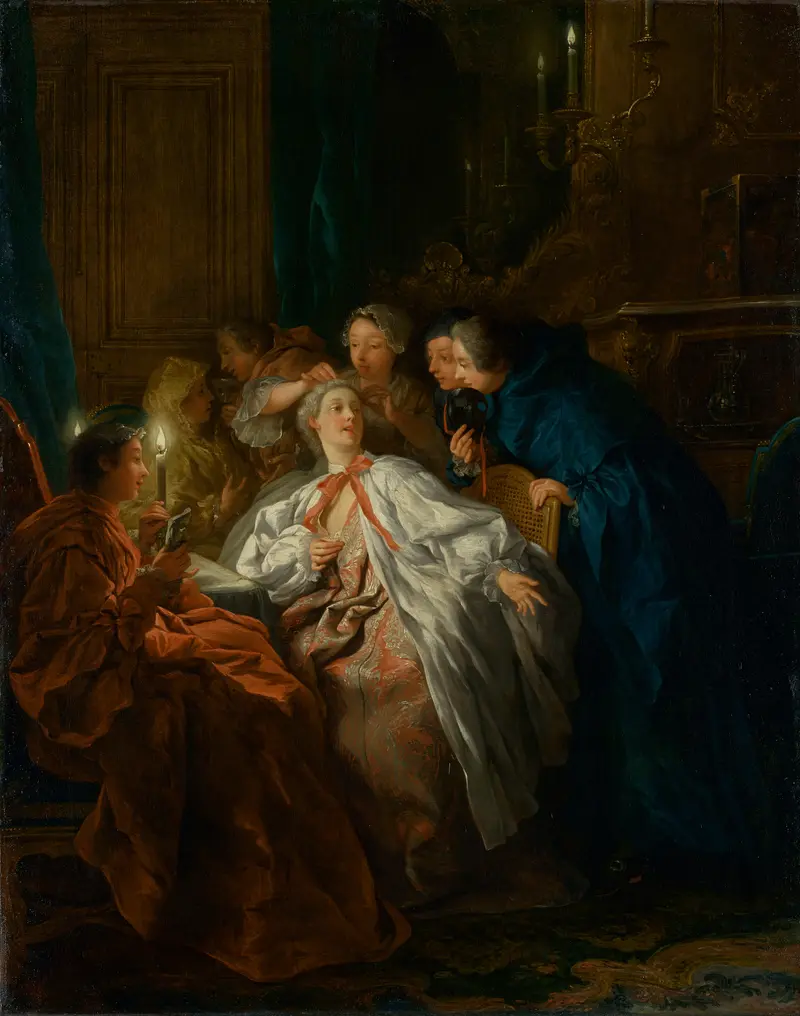
Before the Ball
Jean-François de Troy
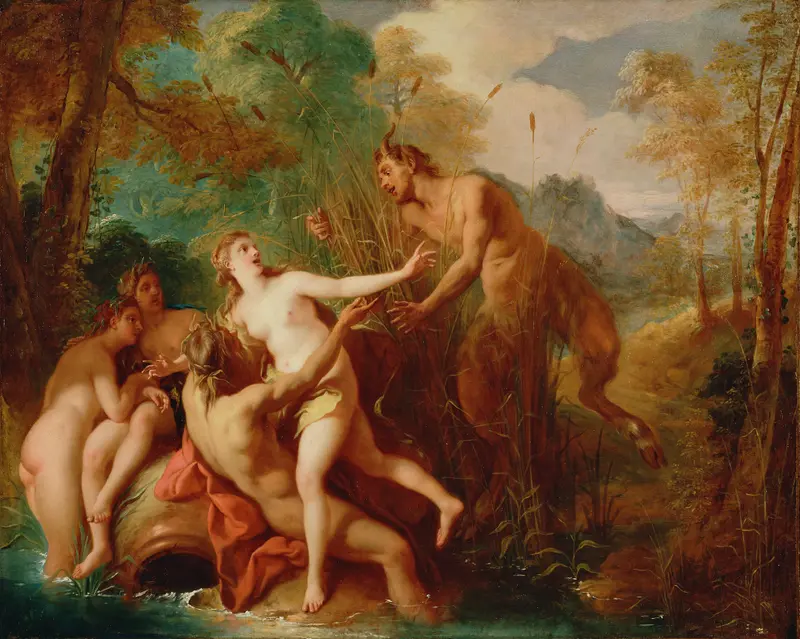
Pan and Syrinx
Jean-François de Troy

Le Combat des soldats nés des dents du serpent
Jean-François de Troy
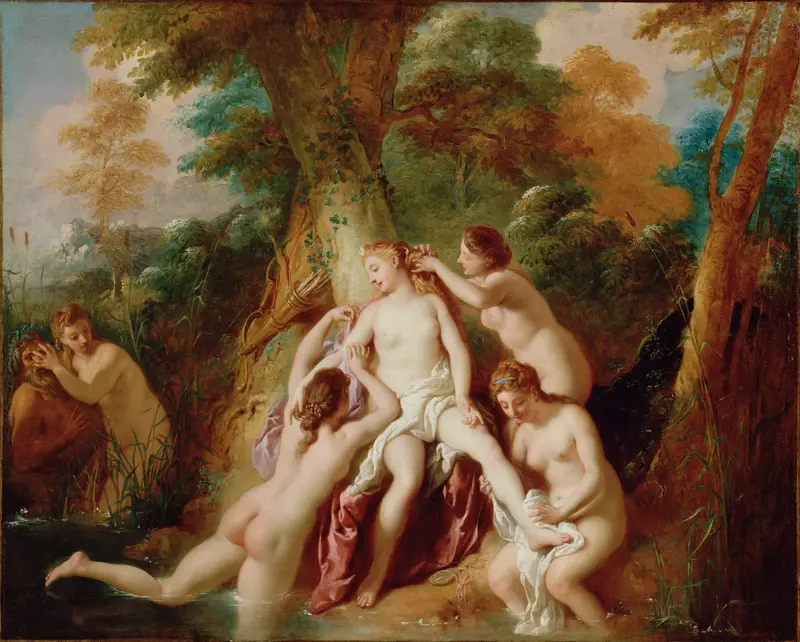
Diana and Her Nymphs Bathing
Jean-François de Troy
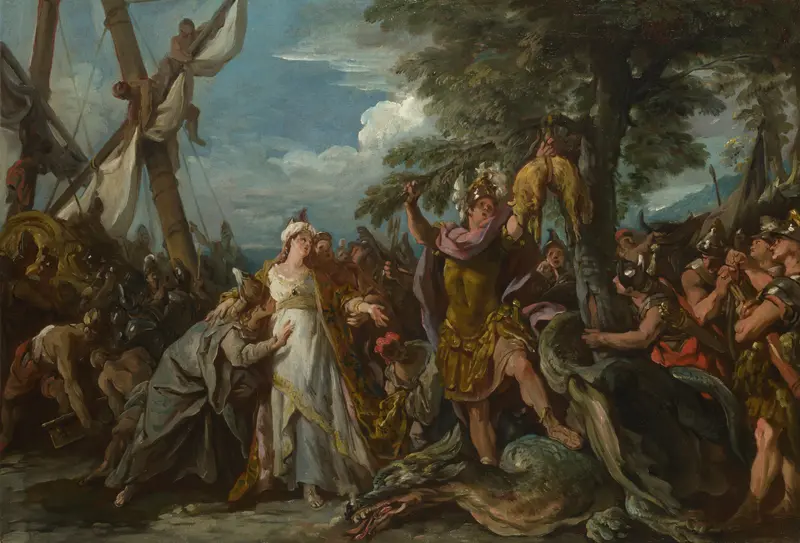
The Capture of the Golden Fleece
Jean-François de Troy
The Triumph of Mordecai
Jean-François de Troy





