
Apotheose des Aeneas — History & Facts
What grips the viewer first is the electric charge of the moment: a mortal, half-draped in white, is caught mid-ascent, his hand clasped by a powerful, radiant figure who leans down with a laurel crown. The sweep of her crimson and green drapery fills the upper right, almost tumbling from the heavens. Every muscle in the man’s body strains upward, his gaze fixed on the woman’s face—while below, a darker figure, crowned with leaves and shadow, watches the exchange with wary fascination.
The light falls from above, picking out the tension in sinew and fabric, and guiding the eye from the laurel crown to the outstretched hand, down to the earthbound observer. The palette is bold, the gestures theatrical, the scene suspended between worlds. Painted between circa 1620 and 1630 by Abraham Janssens, this work belongs to a period when mythological subjects were a showcase for both painterly bravura and learned storytelling. In early seventeenth-century Antwerp, such images were prized by collectors eager to display their erudition and taste for the antique.
The subject—an apotheosis, or elevation of a hero—offered artists the chance to explore the boundaries between mortal and divine, flesh and spirit, earth and sky. Little is recorded about the specific journey of this painting before its arrival in the collection of the Pinakothek, but its theatrical composition and grand scale speak to a world in which art was a stage for the imagination. The longer you look, the more the drama of gesture, color, and gaze draws you into its charged, uncertain space.
More Artworks by Abraham Janssens

Jupiter Rebuked by Venus
Abraham Janssens
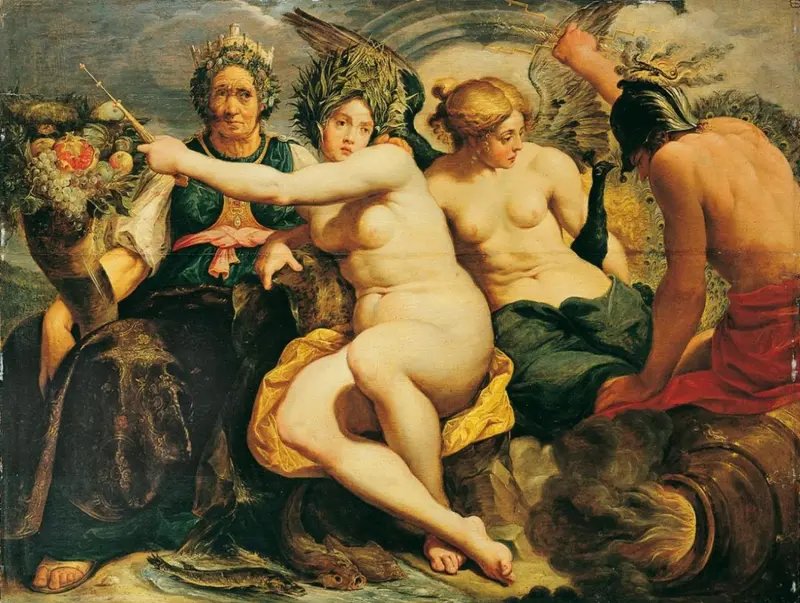
Allegorie der vier Elemente
Abraham Janssens
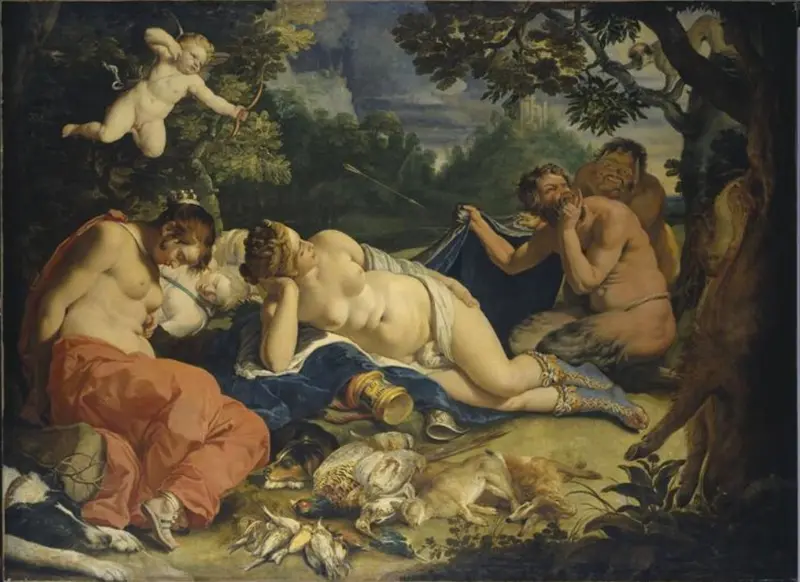
Diana and her nymphs spied on by satyrs
Abraham Janssens

Die Erweckung des Lazarus 153 Bavarian State Painting Collections
Abraham Janssens
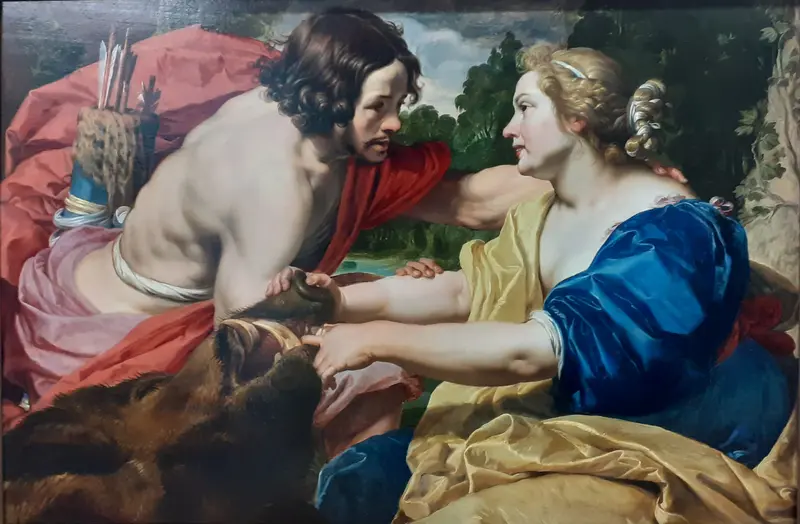
Meleager presents the head of the Calydonian Boar to Atalanta
Abraham Janssens
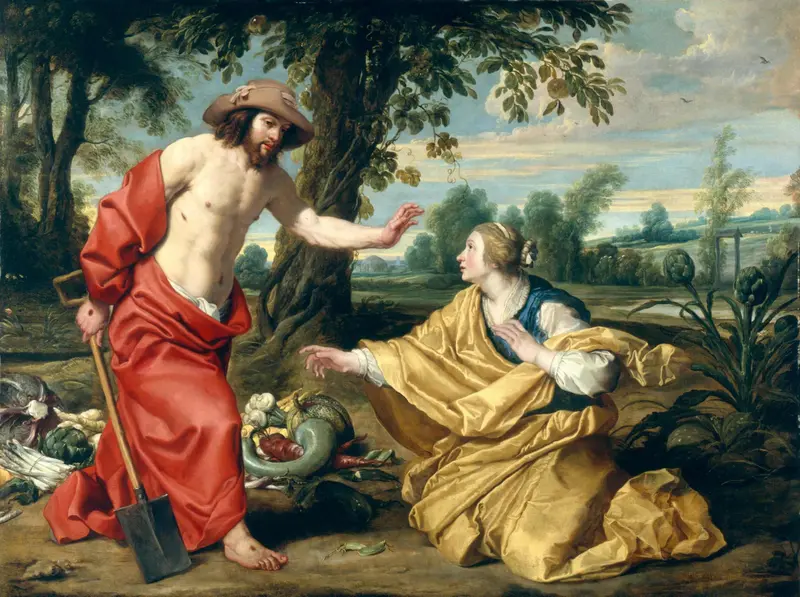
Noli me Tangere
Abraham Janssens
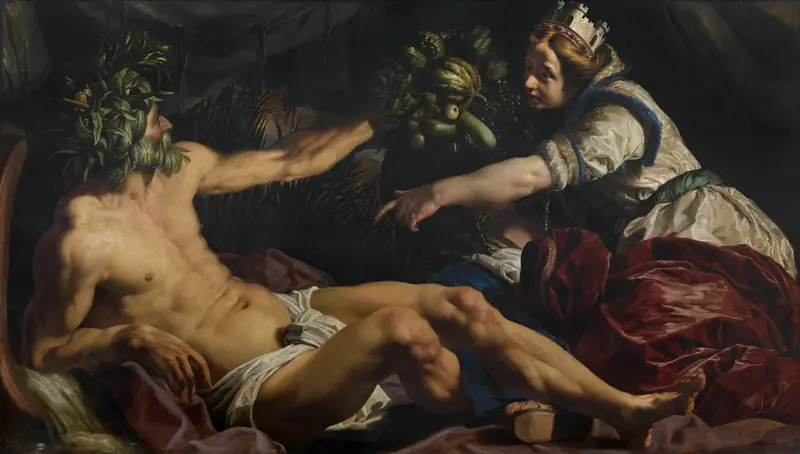
Scaldis and Antverpia
Abraham Janssens
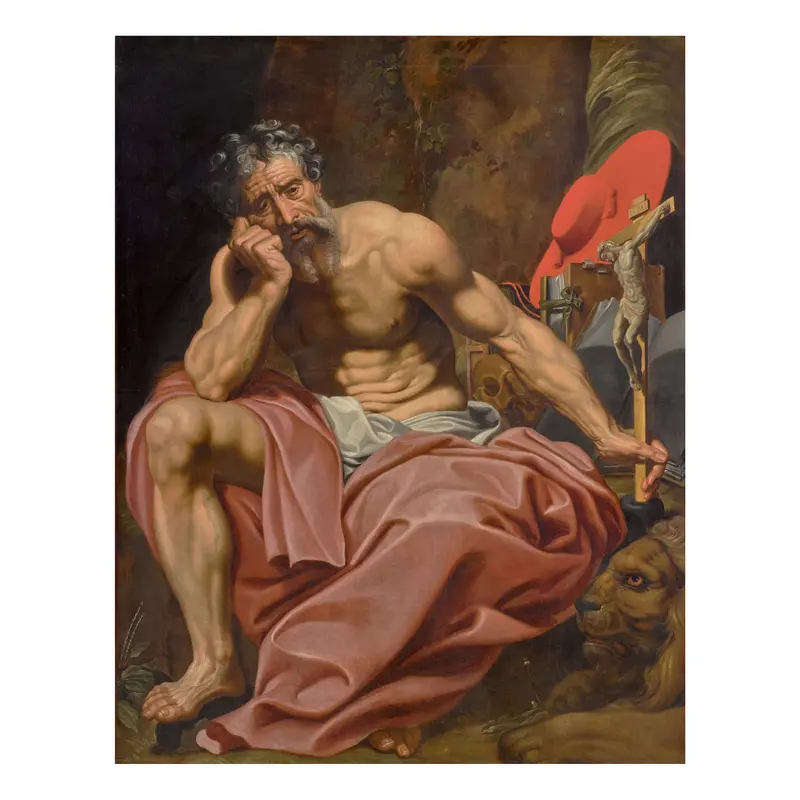
Saint Jerome
Abraham Janssens
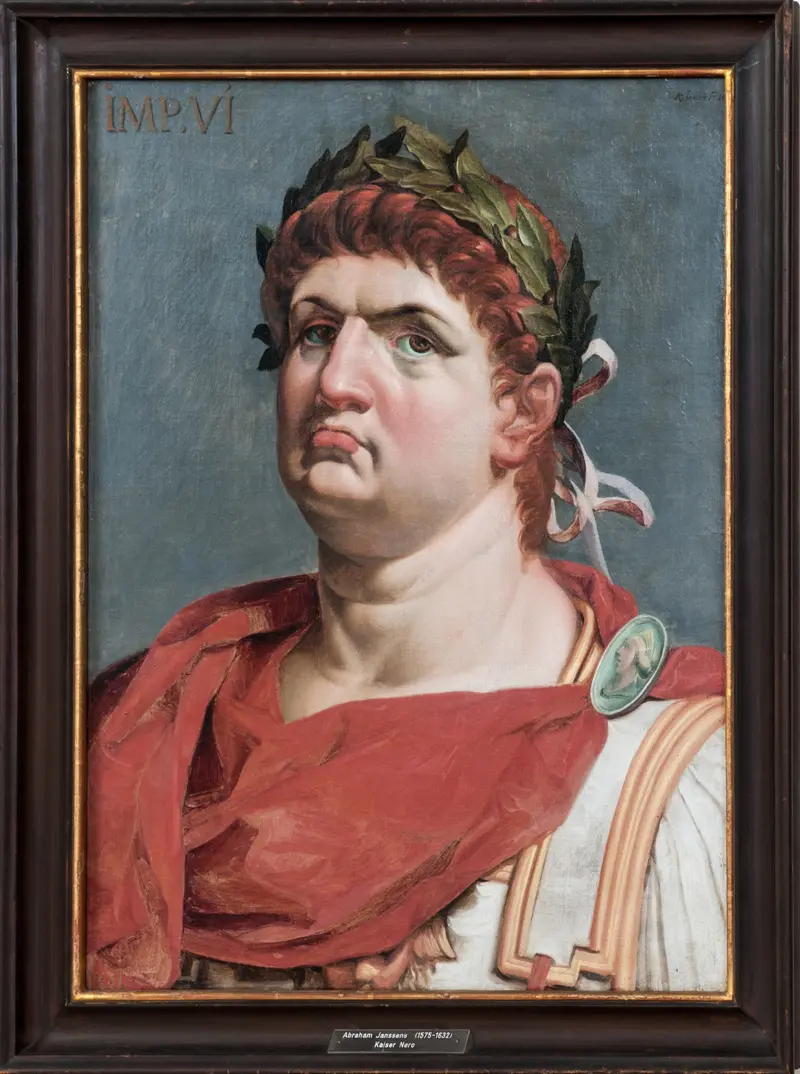
Nero
Abraham Janssens
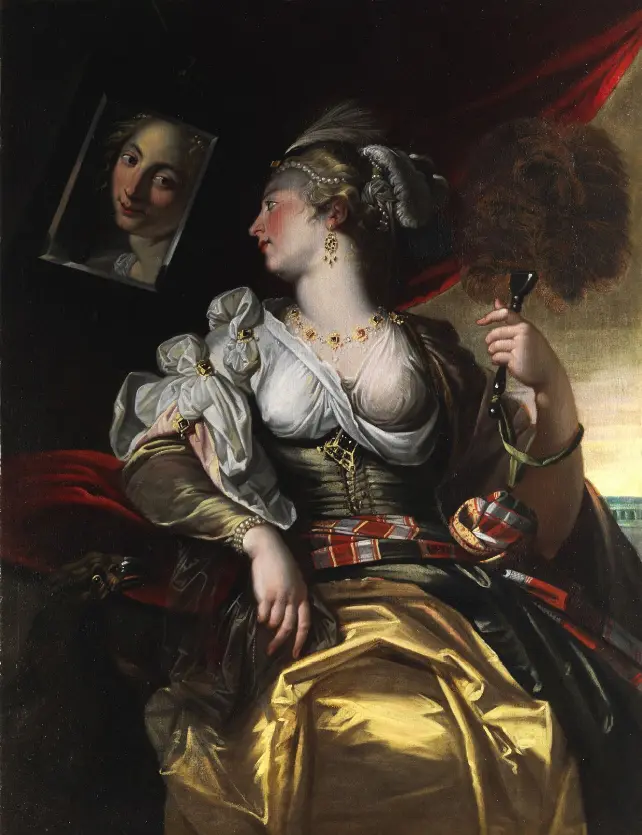
The Face
Abraham Janssens





