
Apparition of the Apostle Peter to Saint Peter Nolasco — History & Facts
In 1629, the newly founded Mercedarian convent in Seville commissioned a series of paintings from Francisco de Zurbarán, one of the city’s rising stars, to celebrate the canonization of their founder, Saint Peter Nolasco. Among these works, Apparition of the Apostle Peter to Saint Peter Nolasco stands out as the only known depiction of this particular vision, a miraculous event said to have occurred in 1218. The painting was part of a grand decorative program marking a moment of civic and religious pride, as Seville celebrated both its own piety and the international recognition of its local saint. Zurbarán chooses the instant when the elderly Nolasco, kneeling in his sparse cell, beholds the sudden vision of the Apostle Peter, who appears suspended in the air, shackled and radiant.
The heavy chains on the apostle’s wrists recall his imprisonment in Jerusalem, a story from the Acts of the Apostles, and serve as a symbol of liberation—echoing the Mercedarian order’s mission to ransom Christian captives. The stark contrast between the saint’s humble, earthbound posture and the apostle’s glowing, otherworldly presence is heightened by Zurbarán’s dramatic use of chiaroscuro, a technique reminiscent of Caravaggio but rendered with a Spanish austerity. The sparse furnishings—a rough wooden bed, a coarse habit—anchor the vision in the gritty reality of monastic life. After its creation, Apparition of the Apostle Peter to Saint Peter Nolasco remained in the Mercedarian convent until the upheavals of the nineteenth century, when many religious artworks were dispersed or entered public collections.
Today, the painting is housed in the Museo del Prado, where it is recognized as a key work from Zurbarán’s early Seville period, a time when his reputation was rapidly growing. While the original commission included several canvases, only a handful survive, and this one is especially prized for its rare subject and the intensity of its vision. Zurbarán would go on to become one of the leading painters of the Spanish Baroque, but here, he is already a master of stillness and spiritual drama.
More Artworks by Francisco de Zurbarán
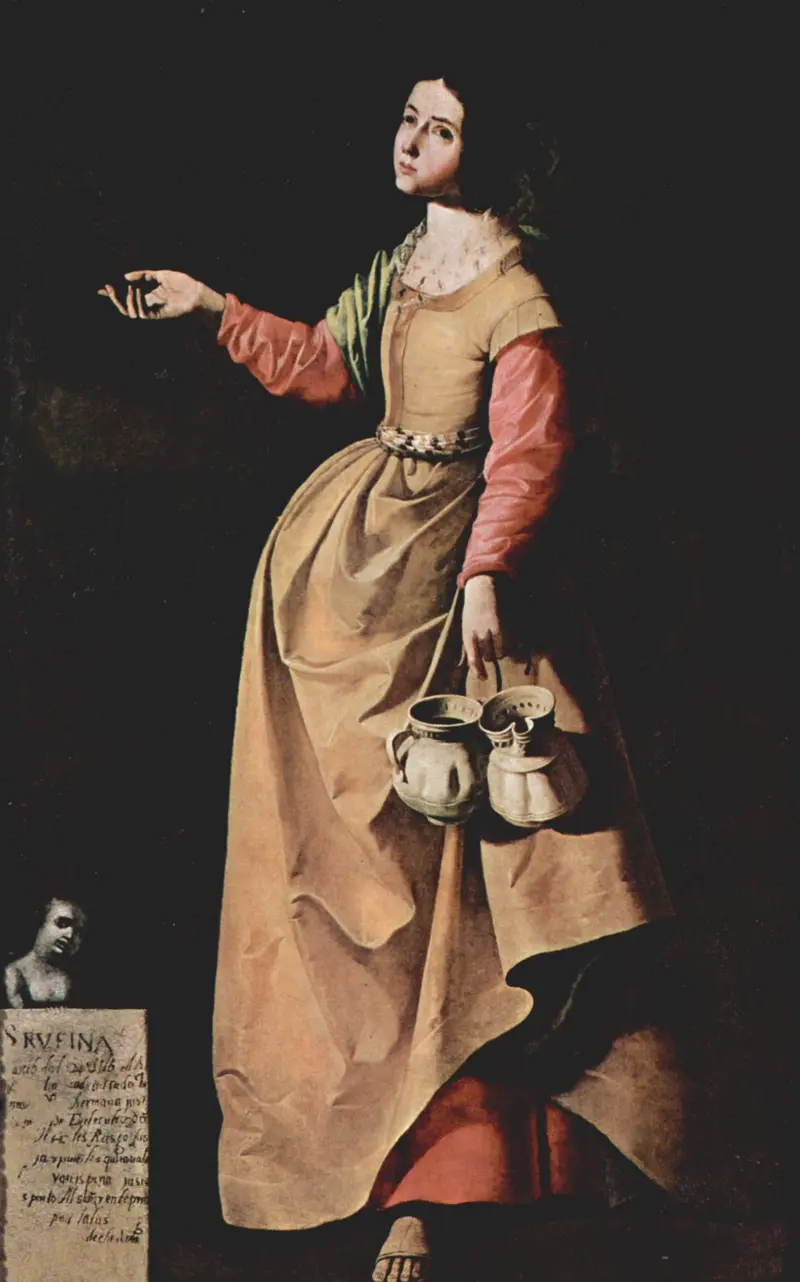
Saint Rufina
Francisco de Zurbarán
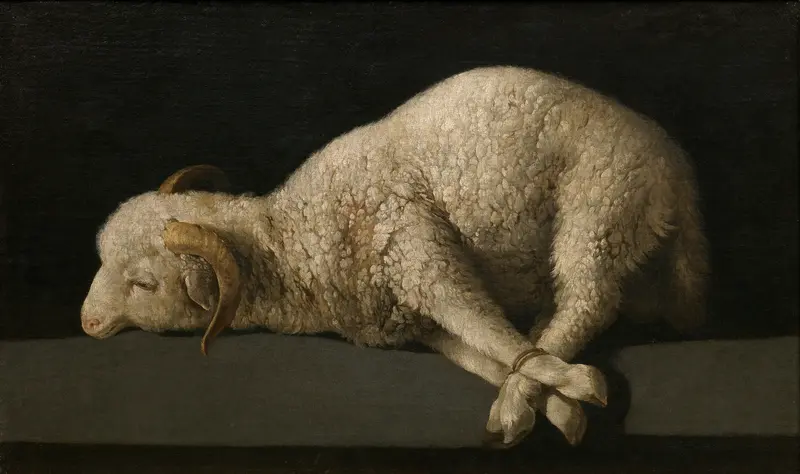
Agnus Dei
Francisco de Zurbarán
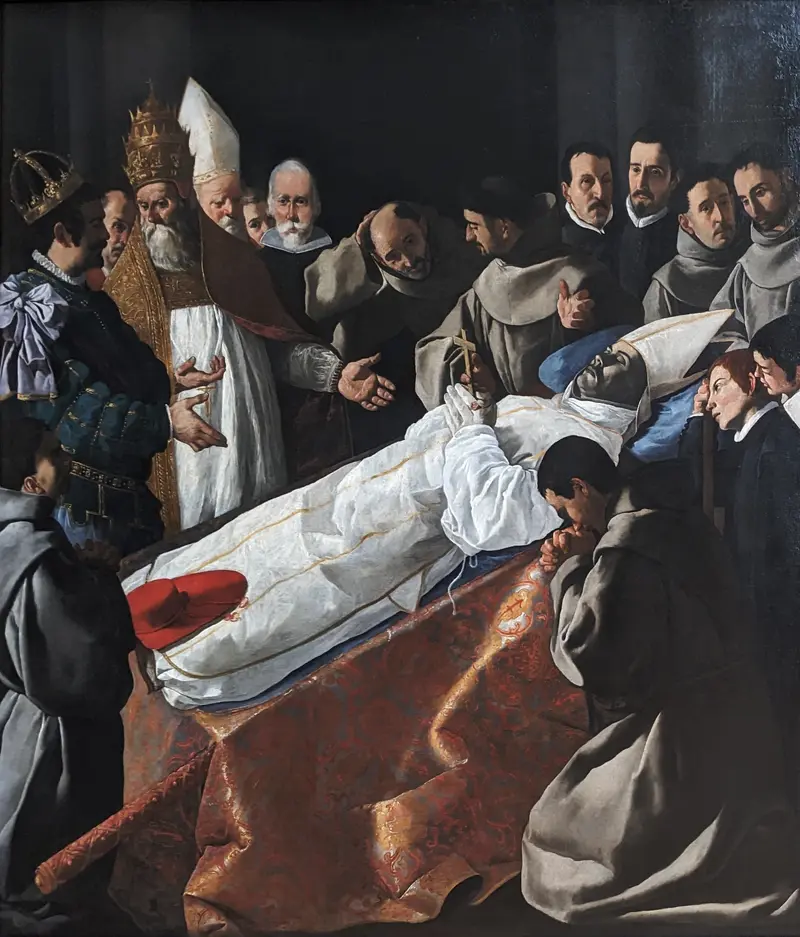
Saint Bonaventure's Body Lying in State
Francisco de Zurbarán
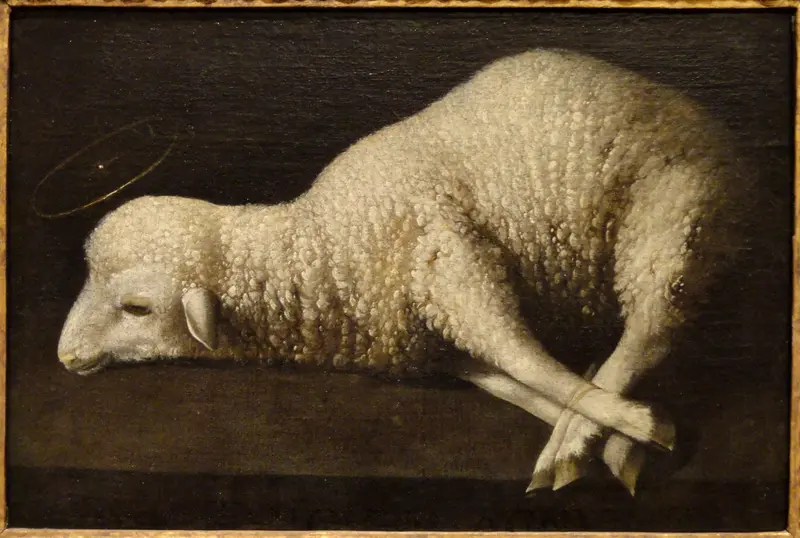
The Lamb of God
Francisco de Zurbarán

Adoration of the Magi
Francisco de Zurbarán
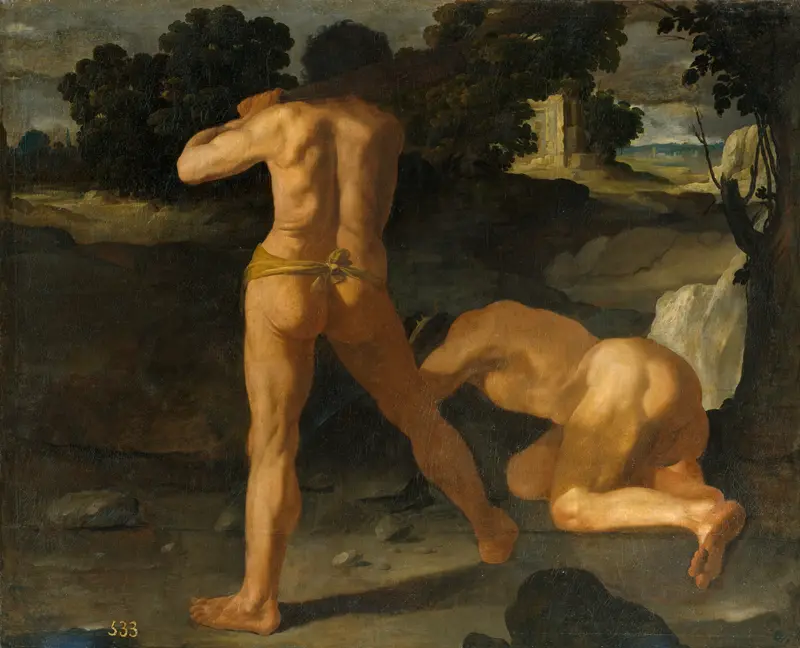
Hercules defeats King Geryon
Francisco de Zurbarán
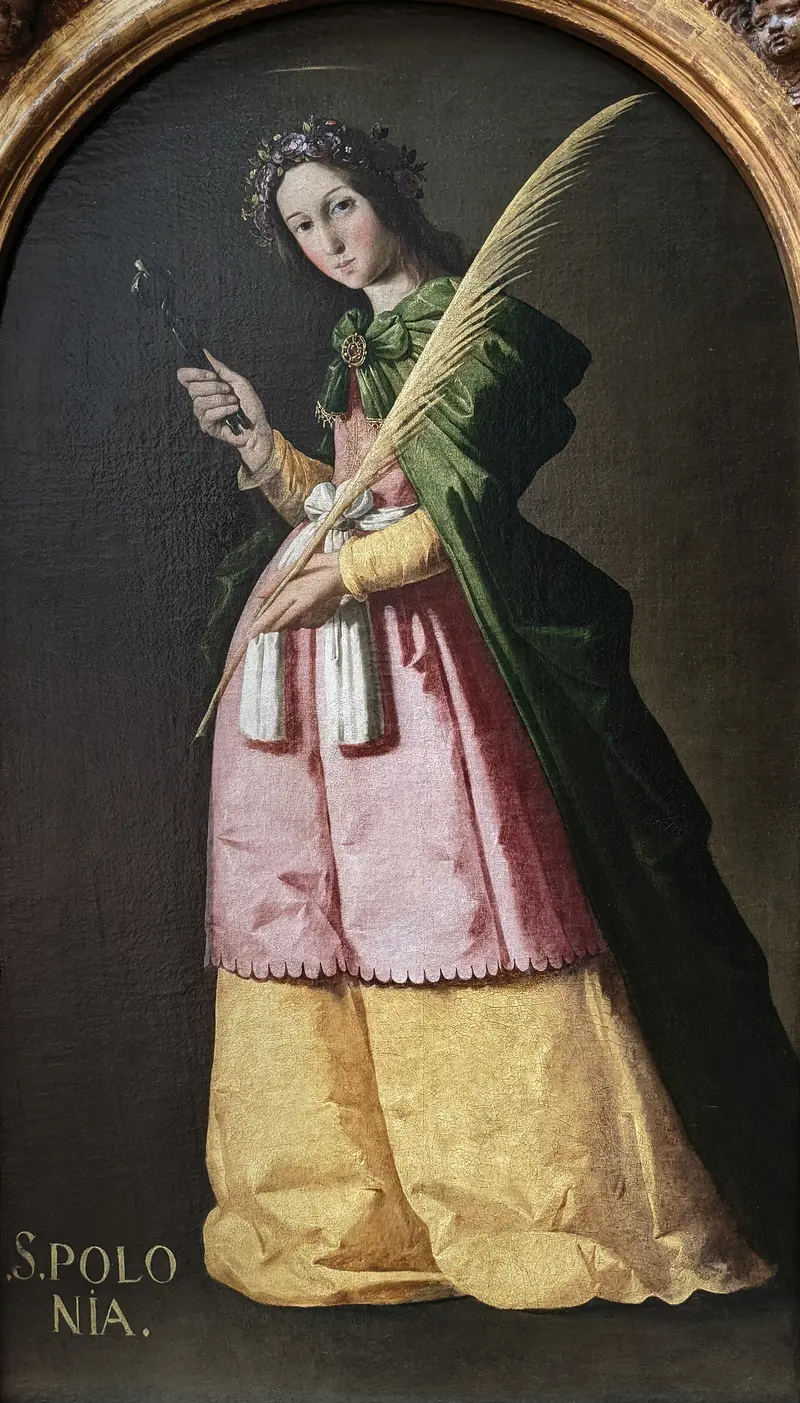
Saint Apollonia
Francisco de Zurbarán
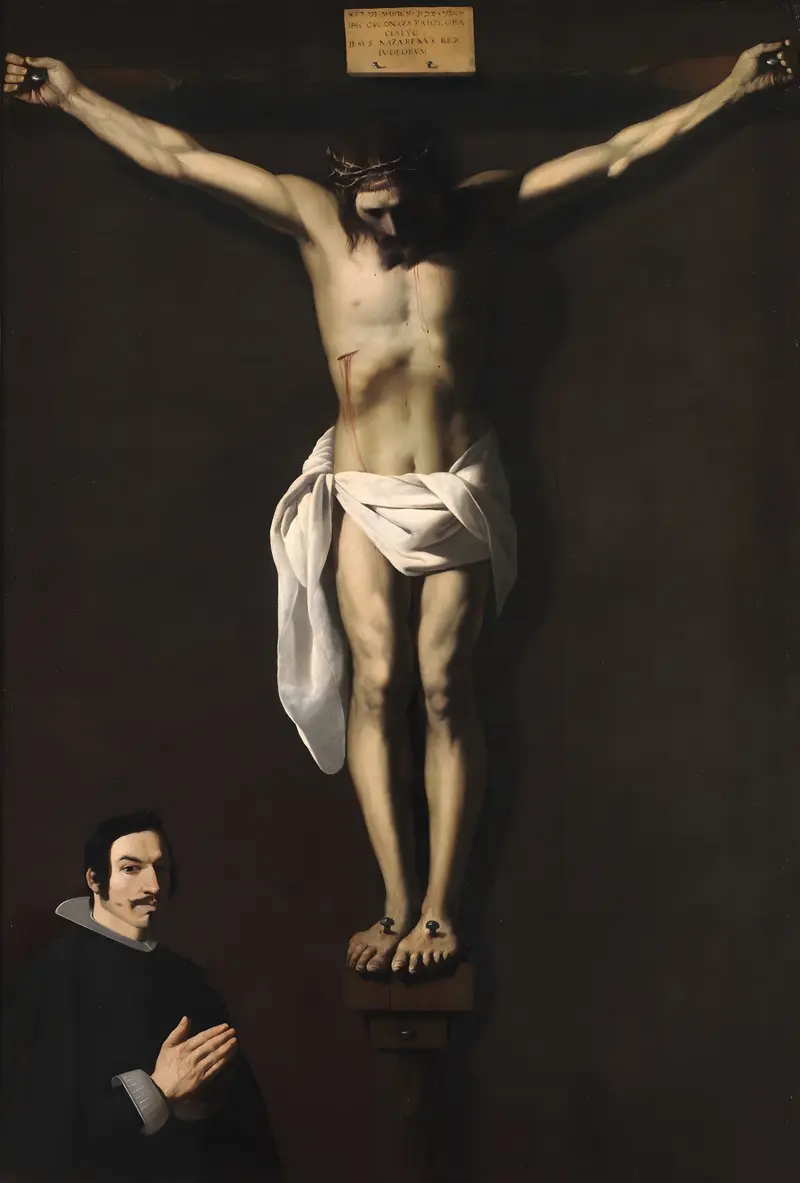
The Crucified Christ with a Donor
Francisco de Zurbarán
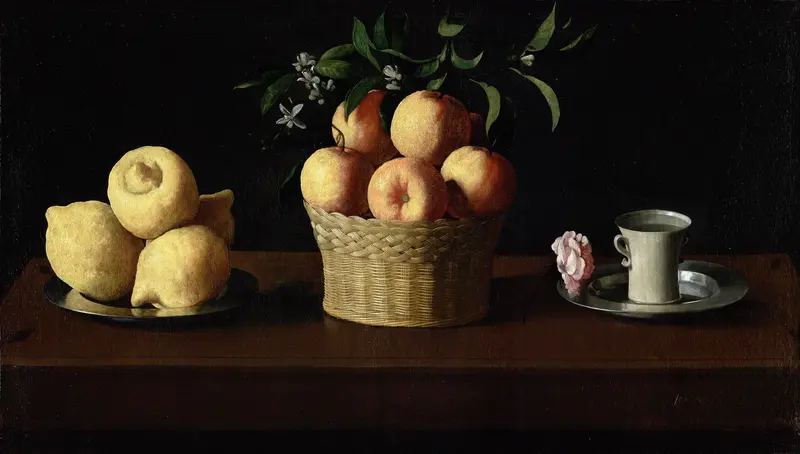
Still Life with Lemons, Oranges and a Rose
Francisco de Zurbarán
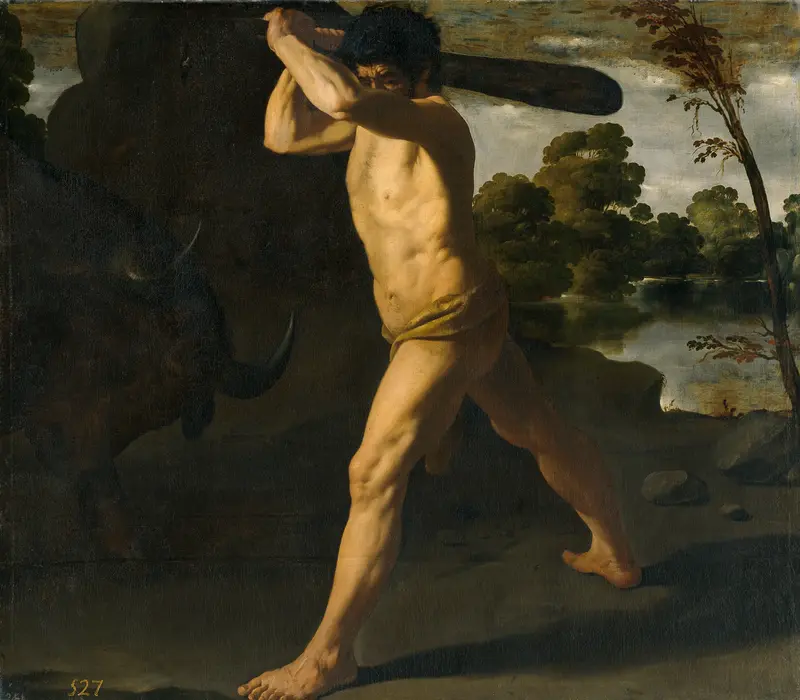
Hercules and the Cretan Bull
Francisco de Zurbarán





