
Bonaparte, First Consul — History & Facts
When the young Jean Auguste Dominique Ingres painted Bonaparte, First Consul in 1803, he was just 22 years old and had never met Napoleon in person. Yet, this ambitious portrait was chosen as the official image to hang in the city hall of Liège, a city newly annexed by France, at the request of its grateful citizens. They wished to honor Bonaparte for restoring their rights and privileges after years of turmoil, and so turned to a rising star of the Parisian art world.
The painting became one of the earliest official likenesses of Napoleon, capturing him not as emperor, but as the civilian leader who had swept away the old order. Ingres presents Bonaparte at the threshold of history: the First Consul stands in a sober interior, hand resting on a document that symbolizes the new constitution. His uniform is simple, the red consul’s coat unadorned except for a few medals, and his gaze is calm, almost reserved—a far cry from the heroic, rearing figure in Napoleon Crossing the Alps by Jacques-Louis David. The painter’s attention to detail is striking: the gold embroidery, the crisp white breeches, the tricolor sash.
Light falls across the face and hands, emphasizing the man rather than the myth, and the setting is stripped of pomp, focusing the viewer on the authority of law and reason rather than martial glory. The painting’s journey mirrors the shifting fortunes of its subject. Commissioned for Liège’s Hôtel de Ville, it hung there as a symbol of gratitude and new beginnings. After the fall of Napoleon, the portrait survived political upheavals, and today it is held by the Musée des Beaux-Arts in Liège.
For Ingres, this early commission marked a turning point: it announced his arrival as a portraitist of note, foreshadowing the psychological insight and precise draftsmanship that would define his later work. The painting remains a rare glimpse of Napoleon before the imperial crown, seen through the eyes of a young artist on the brink of greatness.
More Artworks by Jean Auguste Dominique Ingres
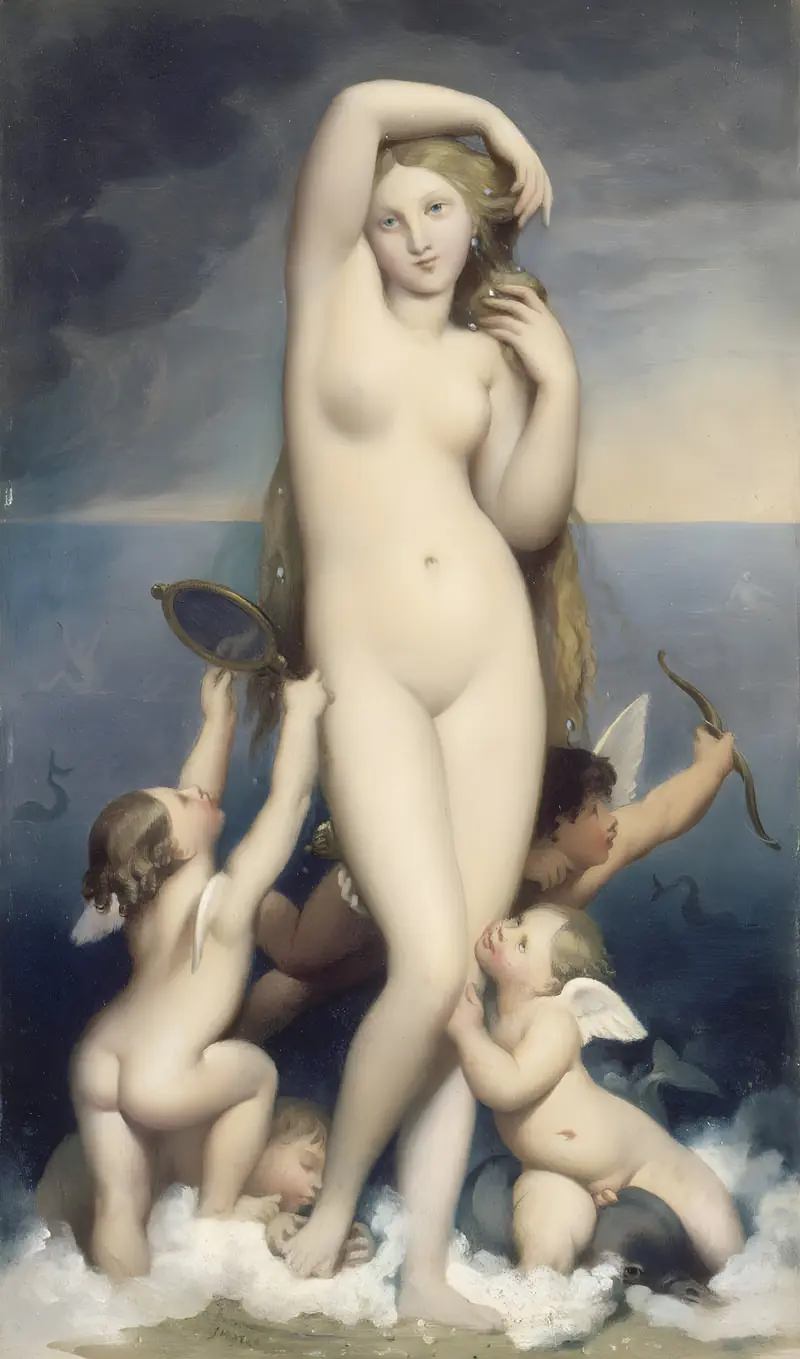
Vénus anadyomène
Jean Auguste Dominique Ingres
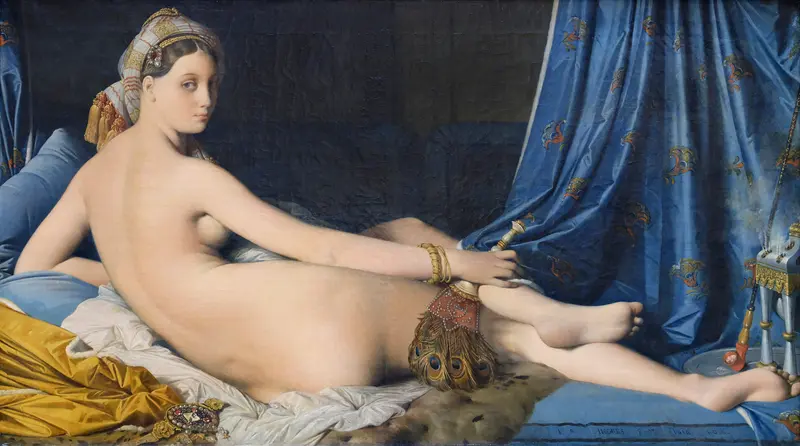
Grande Odalisque
Jean Auguste Dominique Ingres
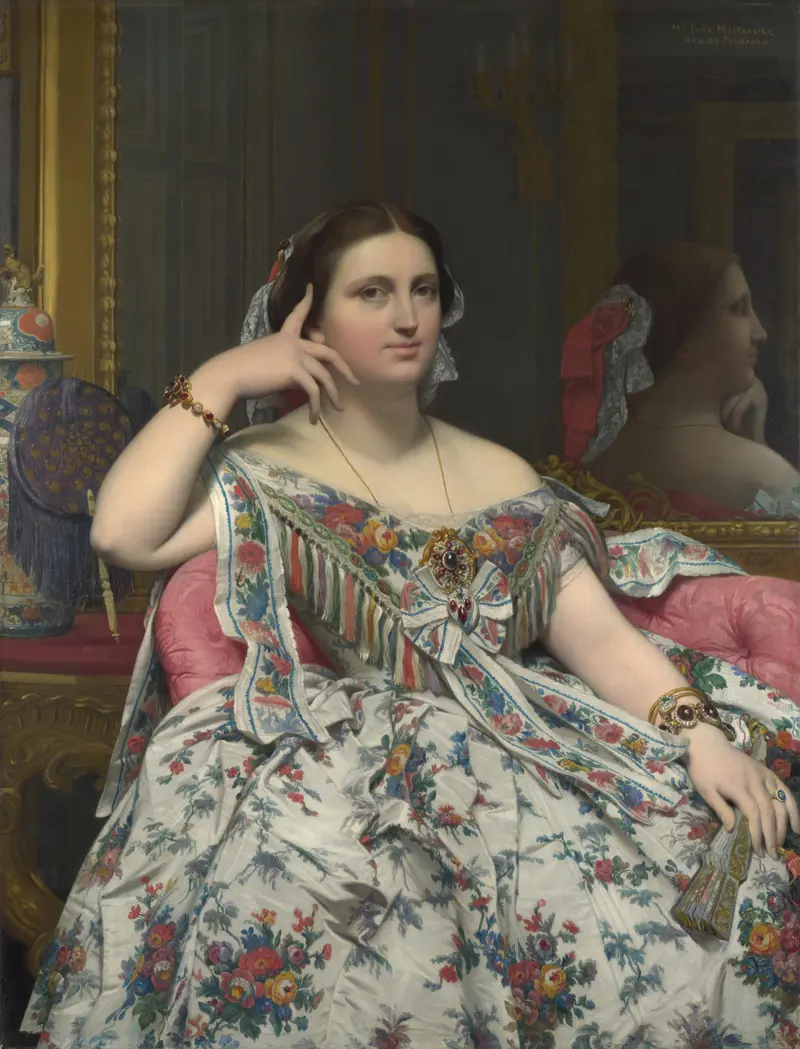
Madame Moitessier (seated)
Jean Auguste Dominique Ingres
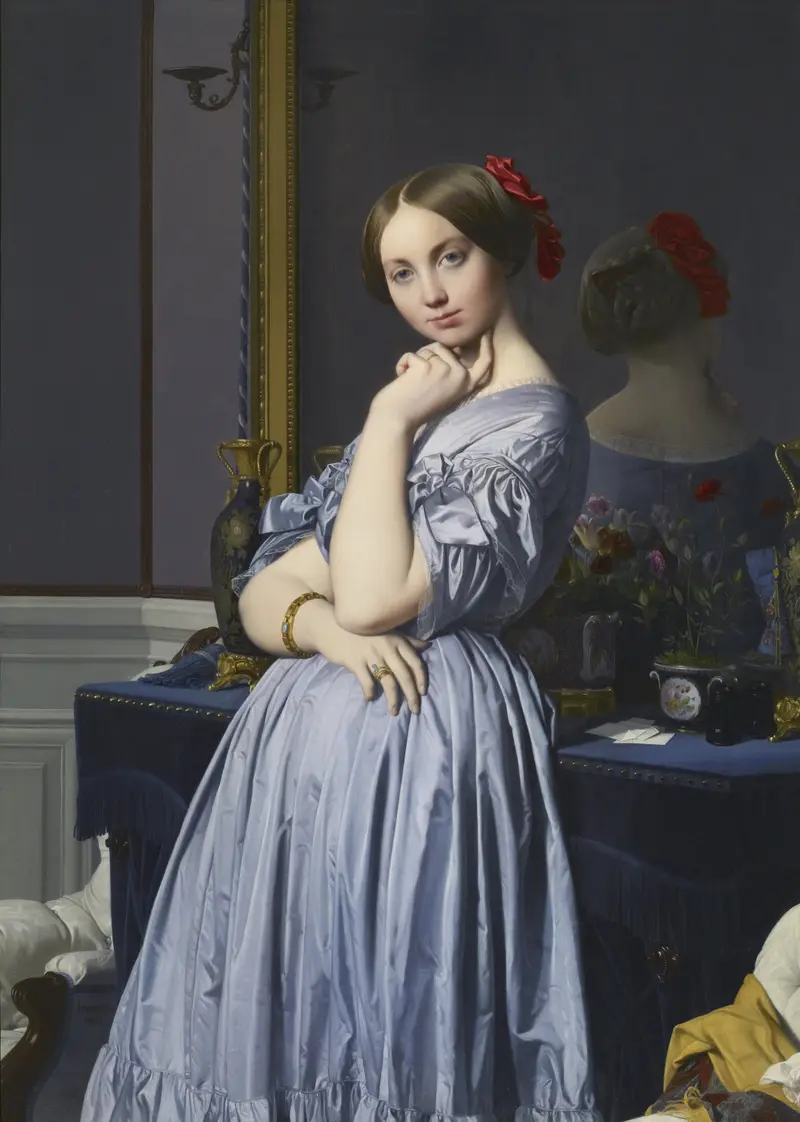
Portrait of Comtesse d’Haussonville
Jean Auguste Dominique Ingres
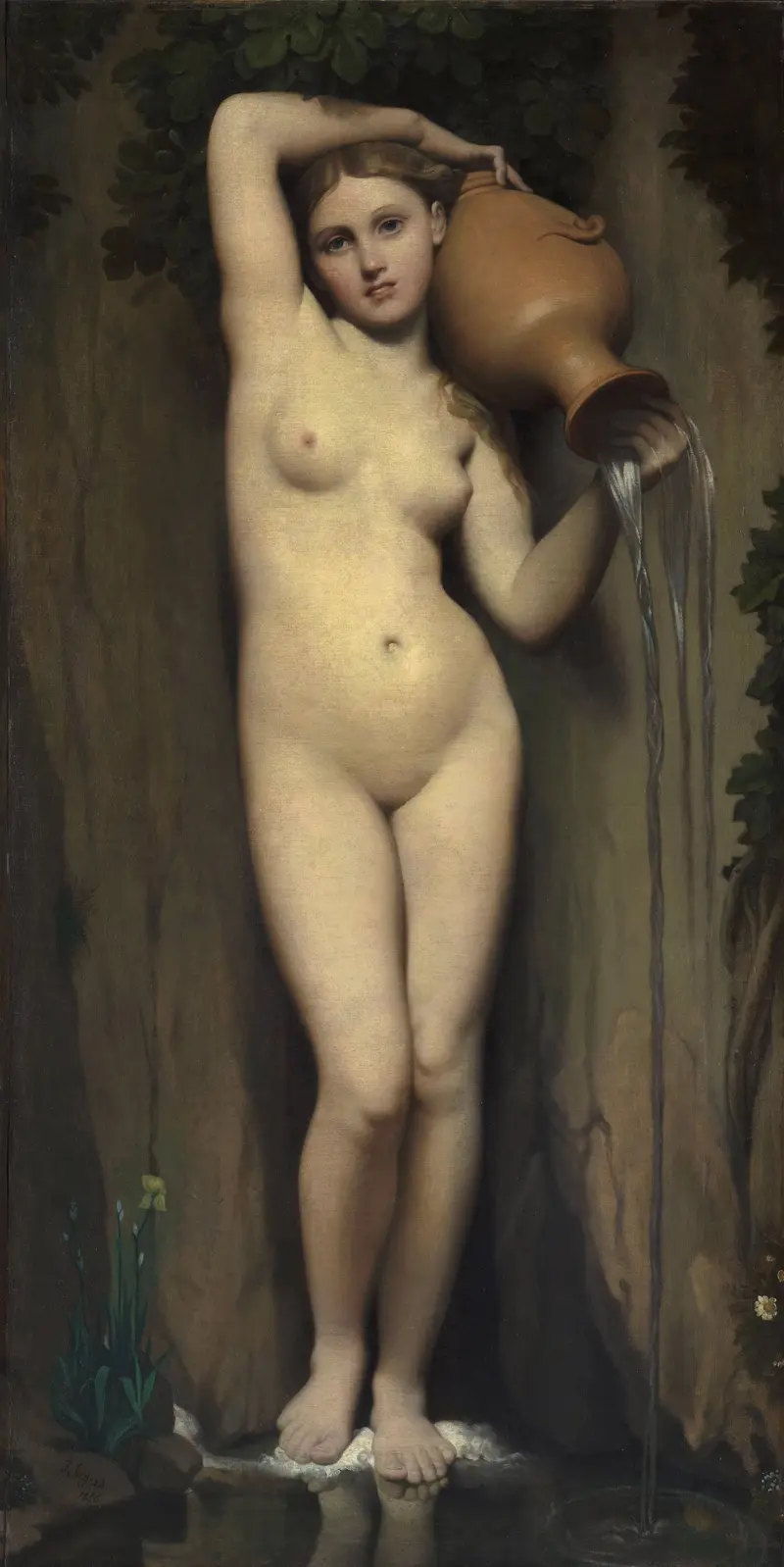
The Source
Jean Auguste Dominique Ingres
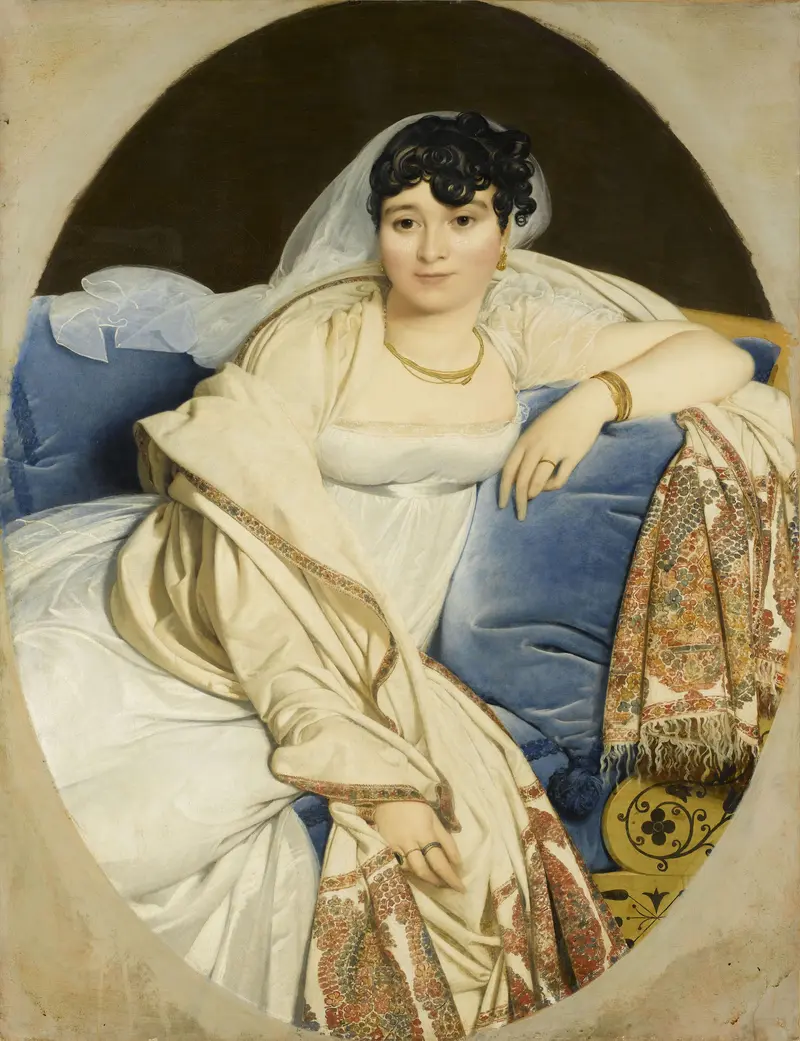
Madame Rivière
Jean Auguste Dominique Ingres

Madame Jean-Auguste-Dominique Ingres, née Madeleine Chapelle
Jean Auguste Dominique Ingres

Portrait of a Lady
Jean Auguste Dominique Ingres
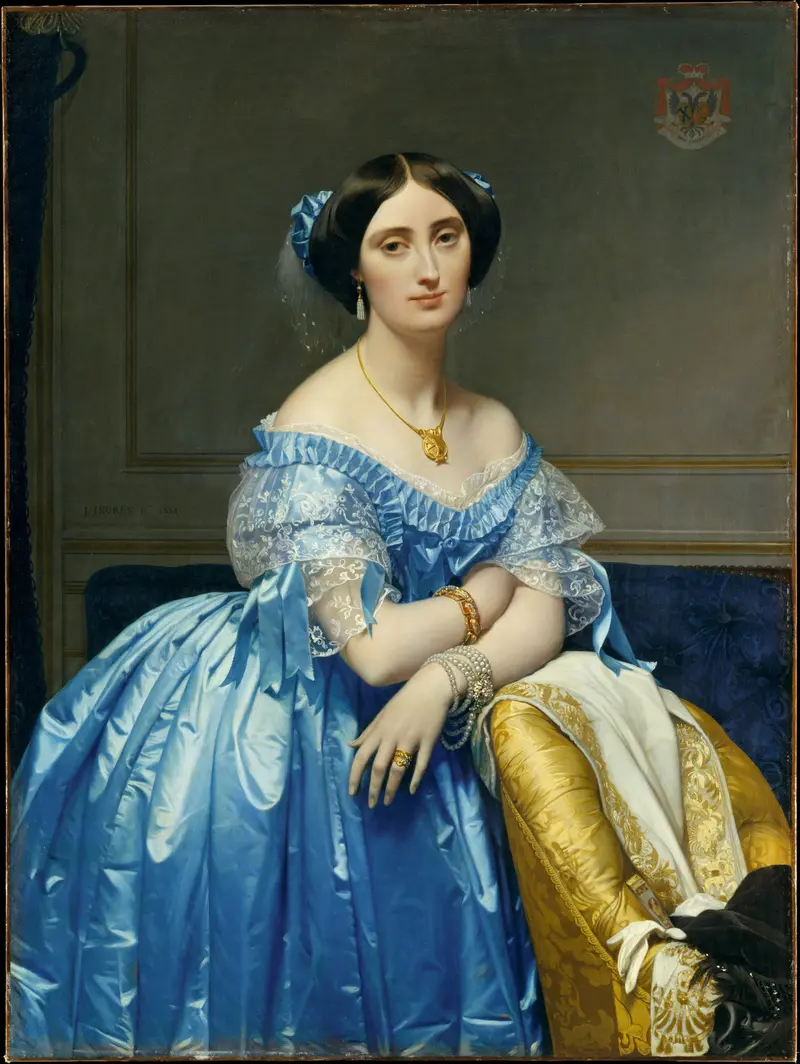
Joséphine-Éléonore-Marie-Pauline de Galard de Brassac de Béarn (1825–1860), Princesse de Broglie
Jean Auguste Dominique Ingres
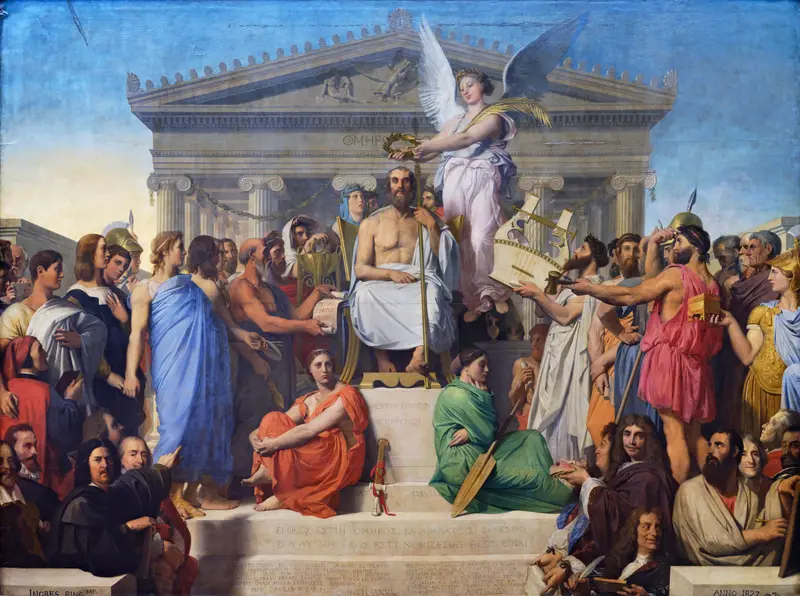
The Apotheosis of Homer
Jean Auguste Dominique Ingres





